
Safety
General information, not medical advice
Your prescriber and the leaflet in your pack know your situation. This page does not.
- Follow your prescriber and the leaflet
- Don't start, stop, or change a dose on your own
- Doses and warnings differ by country and product
Felbatol Tablet: Uses, Dosage, Side Effects, Precautions and Alternates
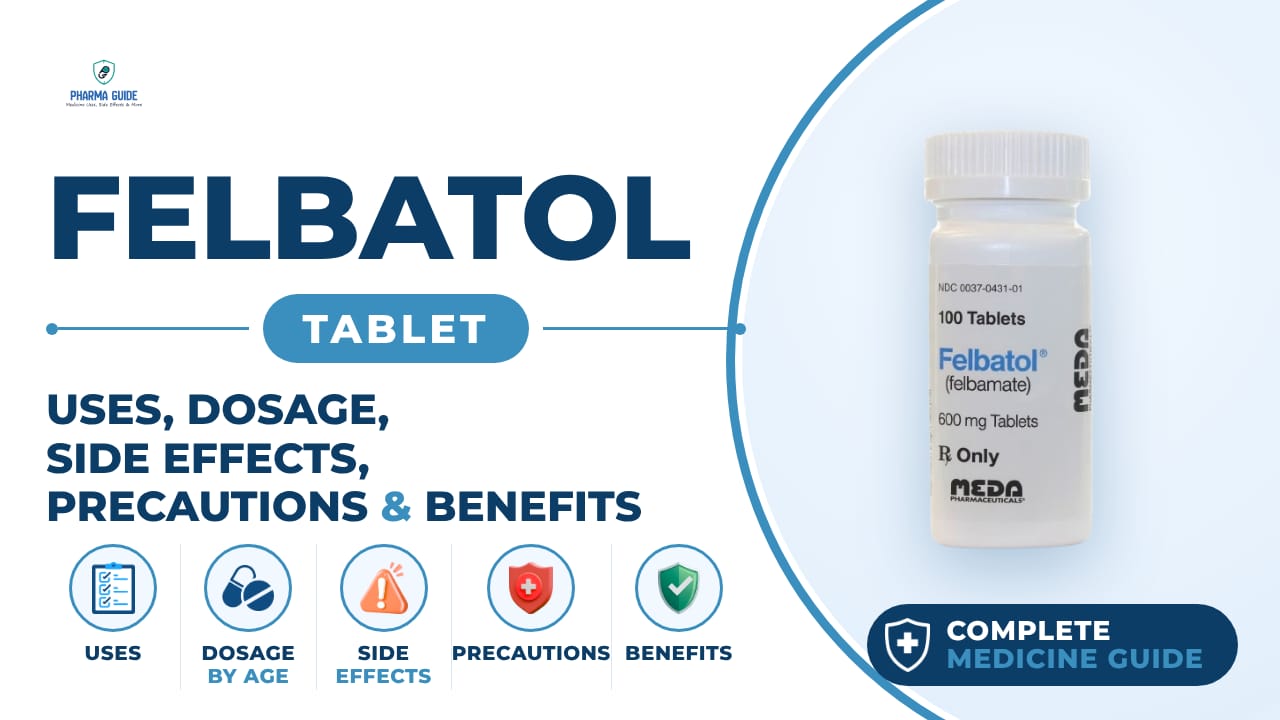
| Generic name | felbamate |
|---|---|
| Drug class | Carbamate anticonvulsant |
| Forms | 400 mg tablet, 600 mg tablet, 600 mg/5 mL oral suspension (liquid) |
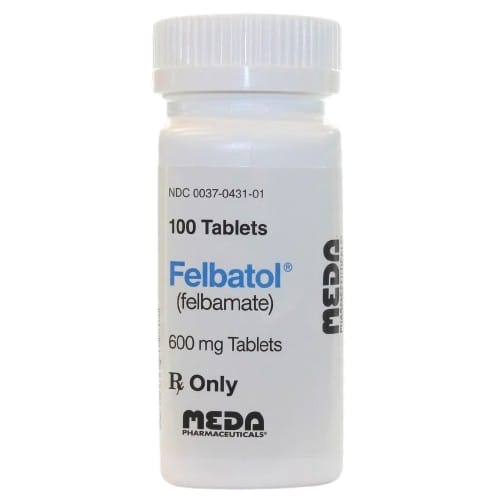
Quick overview
Felbatol Tablet (generic name: felbamate) is a prescription anti-seizure medicine belonging to the carbamate anticonvulsant class. It is used when other treatments have not worked well enough to control seizures, either alone or with other medicines, in adults with partial seizures and in children with seizures linked to Lennox-Gastaut syndrome. Because it carries serious risks, it is generally recommended only when epilepsy is severe enough that these risks are considered acceptable.
What is Felbatol Tablet
Felbatol is a prescription anti-seizure medicine (anticonvulsant) used when other treatments have not worked well enough. It belongs to a group of medicines called carbamates.
Felbatol Tablet uses
- Used alone or with other medicines to treat partial seizures (with or without generalization) in adults with epilepsy
- Used with other medicines to treat seizures linked to Lennox-Gastaut syndrome, a severe form of childhood epilepsy, in children
- Recommended only for patients whose epilepsy is severe enough that the risks of serious side effects are acceptable given the benefits
Benefits of Felbatol Tablet
- Helps control difficult-to-treat seizures
- May reduce seizure frequency
- Used for partial seizures in adults
- Helps manage seizures associated with Lennox–Gastaut syndrome
- May improve daily functioning when seizures are better controlled
How Felbatol Tablet works
Scientists are not fully sure how felbamate stops seizures, but it seems to calm down overactive signals between brain cells, which makes seizures less likely.
Felbatol Tablet dosage
Take Felbatol exactly as your doctor tells you; your doctor may change your dose over time. It is taken by mouth as a tablet or liquid, three or four times a day. If switching from another seizure medicine, carefully follow your doctor's instructions about how much to take and how often. Shake the oral liquid well before measuring each dose, and use a proper dosing syringe or measuring device, not a kitchen spoon. There was no effect of food on absorption of the tablet, according to pharmacokinetic data.
Do not stop taking this medicine suddenly without talking to your doctor first, since stopping suddenly can cause more seizures. You will need regular blood tests before starting and during treatment to check your liver and blood cell counts. If you miss a dose, take it as soon as you remember, but skip it if it is almost time for your next dose — do not take two doses at once.
| Age group | Dose |
|---|---|
| Under 18 years | Not recommended |
| 18–64 years | 1,200 mg/day |
| 65+ years | 1,200 mg/day |
Available forms and strengths
- 400 mg tablet
- 600 mg tablet
- 600 mg/5 mL oral suspension (liquid)
Side effects of Felbatol Tablet
Common
- Drowsiness
- Dizziness
- Nausea
- Vomiting
- Loss of appetite/weight loss
- Trouble sleeping (insomnia)
- Headache
- Double vision
- Changes in sense of taste
Serious
- Signs of blood problems: easy bruising, unusual bleeding, nosebleeds, bleeding gums, purple or red spots under the skin, pale skin, unusual tiredness, feeling light-headed or short of breath, cold hands and feet
- Signs of infection: fever, sore throat, frequent or recurring illness
- Signs of liver problems: loss of appetite, stomach pain (upper right side), nausea, vomiting, dark urine, yellowing of the skin or eyes (jaundice)
- Signs of a severe allergic or skin reaction: hives, difficulty breathing, swelling of face/lips/tongue/throat, fever, burning eyes, skin pain, red or purple skin rash with blistering and peeling
- Mood or behavior changes: anxiety, panic attacks, agitation, hostility, aggression, restlessness, hyperactivity, depression, thoughts of self-harm or suicide
- Serious eye symptoms: sudden vision loss, blurred vision, tunnel vision, eye pain or swelling, seeing halos around lights
- Serious heart symptoms: fast, irregular, or pounding heartbeats, fluttering in the chest, shortness of breath, sudden dizziness or passing out
- Severe headache, confusion, slurred speech, arm or leg weakness, trouble walking, loss of coordination, very stiff muscles, high fever, profuse sweating, or tremors
Warnings and precautions
- This medicine is linked to a greatly increased risk of a serious, potentially fatal blood disorder called aplastic anemia, where the body stops making enough blood cells. Because of this, it should only be used when the seizures are severe enough that this risk is considered acceptable.
- This medicine can cause sudden and serious liver failure, which has led to death or the need for a liver transplant in some patients.
- Like other seizure medicines, this drug may increase the risk of suicidal thoughts or actions in a small number of people. Watch for new or worsening depression, anxiety, or unusual changes in mood or behavior.
- Do not stop taking this medicine suddenly without talking to your doctor, since stopping a seizure medicine abruptly can cause seizures to increase.
- This medicine should not be used by anyone with a history of any blood disorder or liver problems, or by people allergic to felbamate or other carbamate medicines.
- It is not known if this medicine can harm an unborn baby. Tell your doctor right away if you become pregnant, and talk with them about whether you should keep taking it.
- Patients may be offered enrollment in a pregnancy registry that tracks the safety of seizure medicines during pregnancy.
- This medicine can pass into breast milk, and its effect on a nursing baby is not known. Talk with your doctor to decide if you should take this medicine while breastfeeding.
- Tell your doctor if you have kidney problems. People with reduced kidney function may need a lower dose because the medicine stays in the body longer.
- This medicine should not be used by people with a history of liver disease, and it can cause serious, sometimes fatal liver damage. Your doctor will test your liver function before and regularly during treatment.
- Avoid drinking alcohol while taking this medicine, as it can make drowsiness and dizziness worse and may increase the risk of liver damage.
- This medicine can cause drowsiness and dizziness. Do not drive or operate machinery until you know how it affects you.
Storage
- Store FELBATOL at room temperature between 68°F to 77°F (20°C to 25°C)
- Keep FELBATOL and all medicines out of the reach of children
- Store at room temperature away from moisture and heat
- Shake suspension well before using. Dispense in tight container.
When to see a doctor
- Call your doctor right away if you notice signs of a blood problem, such as fever, sore throat or infections that come and go, frequent infections, easy bruising, red or purple spots on your body, bleeding gums, nosebleeds, or severe fatigue or weakness.
- Call your doctor right away if you notice signs of liver problems, such as yellowing of your skin or eyes, dark urine, nausea or vomiting, loss of appetite, or pain on the right side of your stomach.
- Call your doctor right away if you have thoughts about suicide or dying, new or worse depression, attempts to harm yourself, agitation, new or worse anxiety, trouble sleeping, panic attacks, aggressive or violent behavior, new or worse irritability, acting on dangerous impulses, extreme increases in activity or talking, or other unusual changes in mood or behavior.
- Get emergency medical help right away for signs of a severe allergic reaction, such as hives, difficulty breathing, or swelling of the face, lips, tongue, or throat, or for a severe skin reaction with fever, sore throat, burning eyes, skin pain, or a red or purple rash with blistering and peeling.
- If you think you have taken too much of this medicine, get emergency medical help right away or contact your local poison control center.
Alternatives
- Clobazam
- Topiramate
- Levetiracetam
Watch the video
FAQs
What is Felbatol Tablet used for?
Felbatol is used alone or with other medicines to treat partial seizures in adults with epilepsy, and with other medicines to treat seizures linked to Lennox-Gastaut syndrome in children. It is generally recommended only when epilepsy is severe enough that its risks are acceptable.
How is Felbatol Tablet taken?
Felbatol is taken by mouth as a tablet or liquid, three or four times a day, exactly as prescribed. The oral liquid should be shaken well before measuring with a proper dosing syringe, not a kitchen spoon. Food does not affect absorption of the tablet.
What are the serious risks of Felbatol Tablet?
Felbatol is linked to a greatly increased risk of aplastic anemia, a serious and potentially fatal blood disorder, and it can cause sudden, serious liver failure that has led to death or the need for a liver transplant in some patients. Regular blood tests are needed to monitor liver and blood cell counts.
What are the common side effects of Felbatol Tablet?
Common side effects include drowsiness, dizziness, nausea, vomiting, loss of appetite or weight loss, trouble sleeping, headache, double vision, and changes in taste.
Can I stop taking Felbatol Tablet suddenly?
No, you should not stop taking Felbatol suddenly without talking to your doctor first, as stopping abruptly can cause seizures to increase.
General information, not medical advice
Your prescriber and the leaflet in your pack know your situation. This page does not.
- Follow your prescriber and the leaflet
- Don't start, stop, or change a dose on your own
- Doses and warnings differ by country and product
Sources
Video
Related medicines
Xcopri Tablet: Uses, Dosage, Side Effects, Precautions and Alternates
Carbamate anticonvulsant
Xcopri Tablet (cenobamate) treats partial-onset seizures in adults. Learn about uses, dosage, side effects, and warnings for this once-daily anticonvulsant.

Injectafer Injection: Uses, Dosage, Side Effects, Precautions and Alternates
Iron products
Injectafer (ferric carboxymaltose) treats iron deficiency anemia and heart failure-related iron deficiency via IV. Learn uses, dosage, side effects, and