
Safety
General information, not medical advice
Your prescriber and the leaflet in your pack know your situation. This page does not.
- Follow your prescriber and the leaflet
- Don't start, stop, or change a dose on your own
- Doses and warnings differ by country and product
Fetzima Capsule: Uses, Dosage, Side Effects, Precautions and Alternates
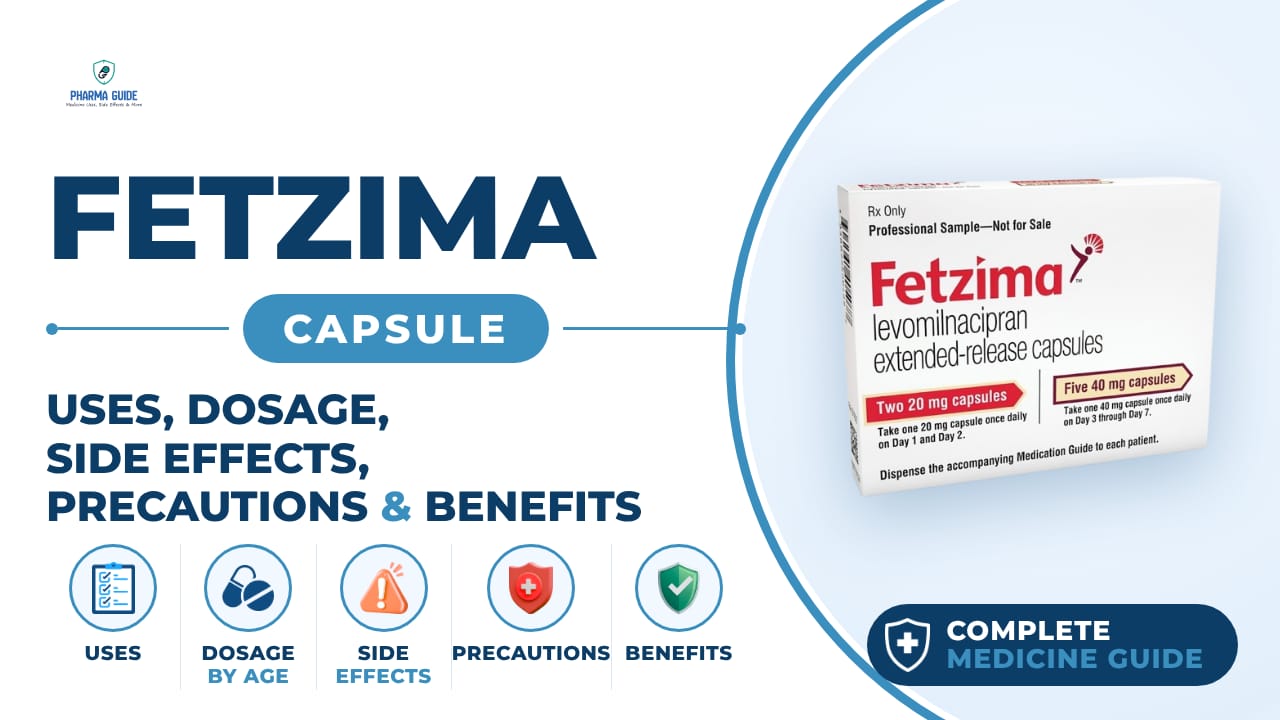
| Generic name | levomilnacipran |
|---|---|
| Drug class | Serotonin-norepinephrine reuptake inhibitor (SNRI) |
| Forms | Extended-release capsules (20 mg, 40 mg, 80 mg, 120 mg) |
Quick overview
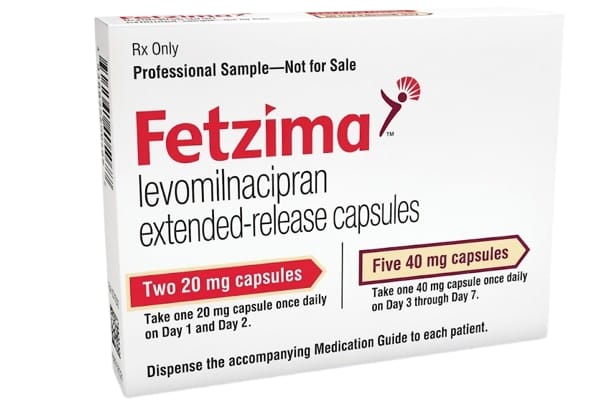
Fetzima Capsule (levomilnacipran) is a prescription antidepressant belonging to the SNRI (serotonin-norepinephrine reuptake inhibitor) class. It is used to treat major depressive disorder in adults as part of an overall treatment plan. Fetzima is thought to work by increasing levels of serotonin and norepinephrine in the brain. It is available as extended-release capsules in several strengths.
What is Fetzima Capsule
Fetzima is a prescription antidepressant medicine. It belongs to a group of drugs called SNRIs (serotonin-norepinephrine reuptake inhibitors) and is used to treat major depressive disorder in adults.
Fetzima Capsule uses
- Treats major depressive disorder (MDD) in adults.
- Manages persistent depressive symptoms.
- Treats depression that affects daily functioning.
- Helps manage depressive episodes.
- Used as part of a prescribed treatment plan for adult depression.
Benefits of Fetzima Capsule
- May improve energy and motivation.
- May help improve concentration.
- May support better daily functioning.
- May help restore interest in usual activities.
- May improve emotional well-being over time.
How Fetzima Capsule works
Fetzima is thought to work by increasing the levels of two brain chemicals, serotonin and norepinephrine, by blocking their reabsorption into nerve cells. The exact way this helps depression is not fully understood.
Fetzima Capsule dosage
Take Fetzima exactly as your doctor tells you to. Take it at about the same time every day to help you remember. It can be taken with or without food. Swallow the capsule whole; do not open, chew, or crush it.
If you miss a dose, take it as soon as you remember, but if it is almost time for your next dose, skip the missed one — do not take two doses at the same time.
Do not stop taking Fetzima suddenly without talking to your doctor first, since this can cause withdrawal-like symptoms. Your blood pressure and heart rate will need to be checked regularly while you take this medicine.
| Age group | Dose |
|---|---|
| Under 18 years | Not recommended |
| 18–64 years | 40–120 mg, once/day |
| 65+ years | 40–120 mg, once/day |
Available forms and strengths
- Extended-release capsules (20 mg, 40 mg, 80 mg, 120 mg)
Side effects of Fetzima Capsule
Common
- Nausea
- Vomiting
- Constipation
- Sweating
- Increased or fast heart rate (palpitations)
- Problems getting or keeping an erection
- Delayed ejaculation or inability to ejaculate
- Decreased appetite
Serious
- Allergic reaction: rash or hives, trouble breathing, swelling of face, lips, tongue, or throat
- Serotonin syndrome: agitation, confusion, fast heartbeat, dizziness, flushing, tremors, stiff or twitching muscles, seizures, hallucinations, high fever, sweating, nausea, vomiting, or diarrhea
- High blood pressure
- Increased heart rate
- Unusual bleeding or bruising
- Eye problems (angle-closure glaucoma): eye pain, vision changes, redness or swelling in or around the eye
- Urination problems, including difficulty urinating or being unable to urinate
- Manic episodes: greatly increased energy, racing thoughts, reckless behavior, severe trouble sleeping, excessive talking
- Seizures
- Discontinuation symptoms after stopping suddenly: mood changes, irritability, dizziness, electric shock sensations, anxiety, confusion, headache, tiredness, trouble sleeping, ringing in ears
- Low sodium levels in the blood: headache, trouble concentrating, memory changes, confusion, weakness, unsteadiness, and in severe cases hallucinations, fainting, seizures, coma
- Sexual problems, including changes in sex drive or difficulty with orgasm
Warnings and precautions
- Fetzima and other antidepressants may increase the risk of suicidal thoughts and actions in people 24 years and younger, especially in the first few months of treatment or after a dose change. Watch closely for new or worsening mood or behavior changes.
- Do not take Fetzima if you are taking, or have taken within the last 14 days, a type of medicine called an MAOI, or if you are being treated with the antibiotic linezolid or intravenous methylene blue, as this combination can cause a dangerous reaction.
- Taking Fetzima with certain other medicines that affect serotonin, such as triptans, tricyclic antidepressants, lithium, tramadol, and St. John's Wort, can raise the risk of a dangerous condition called serotonin syndrome.
- Fetzima is not approved for use in children or for treating fibromyalgia.
- Do not stop taking Fetzima suddenly without talking to your doctor, as this can cause serious withdrawal-like symptoms. Your doctor may want to lower your dose gradually.
- Fetzima may harm an unborn baby, especially if taken in the last three months of pregnancy, and should only be used in pregnancy if your doctor decides the benefit is worth the risk. Tell your doctor right away if you become pregnant.
- It is not known if Fetzima passes into breast milk. Talk to your doctor about the best way to feed your baby if you are breastfeeding while taking this medicine, and watch for signs of sleepiness, fussiness, or feeding problems in the baby.
- Tell your doctor if you have kidney problems, as your dose may need to be limited because the kidneys are the main way this drug leaves the body.
- No dose change is needed for people with mild, moderate, or severe liver problems, since the liver plays only a small role in removing this drug from the body.
- Avoid drinking alcohol while taking Fetzima, since alcohol can cause the extended-release capsule to release its contents too quickly, which may increase side effects.
- Do not drive, operate heavy machinery, or do other dangerous activities until you know how Fetzima affects you, since it can cause sleepiness or affect your ability to think clearly or react quickly.
Storage
- Store at room temperature, 20–25°C.
- Keep in a dry place.
- Protect from excessive heat and moisture.
- Keep capsules in the original packaging.
- Keep out of reach of children.
When to see a doctor
- Get emergency help right away if you have signs of a serious allergic reaction, such as skin rash or hives, trouble breathing, or swelling of the face, lips, tongue, or throat.
- Call your doctor right away if you notice new or sudden changes in mood or behavior, worsening depression or anxiety, panic attacks, trouble sleeping, agitation, irritability, aggression, restlessness, or thoughts of suicide or self-harm.
- Call your doctor right away if you have blurred or tunnel vision, eye pain or swelling, painful or difficult urination, easy bruising or unusual bleeding, pounding or fluttering heartbeats, seizures, signs of a manic episode, or signs of low sodium such as headache, confusion, slurred speech, severe weakness, vomiting, or loss of coordination.
- Seek medical attention right away if you have symptoms of serotonin syndrome, such as agitation, hallucinations, fever, sweating, shivering, fast heart rate, muscle stiffness, twitching, loss of coordination, nausea, vomiting, or diarrhea.
- If you take too much Fetzima, call your doctor or your local poison control center right away, or go to the nearest hospital emergency room.
Alternatives
- Escitalopram
- Desvenlafaxine
- Venlafaxine
Watch the video
FAQs
What is Fetzima Capsule used for?
Fetzima is a prescription SNRI antidepressant used to treat major depressive disorder (MDD) in adults as part of an overall treatment plan.
How should I take Fetzima Capsule?
Take Fetzima exactly as prescribed, at about the same time each day, with or without food. Swallow the capsule whole without opening, chewing, or crushing it. If you miss a dose, take it when you remember unless it's almost time for the next dose, in which case skip the missed one.
What are the common side effects of Fetzima Capsule?
Common side effects include nausea, vomiting, constipation, sweating, increased or fast heart rate, erectile problems, delayed ejaculation, and decreased appetite.
Can I stop taking Fetzima Capsule suddenly?
No, you should not stop taking Fetzima suddenly without talking to your doctor, as this can cause withdrawal-like symptoms such as mood changes, irritability, dizziness, electric shock sensations, anxiety, and trouble sleeping.
What medicines should not be combined with Fetzima Capsule?
Do not take Fetzima with an MAOI (or within 14 days of stopping one), linezolid, or intravenous methylene blue. Combining with other serotonergic drugs like triptans, tricyclic antidepressants, lithium, tramadol, or St. John's Wort can raise the risk of serotonin syndrome.
General information, not medical advice
Your prescriber and the leaflet in your pack know your situation. This page does not.
- Follow your prescriber and the leaflet
- Don't start, stop, or change a dose on your own
- Doses and warnings differ by country and product
Sources
Video
Related medicines
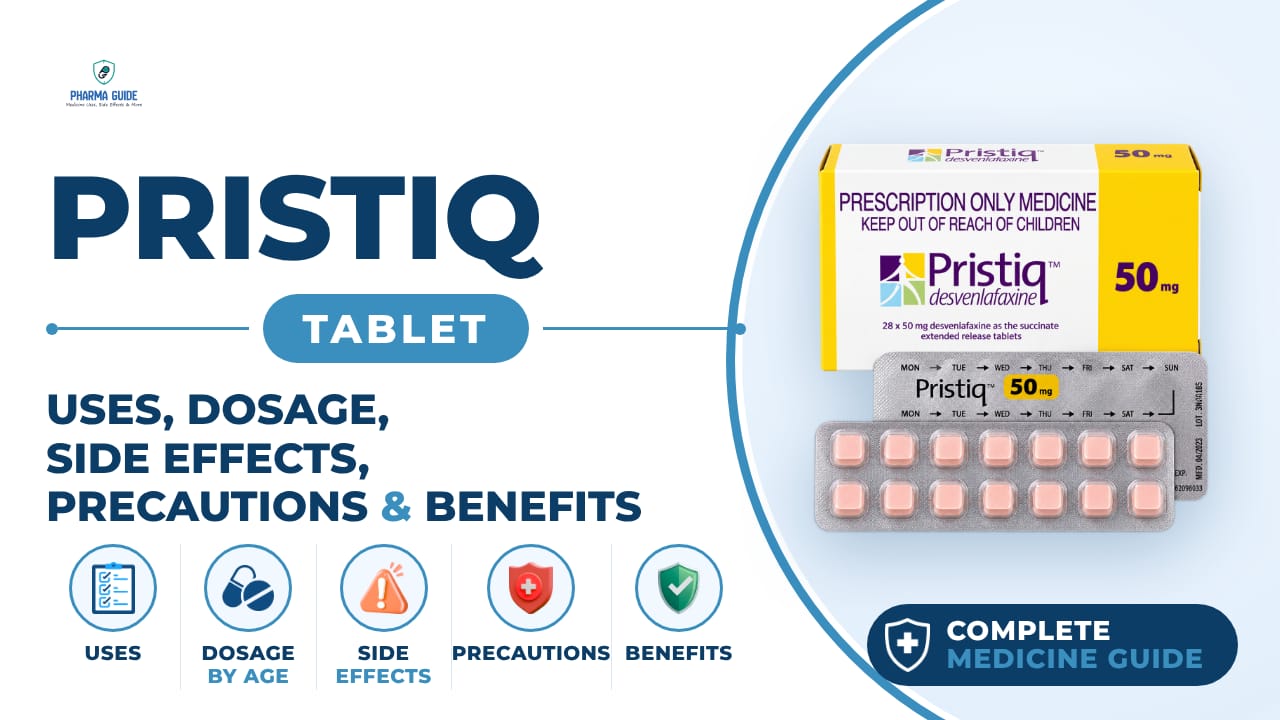
Pristiq Tablet: Uses, Dosage, Side Effects, Precautions and Alternates
Serotonin-norepinephrine reuptake inhibitor (SNRI)
Pristiq Tablet (desvenlafaxine) is an SNRI used to treat major depressive disorder in adults. Learn its dosage, side effects, and warnings.
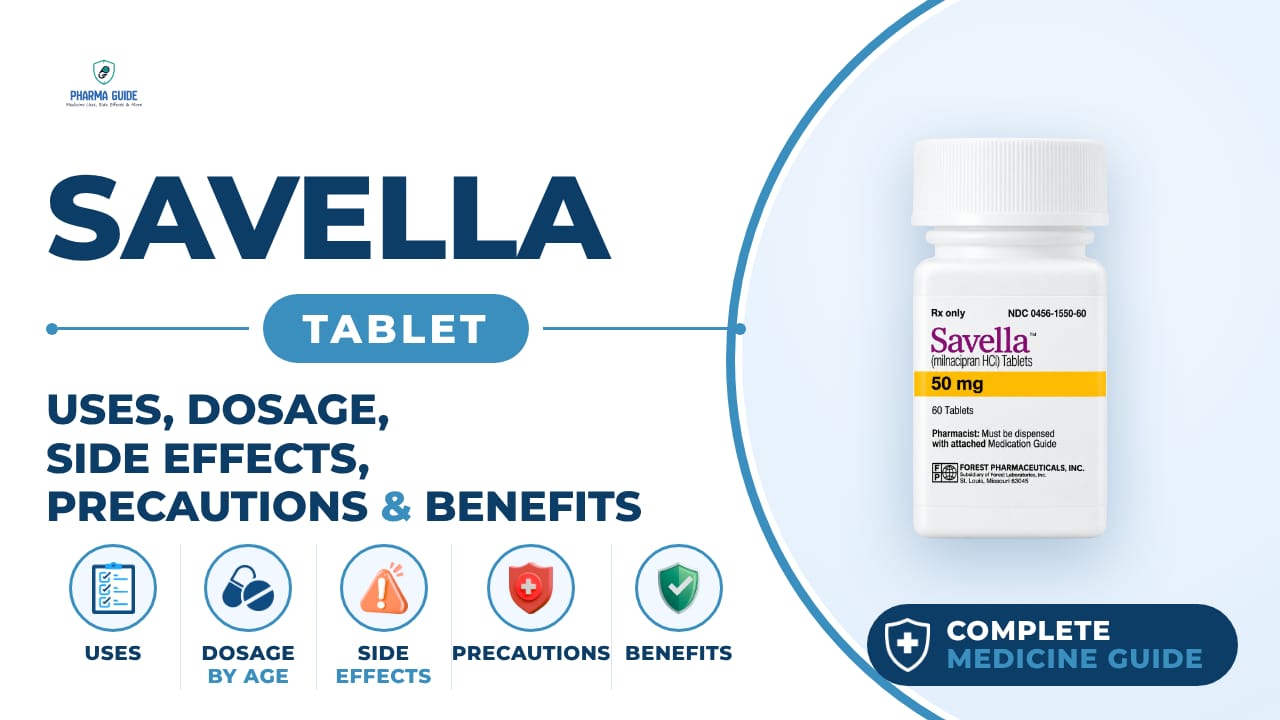
Savella Tablet: Uses, Dosage, Side Effects, Precautions and Alternates
Serotonin-norepinephrine reuptake inhibitor (SNRI)
Savella Tablet (milnacipran) is an SNRI used to treat chronic fibromyalgia pain. Learn how it works, dosage, side effects, and safety precautions.