
Safety
General information, not medical advice
Your prescriber and the leaflet in your pack know your situation. This page does not.
- Follow your prescriber and the leaflet
- Don't start, stop, or change a dose on your own
- Doses and warnings differ by country and product
Finasteride Gel: Uses, Dosage, Side Effects, Precautions and Alternates
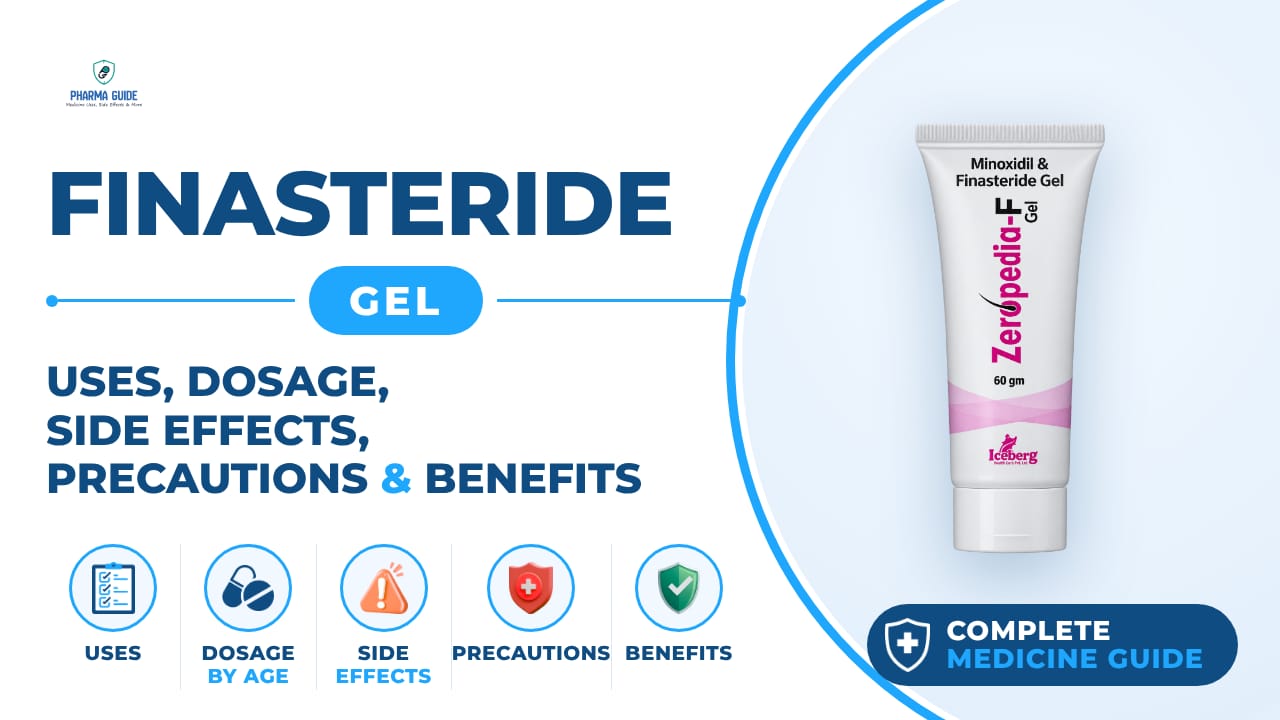
| Generic name | Finasteride |
|---|---|
| Drug class | 5-alpha-reductase inhibitors |
| Forms | Oral tablet, Topical solution (studied in trials, not FDA-approved), Topical gel (studied in trials, not FDA-approved) |
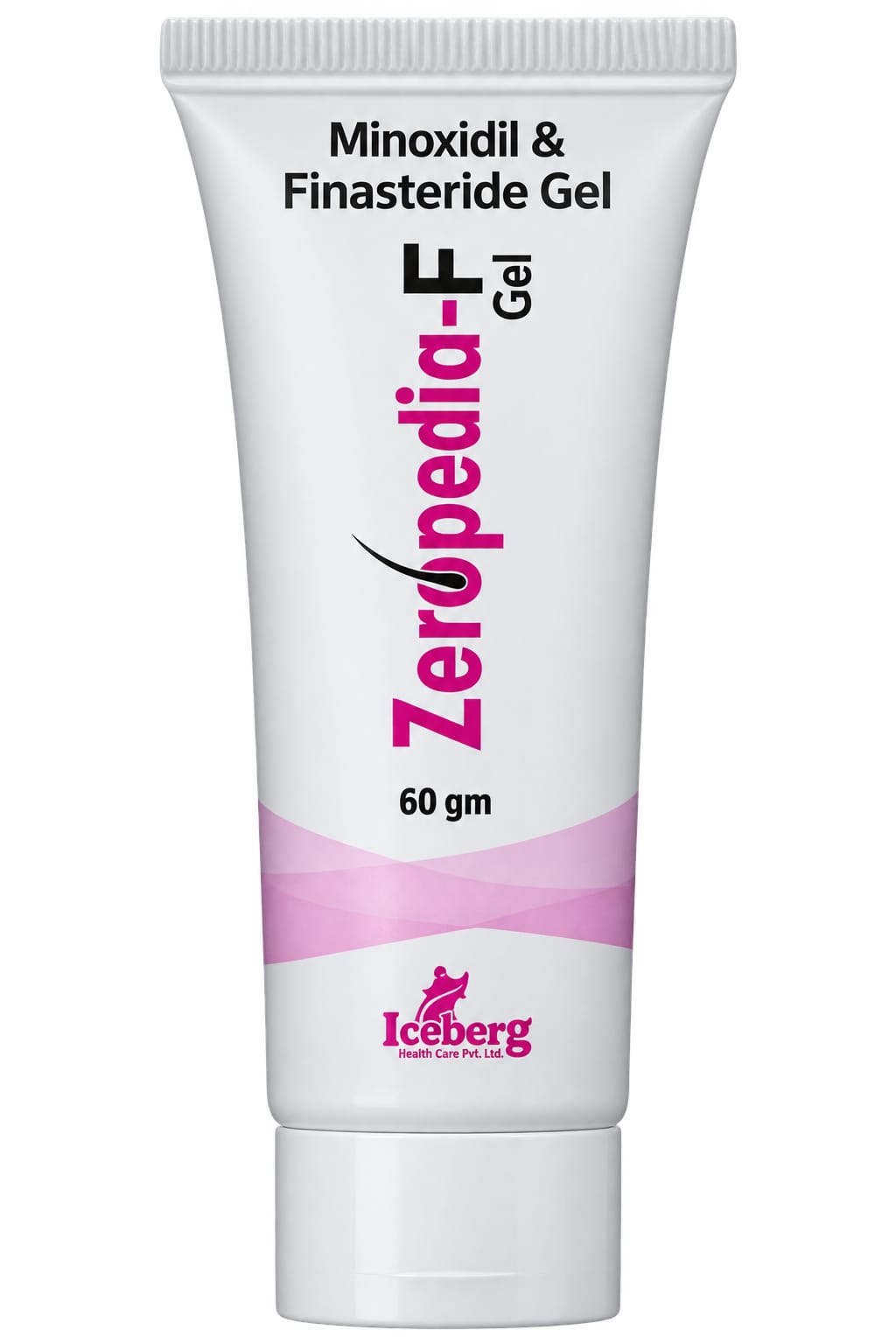
Quick overview
Finasteride Gel is a topical form of finasteride, a medicine from the 5-alpha-reductase inhibitor drug class. While oral finasteride tablets are FDA-approved for male pattern hair loss and benign prostatic hyperplasia (BPH), topical finasteride, including gel forms, has been studied in clinical trials for hair loss but is not FDA-approved. It works by lowering DHT (dihydrotestosterone) activity in the scalp to help reduce hair shedding and support hair growth.
What is Finasteride Gel
Finasteride is a prescription medicine from a class of drugs called 5-alpha-reductase inhibitors. Oral finasteride tablets are FDA-approved for male pattern hair loss and for benign prostatic hyperplasia (BPH, an enlarged prostate) in men. Topical finasteride, including gel forms, has been studied in clinical trials for hair loss but is not FDA-approved.
Finasteride Gel uses
- Treating male pattern hair loss (androgenetic alopecia) in men to improve hair growth and hair count
- Treating benign prostatic hyperplasia (BPH) in men with an enlarged prostate to improve urinary symptoms and reduce prostate size, which may delay the need for surgery
Benefits of Finasteride Gel
- Helps treat androgenetic alopecia (male-pattern hair loss)
- Helps reduce hair shedding by lowering dihydrotestosterone (DHT) activity in the scalp
- Can help increase hair count and hair density over time
- May help improve hair thickness and the proportion of terminal hairs
- Provides a topical alternative to oral finasteride for suitable patients
- Topical use generally results in lower systemic exposure than oral finasteride, which may reduce the likelihood of systemic adverse effects, although they can still occur
How Finasteride Gel works
Finasteride blocks an enzyme called 5-alpha-reductase, which normally converts testosterone into a hormone called DHT (dihydrotestosterone). High DHT levels cause hair follicles to shrink and hair to become finer, and also cause the prostate to grow larger. By lowering DHT, finasteride helps improve hair growth and reduce BPH symptoms.
Finasteride Gel dosage
Take with a full glass of water once a day at the same time each day. It may be taken with or without food or meals. Swallow the tablet whole; do not crush, break, or chew it. Follow all directions on your prescription label and read all medication guides or instruction sheets.
It may take up to 3 months or longer to see a benefit for hair loss, so use regularly for best results. For BPH, it may take up to 6 months to see the full effect. The medicine only works as long as you keep taking it; effects reverse after stopping. Do not share this medicine with another person, even if they have the same symptoms.
Women who are pregnant or may become pregnant should not handle broken or crushed tablets because the medicine can be absorbed through the skin. If a woman accidentally touches a broken or crushed tablet, wash the area with soap and water right away. This medicine is not for use in children.
| Age group | Dose |
|---|---|
| Under 18 years | Not recommended |
| 18–64 years | Common compounded strengths are around 0.1–0.25%, generally applied once daily to the affected scalp; exact amount depends on the formulation |
| 65+ years | No standard age-specific topical dose; use according to the prescribed product |
Available forms and strengths
- Oral tablet
- Topical solution (studied in trials, not FDA-approved)
- Topical gel (studied in trials, not FDA-approved)
Side effects of Finasteride Gel
Common
- Decreased interest in sex
- Erectile dysfunction (trouble getting or keeping an erection)
- Ejaculation disorder or decreased volume of ejaculate
- Breast enlargement or tenderness
- Rash
- Runny or stuffy nose, sleepiness, or sneezing
- Back pain, dizziness, headache, stomach pain, diarrhea
Serious
- Signs of an allergic reaction such as hives, difficulty breathing, or swelling of the face, lips, tongue, or throat
- Signs of male breast cancer such as breast pain or lumps, nipple discharge, dimpling of breast skin, inverted nipple, or other breast changes
- Blood in semen
- Pain in the testicles
- Depression or suicidal thoughts
- Chills, cold sweats, confusion, dizziness or faintness when standing up suddenly
- Swelling of the face, arms, hands, lower legs, or feet; rapid or unusual weight gain or loss; tingling of hands or feet
Warnings and precautions
- Finasteride should never be taken by a woman or a child
- Finasteride can be absorbed through the skin and can cause birth defects if a woman is exposed to it during pregnancy. Tablets should not be handled by a woman who is pregnant or who may become pregnant
- Using this medicine may increase the risk of developing a serious form of prostate cancer
- This medicine will not prevent prostate cancer but may increase the risk of developing high-grade prostate cancer
- Finasteride may affect prostate specific antigen (PSA) test results used to detect prostate cancer, so tell all your doctors you are using this medicine
- Some men who use this medicine have become unable to have children (infertile). Talk with your doctor before using it if you plan to have children
- It may be harder to get a woman pregnant while using finasteride
- Finasteride can cause birth defects in male babies if a woman is exposed to it during pregnancy. Women who are pregnant or may become pregnant should not use finasteride or handle crushed or broken tablets.
- There isn't enough research on using finasteride while breastfeeding, so the potential benefits should be weighed against the potential risks before use.
- Finasteride should be used with caution in people with liver disease, since the medicine may be removed from the body more slowly, which could increase its effects.
- Talk to your healthcare professional about using this medicine with alcohol, since interactions may occur.
Storage
- Store at room temperature, according to the specific product or pharmacy label
- Keep in a cool, dry place away from excessive heat and direct sunlight
- Keep the container tightly closed when not in use
- Do not freeze unless the product label specifically permits it
- Because topical finasteride is often compounded, follow the pharmacy's stated storage conditions and beyond-use date
- Keep out of reach of children and avoid handling by pregnant women if the gel could contact the skin
When to see a doctor
- Get emergency medical help if you have signs of an allergic reaction, such as hives, difficulty breathing, or swelling of your face, lips, tongue, or throat
- Call your doctor right away if you notice any signs of male breast cancer, such as breast pain or lumps, nipple discharge, or other breast changes
- Tell your doctor right away if you notice blood in your semen, pain in your testicles, or depression or suicidal thoughts
- If you think you have taken too much, seek emergency medical attention or contact a poison control center right away
- Check with your doctor immediately if you notice chills, cold sweats, confusion, or dizziness/faintness when standing up suddenly
Alternatives
- Topical Minoxidil + Finasteride
- Oral Dutasteride
- Topical Finasteride Spray
- Oral Finasteride
- Topical Minoxidil
Watch the video
FAQs
Is Finasteride Gel FDA-approved?
No. Oral finasteride tablets are FDA-approved for male pattern hair loss and BPH, but topical finasteride, including gel forms, has only been studied in clinical trials and is not FDA-approved.
How does Finasteride Gel work?
It blocks the 5-alpha-reductase enzyme, lowering DHT (dihydrotestosterone) activity in the scalp, which helps reduce hair shedding and supports hair growth.
How long does it take to see results from Finasteride Gel?
It may take up to 3 months or longer to see a benefit for hair loss, so it should be used regularly for best results. Effects reverse after stopping the medicine.
What are common side effects of Finasteride Gel?
Common side effects include decreased interest in sex, erectile dysfunction, ejaculation disorders, breast enlargement or tenderness, rash, runny or stuffy nose, back pain, dizziness, headache, and stomach pain.
Can women use or handle Finasteride Gel?
No. Finasteride can be absorbed through the skin and can cause birth defects if a woman is exposed during pregnancy, so women who are pregnant or may become pregnant should not use it or handle it if it could contact the skin.
General information, not medical advice
Your prescriber and the leaflet in your pack know your situation. This page does not.
- Follow your prescriber and the leaflet
- Don't start, stop, or change a dose on your own
- Doses and warnings differ by country and product
Sources
- Drugs.com - Finasteride (https://www.drugs.com/finasteride.html)
- Mayo Clinic - Finasteride (oral route) (https://www.mayoclinic.org/drugs-supplements/finasteride-oral-route/description/drg-20063819)
- Hims - Topical Finasteride (Generic Propecia) Side Effects (https://www.hims.com/blog/topical-finasteride-side-effects)
- Indian Dermatology Online Journal - Finasteride and sexual side effects
Video
Related medicines
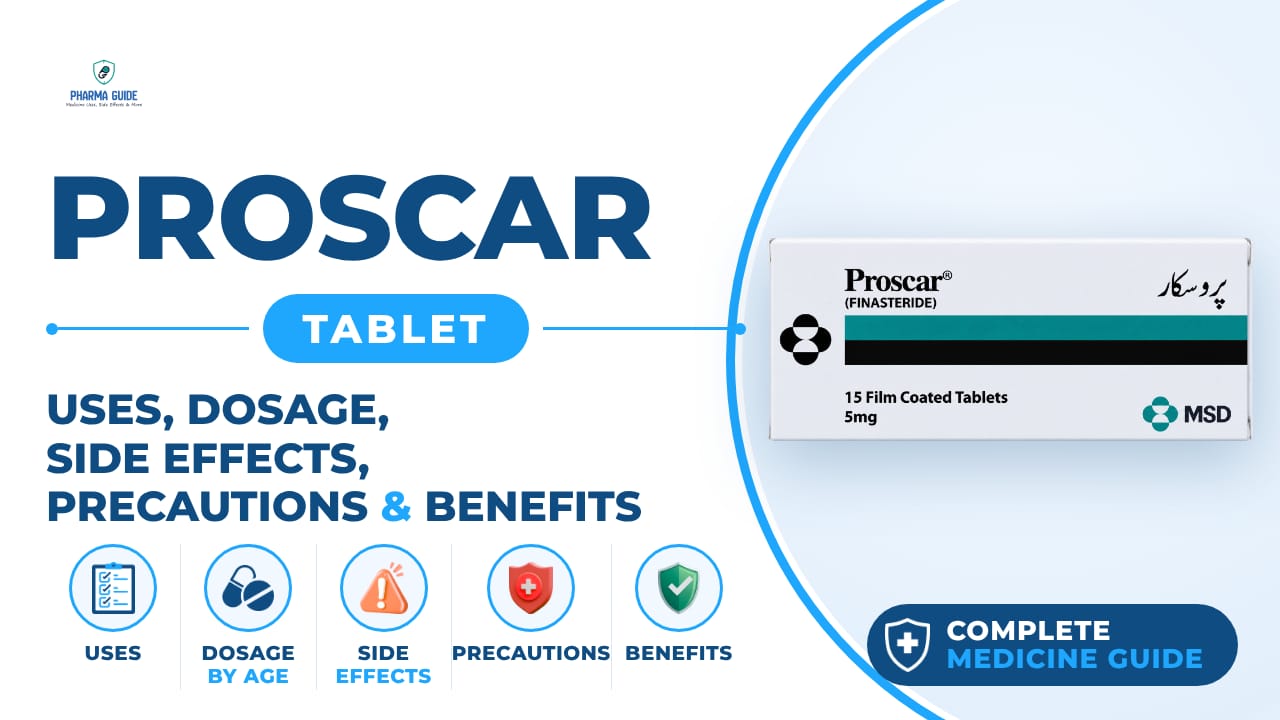
Proscar Tablet: Uses, Dosage, Side Effects, Precautions and Alternates
5-alpha-reductase inhibitors
Proscar Tablet (finasteride) treats enlarged prostate (BPH) in men, improving urine flow and reducing risk of retention or surgery over time.
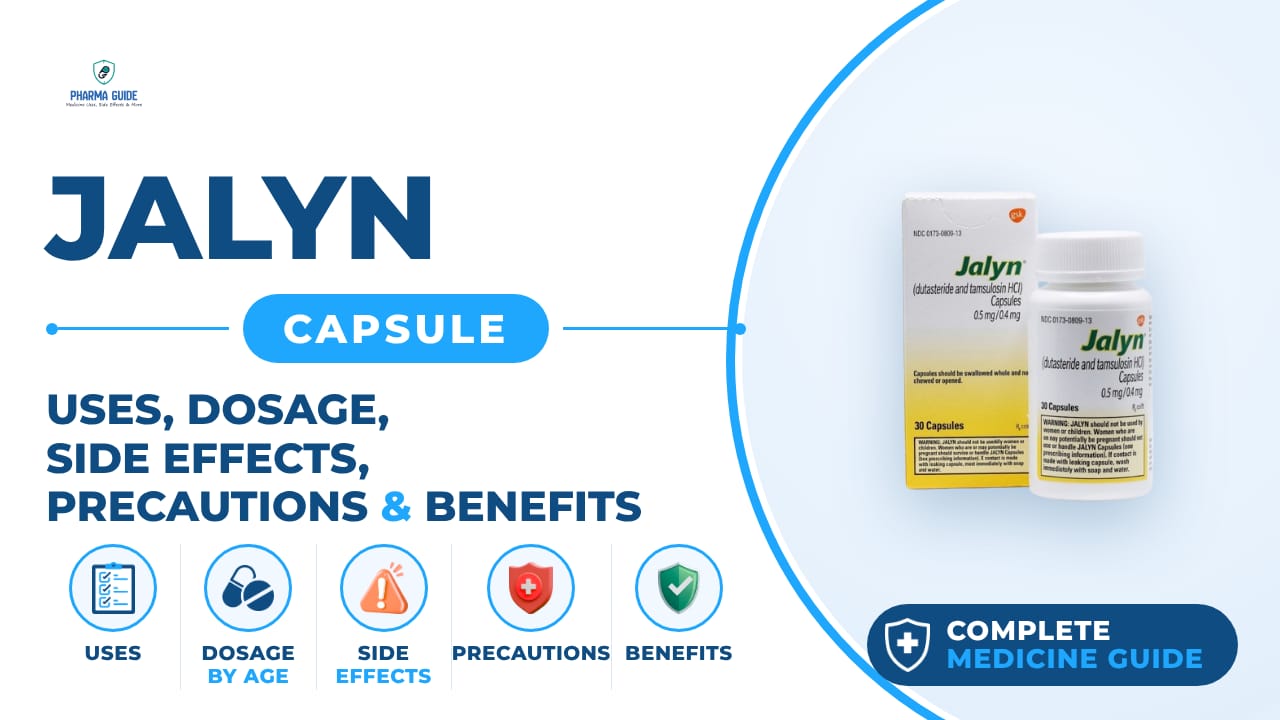
Jalyn Capsule: Uses, Dosage, Side Effects, Precautions and Alternates
5-alpha-reductase inhibitors
Jalyn Capsule combines dutasteride and tamsulosin to treat enlarged prostate (BPH), shrinking the prostate and easing urine flow with once-daily dosing.