
Safety
General information, not medical advice
Your prescriber and the leaflet in your pack know your situation. This page does not.
- Follow your prescriber and the leaflet
- Don't start, stop, or change a dose on your own
- Doses and warnings differ by country and product
Flexura Capsule: Uses, Dosage, Side Effects, Precautions and Alternates
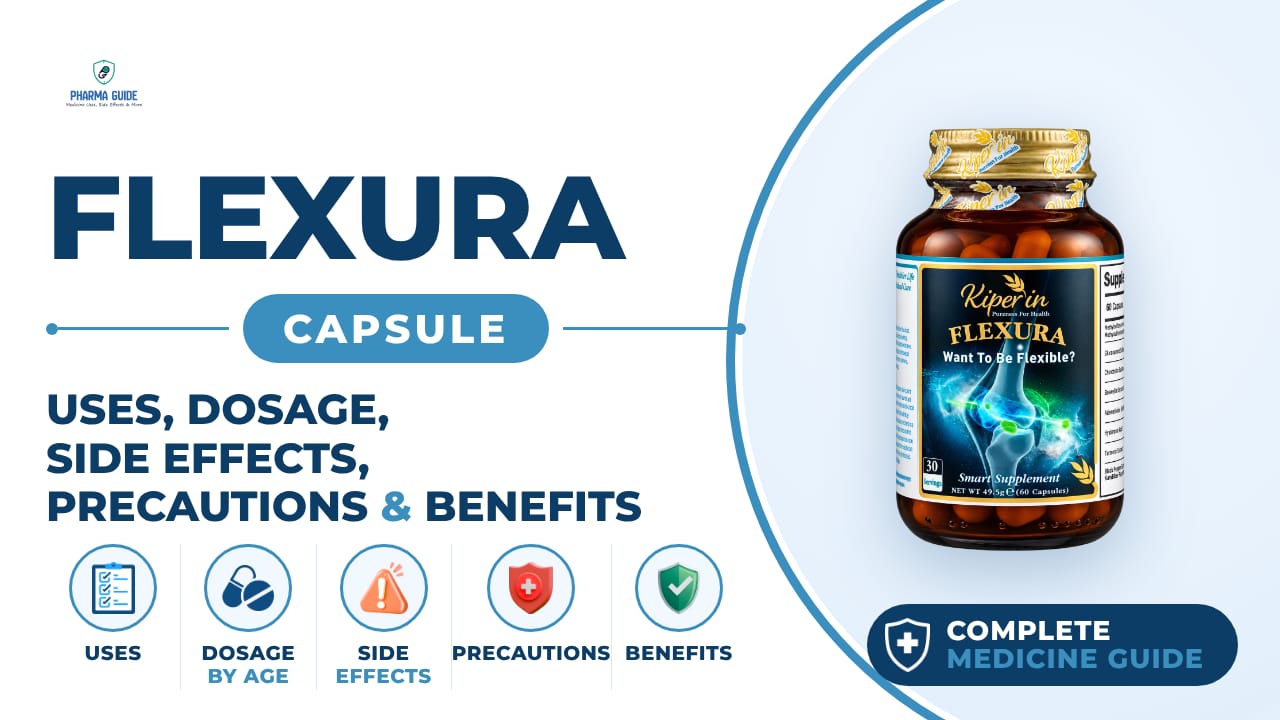
| Generic name | Metaxalone |
|---|---|
| Drug class | Muscle relaxant |
| Forms | Tablet |
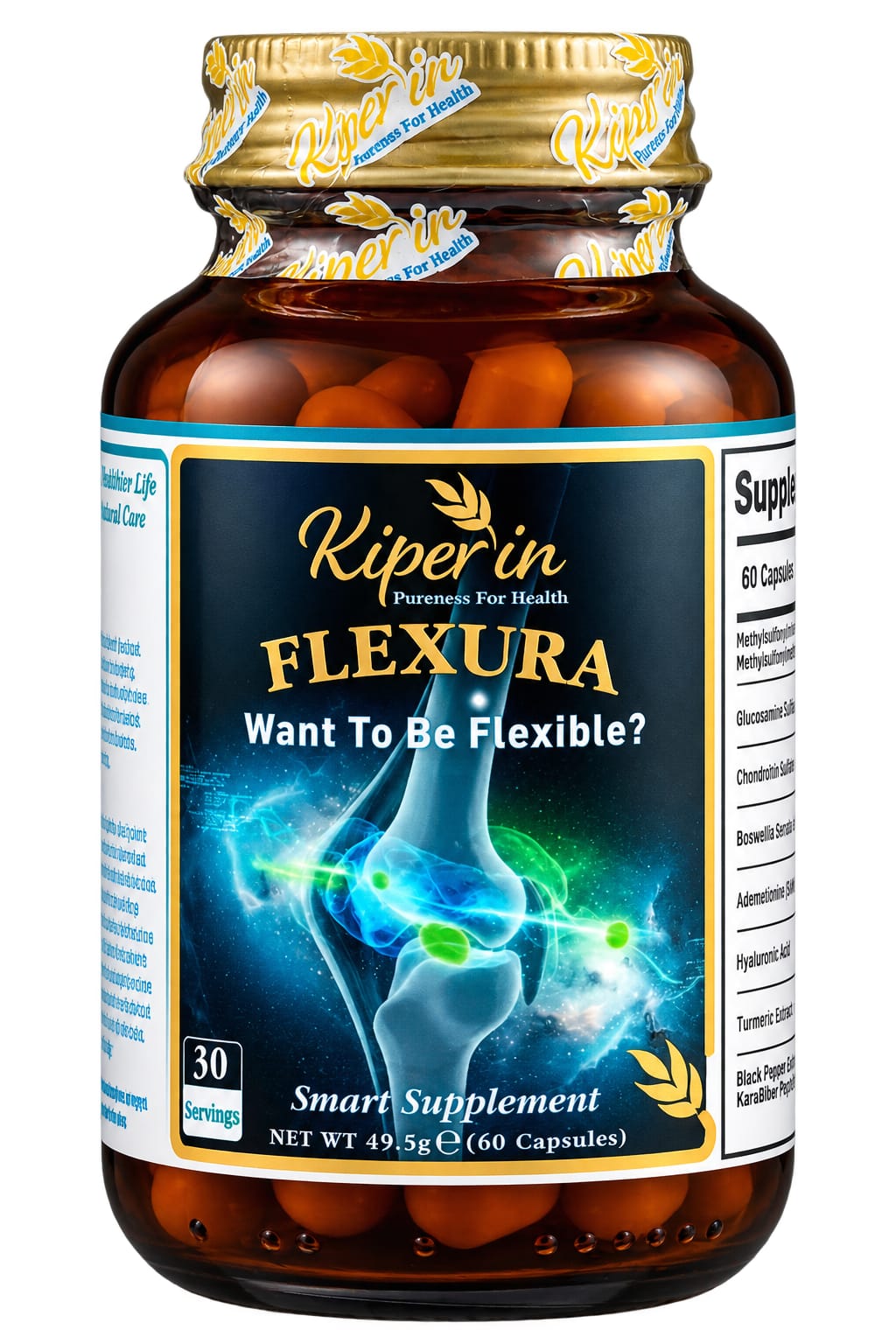
Quick overview
Flexura Capsule contains Metaxalone, a muscle relaxant used to relieve pain and discomfort from sprains or other muscle injuries, often alongside rest and physical therapy. Some versions, called Flexura D, combine metaxalone with diclofenac, a pain and anti-inflammatory medicine. It works by acting on the central nervous system to relax muscles and, in the combination form, also reduces pain and inflammation.
What is Flexura Capsule
Flexura is a medicine used to relieve pain and discomfort from sprains or other muscle injuries. It is often used along with rest and physical therapy. Some versions of this product, called Flexura D, combine metaxalone with diclofenac, a pain and anti-inflammatory medicine.
Flexura Capsule uses
- Relieves muscle pain and discomfort
- Helps with conditions like strains and sprains
- Relieves muscle spasm and stiffness, improving muscle movement
- Used alongside rest and physical therapy
Benefits of Flexura Capsule
- May help manage pain due to muscle spasm
- May help reduce muscle stiffness and tightness
- May support improved movement in musculoskeletal pain conditions
How Flexura Capsule works
Metaxalone works by slowing down activity in the central nervous system to relax muscles. In the combination product Flexura D, diclofenac also reduces the chemical messengers in the body that cause pain and inflammation, while metaxalone acts on the brain and spinal cord to relieve muscle stiffness and spasms.
Flexura Capsule dosage
Take this medicine exactly as prescribed by your doctor, following the recommended timing and duration. Swallow the tablet whole with water; do not crush, chew, or break it. Food instructions can differ between products, so confirm with your doctor or pharmacist whether to take it before or with food. Avoid driving or operating machinery if you feel drowsy or dizzy after taking it. Do not combine with other painkillers unless your doctor advises it. If you miss a dose, skip it if it is nearly time for your next dose; do not take a double dose to make up for a missed one.
| Age group | Dose |
|---|---|
| Under 16 Years | Not recommended |
| 16–17 Years | Use only under specialist medical supervision |
| Adults (18–64 Years) | 4–8 mg every 12 hours, as prescribed |
| Older Adults (65+ Years) | 4–8 mg every 12 hours, only under medical supervision |
Available forms and strengths
- Tablet
Side effects of Flexura Capsule
Common
- Dizziness and drowsiness
- Stomach pain
- Vomiting
- Diarrhea
- Headache
- Nervousness
- Loss of appetite
- Nausea
- Upset stomach
- Vertigo (spinning sensation)
- Indigestion or heartburn
- Flatulence (wind)
- Skin rash or spots
- Itching
- Cough
Serious
- Serotonin syndrome
- Allergic reactions
- Liver issues
- Chest pain
- Shortness of breath
- Black or tarry stools
- Difficult or painful urination
- Bleeding gums
- Vomiting blood
- Sudden weakness on one side of the body
- Swelling of the face, lips, tongue, or throat, or difficulty breathing
- Yellowing of the skin or eyes
- Severe skin rash, blistering, or peeling
- Unusual bleeding, severe dizziness, or fainting
Warnings and precautions
- Do not take this medicine if you are allergic to diclofenac, metaxalone, or any of its ingredients.
- This medicine is not recommended for people with lung diseases such as asthma or breathing difficulties caused by other anti-inflammatory painkillers; it should be used carefully in people with asthma or long-term lung disease.
- Tell your doctor if you have high blood pressure, heart disease, heart failure, a previous heart attack or stroke, or fluid retention, since this medicine may raise heart-related risks.
- This medicine should not be used by people with a history of stomach ulcers, stomach or intestinal bleeding, certain blood vessel diseases such as stroke or poor circulation, or an itchy/runny nose reaction to similar drugs.
- Do not combine this medicine with other anti-inflammatory painkillers like ibuprofen, naproxen, or other diclofenac products unless your doctor tells you to, as this raises the risk of stomach and kidney problems.
- Taking this medicine with certain antidepressants or other drugs that affect serotonin can cause serotonin syndrome, a serious reaction.
- This medicine should be used during pregnancy only if your doctor specifically says it is needed. Talk to your doctor before taking it if you are pregnant or planning a pregnancy.
- Tell your doctor if you are breastfeeding before taking this medicine, so they can decide if it's appropriate or recommend an alternative.
- Tell your doctor if you have kidney disease or reduced kidney function, since this medicine may affect kidney function and needs caution in people with kidney problems.
- Tell your doctor if you have liver disease or abnormal liver function, since this medicine can affect the liver and should be used cautiously in people with liver impairment. Severe liver impairment means this medicine should not be used.
- Avoid alcohol while taking this medicine, since it may increase drowsiness and the risk of stomach irritation or bleeding.
- This medicine may cause dizziness, sleepiness, or reduced alertness. Avoid driving, cycling, or using machinery if you feel this way.
Storage
- Keep out of reach of children
- Store at room temperature
When to see a doctor
Stop taking this medicine and get urgent medical help if you have severe stomach pain, vomit blood, or pass black, tarry stools.
Get urgent help for chest pain, sudden breathlessness, or sudden weakness on one side of the body.
Get urgent help for swelling of the face, lips, tongue, or throat, or difficulty breathing, as this can be a serious allergic reaction.
Get medical help if you notice yellowing of the skin or eyes, which can be a sign of a liver problem.
Get urgent help for severe skin rash, blistering, or peeling.
Get urgent help for unusual bleeding, severe dizziness, or fainting.
Watch for symptoms of serotonin syndrome such as agitation, confusion, fever, sweating, tremor, or muscle rigidity, and seek urgent medical advice if these occur.
If you accidentally take more than prescribed, seek immediate medical advice even if you feel fine, since overdose can cause serious stomach problems or drowsiness.
Alternatives
- Cyclobenzaprine
- Methocarbamol
- Baclofen
- Tizanidine
Watch the video
FAQs
What is Flexura Capsule used for?
Flexura Capsule is used to relieve pain and discomfort from sprains or other muscle injuries, including muscle spasm and stiffness, often alongside rest and physical therapy.
What is the difference between Flexura and Flexura D?
Flexura contains metaxalone alone, while Flexura D combines metaxalone with diclofenac, a pain and anti-inflammatory medicine.
What is the adult dosage of Flexura Capsule?
Adults aged 18–64 years are typically prescribed 4–8 mg every 12 hours, as directed by a doctor.
What are the common side effects of Flexura Capsule?
Common side effects include dizziness, drowsiness, stomach pain, vomiting, diarrhea, headache, nausea, indigestion, and skin rash.
Can I drink alcohol while taking Flexura Capsule?
No, alcohol should be avoided while taking this medicine since it may increase drowsiness and the risk of stomach irritation or bleeding.
General information, not medical advice
Your prescriber and the leaflet in your pack know your situation. This page does not.
- Follow your prescriber and the leaflet
- Don't start, stop, or change a dose on your own
- Doses and warnings differ by country and product
Sources
Video
Related medicines
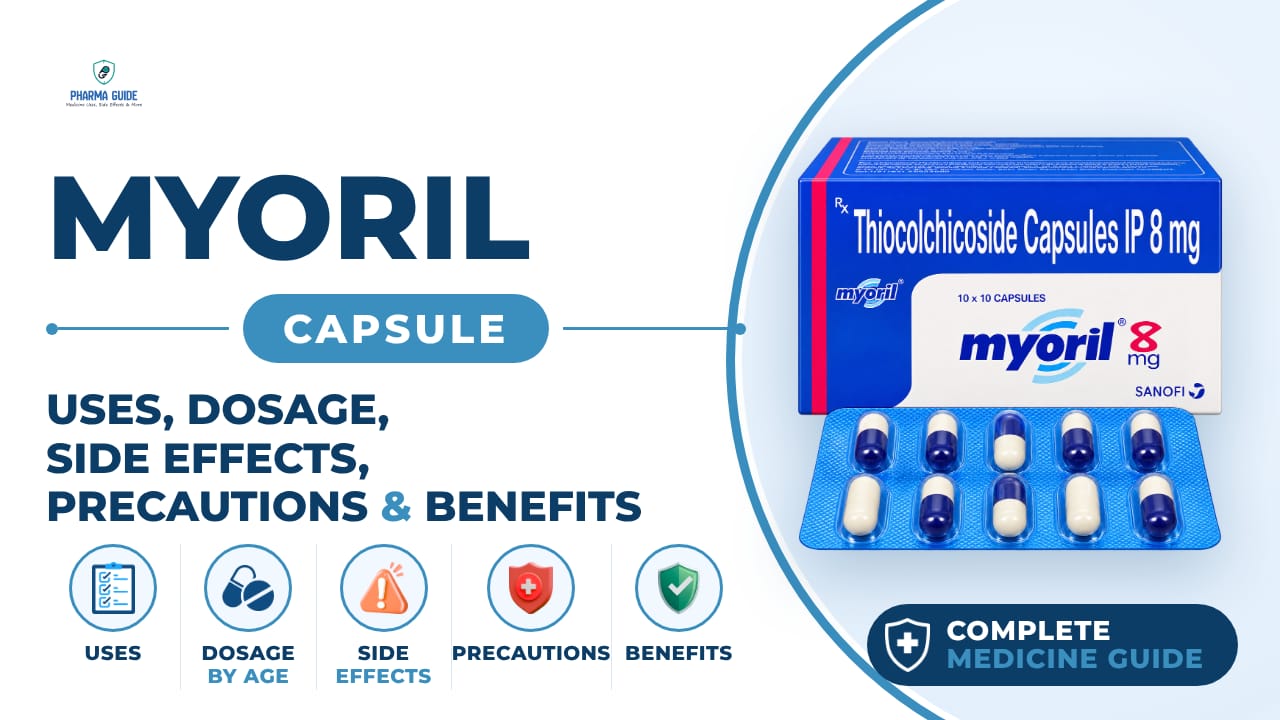
Myoril Capsule: Uses, Dosage, Side Effects, Precautions and Alternates
Muscle relaxant
Myoril Capsule contains thiocolchicoside, a muscle relaxant for muscle pain, spasms, and stiffness. Learn uses, dosage, side effects, and precautions.
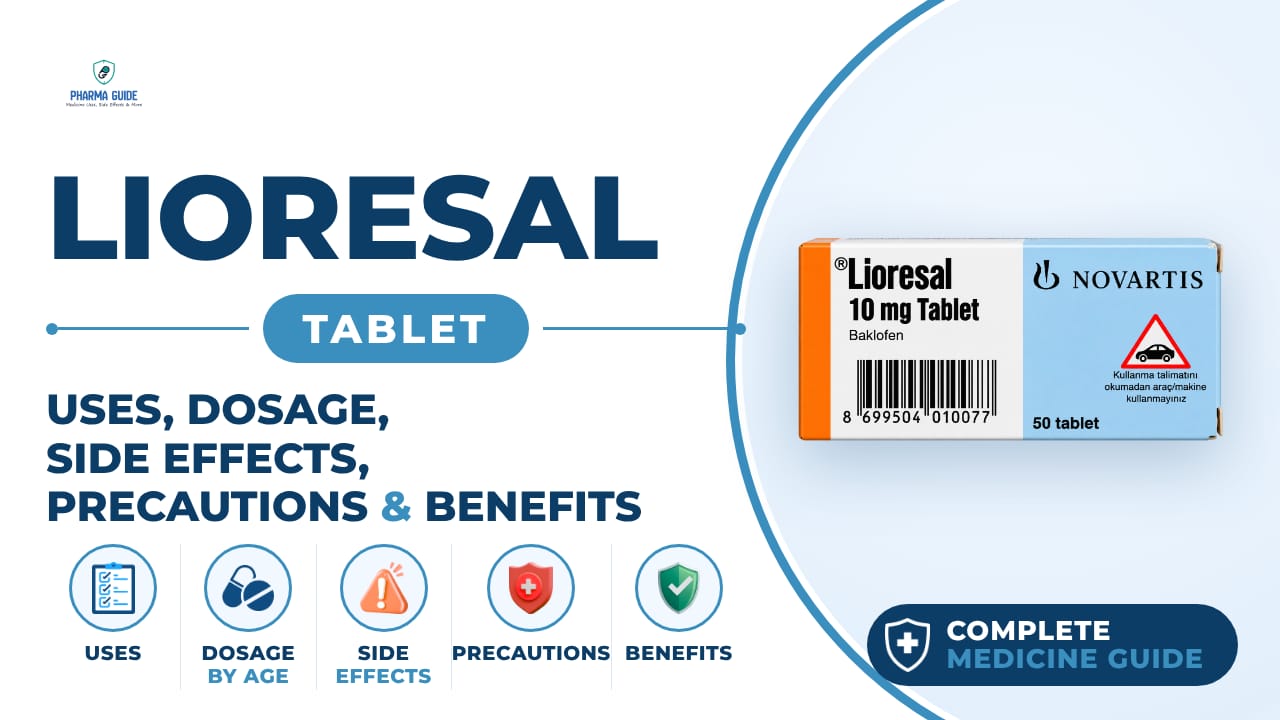
Lioresal Tablet: Uses, Dosage, Side Effects, Precautions and Alternates
Muscle relaxant
Lioresal Tablet (baclofen) relieves muscle stiffness and spasms from MS, spinal cord injury and more. Learn uses, dosage, side effects and precautions.