
Safety
General information, not medical advice
Your prescriber and the leaflet in your pack know your situation. This page does not.
- Follow your prescriber and the leaflet
- Don't start, stop, or change a dose on your own
- Doses and warnings differ by country and product
Lioresal Tablet: Uses, Dosage, Side Effects, Precautions and Alternates
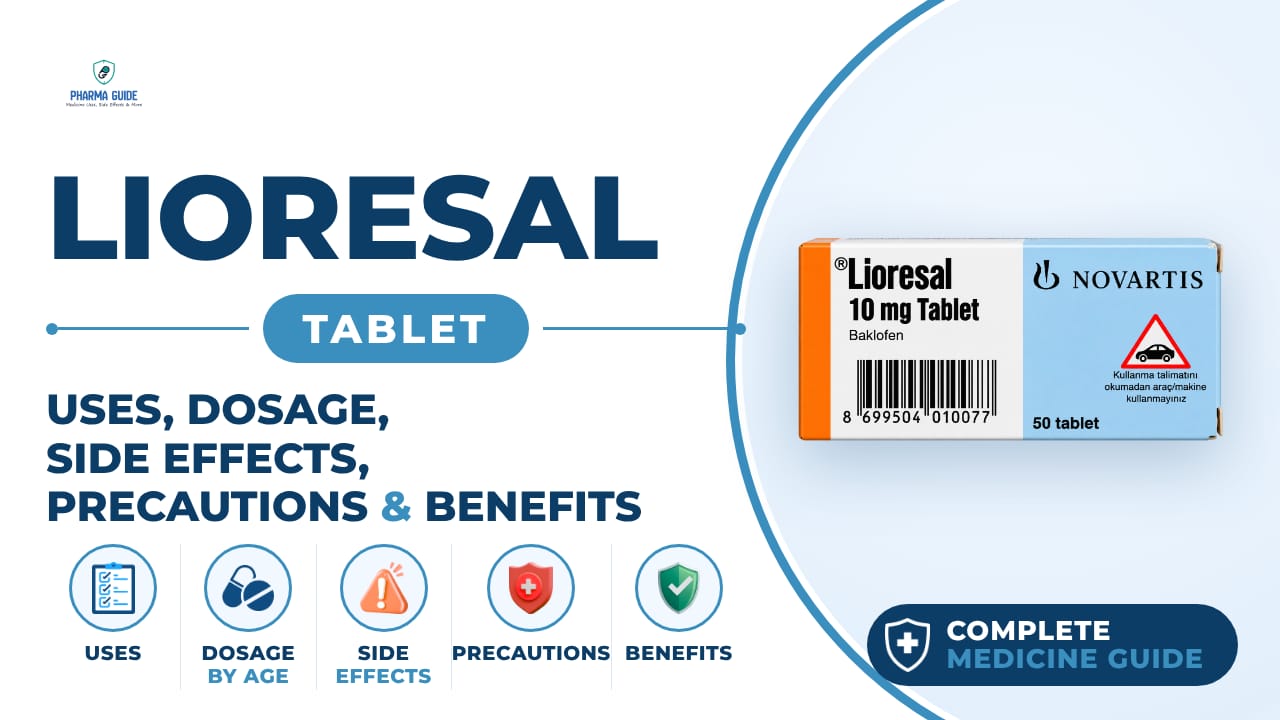
| Generic name | Baclofen |
|---|---|
| Drug class | Muscle relaxant |
| Forms | Tablet, Liquid |
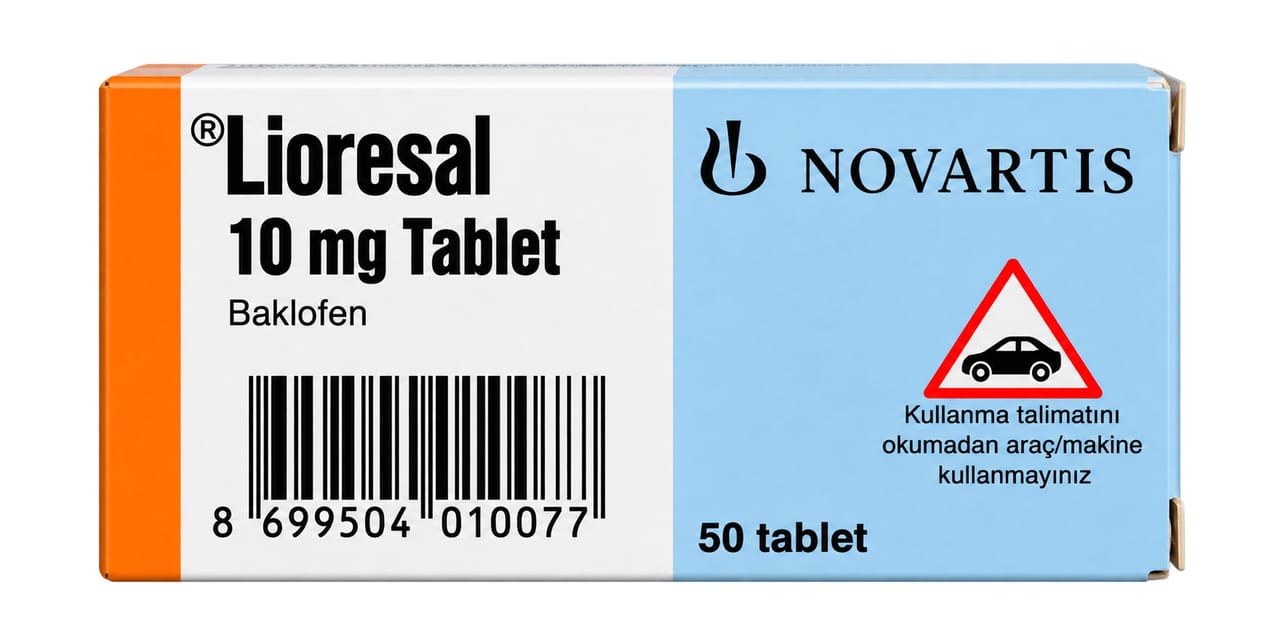
Quick overview
Lioresal Tablet contains the active ingredient baclofen, a muscle relaxant. It is used to reduce muscle stiffness and spasms that occur in conditions such as multiple sclerosis and diseases or injuries of the spinal cord. It works by blocking the release of certain chemical signals in the brain and spinal cord, helping to relieve pain and improve muscle movement. It is available as a tablet and as a liquid.
What is Lioresal Tablet
Lioresal is a muscle relaxant medicine containing the active ingredient baclofen. It is used to reduce muscle stiffness and spasms that happen in conditions such as multiple sclerosis and diseases or injuries of the spinal cord.
Lioresal Tablet uses
- Reduces stiffness or spasms in muscles to help you move more easily and manage daily activities
- Treats spasticity (muscle stiffness or tightening) caused by conditions affecting the brain and spinal cord, such as multiple sclerosis, spinal cord injury or disease
- Manages spasms caused by cerebral palsy and stroke
- Eases painful muscle cramps and spasms
Benefits of Lioresal Tablet
- Muscle Spasm Relief: Helps reduce painful muscle spasms
- Spasticity Control: Helps reduce muscle stiffness and abnormal muscle tightness
- Movement Support: May improve mobility affected by muscle spasticity
- Neurological Condition Support: Used for spasticity associated with certain neurological disorders
- Muscle Relaxation: Helps reduce excessive muscle activity
How Lioresal Tablet works
Lioresal works by blocking the release of certain chemical signals in the brain and spinal cord, which helps relieve pain and improve muscle movement.
Lioresal Tablet dosage
Swallow the tablets during meals with a glass of water or other liquid. For the lower-strength tablets, the score line on the tablet can be used to split it into equal doses. For the higher-strength tablets, the score line is only meant to help with swallowing and does not divide the tablet into equal doses.
Take it at the same time every day to keep a steady level of medicine in your body. Treatment is usually started in hospital with a small amount, which is then slowly increased to the amount that works best for you. People under 16 or over 65, or those with kidney disease, may be started on a lower amount that is increased slowly.
Follow your doctor's instructions and keep taking it until your doctor tells you to stop. Do not stop taking this medicine suddenly unless your doctor tells you to, as this can cause withdrawal symptoms.
If you forget a dose, skip it if it's almost time for the next one; otherwise take it as soon as you remember, then continue as normal. Do not take a double dose to make up for a missed one.
| Age group | Dose |
|---|---|
| Under 8 Years | Use only if prescribed by a healthcare professional |
| 8–17 Years | 5 mg 3 times daily initially, gradually adjusted according to response |
| Adults (18–64 Years) | 5 mg 3 times daily initially, gradually increased; usual maximum 80 mg/day |
| Older Adults (65+ Years) | 5 mg 1–3 times daily initially, adjusted carefully according to response |
Available forms and strengths
- Tablet
- Liquid
Side effects of Lioresal Tablet
Common
- Daytime sleepiness or drowsiness
- Lack of energy, tiredness
- Dizziness or light-headedness
- Spinning sensation (vertigo)
- Mental confusion
- Headache
- Difficulty sleeping or nightmares
- Change in sense of taste
- Blurred or double vision
- Ringing in the ears
- Stuffy or blocked nose
- Dry mouth
- Nausea, retching or vomiting
- Constipation, stomach cramps or diarrhoea
- Loss of appetite
- Numbness or tingling in hands and feet
- Muscle weakness, spasms or pain
- Problems with coordination and balance
- Difficulty speaking
- Swelling of ankles due to fluid build-up
- Frequent urination or bed wetting
- Excessive sweating
- Weight gain
- Impotence or not able to ejaculate
- Increased blood sugar
- Feeling cold
- Hair loss
- Skin rash
Serious
- Signs of allergy such as rash, itching or hives; swelling of the face, lips, tongue or other body parts; shortness of breath or wheezing
- Uncontrollable muscle spasms affecting the eyes, head, neck or body
- Slow or difficult breathing
- Irregular heartbeat (fast or slow)
- Chest pain
- Fainting or seizures (fits)
- Depression or other severe mood, behavioural or mental changes
- Hallucinations (hearing or seeing things that are not there)
- Thoughts of suicide
- Anxiety, confusion, paranoia and other mental problems after suddenly stopping the medicine
- Feeling more tired than normal, decreased awareness with uncontrolled muscle jerks
- Being unable to urinate or pain when urinating; blood in the urine
Warnings and precautions
- Do not stop taking this medicine suddenly unless your doctor tells you to. Stopping suddenly can make your condition worse and cause nervousness, confusion, hallucinations, abnormal thinking or behaviour, convulsions, uncontrollable twitching or jerking, fast heartbeat, high body temperature, muscle pain, fever, and dark urine.
- Do not use this medicine for any other problem unless your doctor tells you to, and do not give it to anyone else even if they have the same condition.
- Use with caution if you have had a stroke, as it may worsen your condition. Use with caution if you have stomach or intestinal problems such as an obstruction or gastric ulcers, as it may worsen your condition. Not recommended for children under 12 years old, as safety and effectiveness have not been established for this age group.
- Check with your doctor if you are pregnant or planning to become pregnant. This medicine is not recommended during pregnancy unless absolutely necessary.
- Talk to your doctor if you are breastfeeding or planning to breastfeed, as small amounts of the medicine may pass into breast milk.
- Use with caution if you have kidney problems, since a diseased kidney may not filter the medicine properly, which can cause it to build up in the body and increase side effect risk. Your doctor may need to adjust your dose.
- Use with caution if you have liver problems, as it may worsen your condition.
- Tell your doctor if you drink alcohol. Alcohol can make you feel more sleepy when taking this medicine and increases the risk of dizziness and difficulty concentrating.
- Be careful before driving or using machines or tools until you know how this medicine affects you, as it can cause sleepiness, dizziness, blurred vision and decreased alertness, especially when you start taking it.
Storage
- Keep your tablets in the original container until it is time to take them
- Store it in a cool dry place away from moisture, heat or sunlight; for example, do not store it in the bathroom or near a sink, or in the car or on window sills
- Keep it where young children cannot reach it
- If your doctor tells you to stop taking it or the expiry date has passed, ask your pharmacist what to do with any leftover tablets
- If you no longer need the medicine or it is out of date, take it to any pharmacy for safe disposal
- Do not use this medicine after the expiry date
When to see a doctor
- Call your doctor straight away if you become pregnant or think you might be pregnant
- Call your doctor straight away if you have increased sleepiness, new onset of drowsiness, confusion, or muscle jerks, as these may be signs of a brain condition called encephalopathy
- Call your doctor straight away or go to a hospital if you have thoughts of harming or killing yourself
- Go straight to the Emergency Department at your nearest hospital if you notice serious side effects such as allergic reactions, uncontrollable muscle spasms, slow or difficult breathing, irregular heartbeat, chest pain, fainting or seizures, hallucinations, or being unable to urinate
- If you think you have taken too much, you may need urgent medical attention right away, even if you feel fine, so contact your doctor or go to the Emergency Department at your nearest hospital
Alternatives
- Tizanidine
- Thiocolchicoside
- Methocarbamol
Watch the video
FAQs
What is Lioresal Tablet used for?
Lioresal Tablet is used to reduce muscle stiffness and spasms caused by conditions such as multiple sclerosis, spinal cord diseases or injuries, cerebral palsy and stroke, and to ease painful muscle cramps and spasms.
How does Lioresal Tablet work?
It works by blocking the release of certain chemical signals in the brain and spinal cord, which helps relieve pain and improve muscle movement.
How should I take Lioresal Tablet?
Swallow the tablets during meals with a glass of water or other liquid, at the same time every day. Treatment is usually started with a small amount that is slowly increased to the amount that works best for you, as directed by your doctor.
What are the common side effects of Lioresal Tablet?
Common side effects include daytime sleepiness, tiredness, dizziness, vertigo, confusion, headache, sleep problems, blurred vision, dry mouth, nausea, constipation or diarrhoea, muscle weakness, coordination problems, and weight gain, among others.
Can I stop taking Lioresal Tablet suddenly?
No, you should not stop taking this medicine suddenly unless your doctor tells you to, as this can cause withdrawal symptoms such as nervousness, confusion, hallucinations, convulsions, fast heartbeat and high body temperature.
General information, not medical advice
Your prescriber and the leaflet in your pack know your situation. This page does not.
- Follow your prescriber and the leaflet
- Don't start, stop, or change a dose on your own
- Doses and warnings differ by country and product
Sources
- Lioresal Consumer Medicine Information, Novartis Pharmaceuticals Australia, prepared June 2025
- Australian Commission on Safety and Quality in Health Care - Medicine Finder: Lioresal Tablets
- Practo Medicine Info: Lioresal 10 MG Tablet
Video
Related medicines
Myoril Capsule: Uses, Dosage, Side Effects, Precautions and Alternates
Muscle relaxant
Myoril Capsule contains thiocolchicoside, a muscle relaxant for muscle pain, spasms, and stiffness. Learn uses, dosage, side effects, and precautions.

Flexura Capsule: Uses, Dosage, Side Effects, Precautions and Alternates
Muscle relaxant
Flexura Capsule (Metaxalone) relieves muscle pain, spasms, and stiffness from sprains or injuries. Learn uses, dosage, side effects, and precautions.