
Safety
General information, not medical advice
Your prescriber and the leaflet in your pack know your situation. This page does not.
- Follow your prescriber and the leaflet
- Don't start, stop, or change a dose on your own
- Doses and warnings differ by country and product
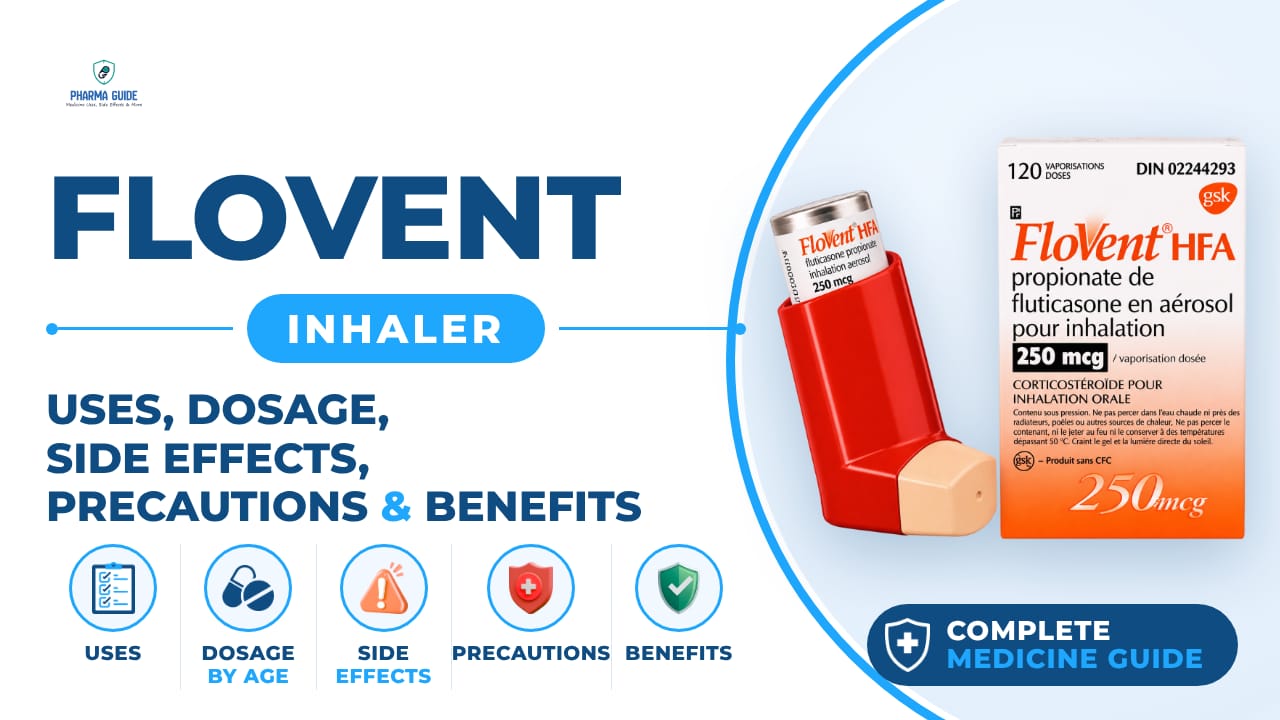
Flovent Inhaler: Uses, Dosage, Side Effects, Precautions and Alternates
| Generic name | Fluticasone propionate |
|---|---|
| Drug class | Inhaled corticosteroid |
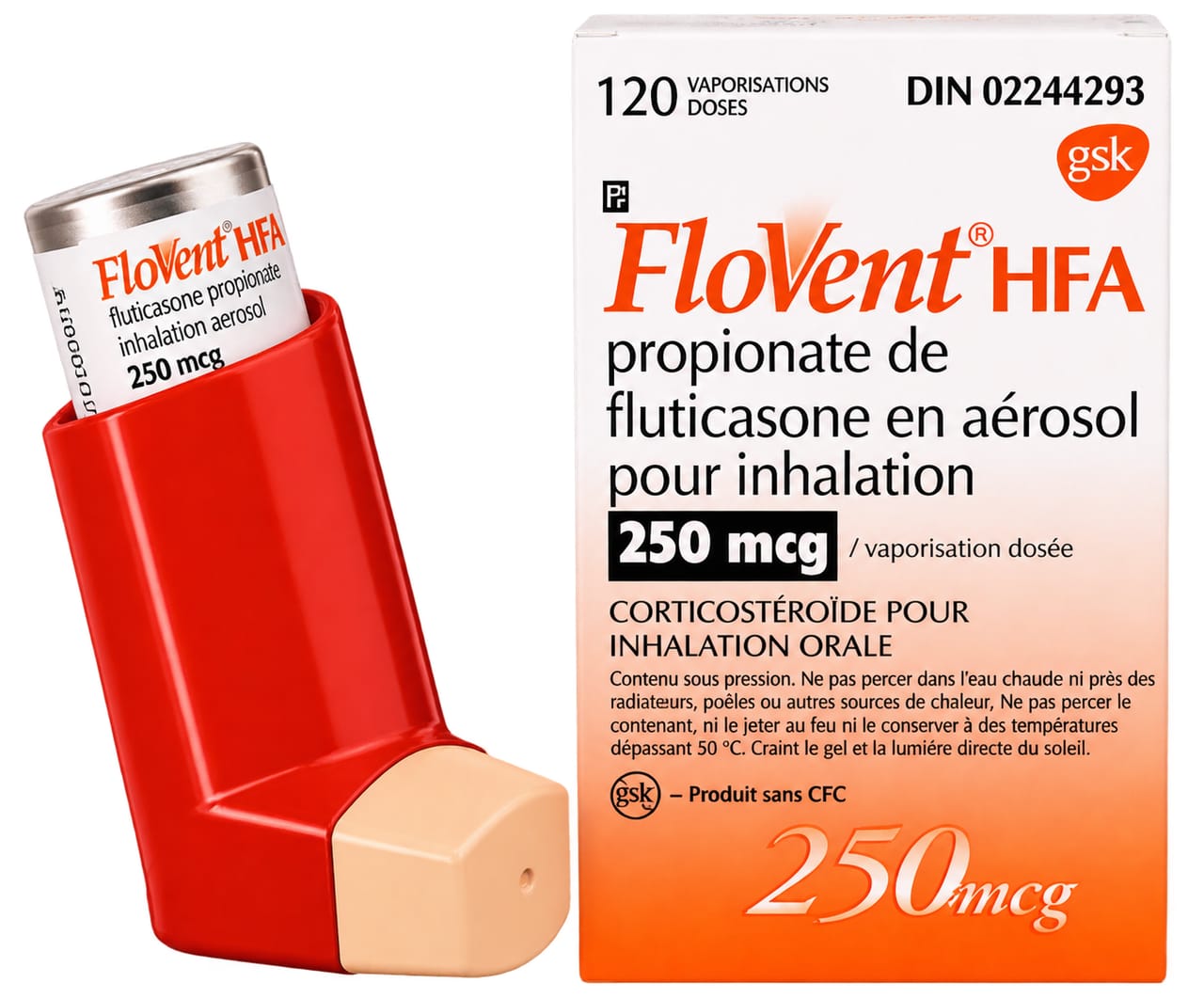
| Forms | Inhalation aerosol (HFA metered-dose inhaler) — 44 mcg, 110 mcg, and 220 mcg per actuation, Inhalation powder (Diskus, preloaded blister packs) — 50 mcg, 100 mcg, and 250 mcg per actuation |
Quick overview
Flovent Inhaler (fluticasone propionate) is an inhaled corticosteroid used for the maintenance treatment of asthma in adults and children aged 4 years and older. It works by reducing inflammation in the lungs to help prevent asthma attacks before they start. It is not a rescue medicine and will not stop an asthma attack that has already begun. It is available as an HFA aerosol inhaler and as a Diskus powder inhaler in several strengths.
What is Flovent Inhaler
Flovent is a corticosteroid inhaler that lowers inflammation (swelling) in the lungs. It is used to prevent asthma attacks before they start, not to treat one that has already begun.
Flovent Inhaler uses
- Maintenance treatment of asthma in adults and children aged 4 years and older
- Sometimes used together with oral steroid medicine for asthma
- Not indicated for relief of a sudden asthma attack or acute bronchospasm
Benefits of Flovent Inhaler
- Helps keep lung inflammation low and airways open
- Lowers the number and severity of asthma attacks when used every day
- May allow some patients to reduce or stop oral steroid medicine over time
How Flovent Inhaler works
Flovent contains a steroid medicine that acts like the body's natural hormone cortisol. When breathed in, it works directly in the lungs to reduce swelling and calm the immune cells that cause inflammation, which helps keep airways open and prevents asthma attacks.
Flovent Inhaler dosage
Use exactly as prescribed and do not use more or less than directed. This is not a rescue medicine — it will not work fast enough to stop an asthma attack already in progress; use a fast-acting inhaler for sudden symptoms. It is typically used twice a day, about 12 hours apart, at the same times each day.
Shake the HFA inhaler well before each use. If two inhalations are prescribed, wait about 30 seconds to a minute between them; if using other inhalers too, use this steroid inhaler last and wait at least a minute between medicines. After inhaling, hold your breath for about 10 seconds or as long as comfortable to let the medicine reach deep into the lungs.
Rinse your mouth with water and spit it out (do not swallow) after each use to help prevent mouth yeast infections and reduce risk of cavities or tooth discoloration. Prime a new HFA inhaler, or one not used in more than 7 days or dropped, before use by shaking and spraying into the air away from the face.
The Diskus powder device should not be used with a spacer, and should not be washed or taken apart. Do not let a young child use this medicine without adult help. Do not stop using this medicine suddenly, and do not change the dose without talking to your doctor first. If you were switched from an oral steroid to this inhaler, do not stop the oral steroid suddenly; follow your doctor's tapering instructions.
| Age group | Dose |
|---|---|
| Under 4 Years | Use only if prescribed by a doctor |
| 4–11 Years | 50–100 mcg twice daily (as prescribed) |
| 12 Years and Above | 100–250 mcg twice daily (adjusted based on asthma severity) |
| Adults | 100–500 mcg twice daily (maximum dose depends on product strength) |
| Older Adults (65+ years) | Individualized dose based on health condition and response |
Available forms and strengths
- Inhalation aerosol (HFA metered-dose inhaler) — 44 mcg, 110 mcg, and 220 mcg per actuation
- Inhalation powder (Diskus, preloaded blister packs) — 50 mcg, 100 mcg, and 250 mcg per actuation
Side effects of Flovent Inhaler
Common
- Stuffy or runny nose, sneezing, sore throat, sinus pain/infection
- Cough, wheezing, chest tightness, bronchitis
- Hoarseness or deepened voice, throat irritation, difficulty speaking
- White patches or sores inside the mouth or on the lips (thrush)
- Headache
- Nausea, vomiting, upset stomach
- Fever, chills, muscle pain
Serious
- Signs of a serious allergic reaction: hives, difficulty breathing, swelling of the face, lips, tongue, or throat
- Weakness, tiredness, nausea, vomiting, feeling like you might pass out (possible low adrenal function)
- Sudden severe wheezing, choking, or other breathing problems right after using the inhaler
- Blurred vision, tunnel vision, eye pain, or seeing halos around lights
- Worsening asthma symptoms
- Blood vessel inflammation: fever, cough, stomach pain, weight loss, skin rash, severe tingling, numbness, chest pain
- Liver problems: upper stomach pain, loss of appetite, dark urine, clay-colored stools, yellowing of skin or eyes
- Signs of too much or too little stress hormone (cortisol): weight gain around the belly, puffy face, muscle weakness, easy bruising, stretch marks, mood changes, irregular periods
- Bone thinning (osteoporosis) with long-term use
- Slowed growth in children
- Eye problems including glaucoma, increased eye pressure, or cataracts with long-term use
Warnings and precautions
This medicine is not a rescue inhaler and will not stop an asthma attack that has already started. Always keep a fast-acting rescue inhaler with you and seek medical help if your breathing gets worse quickly or your usual asthma medicines stop working well.
Do not use the Diskus powder form if you are allergic to milk proteins, since it contains lactose.
Switching from an oral steroid to this inhaler can be risky — deaths from adrenal insufficiency have occurred during and after this kind of switch. People on high oral steroid doses may be especially at risk, and may need to carry a medical alert card in case they need extra steroid during stress, illness, or surgery.
Being on this medicine can make infections worse or more likely, and being around people with chickenpox or measles can be dangerous, especially for those who haven't had these illnesses. Contact a doctor right away if exposed.
Long-term use of this steroid inhaler may reduce bone density and increase fracture risk, especially in people who smoke, don't exercise, or don't get enough calcium or vitamin D.
Sudden wheezing or trouble breathing can rarely happen right after using this inhaler. If this happens, use your rescue inhaler and get medical help right away.
This medicine can slow growth in children and teens who use it long-term. Growth should be checked regularly by a doctor.
Long-term use can raise the risk of glaucoma, increased eye pressure, and cataracts. Regular eye exams are recommended.
Tell your doctor if you are pregnant. It isn't known for sure whether this medicine could harm an unborn baby, but poorly controlled asthma during pregnancy carries its own risks, so treatment is usually still recommended. Talk with your doctor about the risks and benefits.
It isn't known if this medicine passes into breast milk, so ask your doctor before breastfeeding while using this inhaler.
Use regularly as prescribed; it is not intended for immediate relief of sudden asthma attacks. Rinse your mouth with water after each use to help prevent oral thrush.
Tell your doctor if you have liver disease, since the liver breaks down this medicine and liver problems could cause the drug to build up in your body more than expected.
Use with caution if you have glaucoma, cataracts, osteoporosis, or immune system problems. Do not stop using Flovent suddenly without medical advice.
Avoid exposure to infections when possible, as corticosteroids may reduce immune response. Seek medical advice if asthma symptoms worsen or your breathing becomes difficult despite regular use.
Storage
- Store at room temperature away from moisture, light, and extreme heat or cold
- Store the powder form (Diskus) in the unopened foil pouch until ready to use
- Throw away unused Diskus medicine 6 weeks (50-mcg strength) or 2 months (100- and 250-mcg strengths) after opening the foil pouch, or when the counter shows "0", whichever comes first
- The Diskus inhaler is not reusable; do not attempt to take it apart
- Store the HFA canister with the mouthpiece down
- Keep the HFA canister away from open flame or high heat, such as in a hot car; the canister may explode if it gets too hot
- Do not puncture or burn an empty inhaler canister
- Discard the HFA inhaler when the dose counter reads 000
- Do not flush medications down the toilet or pour them into a drain unless instructed; dispose of properly when expired or no longer needed
When to see a doctor
- Get emergency help right away for signs of a severe allergic reaction: hives, swelling of the face, lips, tongue or throat, or trouble breathing
- Call your doctor right away if you have weakness, tiredness, nausea, vomiting, or feel like you might pass out — these could be signs of low adrenal (stress hormone) function
- Get medical help immediately if you have sudden severe wheezing or trouble breathing after using the inhaler — use your rescue inhaler first
- Contact your doctor if you notice vision changes such as blurred or tunnel vision, eye pain, or seeing halos around lights
- Seek care for signs of liver problems: upper stomach pain, loss of appetite, dark urine, pale stools, or yellowing of the skin or eyes
- Call your doctor if your asthma symptoms don't improve after 2 weeks of treatment, if they get worse, or if your peak flow meter readings are lower than normal
- Get medical attention right away if you notice signs of blood vessel inflammation such as fever, cough, stomach pain, weight loss, skin rash, severe tingling or numbness, or chest pain
Alternatives
- Pulmicort
- Asmanex
- Mometasone
Watch the video
FAQs
Is Flovent a rescue inhaler for asthma attacks?
No, Flovent is not a rescue medicine. It is used for maintenance treatment to prevent asthma attacks and will not stop an attack already in progress; a fast-acting rescue inhaler should be used for sudden symptoms.
How often should Flovent Inhaler be used?
Flovent is typically used twice a day, about 12 hours apart, at the same times each day, exactly as prescribed by your doctor.
Why should I rinse my mouth after using Flovent Inhaler?
Rinsing your mouth with water and spitting it out after each use helps prevent mouth yeast infections (thrush) and reduces the risk of cavities or tooth discoloration.
Can children use Flovent Inhaler?
Flovent is approved for maintenance treatment of asthma in children aged 4 years and older, with dosing based on age and severity; use in children under 4 should only occur if prescribed by a doctor.
What are the serious side effects of Flovent Inhaler?
Serious side effects include signs of allergic reaction, low adrenal function symptoms, sudden severe wheezing after inhaler use, vision problems, liver problems, bone thinning, slowed growth in children, and increased risk of eye problems like glaucoma or cataracts with long-term use.
General information, not medical advice
Your prescriber and the leaflet in your pack know your situation. This page does not.
- Follow your prescriber and the leaflet
- Don't start, stop, or change a dose on your own
- Doses and warnings differ by country and product
Sources
Video
Related medicines
Qvar Inhaler: Uses, Dosage, Side Effects, Precautions and Alternates
Inhaled corticosteroid
Qvar Inhaler (beclometasone) is a daily preventer for asthma that reduces airway inflammation. Learn about dosage, side effects, and warnings.

Injectafer Injection: Uses, Dosage, Side Effects, Precautions and Alternates
Iron products
Injectafer (ferric carboxymaltose) treats iron deficiency anemia and heart failure-related iron deficiency via IV. Learn uses, dosage, side effects, and