
Safety
General information, not medical advice
Your prescriber and the leaflet in your pack know your situation. This page does not.
- Follow your prescriber and the leaflet
- Don't start, stop, or change a dose on your own
- Doses and warnings differ by country and product
Fluoxetine Capsule: Uses, Dosage, Side Effects, Precautions and Alternates
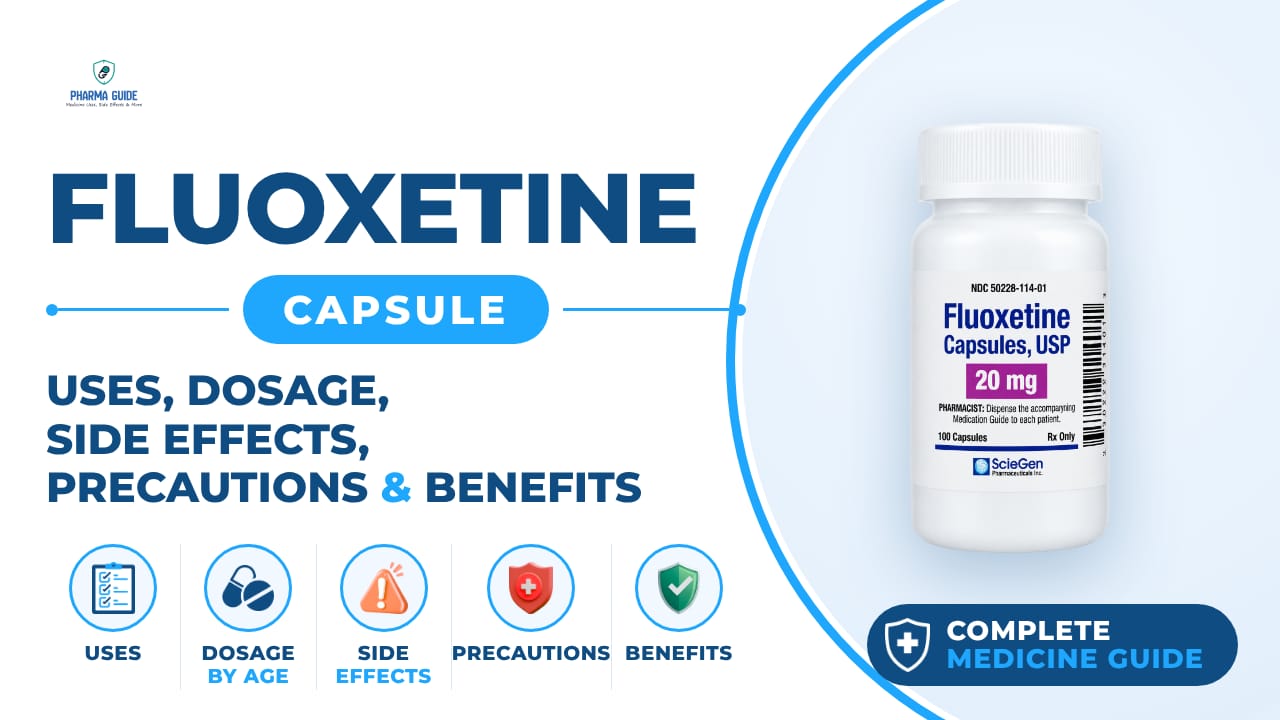
| Generic name | Fluoxetine |
|---|---|
| Drug class | Selective serotonin reuptake inhibitor (SSRI) |
| Forms | Capsules, Delayed-release capsules, Tablets, Oral solution (liquid) |
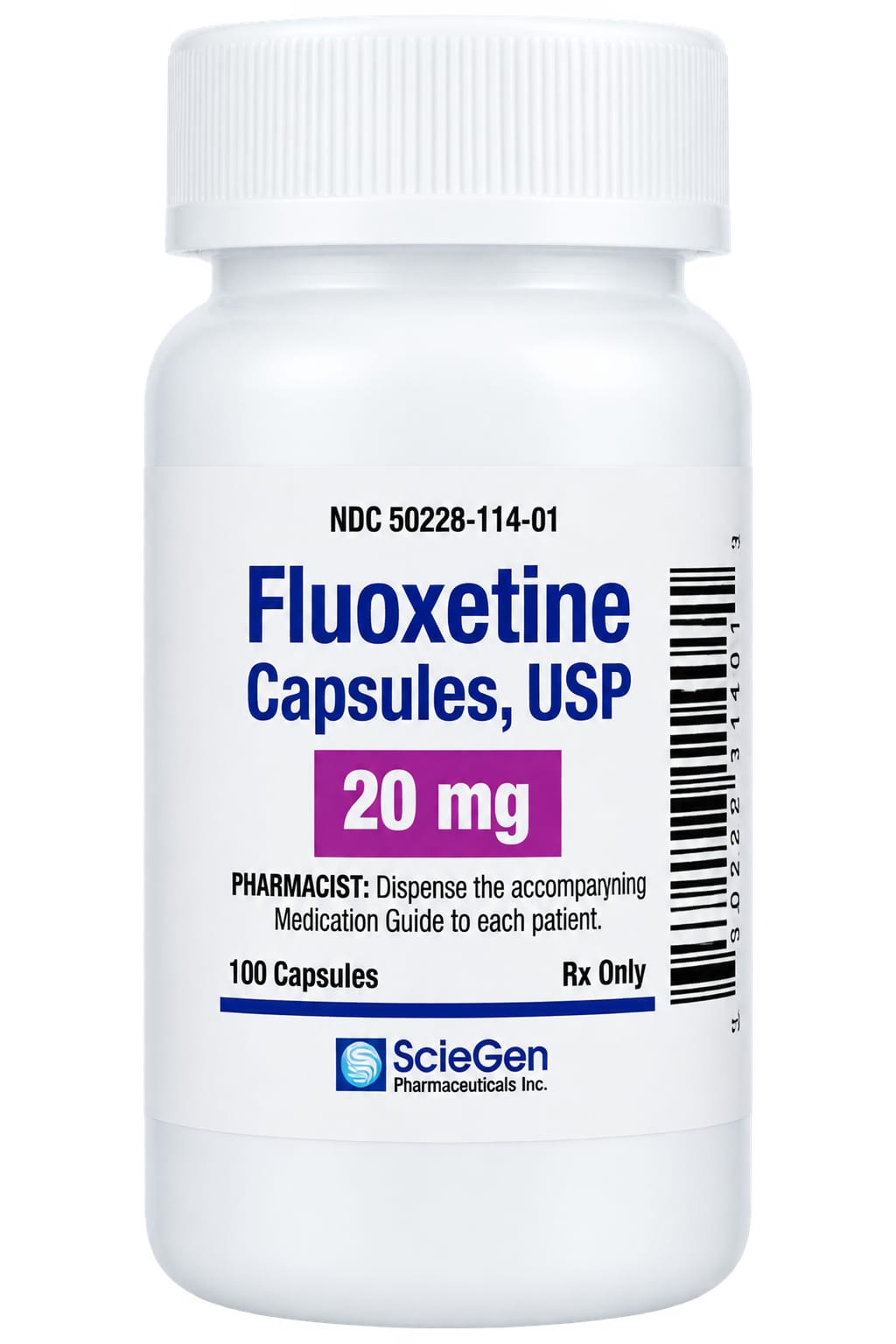
Quick overview
Fluoxetine Capsule, known generically as Fluoxetine, is a prescription antidepressant belonging to the SSRI class. It is used to treat conditions such as major depressive disorder, obsessive-compulsive disorder, bulimia nervosa, panic disorder, and certain bipolar-related conditions. It works by increasing the amount of active serotonin in the brain, which helps regulate mood, emotions, and sleep. It is available in several forms and should always be taken exactly as prescribed.
What is Fluoxetine Capsule
Fluoxetine is a prescription antidepressant. It belongs to a group of medicines called SSRIs, which are commonly prescribed and generally well-tolerated for treating depression and related conditions.
Fluoxetine Capsule uses
- Major depressive disorder (MDD) in adults and children aged 8 and older
- Obsessive-compulsive disorder (OCD) in adults and children aged 7 and older
- Bulimia nervosa (binge-eating and purging) in adults
- Panic disorder in adults
- Depressive episodes associated with Bipolar I disorder, when used together with olanzapine, in adults and children aged 10 and older
- Treatment-resistant depression, when used together with olanzapine, in adults who have not responded to at least two other antidepressant trials
- Premenstrual dysphoric disorder
Benefits of Fluoxetine Capsule
- Can relieve symptoms of depression such as low mood, poor sleep, and low energy
- Can reduce obsessions and compulsions in OCD
- Can reduce binge-eating and purging episodes in bulimia nervosa
- Can reduce the frequency of panic attacks
How Fluoxetine Capsule works
Fluoxetine works by blocking the reabsorption of serotonin in the brain, which leaves more serotonin active between nerve cells. Serotonin is a natural brain chemical that helps regulate mood, emotions, and sleep. By increasing the amount of serotonin available, fluoxetine can help relieve symptoms of depression, anxiety, and OCD.
Fluoxetine Capsule dosage
Take fluoxetine exactly as prescribed and follow all directions on your prescription label. It can be taken with or without food. Capsules, tablets, and liquid are usually taken once a day in the morning, or sometimes twice a day (morning and noon); delayed-release capsules are taken once a week. Take fluoxetine at around the same time each day.
Swallow delayed-release capsules whole; do not crush, chew, break, or open them. If using liquid medicine, measure it carefully with a dosing syringe or medicine dose-measuring device, not a kitchen spoon.
It may take up to 4 to 6 weeks before you feel the full benefit; keep taking it as directed even if you feel well, and tell your doctor if symptoms do not improve. Do not stop taking fluoxetine suddenly, as this can cause withdrawal symptoms; ask your doctor how to safely stop.
Older adults may need a lower dose or may take it less often than younger adults. People with liver problems may need a lower or less frequent dose.
| Age group | Dose |
|---|---|
| Under 7 years | Safety and effectiveness not established for routine fluoxetine capsule use |
| 7–17 years | OCD: start 10 mg once daily; may increase to 20–60 mg/day under specialist supervision |
| 8–17 years | MDD: start 10–20 mg once daily; usual studied dose 10–20 mg/day |
| 18–64 years | MDD: start 20 mg once daily; may be increased if needed, maximum 80 mg/day. OCD: 20–60 mg/day; maximum 80 mg/day |
Available forms and strengths
- Capsules
- Delayed-release capsules
- Tablets
- Oral solution (liquid)
Side effects of Fluoxetine Capsule
Common
- Nausea
- Trouble sleeping (insomnia)
- Drowsiness or sleepiness
- Anxiety or feeling nervous or on edge
- Trembling or shaking (tremor)
- Excessive sweating
- Loss of appetite
- Diarrhea
- Dry mouth
- Indigestion or upset stomach
- Weakness or fatigue
- Sore throat
- Sinus congestion or infection
- Flu-like symptoms
- Skin rash
- Flushing or feeling of warmth
- Yawning
- Unusual or vivid dreams
- Decreased sex drive
- Difficulty getting or keeping an erection
- Delayed or abnormal ejaculation
Serious
- Signs of allergic reaction: hives, difficulty breathing, swelling of face or throat
- Severe skin reaction: fever, sore throat, burning eyes, skin pain, red or purple skin rash with blistering and peeling
- Mood or behavior changes, anxiety, panic attacks, trouble sleeping, feeling impulsive, irritable, agitated, hostile, aggressive, restless, hyperactive, more depressed, or thoughts of suicide or self-harm
- Blurred vision, tunnel vision, eye pain or swelling, or seeing halos around lights
- Fast or pounding heartbeats, fluttering in the chest, shortness of breath, sudden dizziness
- Low sodium levels: headache, confusion, slurred speech, severe weakness, vomiting, loss of coordination, feeling unsteady
- Severe nervous system reaction: very stiff muscles, high fever, sweating, confusion, fast or uneven heartbeats, tremors, feeling like passing out
- Serotonin syndrome: agitation, hallucinations, fever, sweating, shivering, fast heart rate, muscle stiffness, twitching, loss of coordination, nausea, vomiting, diarrhea
- Abnormal bleeding or bruising
- Seizures
- Manic episodes: racing thoughts, reckless behavior, reduced need for sleep, unusual bursts of energy or irritability
Warnings and precautions
- Fluoxetine carries a boxed warning about increased risk of suicidal thoughts and behavior, especially in children, adolescents, and young adults, particularly during the first few months of treatment or after a dose change. This risk was not seen in adults over 24, and adults 65 and older showed a reduced risk. Anyone starting this medicine should be closely monitored for worsening mood or new or worsening suicidal thoughts.
- Serotonin syndrome is a potentially life-threatening condition that can occur when serotonin builds up to dangerous levels, especially when combined with other serotonergic medications.
- This medicine may increase the risk of bleeding or bruising, particularly if taken with blood thinners, NSAIDs, or aspirin. It can cause angle-closure glaucoma with symptoms of eye pain, vision changes, or swelling around the eye in some people. Fluoxetine can affect the heart's electrical activity, potentially causing a serious and life-threatening irregular heartbeat.
- Fluoxetine may trigger manic episodes, including racing thoughts, reckless behavior, drastically reduced need for sleep, and unusual bursts of energy or irritability. Low blood sodium levels can occur, particularly in older adults, with symptoms including headache, weakness, confusion, and difficulty concentrating.
- Do not take fluoxetine with an MAOI or within 2 weeks of stopping an MAOI, and wait at least 5 weeks after stopping fluoxetine before starting an MAOI or thioridazine, due to risk of serious drug interactions.
- Tell your doctor if you are pregnant, become pregnant, or plan to become pregnant. Using fluoxetine later in pregnancy may increase the risk of complications in the newborn, including a serious lung condition. Untreated depression also carries risks in pregnancy, so discuss the risks and benefits with your doctor rather than stopping on your own.
- Fluoxetine passes into breast milk. Tell your healthcare provider if you are breastfeeding or plan to breastfeed. If you do breastfeed, watch your baby for agitation, irritability, poor feeding, or poor weight gain, and seek medical advice if you notice these.
- Tell your doctor if you have kidney problems before starting fluoxetine, as this may affect dosing. People with liver problems may need a lower or less frequent dose of fluoxetine.
- Monitor for worsening depression or suicidal thoughts, particularly in children, adolescents, and young adults, especially when starting or changing the dose. Use cautiously in people with a history of seizures or conditions that lower the seizure threshold.
Storage
- Store at room temperature away from moisture and heat
- Keep this medication in the container it came in, tightly closed, and out of reach of children
- Store it at room temperature and away from light, excess heat, and moisture (not in the bathroom)
- Dispose of unneeded medications in a way so that pets, children, and other people cannot take them
- Do not flush this medication down the toilet
- Use a medicine take-back program; talk to your pharmacist about take-back programs in your community
When to see a doctor
Get emergency medical help if you have signs of an allergic reaction such as hives, difficulty breathing, or swelling in your face or throat, or a severe skin reaction with fever, sore throat, burning eyes, or skin pain with blistering and peeling.
Seek medical attention right away if you have symptoms of serotonin syndrome, such as agitation, hallucinations, fever, sweating, shivering, fast heart rate, muscle stiffness, twitching, loss of coordination, nausea, vomiting, or diarrhea.
Call your doctor at once if you have blurred vision, tunnel vision, eye pain or swelling, or see halos around lights; fast or pounding heartbeats, fluttering in your chest, shortness of breath, and sudden dizziness like you might pass out; signs of low sodium levels such as headache, confusion, slurred speech, severe weakness, vomiting, loss of coordination, or feeling unsteady; or a severe nervous system reaction with very stiff muscles, high fever, sweating, confusion, fast or uneven heartbeats, tremors, or feeling like you might pass out.
Report any new or worsening mood or behavior changes, anxiety, panic attacks, trouble sleeping, or thoughts about suicide or hurting yourself to your doctor right away.
Alternatives
- Sertraline
- Paroxetine
- Venlafaxine
Watch the video
FAQs
What is Fluoxetine Capsule used for?
It treats major depressive disorder, obsessive-compulsive disorder, bulimia nervosa, panic disorder, depressive episodes of Bipolar I (with olanzapine), treatment-resistant depression (with olanzapine), and premenstrual dysphoric disorder.
How does Fluoxetine Capsule work?
It blocks the reabsorption of serotonin in the brain, leaving more serotonin active between nerve cells, which helps regulate mood, emotions, and sleep.
How long does it take for Fluoxetine Capsule to work?
It may take up to 4 to 6 weeks before you feel the full benefit, so it's important to keep taking it as directed even if you feel well already.
What are the common side effects of Fluoxetine Capsule?
Common side effects include nausea, insomnia, drowsiness, anxiety, tremor, excessive sweating, loss of appetite, diarrhea, dry mouth, fatigue, and decreased sex drive.
Can Fluoxetine Capsule be taken during pregnancy?
Tell your doctor if you are pregnant or planning pregnancy, as using fluoxetine later in pregnancy may increase risk of complications in the newborn, including a serious lung condition; discuss risks and benefits with your doctor rather than stopping on your own.
General information, not medical advice
Your prescriber and the leaflet in your pack know your situation. This page does not.
- Follow your prescriber and the leaflet
- Don't start, stop, or change a dose on your own
- Doses and warnings differ by country and product
Sources
- Drugs.com Fluoxetine
- MedlinePlus Fluoxetine
- StatPearls Fluoxetine (NCBI Bookshelf)
- FDA Prozac Prescribing Information
- Health Canada Fluoxetine Product Monograph
Video
Related medicines
Sertraline Capsule: Uses, Dosage, Side Effects, Precautions and Alternates
Selective serotonin reuptake inhibitor (SSRI)
Sertraline Capsule (SSRI) treats depression, OCD, panic disorder, PTSD, social anxiety, and PMDD. Learn dosage, side effects, and warnings before use.
Celexa Tablet: Uses, Dosage, Side Effects, Precautions and Alternates
selective serotonin reuptake inhibitor (SSRI)
Celexa Tablet (citalopram) treats major depressive disorder in adults by boosting serotonin. Learn about uses, dosage forms, side effects, and warnings.