
Safety
General information, not medical advice
Your prescriber and the leaflet in your pack know your situation. This page does not.
- Follow your prescriber and the leaflet
- Don't start, stop, or change a dose on your own
- Doses and warnings differ by country and product
Fosamax Tablet: Uses, Dosage, Side Effects, Precautions and Alternates
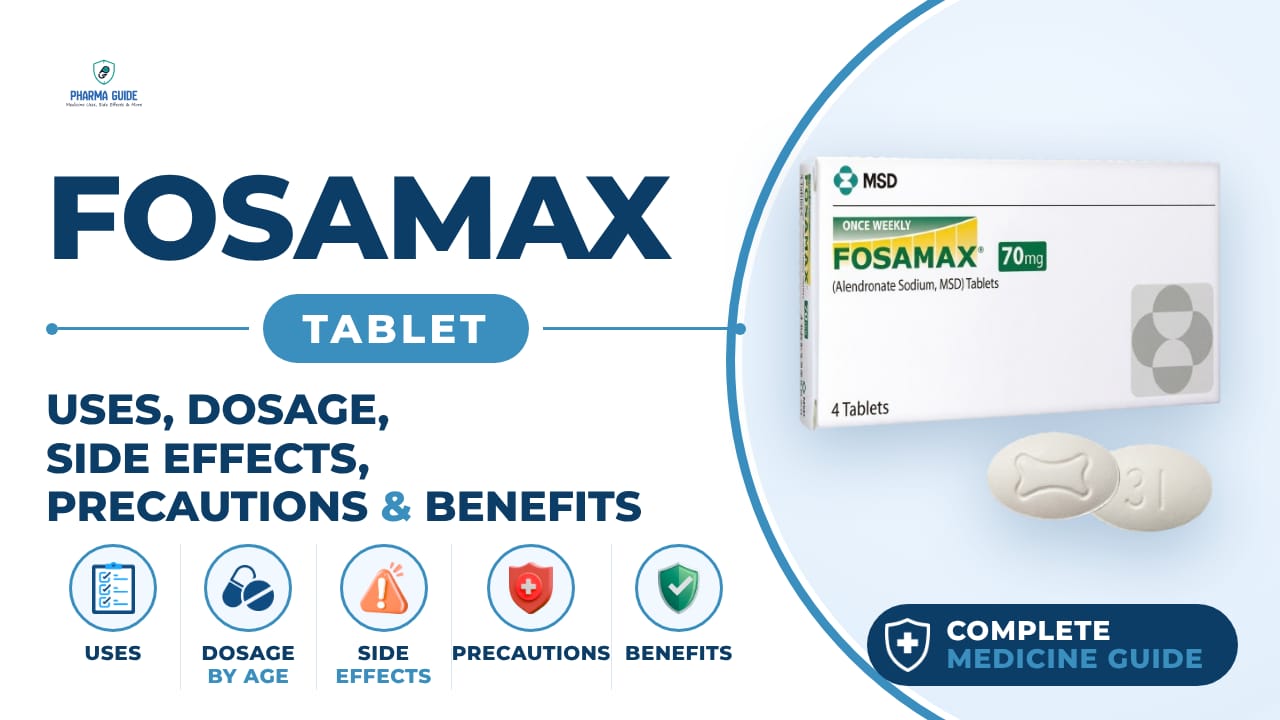
| Generic name | alendronate |
|---|---|
| Drug class | Bisphosphonate |
| Forms | Tablet, Oral solution |
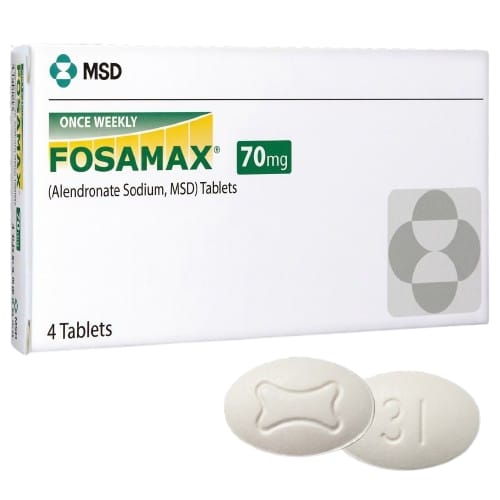
Quick overview
Fosamax Tablet (generic name: alendronate) is a bisphosphonate medicine that changes how bone forms and breaks down in the body. It is used to treat and prevent osteoporosis and Paget's disease of bone, and it works by slowing bone loss and may help prevent fractures. It is taken on a specific schedule with plain water, either daily or weekly, as part of a complete treatment plan.
What is Fosamax Tablet
Fosamax is a bisphosphonate medicine that changes how bone forms and breaks down in the body. This can slow bone loss and may help prevent bone fractures.
Fosamax Tablet uses
- Treating or preventing osteoporosis in women after menopause
- Treating osteoporosis in men
- Increasing bone mass in men with osteoporosis
- Treating osteoporosis caused by steroid medicines in men and women
- Treating Paget's disease of bone in men and women
Benefits of Fosamax Tablet
- Increases bone mass and reduces the chance of fractures, including hip and spine fractures
- Can be taken by males and females
- Option for daily or weekly dosing
- Comes as a regular tablet, oral solution, or effervescent tablet
How Fosamax Tablet works
Fosamax attaches to bone and blocks the cells that break down bone tissue, which slows bone loss, strengthens bone, and lowers the chance of fractures.
Fosamax Tablet dosage
Take Fosamax first thing in the morning, at least 30 minutes before eating, drinking anything other than plain water, or taking any other medicine. If taken once a week, take it on the same day each week, first thing in the morning.
Swallow the regular tablet whole with a full glass of plain water; do not crush, chew, or suck on it. Do not take with coffee, tea, soda, juice, or mineral water — use only plain water.
If using the effervescent tablet, dissolve it in plain room-temperature water, wait until the bubbling stops, stir, and then drink all of the liquid right away; never swallow, chew, or suck on it directly. If using the oral solution, follow your prescribed directions and avoid taking it with mineral water, coffee, tea, soda, or juice.
Stay upright (sitting or standing) for at least 30 minutes after taking the dose and until after you eat your first food of the day — do not lie down during this time. Do not take any other medicine, including vitamins, calcium, or antacids, for at least 30 minutes after taking this medicine.
Pay close attention to dental hygiene, and tell your dentist you are using this medicine before any dental work. This medicine is often only part of a complete treatment plan that may include diet changes, exercise, bone density testing, and calcium and vitamin D supplements.
| Age group | Dose |
|---|---|
| Under 18 years | Not recommended |
| 18–60 years | 10 mg, once/day |
| 60+ years | 10 mg, once/day |
Available forms and strengths
- Tablet
- Oral solution
Side effects of Fosamax Tablet
Common
- Heartburn or upset stomach
- Stomach pain, nausea
- Diarrhea or constipation
- Headaches
- Bone pain, muscle or joint pain
- Worsening of asthma
- Passing gas
- Bloating
Serious
- Chest pain, new or worsening heartburn
- Difficulty or pain when swallowing
- Pain or burning under the ribs or in the back
- Severe heartburn, burning pain in the upper stomach, or coughing up blood
- New or unusual pain in the thigh, hip, groin, or other bones
- Jaw pain, numbness, or swelling
- Severe joint, bone, or muscle pain
- Signs of low calcium levels such as muscle spasms, cramps, or numbness/tingling around the mouth, fingers, or toes
- Signs of an allergic reaction such as hives, wheezing, trouble breathing, or swelling of the face, lips, tongue, or throat
Warnings and precautions
- Do not take this medicine if you have problems with your esophagus, or low levels of calcium in your blood.
- Do not take this medicine if you cannot sit upright or stand for at least 30 minutes afterward.
- This medicine can cause serious problems in the stomach or esophagus. Stop using it and call your doctor right away if you have chest pain, new or worsening heartburn, or pain when swallowing.
- In rare cases, this medicine may cause bone loss in the jaw or unusual broken bones in the leg or other bones.
- This medicine is not for use in children.
- The longer this medicine is used, the more likely jaw bone problems become.
- Unusual fractures in the large bones of the leg have been reported with this medicine.
- It is not known whether this medicine will harm an unborn baby. Tell your doctor if you are pregnant or plan to become pregnant, and stop the medicine and tell your doctor right away if you become pregnant.
- It is not known whether this medicine passes into breast milk or could harm a nursing baby, so ask your doctor about any risk.
- This medicine is not recommended for people with severe kidney problems.
- No dosage adjustment is needed for liver problems, since this medicine is not broken down or removed by the liver.
- There are no known direct interactions between this medicine and alcohol, but heavy drinking can cause bone loss and may work against the purpose of this medicine.
Storage
- Store at room temperature away from moisture and heat
- Store in a well-closed container at room temperature, 59-86°F (15-30°C)
- The oral solution should be stored at 77°F (25°C), with excursions permitted to 59-86°F (15-30°C); do not freeze
When to see a doctor
- Get emergency help right away if you show signs of an allergic reaction, such as hives, wheezing, difficulty breathing, or swelling of the face, lips, tongue, or throat.
- Stop taking this medicine and call your doctor right away if you have chest pain, new or worsening heartburn, or trouble or pain swallowing.
- Call your doctor if you notice new or unusual pain in your thigh, hip, groin, or other bones.
- Call your doctor if you have jaw pain, numbness, or swelling.
- Call your doctor if you notice signs of low calcium levels, such as muscle spasms or contractions, or numbness or tingling around the mouth, fingers, or toes.
- Tell your doctor about any new or unusual pain in your hip, groin, thigh, or other bones while using this medicine.
Alternatives
- Alendronate
- Boniva
- Fosavance
Watch the video
FAQs
What is Fosamax Tablet used for?
Fosamax is used to treat or prevent osteoporosis in women after menopause, treat osteoporosis in men, increase bone mass in men with osteoporosis, treat osteoporosis caused by steroid medicines, and treat Paget's disease of bone.
How should I take Fosamax Tablet?
Take Fosamax first thing in the morning, at least 30 minutes before eating, drinking anything other than plain water, or taking other medicine. Swallow the tablet whole with a full glass of plain water, and stay upright for at least 30 minutes after taking it and until after your first food of the day.
How does Fosamax Tablet work?
Fosamax attaches to bone and blocks the cells that break down bone tissue, which slows bone loss, strengthens bone, and lowers the chance of fractures.
What are the serious side effects of Fosamax Tablet?
Serious side effects include chest pain, new or worsening heartburn, difficulty or pain when swallowing, pain under the ribs or in the back, new or unusual pain in the thigh, hip, groin, or other bones, jaw pain, numbness or swelling, severe joint, bone, or muscle pain, and signs of low calcium levels or allergic reaction.
Who should not take Fosamax Tablet?
You should not take this medicine if you have problems with your esophagus, low levels of calcium in your blood, or cannot sit upright or stand for at least 30 minutes after taking it. It is also not recommended for people with severe kidney problems or for use in children.
General information, not medical advice
Your prescriber and the leaflet in your pack know your situation. This page does not.
- Follow your prescriber and the leaflet
- Don't start, stop, or change a dose on your own
- Doses and warnings differ by country and product
Sources
Video
Related medicines
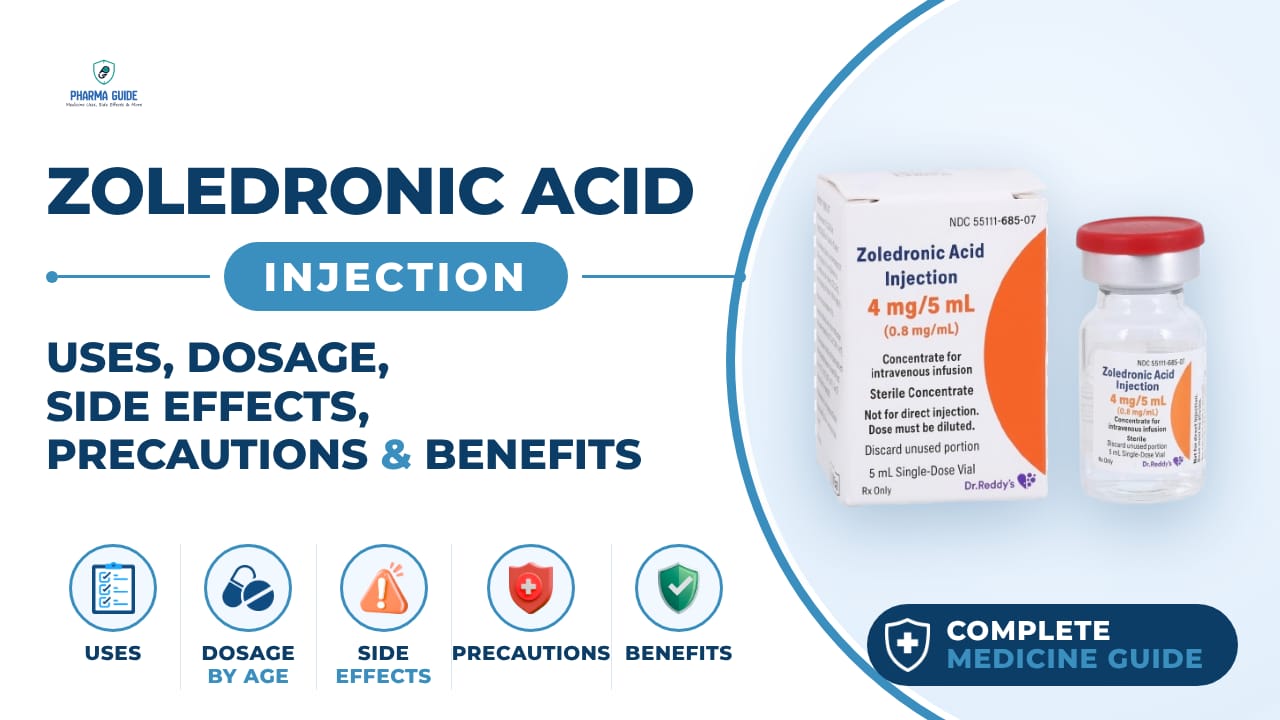
Zoledronic Acid Injection: Uses, Dosage, Side Effects, Precautions and Alternates
bisphosphonate
Zoledronic Acid Injection treats osteoporosis, Paget's disease, and cancer-related bone problems. Learn about its uses, dosage, side effects, and precautions.
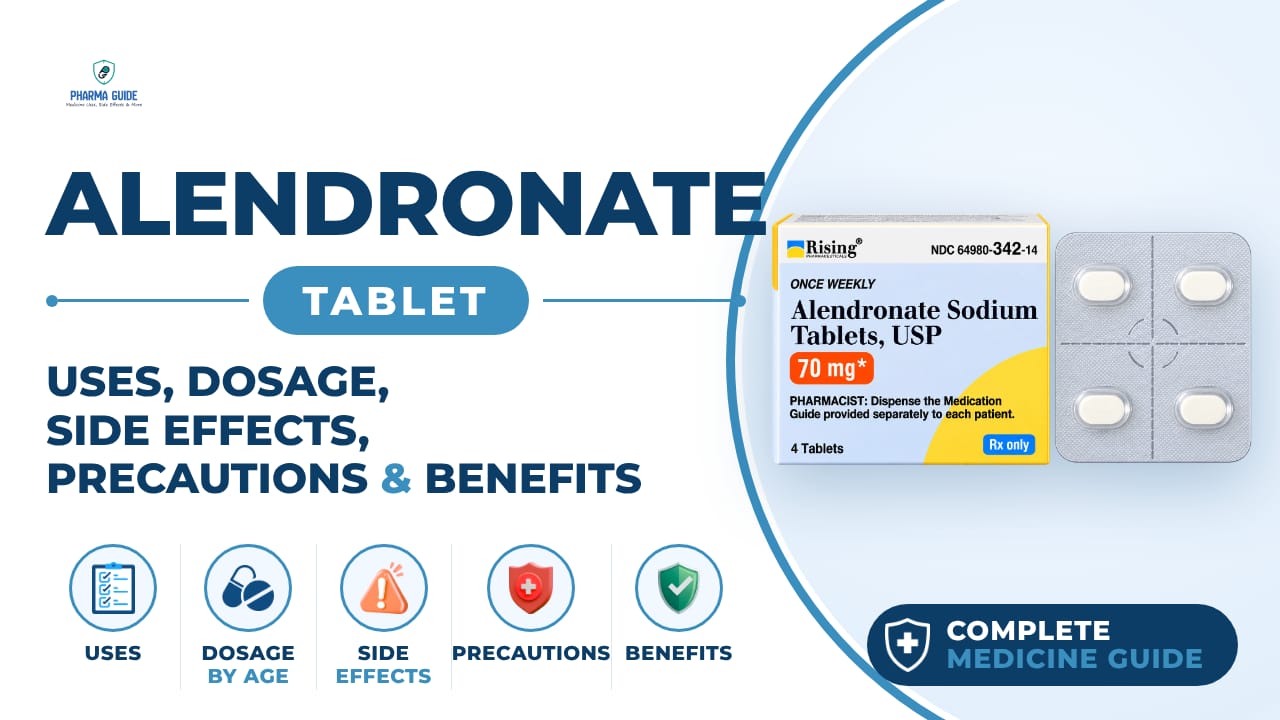
Alendronate Tablet: Uses, Dosage, Side Effects, Precautions and Alternates
Bisphosphonate
Alendronate Tablet treats osteoporosis and Paget's disease by slowing bone breakdown. Learn dosage, uses, side effects, warnings, and alternatives.