
Safety
General information, not medical advice
Your prescriber and the leaflet in your pack know your situation. This page does not.
- Follow your prescriber and the leaflet
- Don't start, stop, or change a dose on your own
- Doses and warnings differ by country and product
Glucobay Tablet: Uses, Dosage, Side Effects, Precautions and Alternates
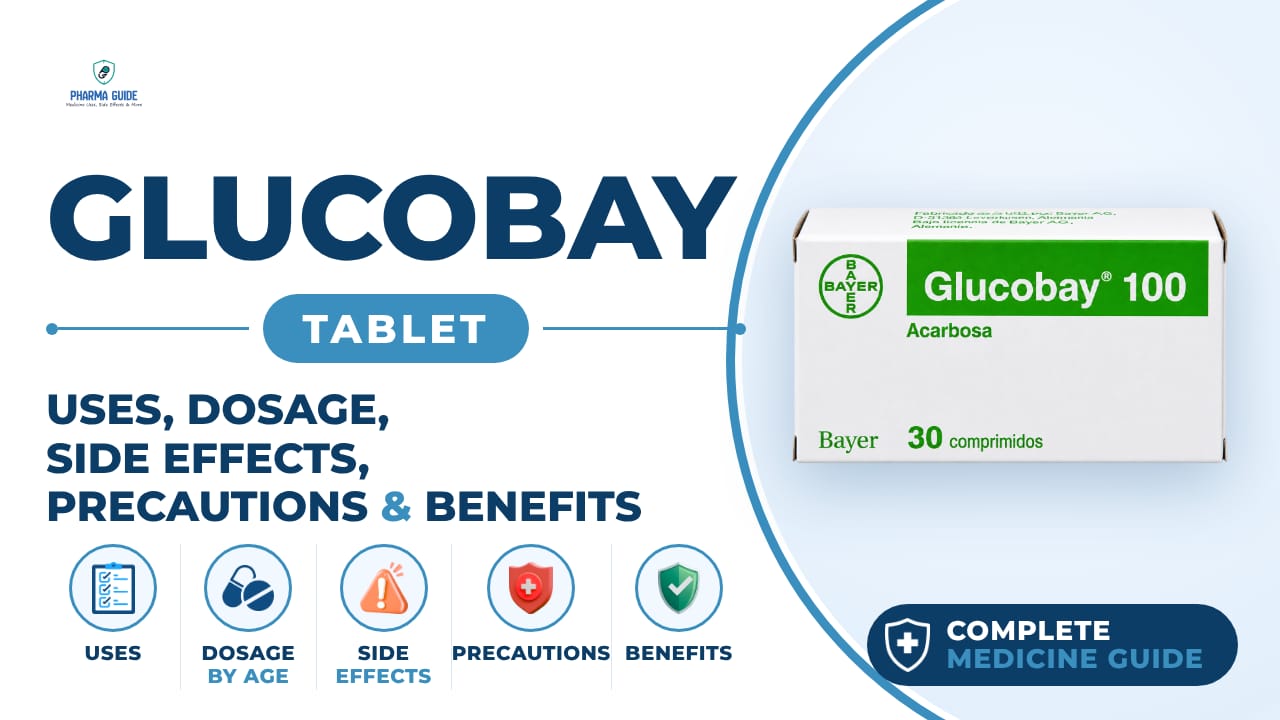
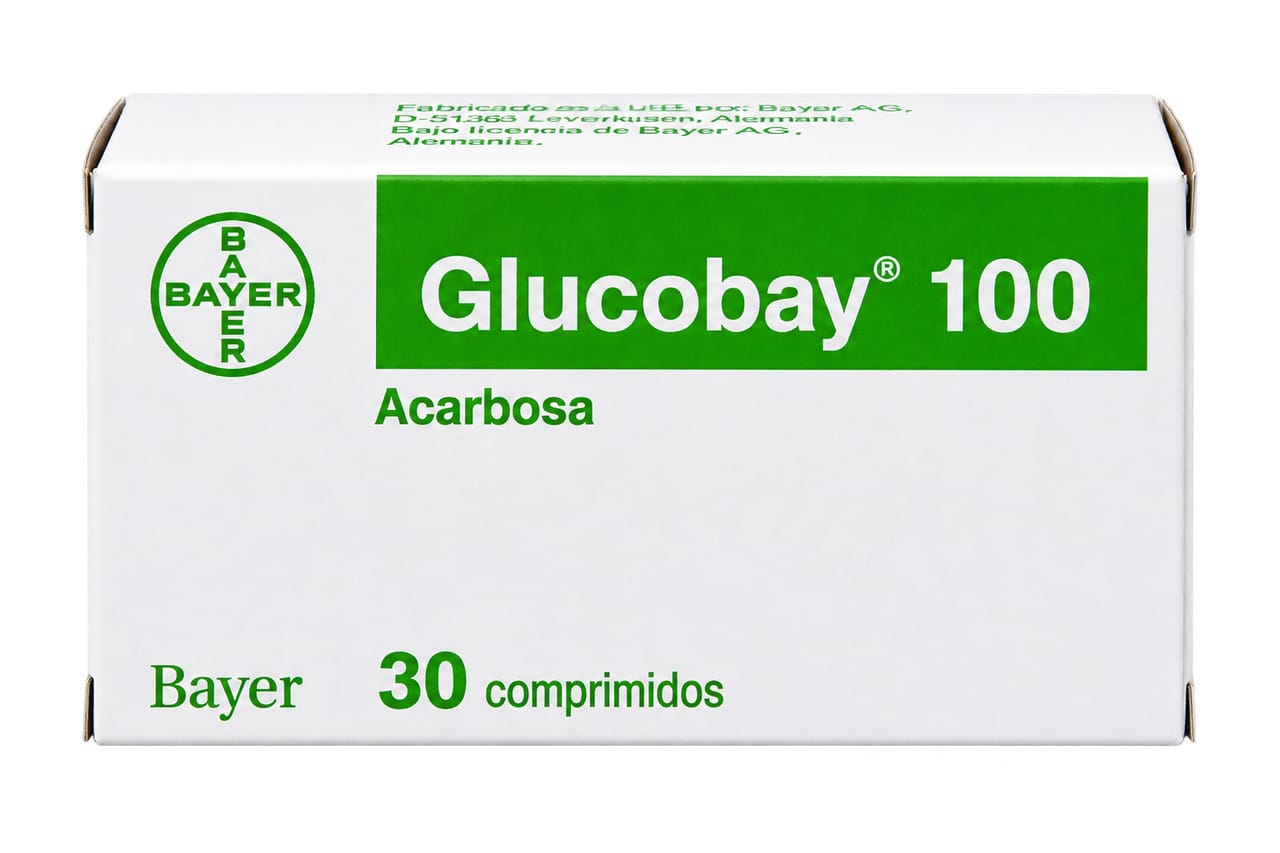
| Generic name | Acarbose |
|---|---|
| Drug class | Alpha-glucosidase inhibitor |
| Forms | Tablet |
Quick overview
Glucobay Tablet contains acarbose, an alpha-glucosidase inhibitor used to help control blood sugar levels in people with type 2 diabetes. It is taken alongside diet, exercise, and other lifestyle measures, and may be combined with other diabetes medications. By slowing carbohydrate digestion, it helps reduce the sharp rise in blood sugar that occurs after meals.
What is Glucobay Tablet
Glucobay tablets contain the active drug acarbose. They are used for the treatment of type 2 diabetes, helping to control blood sugar levels along with diet, exercise, and other measures.
Glucobay Tablet uses
- Helps control blood sugar levels in people with type 2 diabetes
- Used as part of a comprehensive diabetes management plan alongside diet, exercise and weight loss
- May be used in combination with other diabetes medications such as sulfonylureas, metformin or insulin
- Helps reduce the long-term risk of diabetes-related heart and nerve problems
Benefits of Glucobay Tablet
- Helps maintain stable blood sugar levels throughout the day
- Reduces the abnormally high blood sugar levels that occur after each meal
- May reduce the need for high doses of insulin or additional diabetes medications
- Supports effective, long-term diabetes management when combined with a healthy diet and regular physical activity
How Glucobay Tablet works
Acarbose blocks enzymes in the intestine that break down carbohydrates into sugar. This slows down the digestion and absorption of carbohydrates from food, so blood sugar rises more slowly and less steeply after meals.
Glucobay Tablet dosage
Swallow the tablets whole with a little liquid immediately before the meal, or chew them with the first few mouthfuls of food if you prefer not to swallow them whole. Take your medicine at about the same time each day with breakfast, lunch and dinner. When you first start treatment, your doctor may have you take it once or twice a day before increasing to three times a day. Do not stop taking the tablets unless your doctor tells you to, even if you feel well.
If you forget a dose, do not take it between meals; wait until your next meal and take it as usual, do not double up. Follow your prescribed diet along with this medicine, and avoid cane sugar and products containing sugar as they may cause stomach discomfort or diarrhoea. If you have a low blood sugar episode while on this medicine, treat it with glucose (dextrose) tablets, honey, syrup or sweets rather than ordinary table sugar, as sugar will not work fast enough. This medicine is not recommended for children under 18 years of age.
| Age group | Dose |
|---|---|
| Under 18 Years | Use only if prescribed by a healthcare professional |
| Adults (18–64 Years) | 25 mg three times daily with meals initially; may increase to 50–100 mg three times daily |
| Older Adults (65+ Years) | 25 mg three times daily initially; adjusted according to response and tolerance |
Available forms and strengths
- Tablet
Side effects of Glucobay Tablet
Common
- Gas (flatulence)
- Abdominal rumbling noises
- A feeling of fullness
- Softer stools or diarrhea
- Stomach cramps
- Nausea
- Indigestion
- Vomiting
- Increased or loss of appetite
- Dizziness
Serious
- Jaundice (yellowing of the skin or eyes)
- Swelling from fluid retention
- Inflammation of the liver (hepatitis)
- Intestinal obstruction
- Decrease in platelet count
- Skin reactions such as redness, rash and urticaria (hives)
Warnings and precautions
- This medicine is not usually recommended during pregnancy because there isn't enough safety information. Talk to your doctor if you are pregnant or planning to become pregnant.
- It is not known whether this medicine passes into breast milk, so talk to your doctor before using it while breastfeeding.
- This medicine should not be used if you have severe kidney disease, and should be used with caution in milder kidney problems, as it may build up in the body.
- Use with caution if you have liver problems, as this medicine may raise liver enzyme levels and increase the risk of liver damage. Your doctor may check your liver function with blood tests, especially during the first 6 to 12 months of treatment.
- It's best to limit alcohol while taking this medicine, as it may increase the risk of altered blood sugar levels and stomach upset.
- This medicine doesn't typically affect your ability to drive, but if you feel dizzy or have stomach discomfort, avoid driving until you feel better.
- Do not take this medicine if you have a severe kidney disorder, or if you suffer from intestinal obstruction, inflammation or ulceration of the bowel such as ulcerative colitis or Crohn's disease.
- If you have a hernia or have had previous abdominal surgery, talk to your doctor before taking this medicine.
- This medicine should not be given to children under 18 years of age.
- If this medicine is taken with drinks or meals containing carbohydrates in an overdose, it can cause diarrhoea, wind and stomach cramps.
- Do not stop taking this medicine or lower the dose without checking with your doctor, as your condition may worsen or you may get unwanted side effects.
- If you take this medicine along with other diabetes drugs such as sulfonylureas, metformin or insulin, do not treat low blood sugar with ordinary sugar, as it will not work fast enough — use glucose (dextrose) tablets, honey, syrup or sweets instead.
- Avoid taking Glucobay if you have inflammatory bowel disease, colonic ulceration, or partial intestinal obstruction, as it can worsen these conditions, or if you have cirrhosis of the liver.
Storage
- Keep your tablets in the pack until it is time to take them, as they may not keep well outside the pack
- Keep your tablets in a cool dry place where the temperature stays below 30°C
- Do not store it or any other medicine in the bathroom, near a sink, or on a window-sill
- Do not leave it in the car, as heat and damp can destroy some medicines
- Keep it where children cannot reach it; a locked cupboard at least one-and-a-half metres above the ground is a good place to store medicines
- Return any unused medicine to your pharmacist for disposal
When to see a doctor
- Get medical help right away if you notice signs of an allergic reaction, such as shortness of breath, wheezing or difficulty breathing, swelling of the face, lips, tongue or other parts of the body, or rash, itching or hives.
- Tell your doctor as soon as possible if you notice yellowing of the skin, swelling from fluid retention, signs of liver inflammation, symptoms of intestinal obstruction, or unusual bruising or bleeding.
- If common symptoms like diarrhoea persist for more than 2 or 3 days, or are severe, see your doctor or the nearest emergency department.
- If you think you or someone else has taken too many tablets, avoid foods or drinks with carbohydrates and contact your doctor or local poison control center for advice, or go to the nearest hospital emergency department, even if there are no symptoms.
Alternatives
- Metformin
- Gliclazide
- Empagliflozin
Watch the video
FAQs
What is Glucobay Tablet used for?
Glucobay Tablet contains acarbose and is used to help control blood sugar levels in people with type 2 diabetes, alongside diet, exercise and other measures, and may be combined with other diabetes medications.
How should I take Glucobay Tablet?
Swallow the tablets whole with a little liquid immediately before a meal, or chew them with the first few mouthfuls of food. Take it at about the same time each day with breakfast, lunch and dinner, as directed by your doctor.
What should I do if I have low blood sugar while taking Glucobay Tablet?
Treat low blood sugar with glucose (dextrose) tablets, honey, syrup or sweets rather than ordinary table sugar, as sugar will not work fast enough.
What are the common side effects of Glucobay Tablet?
Common side effects include gas, abdominal rumbling noises, a feeling of fullness, softer stools or diarrhea, stomach cramps, nausea, indigestion, vomiting, changes in appetite, and dizziness.
Who should avoid taking Glucobay Tablet?
It should not be used by people with severe kidney disease, intestinal obstruction, inflammatory bowel disease such as ulcerative colitis or Crohn's disease, or cirrhosis of the liver, and is not recommended for children under 18.
General information, not medical advice
Your prescriber and the leaflet in your pack know your situation. This page does not.
- Follow your prescriber and the leaflet
- Don't start, stop, or change a dose on your own
- Doses and warnings differ by country and product
Sources
Video
Related medicines
Acarbose Tablet: Uses, Dosage, Side Effects, Precautions and Alternates
Alpha-glucosidase inhibitor
Acarbose Tablet treats type 2 diabetes by slowing carb digestion to reduce after-meal blood sugar spikes. Learn dosage, side effects, and precautions.
Diabose Tablet: Uses, Dosage, Side Effects, Precautions and Alternates
Alpha-Glucosidase Inhibitor
Diabose Tablet (acarbose) helps manage type 2 diabetes by slowing carbohydrate digestion. Know its uses, dosage, side effects, and precautions.