
Safety
General information, not medical advice
Your prescriber and the leaflet in your pack know your situation. This page does not.
- Follow your prescriber and the leaflet
- Don't start, stop, or change a dose on your own
- Doses and warnings differ by country and product
Hydromol Cream: Uses, Dosage, Side Effects, Precautions and Alternates
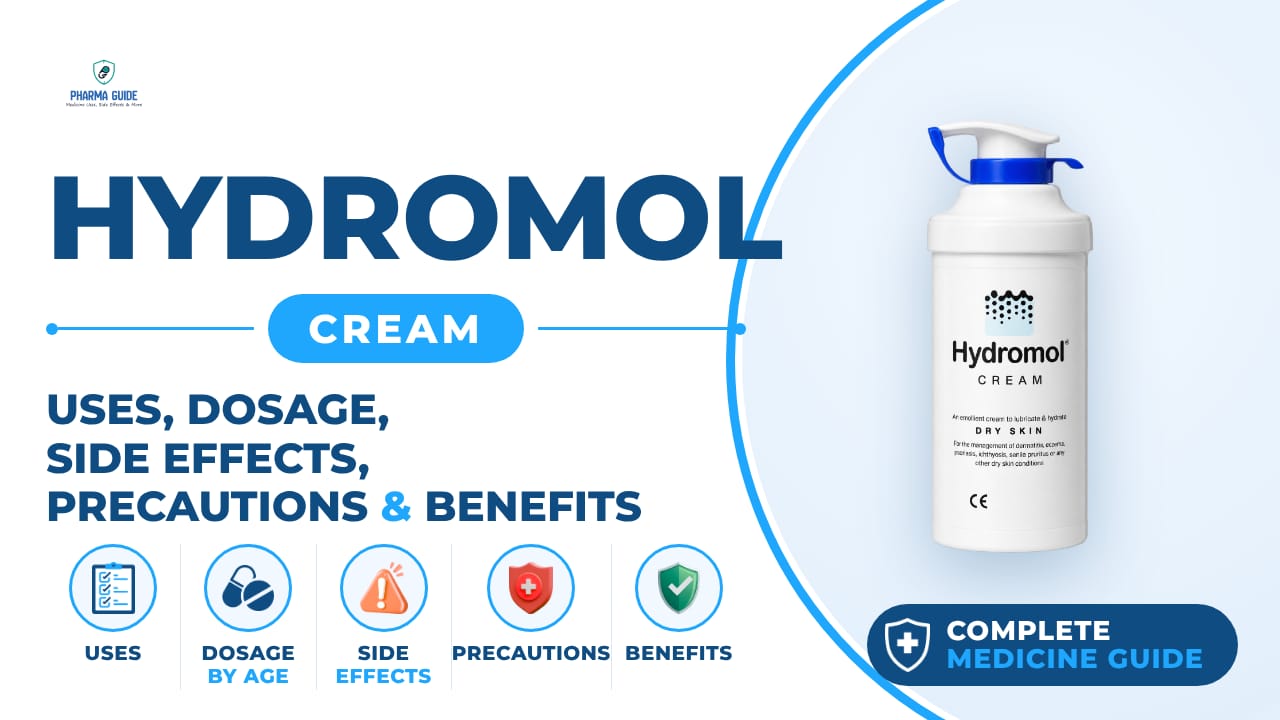
| Generic name | Sodium pyrrolidone carboxylate 2.5% |
|---|---|
| Drug class | Emollient |
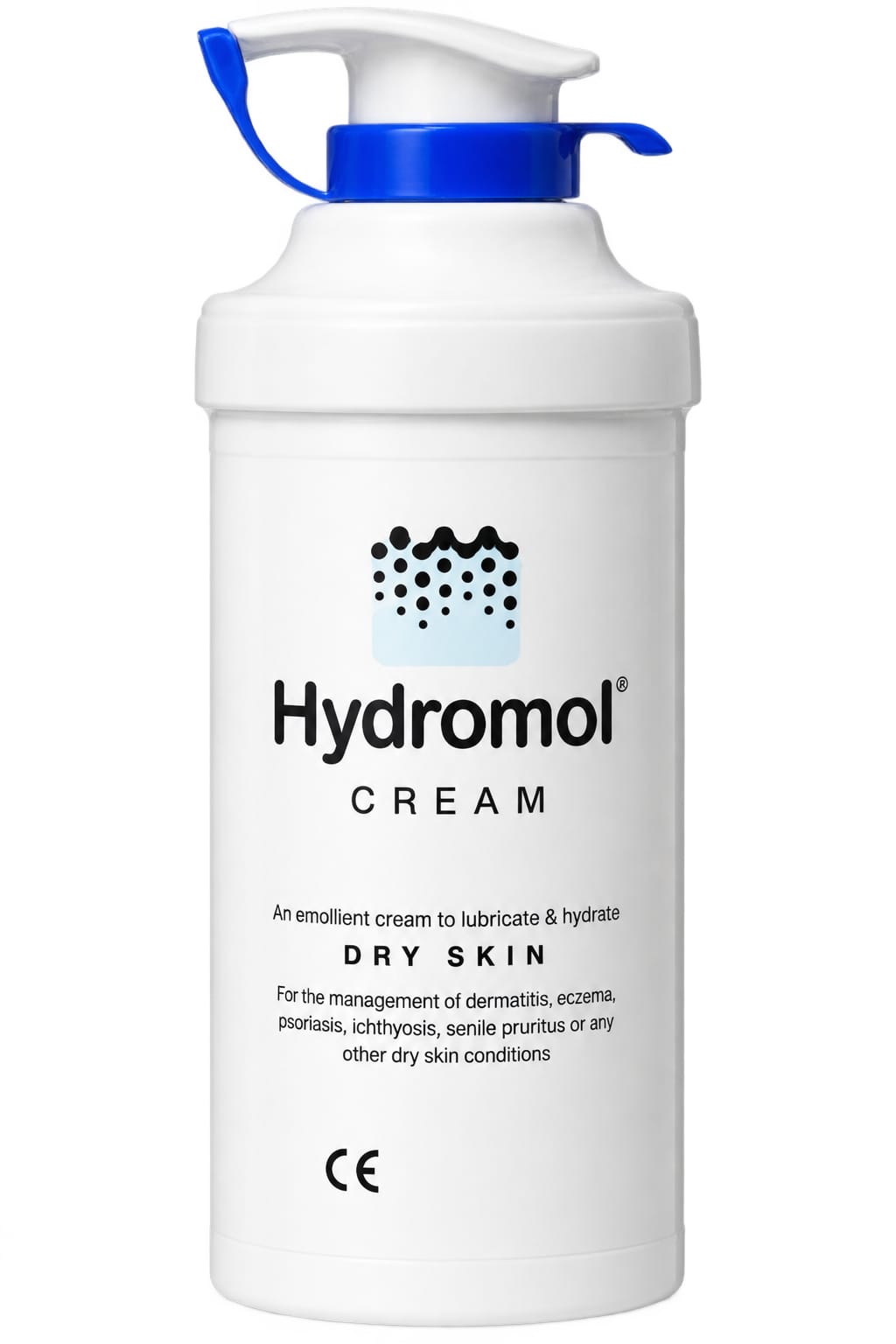
| Forms | Cream tube (50g/100g), Cream pump (500g) |
Quick overview
Hydromol Cream is a non-steroidal emollient cream containing sodium pyrrolidone carboxylate (sodium PCA) 2.5%, used to moisturise and soothe dry, itchy skin conditions such as eczema, dermatitis, and psoriasis. It helps restore the skin's natural hydrating properties, attracting and sealing in moisture. It is suitable for all ages, including infants, children, adults, and older adults, and is applied externally several times a day as needed.
What is Hydromol Cream
Hydromol Cream is a soft, non-steroidal moisturising cream for dry, itchy skin. It contains a naturally occurring moisturising agent along with oils that soften the skin and help prevent moisture loss.
Hydromol Cream uses
- Dermatitis
- Psoriasis
- Ichthyosis, an inherited condition that causes very dry, scaly skin
- Senile pruritus, the itching that can come with older age
- Eczema and other dry skin conditions
Benefits of Hydromol Cream
- Restores the skin's natural hydrating properties
- Attracts and seals moisture in
- Soothing and calming for itchy skin
- Suitable for all ages
- Light, fragrance-free and easily absorbed
How Hydromol Cream works
Hydromol Cream contains sodium PCA, part of the skin's Natural Moisturising Factor (NMF). In dry skin conditions like eczema, NMF levels are lower, making skin more prone to cracking. The cream helps restore these lost elements of NMF, attracting and sealing in moisture.
Hydromol Cream dosage
For external use only; apply only to the skin. Apply liberally and frequently to the affected area and smooth into the skin in the direction of hair growth. It may be used several times a day or as often as required.
Hydromol Cream works especially well when applied right after a bath or shower, while skin is still warm and absorbs it more easily, since water is still trapped in the skin for extra hydration. Wash and gently dry the affected area before applying, then massage the cream in gently until absorbed, and reapply as often as needed.
It is suitable for adults, elderly people and children. If you are also using other medicines applied to the skin, talk to your doctor or pharmacist first, as they may not be suitable to use at the same time.
| Age group | Dose |
|---|---|
| Under 1 year | Apply generously 2–3 times daily or as needed |
| 1–17 years | Apply 2–3 times daily or as needed |
| 18 years & older | Apply 2–3 times daily or as needed |
| Older adults | Apply 2–3 times daily or as needed |
Available forms and strengths
- Cream tube (50g/100g)
- Cream pump (500g)
Side effects of Hydromol Cream
Common
- Rarely, an allergic-type reaction such as a rash
Serious
- Swelling of the face, lips, or tongue
- Severe itching or rash
- Difficulty breathing
- Mild skin irritation
- Redness
- Itching
- Burning or stinging
- Skin rash
Warnings and precautions
- It's safe to use during pregnancy and while breastfeeding.
- For external use only. Avoid contact with the eyes. Do not use if you are allergic to any ingredient in the formulation.
- Apply gently to the affected skin; avoid vigorous rubbing if the skin is very irritated or broken. Stop use if you develop significant redness, burning, itching, swelling, or a rash.
- Avoid applying to severely infected skin unless advised by a healthcare professional. Use caution on very sensitive skin, particularly in babies and young children.
- Some emollients can make clothing, bedding, and dressings more flammable. Keep away from flames, cigarettes, and other sources of ignition. If the skin becomes increasingly painful, swollen, warm, or develops pus, seek medical advice. Keep out of reach of children.
- Do not smoke or go near naked flames while using this product, as clothing, bedding, dressings and other fabric that have been in contact with it burn more easily and are a serious fire hazard. Washing fabric can reduce build-up but won't remove it completely.
- Talk to your doctor or pharmacist before using it if your skin is badly cracked, infected or bleeding.
- Do not use if you are allergic to any of the ingredients. Some ingredients may cause skin reactions such as contact dermatitis. If your condition worsens or you have any unwanted effects, stop using it and consult your doctor or pharmacist.
- If you are using other medicines that are also applied to the skin, talk to your doctor or pharmacist first, as it might not be suitable to use other topical products at the same time.
- Avoid contact with the eyes. If contact occurs, rinse the open eye for several minutes under running water. If accidentally swallowed, adverse effects are unlikely.
- Some ingredients, including hydroxybenzoates (parabens) and cetostearyl alcohol, can cause skin reactions such as contact dermatitis in some people.
Storage
- Store below 30°C
- Don't refrigerate or freeze
- Don't use the cream after its expiry date, or if you notice a change in its colour or feel
- Don't dispose of the cream in wastewater or household waste
- Keep out of the sight and reach of children
When to see a doctor
- If you notice swelling of the face, lips, or tongue, severe itching or rash, or difficulty breathing, seek medical attention right away.
- If mild irritation occurs, stop using the cream temporarily and consult a pharmacist or doctor if symptoms continue. For severe allergic reactions, get medical help right away.
- If your skin condition gets worse while using the cream, stop using it and speak to a healthcare professional.
Alternatives
- Hydromol Relief is a non-steroidal cream designed to provide rapid relief to those suffering with the associated symptoms of dry itchy skin.
- Hydromol Ointment is highly occlusive, providing a protective barrier over the skin to seal in moisture and prevent loss of hydration.
- Hydromol Bath & Shower Emollient moisturises, locks moisture in and softens dry skin and eczema.
- Hydromol Intensive contains 10% urea to help relieve itching and hydrate the skin by locking in moisture and reducing skin's water loss.
Watch the video
FAQs
What is Hydromol Cream used for?
It is used for dermatitis, psoriasis, ichthyosis, senile pruritus, eczema and other dry skin conditions, helping to moisturise and soothe dry, itchy skin.
How does Hydromol Cream work?
It contains sodium PCA, part of the skin's Natural Moisturising Factor, which helps restore lost moisturising elements, attracting and sealing in moisture in dry skin conditions like eczema.
How should I apply Hydromol Cream?
Apply liberally and frequently to the affected area, smoothing it in the direction of hair growth, as often as needed. It works especially well when applied after a bath or shower while skin is still warm.
Is Hydromol Cream safe during pregnancy?
Yes, it is safe to use during pregnancy and while breastfeeding.
What are the side effects of Hydromol Cream?
Rarely, it may cause an allergic-type reaction such as a rash, mild skin irritation, redness, itching, or burning and stinging. Serious reactions like swelling of the face, lips, or tongue, severe itching, or difficulty breathing require immediate medical attention.
General information, not medical advice
Your prescriber and the leaflet in your pack know your situation. This page does not.
- Follow your prescriber and the leaflet
- Don't start, stop, or change a dose on your own
- Doses and warnings differ by country and product
Sources
Video
Related medicines
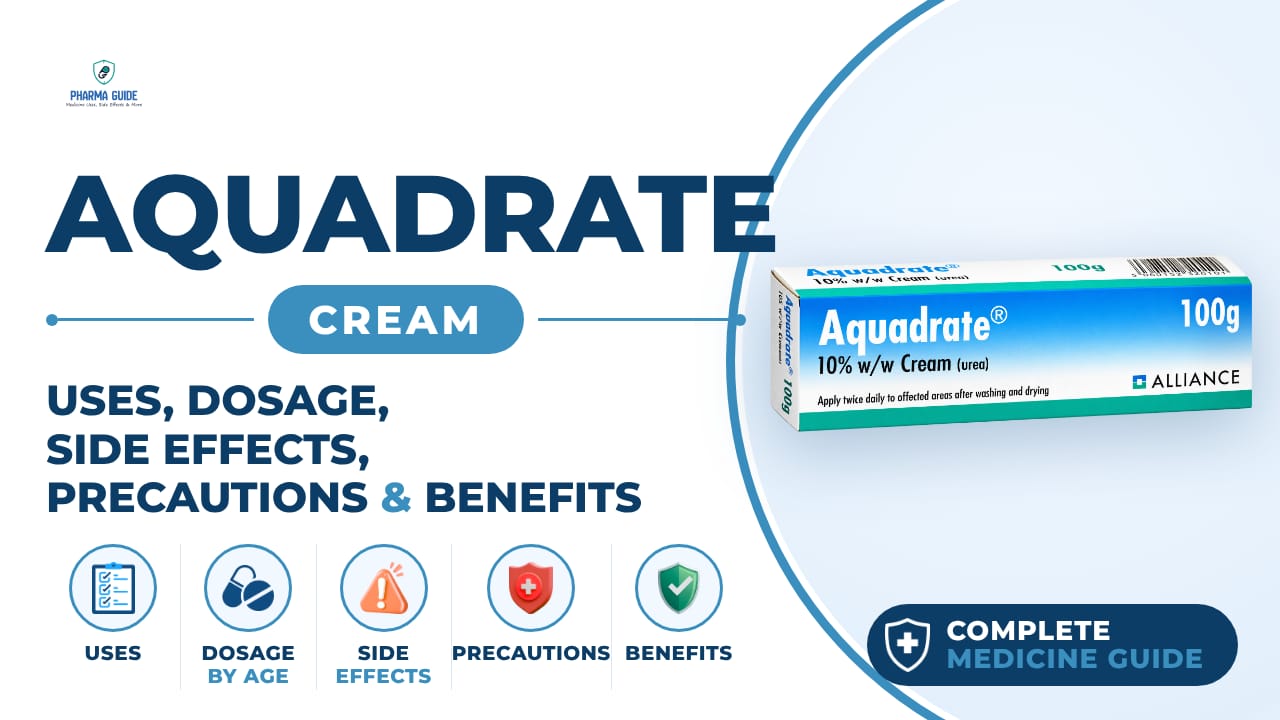
Aquadrate Cream: Uses, Dosage, Side Effects, Precautions and Alternates
Emollient
Aquadrate Cream (10% urea) softens dry, rough, scaly skin and nails. Learn its uses, dosage, side effects, warnings, and storage tips before use.
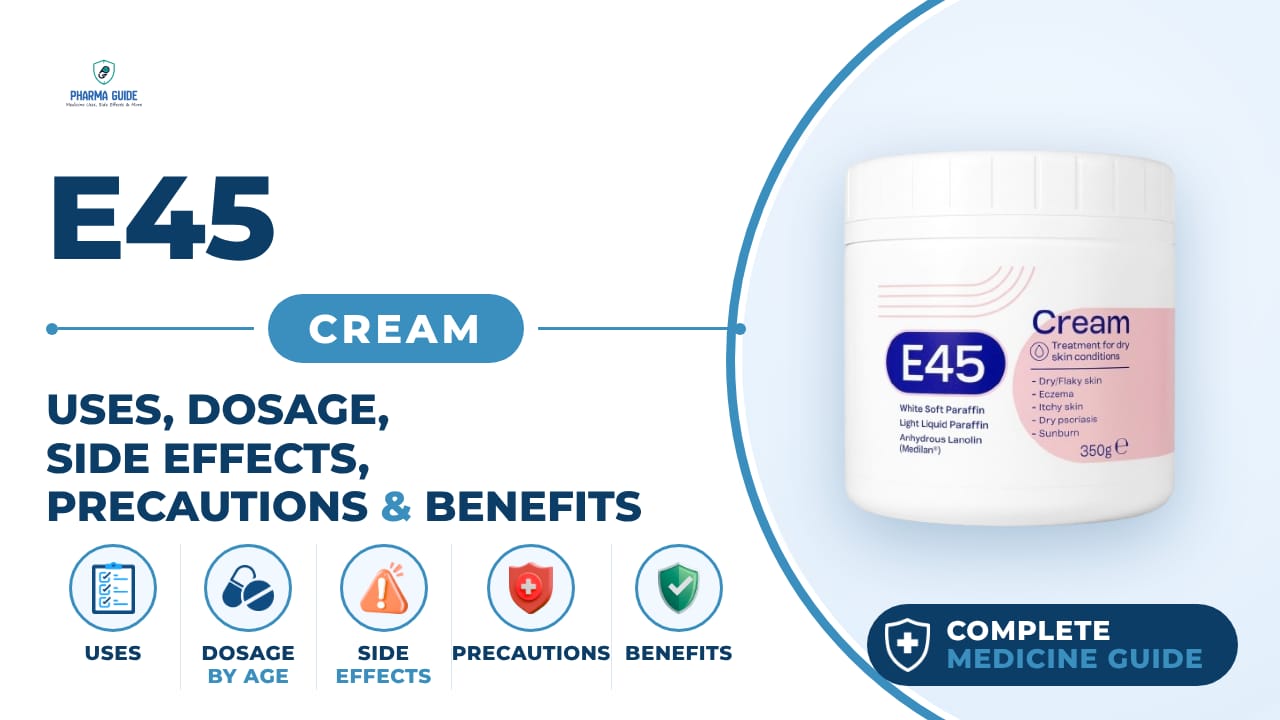
E45 Cream: Uses, Dosage, Side Effects, Precautions and Alternates
Emollient
E45 Cream is a fragrance-free emollient that relieves dry, itchy, flaky skin. Learn about its uses, dosage, side effects, and precautions.