
Safety
General information, not medical advice
Your prescriber and the leaflet in your pack know your situation. This page does not.
- Follow your prescriber and the leaflet
- Don't start, stop, or change a dose on your own
- Doses and warnings differ by country and product
Neomycin Ointment: Uses, Dosage, Side Effects, Precautions and Alternates
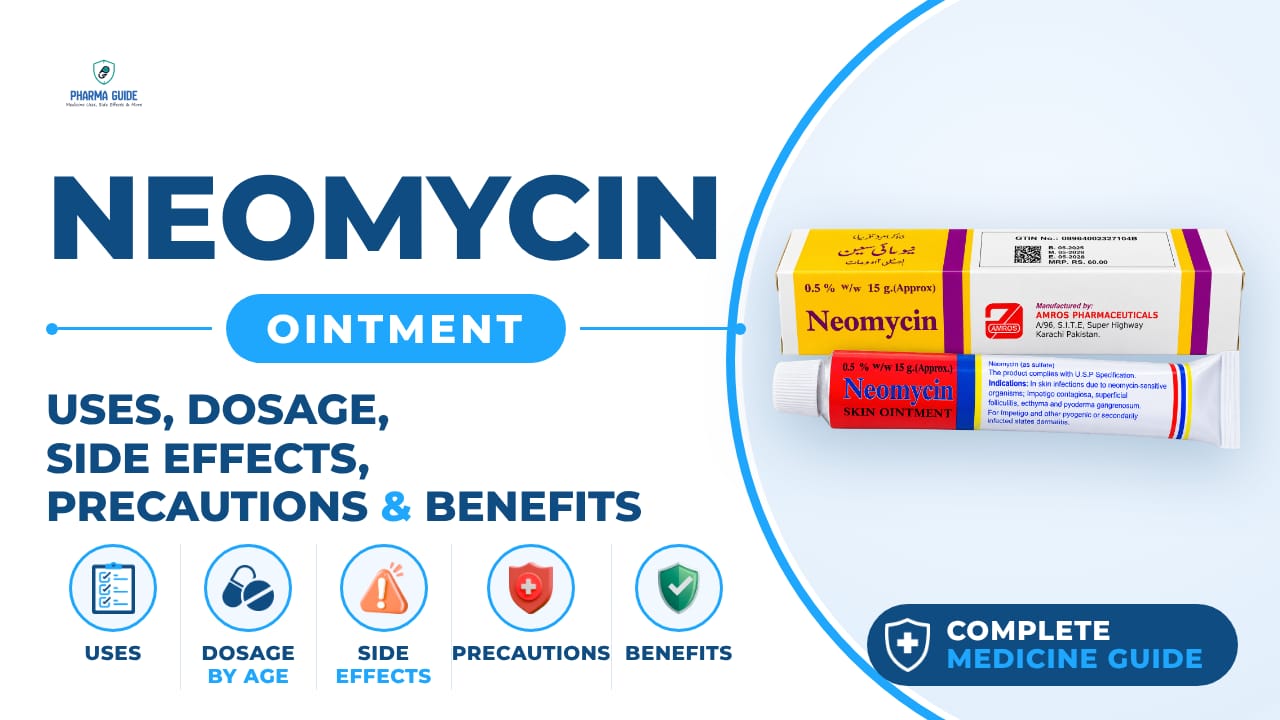
| Generic name | Neomycin |
|---|---|
| Drug class | Aminoglycoside antibiotic |
| Forms | Ointment, Cream, Solution, Tablet, Lotion |
Quick overview
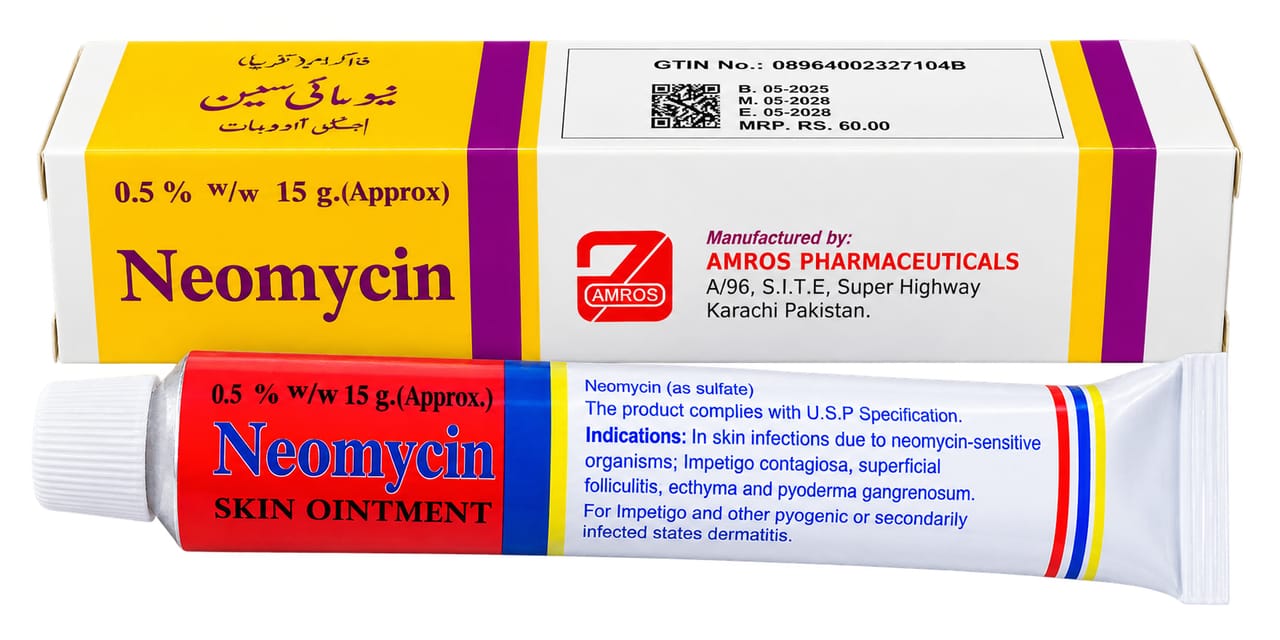
Neomycin Ointment is a topical aminoglycoside antibiotic used to help prevent infections of the skin and to treat minor bacterial skin infections. It works by stopping bacteria from making the proteins they need to survive. It is applied directly to the affected area of skin and is available in several forms, including ointment, cream, solution, and tablet.
What is Neomycin Ointment
Neomycin belongs to the family of medicines called antibiotics. Neomycin topical preparations are used to help prevent infections of the skin. Neomycin is a broad-spectrum antibiotic that fights many kinds of bacteria.
Neomycin Ointment uses
- Helps prevent infections of the skin
- Treats minor bacterial skin infections
- May be used for other problems as determined by your doctor
Benefits of Neomycin Ointment
- Helps prevent minor skin infections from developing or getting worse
- Fights bacteria that can infect cuts, scrapes, and other minor skin wounds
How Neomycin Ointment works
Neomycin works by stopping bacteria from making the proteins they need to survive, which kills the bacteria or stops them from growing.
Neomycin Ointment dosage
Do not use this medicine to treat deep wounds, puncture wounds, serious burns, or raw areas without first checking with your health care professional. Do not use this medicine in the eyes.
Before applying, wash the affected area with soap and water, and dry thoroughly. For the cream form, apply a generous amount to the affected area and rub in gently until the cream disappears. For the ointment form, apply a generous amount to the affected area and rub in gently. After applying, the treated area may be covered with a gauze dressing if desired.
Keep using this medicine for the full course of treatment, even if your symptoms have disappeared, and do not skip doses. If you miss a dose, apply it as soon as possible, but if it is almost time for your next dose, skip the missed dose and go back to your regular schedule.
Studies on this medicine have been done only in adults, so there is no specific information about its use in children compared with other age groups. There is no specific information comparing use of topical neomycin in elderly people with other age groups.
| Age group | Dose |
|---|---|
| Under 2 years | Use only if prescribed by a doctor. |
| 2–11 years | Apply a thin layer to the affected area 1–3 times daily. |
| 12–17 years | Apply a thin layer to the affected area 1–3 times daily. |
| 18+ years (Adults) | Apply a thin layer to the affected area 1–3 times daily. |
Available forms and strengths
- Ointment
- Cream
- Solution
- Tablet
- Lotion
Side effects of Neomycin Ointment
Common
- Itching, rash, redness, swelling, or other sign of skin irritation not present before use of this medicine
Serious
- Any loss of hearing
- Skin redness
- Itching
- Burning or stinging
- Mild irritation
- Dryness or rash at the application site
Warnings and precautions
- Do not use this medicine to treat deep wounds, puncture wounds, serious burns, or raw areas without checking with your doctor first.
- Do not get this medicine in your eyes.
- If your skin problem does not get better within a week, or gets worse, check with your health care professional.
- Prolonged use of neomycin should be avoided because of the possibility of absorption into the body and the risk of nerve damage, hearing damage, and kidney damage.
- Neomycin may harm an unborn baby and can cause permanent hearing loss in the baby if used by pregnant women.
- If you are pregnant or think you may be pregnant, talk to your doctor or pharmacist for advice before using this medicine.
- There are no adequate studies on the risk to infants when using this medicine while breastfeeding; weigh the potential benefits against the potential risks before using it.
- If you have kidney problems, your doctor may need to change the amount or how often you apply the cream.
- Discuss with your healthcare professional the use of this medicine with alcohol, since interactions may occur.
- This medicine is unlikely to affect your ability to drive or operate machinery.
Storage
- Store the medicine in a closed container at room temperature, away from heat, moisture, and direct light.
- Keep from freezing.
- Keep out of the reach of children.
- Do not keep outdated medicine or medicine no longer needed.
When to see a doctor
- Check with your doctor right away if you notice itching, rash, redness, swelling, or other signs of skin irritation that were not present before using this medicine.
- Check with your doctor right away if you notice any loss of hearing.
- If you accidentally use or swallow a large amount of this medicine and feel unwell, talk to your doctor or go to a hospital as soon as possible.
- Stop using this medicine and tell your doctor as soon as possible if your skin problem gets worse or becomes swollen during treatment, as this could mean an allergic reaction or that you need different treatment.
Alternatives
- Neomycin combined with polymyxin B sulfates and hydrocortisone
- Neomycin combined with polymyxin B sulfates and dexamethasone
- Betamethasone valerate and neomycin sulfate combination cream
Watch the video
FAQs
What is Neomycin Ointment used for?
It is used to help prevent infections of the skin and to treat minor bacterial skin infections. It may also be used for other problems as determined by your doctor.
How does Neomycin Ointment work?
Neomycin works by stopping bacteria from making the proteins they need to survive, which kills the bacteria or stops them from growing.
How should Neomycin Ointment be applied?
Wash the affected area with soap and water and dry thoroughly, then apply a generous amount to the affected area and rub in gently. The treated area may be covered with a gauze dressing if desired. Avoid use in the eyes and on deep wounds, puncture wounds, serious burns, or raw areas without checking with your doctor first.
What are the side effects of Neomycin Ointment?
Common side effects include itching, rash, redness, swelling, or other signs of skin irritation. Serious side effects can include any loss of hearing, skin redness, itching, burning or stinging, mild irritation, dryness, or rash at the application site.
Can Neomycin Ointment be used during pregnancy?
Neomycin may harm an unborn baby and can cause permanent hearing loss in the baby if used by pregnant women, so talk to your doctor or pharmacist for advice before using this medicine if you are pregnant or think you may be pregnant.
General information, not medical advice
Your prescriber and the leaflet in your pack know your situation. This page does not.
- Follow your prescriber and the leaflet
- Don't start, stop, or change a dose on your own
- Doses and warnings differ by country and product
Sources
Video
Related medicines
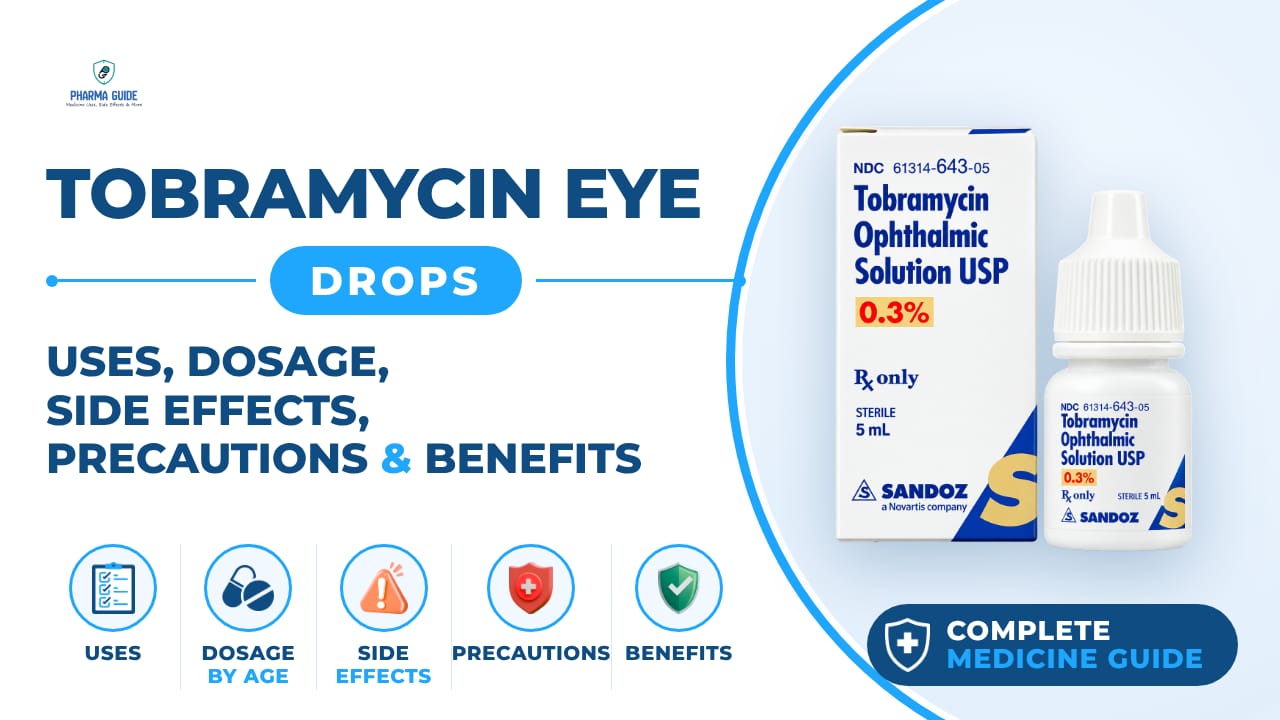
Tobramycin Eye Drops: Uses, Dosage, Side Effects, Precautions and Alternates
aminoglycoside antibiotic
Tobramycin Eye Drops treat bacterial eye infections like conjunctivitis and styes. Learn uses, dosage, side effects, and warnings before use.
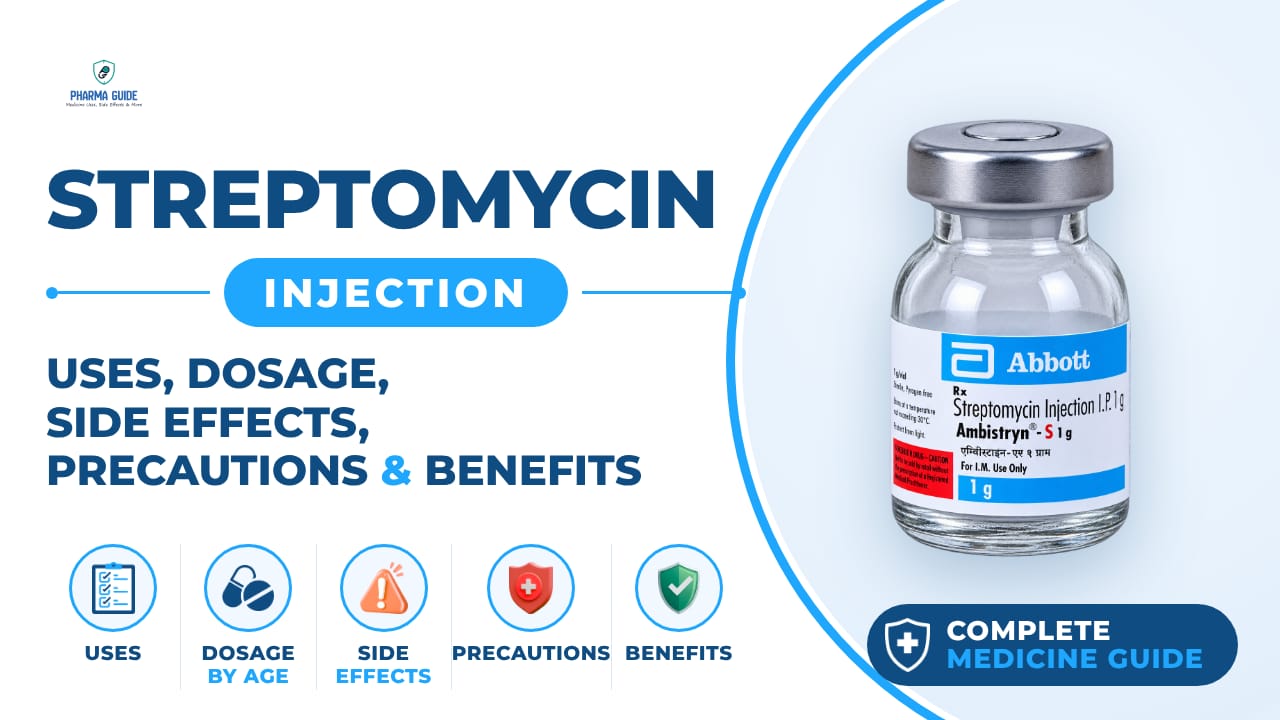
Streptomycin Injection: Uses, Dosage, Side Effects, Precautions and Alternates
Aminoglycoside antibiotic
Streptomycin Injection treats TB, pneumonia, and other bacterial infections. Learn about dosage, side effects, warnings, and precautions before treatment.