
Safety
General information, not medical advice
Your prescriber and the leaflet in your pack know your situation. This page does not.
- Follow your prescriber and the leaflet
- Don't start, stop, or change a dose on your own
- Doses and warnings differ by country and product
Neptazane Tablet: Uses, Dosage, Side Effects, Precautions and Alternates
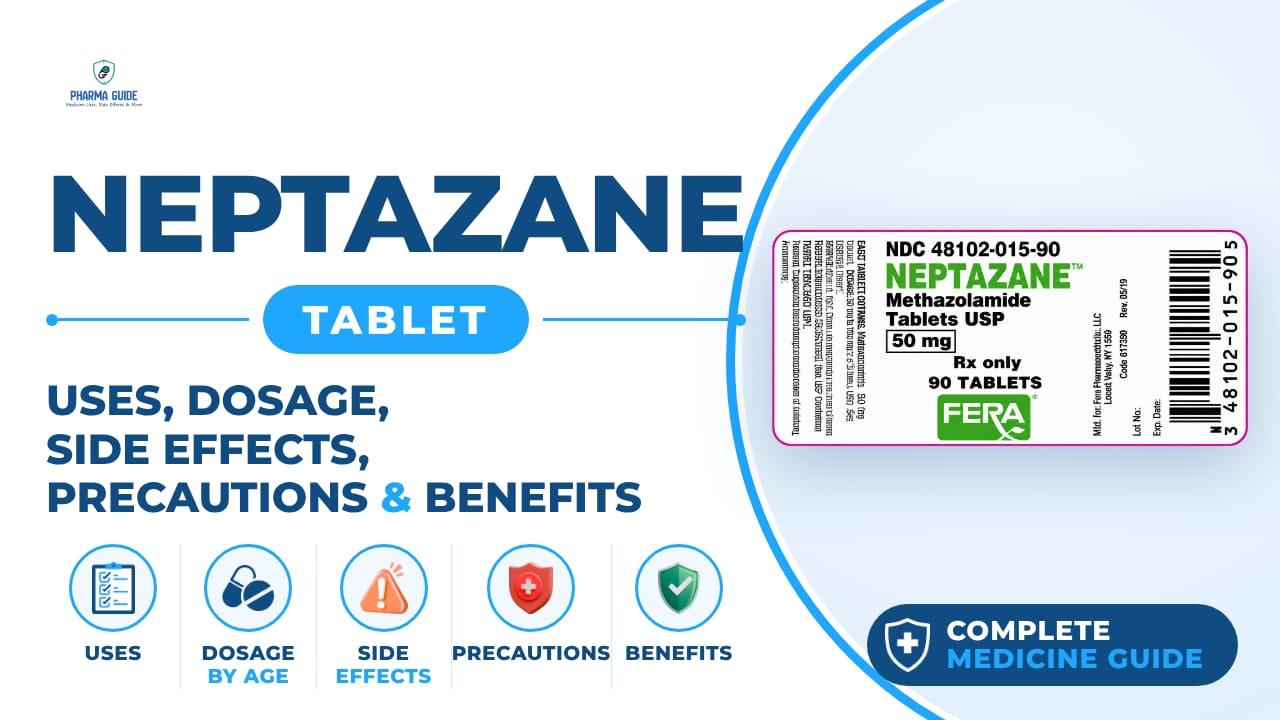
| Generic name | methazolamide |
|---|---|
| Drug class | Carbonic anhydrase inhibitors |
| Forms | Tablet |
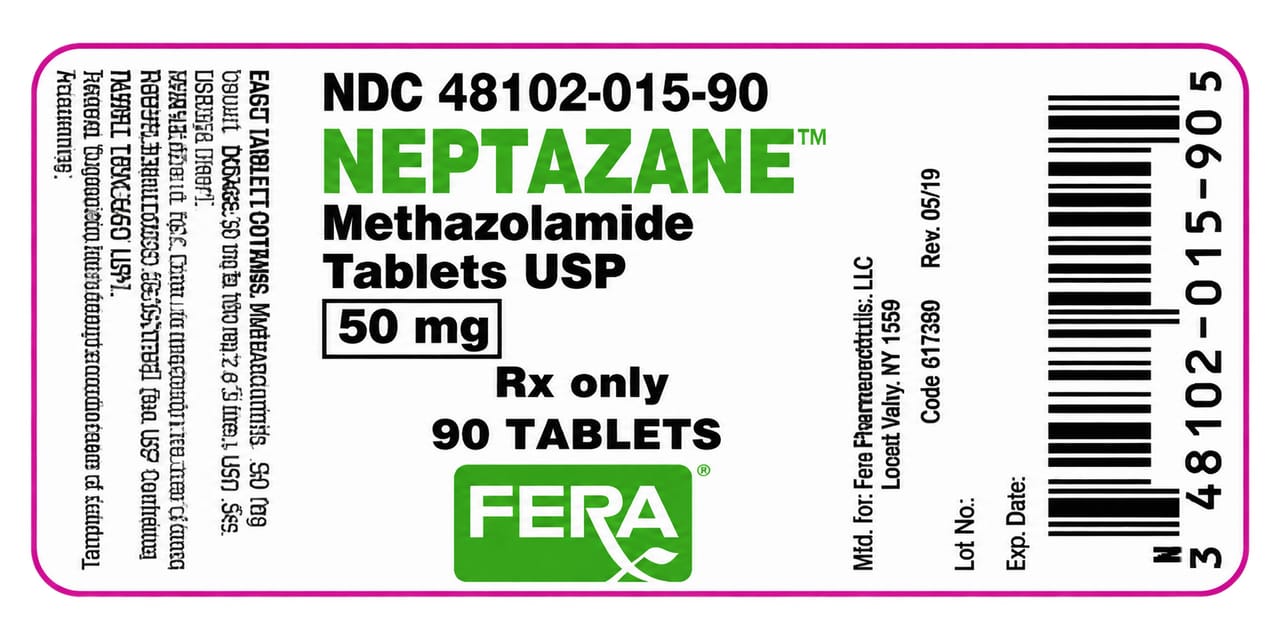
Quick overview
Neptazane Tablet contains methazolamide, a carbonic anhydrase inhibitor. It is used to lower pressure inside the eye in certain types of glaucoma, as a diuretic in congestive heart failure, for certain seizures, and to treat or prevent altitude sickness. It has been discontinued as a brand name in the U.S., but generic versions may be available. It works by blocking a protein called carbonic anhydrase, which slows fluid production in the eye.
What is Neptazane Tablet
Neptazane is a tablet medicine that reduces the activity of a protein in the body called carbonic anhydrase. It has been discontinued as a brand name in the U.S., but generic versions may be available.
Neptazane Tablet uses
- Lowers pressure inside the eye in people with certain types of glaucoma
- Used as a diuretic (water pill) in people with congestive heart failure to reduce fluid build-up (edema)
- Used to treat certain types of seizures
- Used to treat or prevent altitude sickness
Benefits of Neptazane Tablet
- Lowering high pressure inside the eye helps prevent blindness, vision loss, and nerve damage
How Neptazane Tablet works
Neptazane blocks a protein called carbonic anhydrase, which slows down production of fluid in the eye. This lowers the amount of fluid and reduces pressure inside the eye.
Neptazane Tablet dosage
Take this medicine by mouth as directed by your doctor, usually 2 or 3 times a day. It may be taken with food if it upsets your stomach. Drink plenty of fluids unless your doctor tells you otherwise, to lower the risk of kidney stones. Use this medication regularly and at the same times each day to get the most benefit. Keep taking it even if you feel well, since many people with glaucoma do not feel sick. Follow all directions on your prescription label and do not use more or less than recommended. This medicine is not approved for use by anyone younger than 18 years old.
If you miss a dose, take it as soon as you remember, but skip it if it is almost time for your next dose; do not double up.
| Age group | Dose |
|---|---|
| Under 18 years | Not established; use only under specialist supervision |
| 18–64 years | 50–100 mg, 2–3 times daily |
| 65+ years | 50–100 mg, 2–3 times daily; dose selection should be cautious, particularly with reduced kidney function |
Available forms and strengths
- Tablet
Side effects of Neptazane Tablet
Common
- Nausea, vomiting, loss of appetite, diarrhea
- Numbness or tingling, especially in your arms and legs
- Drowsiness, confusion
- Hearing problems, ringing in your ears
- Increased urination
- Altered sense of taste
- Dizziness or tiredness
Serious
- Blood in urine or stools
- A seizure (convulsions)
- Loss of movement in any part of your body
- Signs of a blood cell disorder: sudden weakness or ill feeling, fever, chills, sore throat, mouth sores, pale skin, feeling tired or short of breath, rapid heart rate, nosebleeds, bleeding gums
- Liver problems: nausea, upper stomach pain or swelling, tired feeling, loss of appetite, dark urine, clay-colored stools, yellowing of the skin or eyes
- Signs of metabolic acidosis: confusion, vomiting, lack of energy, irregular heartbeats
- Signs of a kidney stone: pain in your side or lower back, blood in your urine, painful or difficult urination
- Severe skin reaction: fever, sore throat, swelling in your face or tongue, burning in your eyes, skin pain followed by a red or purple skin rash that spreads and causes blistering and peeling
- Easy bleeding or bruising
- Fast or pounding heartbeat
Warnings and precautions
Do not use Neptazane if you have cirrhosis, severe liver or kidney disease, an electrolyte imbalance, adrenal gland failure, or an allergy to Neptazane or sulfa drugs. This medicine can make you more sensitive to sunlight, so avoid sun exposure and tanning beds, and use sunscreen and protective clothing outdoors. Tell your doctor if you have severe breathing problems or angle closure glaucoma, or if you take high doses of aspirin, before taking this medicine.
It is not known whether this medicine will harm an unborn baby. Tell your doctor if you are pregnant or plan to become pregnant. This medication should be used only when clearly needed during pregnancy.
It is not known whether this medicine passes into breast milk or if it could harm a nursing baby. You should not breastfeed while using this medicine.
Do not use this medicine if you have severe kidney disease. Tell your doctor about any history of kidney problems, including kidney stones.
Do not use this medicine if you have severe liver disease or cirrhosis.
Alcohol can make you more dizzy or drowsy while taking this medicine. Limit alcoholic beverages.
This medicine may impair your thinking or reactions. Be careful if you drive or do anything that requires you to be alert.
Storage
- Store at room temperature away from moisture and heat
- Keep the bottle tightly closed when not in use
- Store at room temperature away from light and moisture
- Do not store in the bathroom
- Keep all medications away from children and pets
- Do not flush medications down the toilet or pour them into a drain unless instructed to do so; properly discard this product when expired or no longer needed
When to see a doctor
Get emergency medical help right away if you have signs of an allergic reaction such as hives, difficulty breathing, or swelling of your face, lips, tongue, or throat. Call your doctor right away if you notice blood in urine or stools, a seizure, loss of movement in any part of your body, or signs of a serious blood, liver, kidney, or skin problem. If someone has overdosed and has serious symptoms such as passing out or trouble breathing, get emergency help right away; otherwise call your local poison control center for guidance.
Alternatives
- Dorzolamide
- Brinzolamide
- Brimonidine
Watch the video
FAQs
What is Neptazane Tablet used for?
It is used to lower pressure inside the eye in certain types of glaucoma, as a diuretic in congestive heart failure, for certain seizures, and to treat or prevent altitude sickness.
How does Neptazane Tablet work?
It blocks a protein called carbonic anhydrase, which slows down fluid production in the eye, lowering the amount of fluid and reducing pressure inside the eye.
What is the typical dosage of Neptazane Tablet?
For adults, the usual dose is 50–100 mg taken 2–3 times daily, as directed by a doctor. It is not approved for use in anyone younger than 18 years old.
What are the common side effects of Neptazane Tablet?
Common side effects include nausea, vomiting, loss of appetite, diarrhea, numbness or tingling, drowsiness, confusion, hearing problems, ringing in ears, increased urination, altered taste, and dizziness or tiredness.
Who should not take Neptazane Tablet?
It should not be used by people with cirrhosis, severe liver or kidney disease, an electrolyte imbalance, adrenal gland failure, or an allergy to Neptazane or sulfa drugs.
General information, not medical advice
Your prescriber and the leaflet in your pack know your situation. This page does not.
- Follow your prescriber and the leaflet
- Don't start, stop, or change a dose on your own
- Doses and warnings differ by country and product
Sources
Video
Related medicines
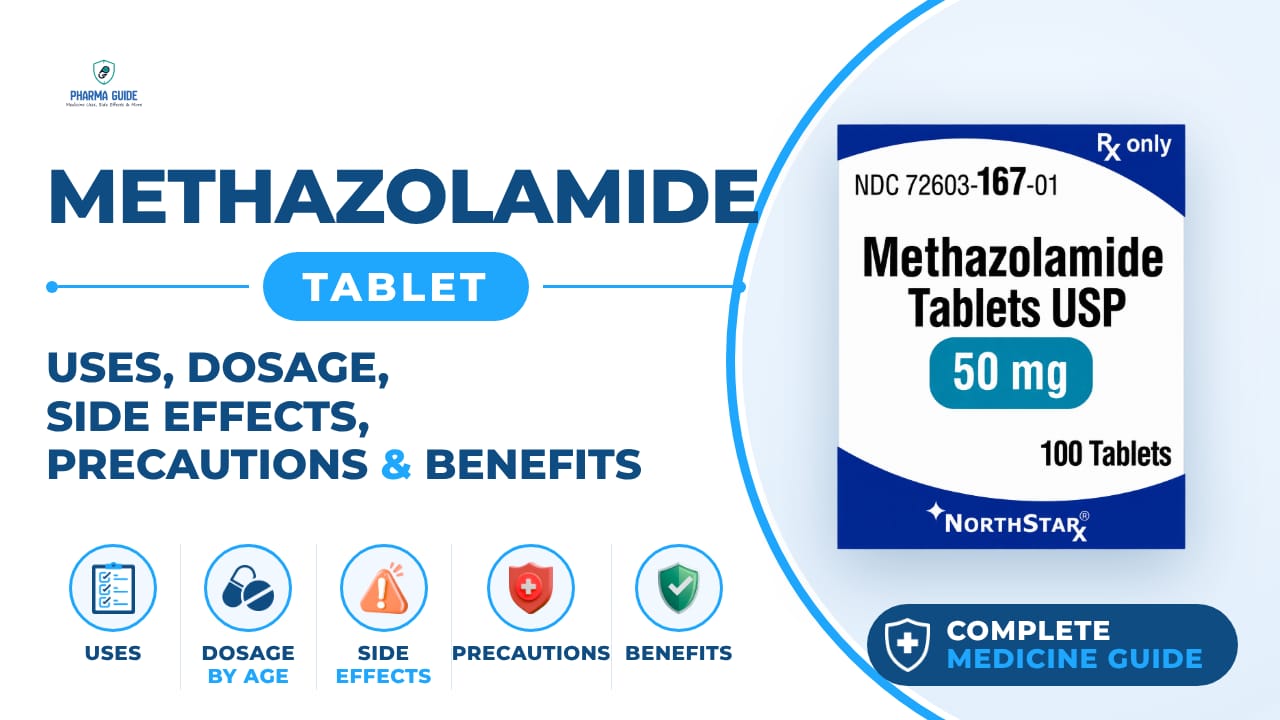
Methazolamide Tablet: Uses, Dosage, Side Effects, Precautions and Alternates
Carbonic anhydrase inhibitors
Methazolamide Tablet lowers eye pressure in glaucoma by blocking carbonic anhydrase. Learn uses, dosage, side effects, warnings, and alternatives.

Injectafer Injection: Uses, Dosage, Side Effects, Precautions and Alternates
Iron products
Injectafer (ferric carboxymaltose) treats iron deficiency anemia and heart failure-related iron deficiency via IV. Learn uses, dosage, side effects, and