
Safety
General information, not medical advice
Your prescriber and the leaflet in your pack know your situation. This page does not.
- Follow your prescriber and the leaflet
- Don't start, stop, or change a dose on your own
- Doses and warnings differ by country and product
Nimesulide Tablet: Uses, Dosage, Side Effects, Precautions and Alternates
| Generic name | Nimesulide |
|---|---|
| Drug class | Non-steroidal anti-inflammatory drug (NSAID) |
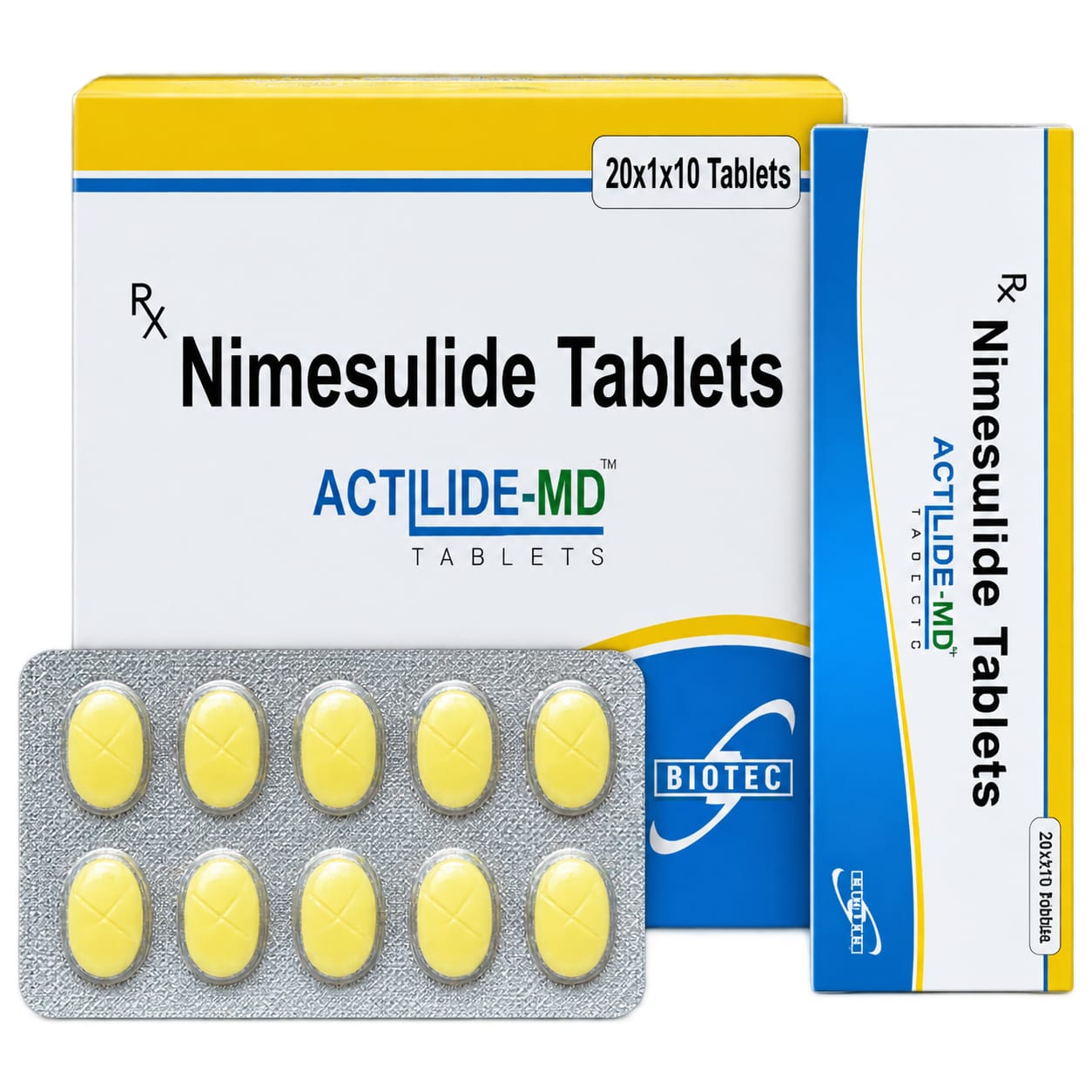
| Forms | Tablet, Syrup, Capsule, Tablet DT, Tablet MD, Injectable, Oral drops, Solution, Gel, Suppository, Powder or granules for oral suspension |
Quick overview
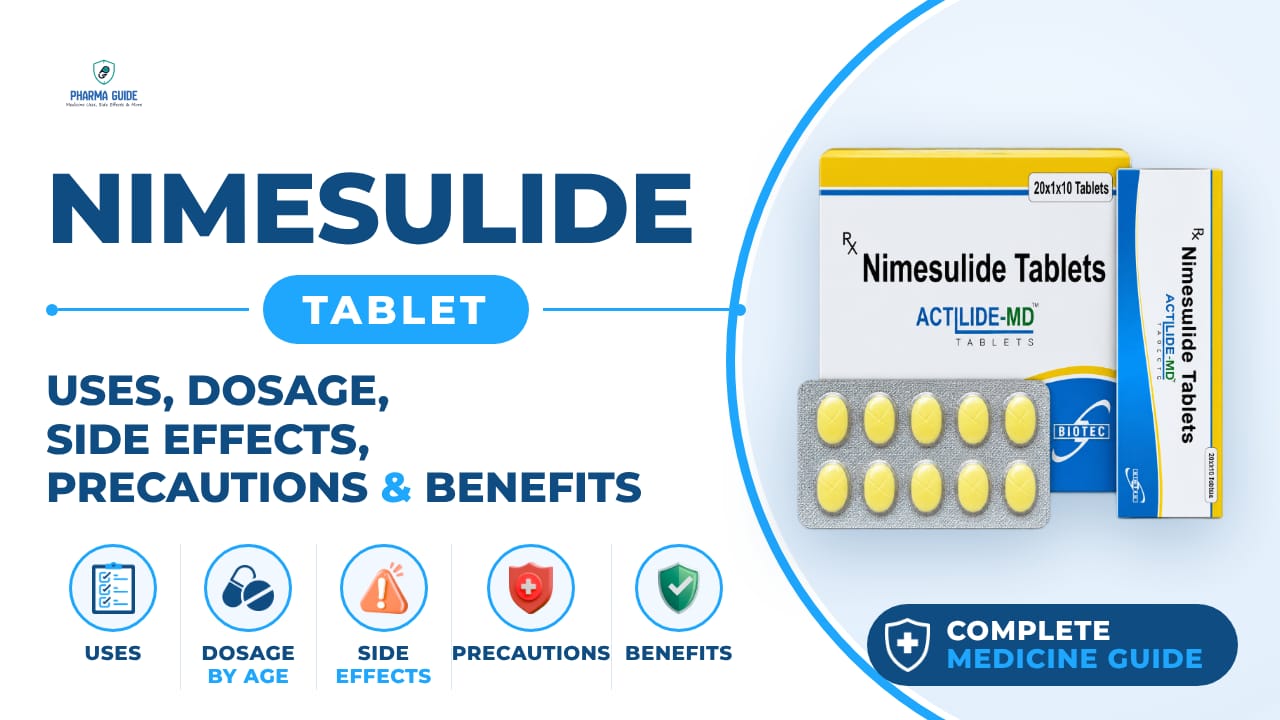
Nimesulide Tablet is a non-steroidal anti-inflammatory drug (NSAID) used to relieve pain, swelling, and inflammation. It mainly works on COX-2 and is commonly used for menstrual cramps, acute pain, joint problems such as arthritis, and pain following surgery or dental work. Treatment should be kept short, with a maximum duration of 15 days, and it should not be used in children under 12 years of age due to the risk of liver damage.
What is Nimesulide Tablet
Nimesulide is a non-steroidal anti-inflammatory drug (NSAID) that has pain-relieving and fever-reducing effects and mainly works on COX-2. It is used to relieve pain, swelling, and inflammation.
Nimesulide Tablet uses
- Relieves mild to moderate pain from menstrual cramps (primary dysmenorrhoea)
- Relieves acute (short-term) pain
- Reduces pain, swelling, and inflammation from joint problems such as arthritis
- Eases pain from surgery, dental pain, and mild sprains and strains
- Relieves ear, nose, and throat pain
- Can help reduce fever along with treating pain and inflammation
Benefits of Nimesulide Tablet
- Relieves pain and inflammation, often within a short time of taking it
- At least as effective as other NSAID pain relievers for short-term pain
How Nimesulide Tablet works
Nimesulide lowers the number of pain signals sent to the brain and stops the body from making prostaglandins, which are substances that carry pain and heat signals to the brain.
Nimesulide Tablet dosage
Take your tablet or capsule with water and swallow it whole. Never eat, break, or crush it. If the tablet is mouth-dissolving, place it on your tongue and let it dissolve fully in your mouth before swallowing. Before using a dispersible pill, read the label. Dissolve the pill in the required amount of water and drink the contents. Shake the suspension bottle carefully before using it, and take it by mouth using the measuring cup or dropper included in the package.
Nimesulide can be taken with or without food, but taking it with food may help reduce the risk of stomach upset. Nimesulide should not be used in children under 12, as it carries a serious risk of liver damage. Treatment should be kept short, with a maximum treatment duration of 15 days, to reduce the risk of liver problems.
| Age group | Dose |
|---|---|
| Under 12 years | Not recommended |
| 12–17 years | Generally not recommended unless specifically approved/prescribed locally |
| 18–64 years | Where approved, commonly 100 mg twice daily after meals; use for the shortest appropriate duration |
| 65+ years | Generally requires medical assessment; use the lowest effective dose if prescribed |
Available forms and strengths
- Tablet
- Syrup
- Capsule
- Tablet DT
- Tablet MD
- Injectable
- Oral drops
- Solution
- Gel
- Suppository
- Powder or granules for oral suspension
Side effects of Nimesulide Tablet
Common
- Acid or sour stomach
- Dizziness
- Stomach pain and cramps
- Nausea and vomiting
- Diarrhoea
- Indigestion
Serious
- Liver damage or increased liver enzymes
- Gastrointestinal bleeding
- Kidney problems
- Skin infection
- Blood clotting problems
Warnings and precautions
- Nimesulide is not advised during pregnancy.
- Nimesulide is not advised for nursing mothers.
- Long-term use may cause kidney problems. The kidney safety of nimesulide is considered comparable to other NSAIDs.
- Long-term use may harm the liver, and nimesulide carries an increased risk of liver toxicity compared with other anti-inflammatory treatments. Children under 12 should not use it because of a serious risk of liver damage.
- Nimesulide is not advised if you have alcoholism.
- Nimesulide may cause lightheadedness or eyesight problems, so avoid driving or operating machinery after taking it.
- Tell your doctor before taking Nimesulide if you have asthma, recent heart bypass surgery, heart disease, an active stomach ulcer, recent gastrointestinal bleeding, or a history of medication allergy.
- Children under 12 should not use Nimesulide because it carries a serious risk of liver damage.
- Only stop using this medication after talking to your doctor, and report any adverse effects to your doctor.
- Nimesulide should be used only as a second choice, and only for the treatment of acute pain or period pains. It should no longer be used to treat painful osteoarthritis.
- Tell your doctor before using Nimesulide if you have any drug allergies, as the product may contain inactive substances that cause allergic reactions.
Storage
- Store the medication at room temperature, between 20 and 25C (68 and 77F).
- Keep this medication in a cool, dry environment and in the original box or container until it is time to take it.
- Keep this medicine out of the reach and sight of children.
When to see a doctor
- If you notice any symptoms while taking Nimesulide, speak with your doctor immediately, and get quick medical attention if you have any severe side effects.
- If you take more Nimesulide than recommended, it may be a medical emergency. Contact your doctor or nearest hospital right away.
Alternatives
- Ibuprofen
- Naproxen
- Diclofenac
- Aceclofenac
- Meloxicam
- Celecoxib
- Etoricoxib
Watch the video
FAQs
What is Nimesulide Tablet used for?
It is used to relieve mild to moderate pain from menstrual cramps, acute pain, joint problems such as arthritis, pain from surgery or dental work, mild sprains and strains, and ear, nose, and throat pain. It can also help reduce fever.
Can children take Nimesulide Tablet?
No, Nimesulide should not be used in children under 12 years of age due to a serious risk of liver damage.
How long can I take Nimesulide Tablet?
Treatment should be kept short, with a maximum duration of 15 days, to reduce the risk of liver problems.
What are the common side effects of Nimesulide Tablet?
Common side effects include acid or sour stomach, dizziness, stomach pain and cramps, nausea and vomiting, diarrhoea, and indigestion.
Is Nimesulide Tablet safe during pregnancy?
No, Nimesulide is not advised during pregnancy or for nursing mothers.
General information, not medical advice
Your prescriber and the leaflet in your pack know your situation. This page does not.
- Follow your prescriber and the leaflet
- Don't start, stop, or change a dose on your own
- Doses and warnings differ by country and product
Sources
Video
Related medicines
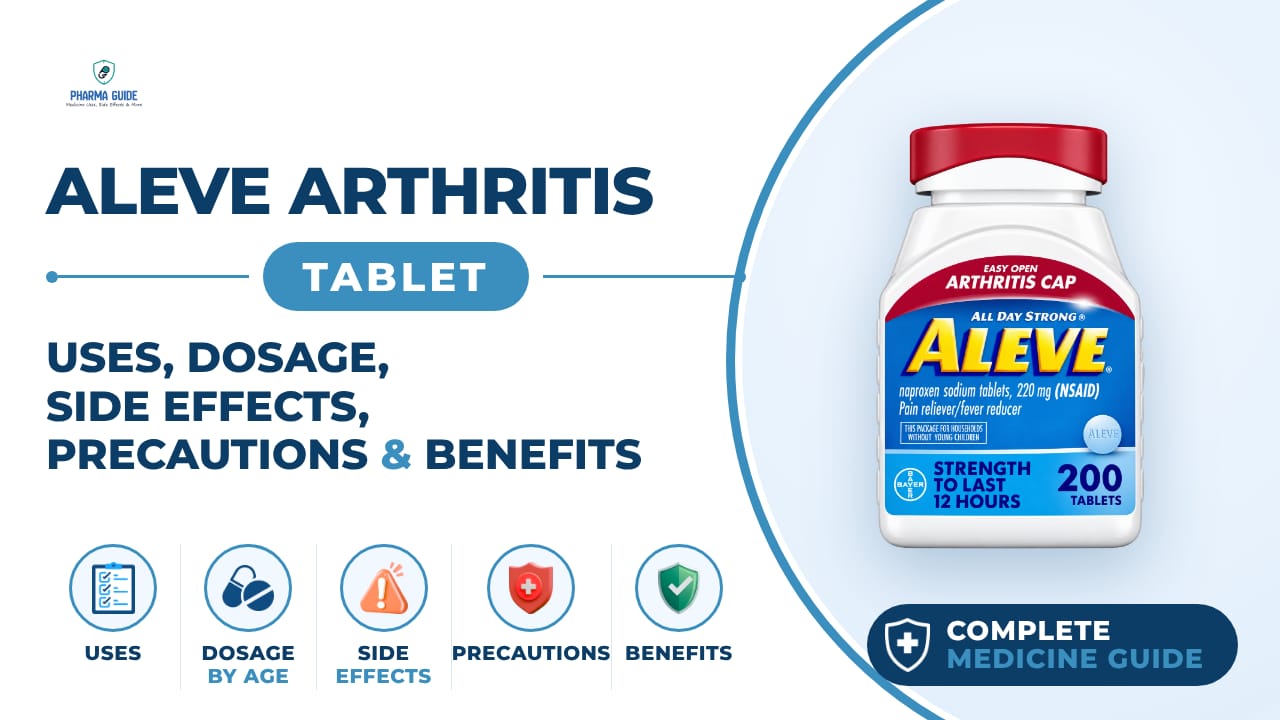
Aleve Arthritis Tablet: Uses, Dosage, Side Effects, Precautions and Alternates
Non-steroidal anti-inflammatory drug (NSAID)
Aleve Arthritis Tablet (naproxen sodium 220 mg) relieves pain, inflammation, and fever. Learn uses, dosage, side effects, warnings, and alternatives.
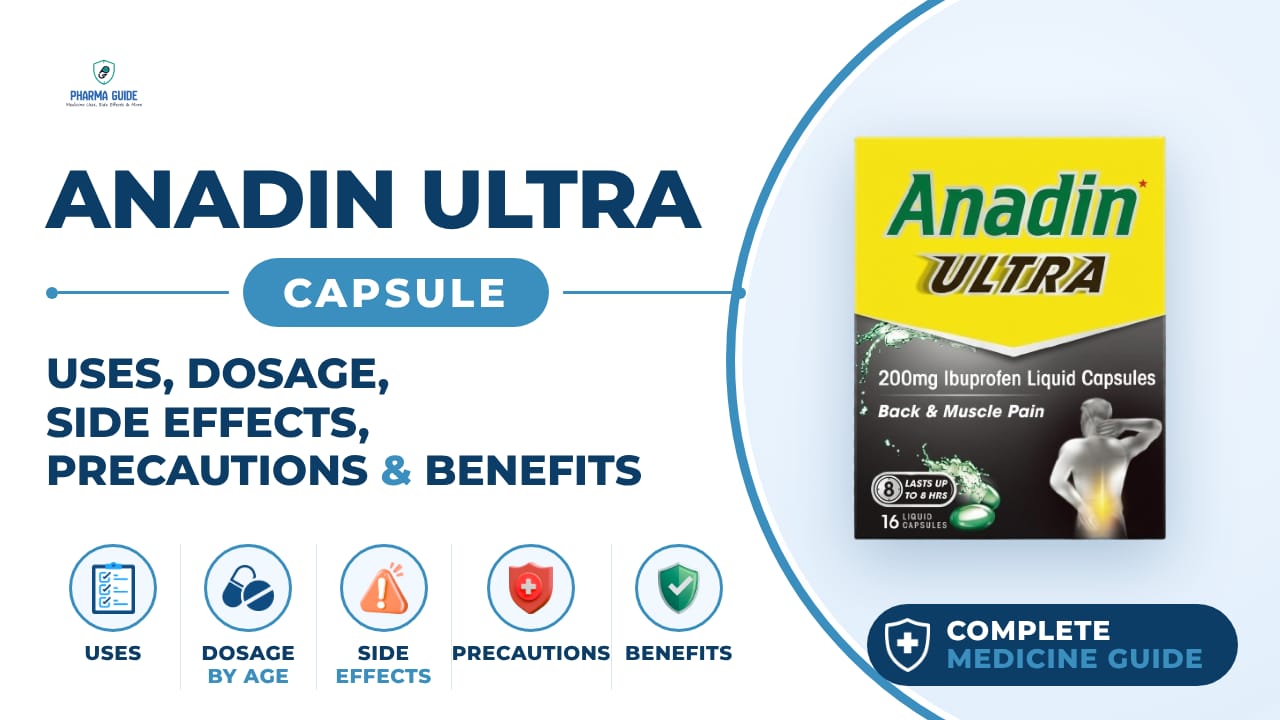
Anadin Ultra Capsule: Uses, Dosage, Side Effects, Precautions and Alternates
Non-steroidal anti-inflammatory drug (NSAID)
Anadin Ultra Capsule contains 200mg ibuprofen in a fast-dissolving liquid gel. Learn its uses, dosage, side effects and precautions before taking it.