
Safety
General information, not medical advice
Your prescriber and the leaflet in your pack know your situation. This page does not.
- Follow your prescriber and the leaflet
- Don't start, stop, or change a dose on your own
- Doses and warnings differ by country and product
Nuvigil Tablet: Uses, Dosage, Side Effects, Precautions and Alternates
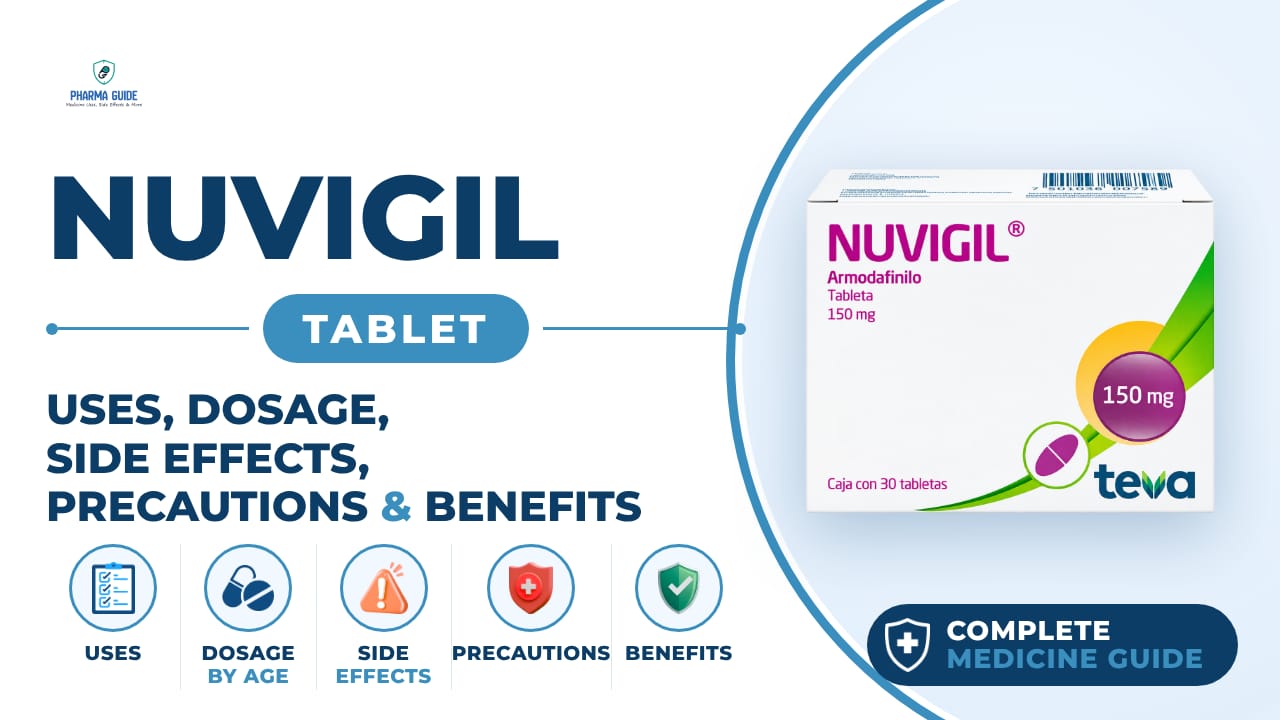
| Generic name | armodafinil |
|---|---|
| Drug class | CNS stimulants |
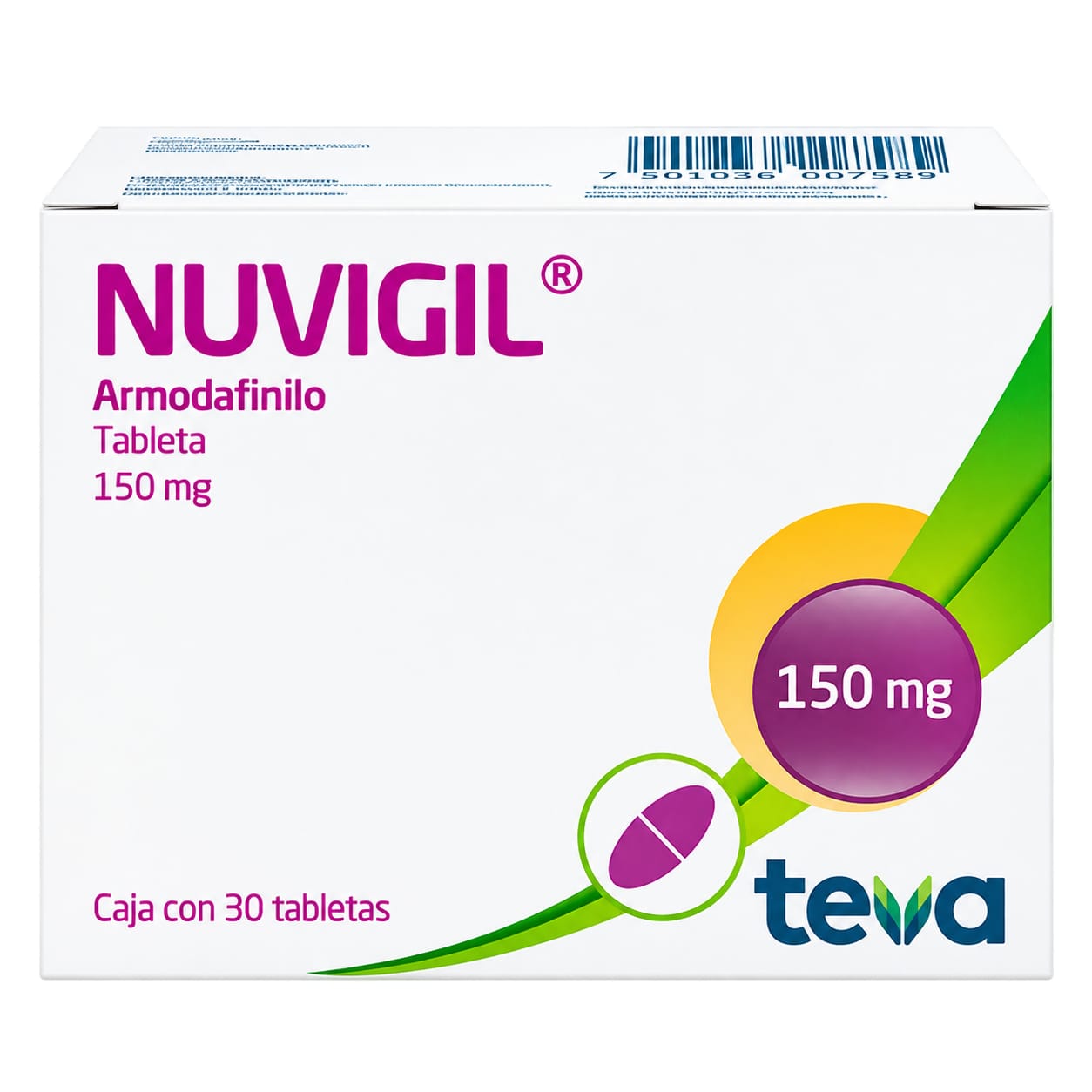
| Forms | Oral tablets (50 mg, 150 mg, 200 mg, and 250 mg) |
Quick overview
Nuvigil Tablet contains armodafinil, part of the CNS stimulants drug class. It is a prescription tablet that helps adults stay awake when they have too much sleepiness from narcolepsy, obstructive sleep apnea (OSA), or shift work disorder. It is taken along with other treatments for these sleep problems and is not a cure.
What is Nuvigil Tablet
Nuvigil is a prescription tablet that helps adults stay awake when they have too much sleepiness from narcolepsy, obstructive sleep apnea (OSA), or shift work disorder. It is taken along with other treatments for these sleep problems and is not a cure.
Nuvigil Tablet uses
- Improve wakefulness in adults with narcolepsy
- Improve wakefulness in adults with obstructive sleep apnea (OSA), used together with other treatments like a CPAP machine
- Help adults stay awake during work hours when shift work disrupts normal sleep (shift work sleep disorder)
Benefits of Nuvigil Tablet
- May help reduce excessive daytime sleepiness caused by narcolepsy, OSA, or shift work disorder
- Used alongside other treatments such as a CPAP machine rather than replacing them
How Nuvigil Tablet works
Doctors are not completely sure how Nuvigil works, but it is thought to affect certain brain chemicals involved in controlling the sleep-wake cycle, possibly by blocking a protein that moves dopamine in the brain.
Nuvigil Tablet dosage
Take Nuvigil exactly as your doctor prescribed and follow the directions on your prescription label. It is usually taken once a day. For narcolepsy or OSA, it is usually taken each morning to prevent daytime sleepiness. For shift work disorder, it is usually taken about one hour before the start of a work shift.
Nuvigil can be taken with or without food, though it may take longer to work if taken with food. Do not change the time of day you take it unless your doctor tells you to; taking it too close to bedtime may make it harder to fall asleep. If you use this medicine for sleep apnea, continue using your CPAP machine or other prescribed treatments unless your doctor tells you to stop.
Take it regularly to get the most benefit. Avoid large amounts of caffeine (coffee, tea, colas, chocolate) since caffeine can increase side effects.
If you miss a dose, take it as soon as you remember, but skip it if it's close to bedtime or if you don't plan to stay awake for several hours; do not double up to make up for a missed dose. Do not suddenly stop taking this medicine without talking to your doctor, since stopping suddenly may cause withdrawal symptoms.
Use exactly as prescribed by your doctor or pharmacist.
Available forms and strengths
- Oral tablets (50 mg, 150 mg, 200 mg, and 250 mg)
Side effects of Nuvigil Tablet
Common
- Headache
- Dizziness
- Nausea
- Insomnia (trouble sleeping)
- Diarrhea
- Decreased appetite
- Dry mouth
- Nervousness
- Indigestion (upset stomach)
- Fatigue
Serious
- Serious skin reactions that spread and cause blistering and peeling
- Skin rash, hives, or sores in the mouth
- Fever, sore throat, or burning in the eyes
- Swelling of the face, eyes, lips, tongue, throat, or lymph nodes
- Trouble swallowing, breathing, or hoarseness
- Shortness of breath, flu-like symptoms, swelling of the legs, yellowing of the skin or eyes, or dark urine (possible liver problems)
- Depression or thoughts of suicide
- Hallucinations (seeing, hearing, or feeling things that are not there)
- Feeling anxious, extreme increase in activity and talking (mania), or aggressive behavior
- Chest pain, high blood pressure, abnormal heartbeats, or trouble breathing (heart problems)
- Persistent daytime sleepiness despite taking the medicine
Warnings and precautions
This medicine can cause a serious rash or severe allergic reaction that may need hospital treatment and can be life-threatening. Stop taking it and get medical help right away if you notice a rash or related symptoms.
Nuvigil has potential for misuse and dependence and is a controlled substance. Never share it with others, and keep it in a safe place.
This medicine can make certain hormonal birth control methods less effective, raising the chance of pregnancy during treatment and for a month after stopping.
Stopping this medicine suddenly after long-term use may cause withdrawal symptoms like shaking, sweating, chills, nausea, and vomiting.
This medicine is not approved for use in children because its safety and effectiveness have not been established in that age group.
It's not known if Nuvigil can harm an unborn baby, but it has been linked to poor fetal growth and miscarriage. Use effective birth control while taking it, since it can make hormonal birth control less effective, and tell your doctor right away if you become pregnant.
It isn't known whether Nuvigil passes into breast milk or whether it could affect a nursing baby. Talk to your doctor about the best way to feed your baby if you take this medicine.
Tell your doctor if you have kidney disease, so they can decide if this medicine is safe for you.
People with severe liver disease may need a lower dose of this medicine. Tell your doctor about any liver problems you have.
Avoid drinking alcohol while taking Nuvigil, since it isn't known how alcohol will affect you during treatment.
Don't drive or do other dangerous activities until you know how this medicine affects you, since it can cause dizziness and may not fully relieve your sleepiness.
Storage
- Store Nuvigil at room temperature between 68° to 77°F (20° to 25°C) away from moisture and heat
- Keep out of the reach of children
- Store at room temperature away from light and moisture
- Do not store in the bathroom
- Keep all medications away from children and pets
- Do not flush medications down the toilet or pour them into a drain unless instructed to do so
- Properly discard this product when it is expired or no longer needed; consult your pharmacist or local waste disposal company
When to see a doctor
Stop taking Nuvigil and get emergency help if you notice a severe skin reaction that spreads with blistering and peeling, a rash, hives, sores in the mouth, fever, swelling of the face or throat, or trouble breathing or swallowing.
Get urgent medical help if you develop chest pain, an irregular heartbeat, or trouble breathing, which could be signs of a heart problem.
Tell your doctor immediately if you have thoughts of suicide, depression, hallucinations, extreme mood or behavior changes, or aggressive behavior.
If you suspect an overdose, get emergency medical help right away or contact poison control.
Alternatives
- Pitolisant
- Solriamfetol
- Modafinil
Watch the video
FAQs
What is Nuvigil Tablet used for?
Nuvigil is used to improve wakefulness in adults with narcolepsy, obstructive sleep apnea (used along with treatments like a CPAP machine), or shift work sleep disorder.
How should I take Nuvigil Tablet?
Take Nuvigil once daily as prescribed, usually each morning for narcolepsy or OSA, or about one hour before a work shift for shift work disorder. It can be taken with or without food, though food may delay its effect.
What are the common side effects of Nuvigil?
Common side effects include headache, dizziness, nausea, insomnia, diarrhea, decreased appetite, dry mouth, nervousness, indigestion, and fatigue.
Can Nuvigil affect birth control?
Yes, Nuvigil can make certain hormonal birth control methods less effective, increasing the chance of pregnancy during treatment and for a month after stopping.
Is it safe to stop taking Nuvigil suddenly?
No, stopping Nuvigil suddenly after long-term use may cause withdrawal symptoms like shaking, sweating, chills, nausea, and vomiting, so you should talk to your doctor first.
General information, not medical advice
Your prescriber and the leaflet in your pack know your situation. This page does not.
- Follow your prescriber and the leaflet
- Don't start, stop, or change a dose on your own
- Doses and warnings differ by country and product
Sources
Video
Related medicines
Concerta Tablet: Uses, Dosage, Side Effects, Precautions and Alternates
CNS stimulants
Concerta Tablet is an extended-release stimulant for ADHD in children, teens, and adults. Learn uses, dosage, side effects, and precautions.
Amphetamine Sulfate Tablet: Uses, Dosage, Side Effects, Precautions and Alternates
CNS stimulants
Amphetamine Sulfate Tablet is a Schedule II CNS stimulant used for narcolepsy, ADHD, and short-term obesity treatment. Learn dosage, side effects, and