
Safety
General information, not medical advice
Your prescriber and the leaflet in your pack know your situation. This page does not.
- Follow your prescriber and the leaflet
- Don't start, stop, or change a dose on your own
- Doses and warnings differ by country and product
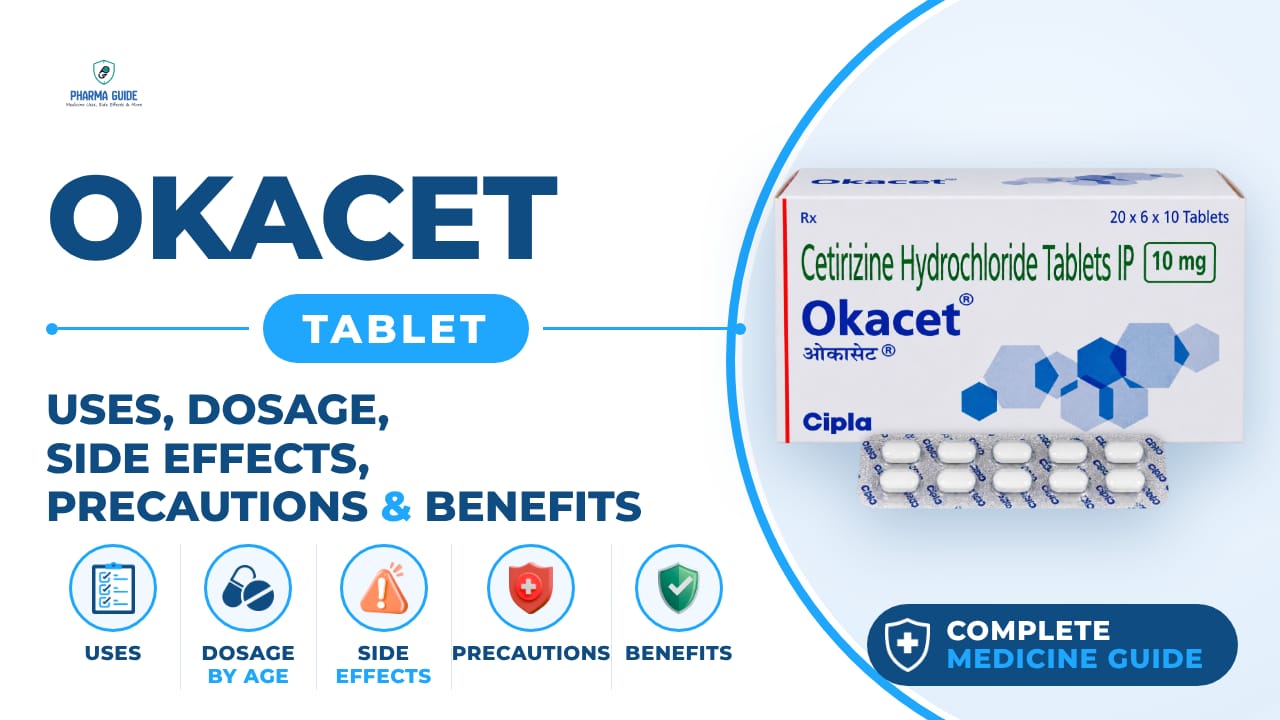
Okacet Tablet: Uses, Dosage, Side Effects, Precautions and Alternates
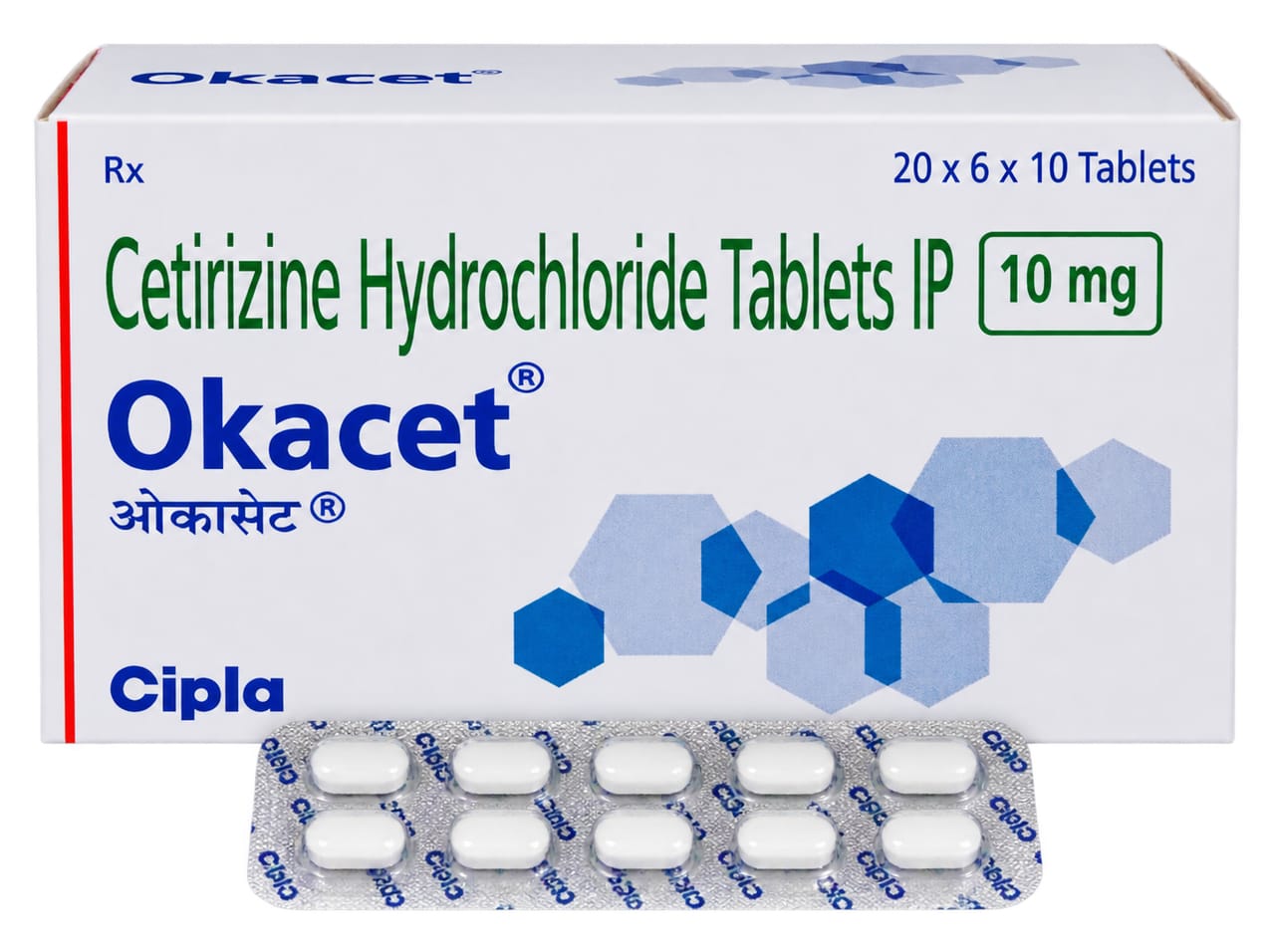
| Generic name | Cetirizine |
|---|---|
| Drug class | Antihistamine |
| Forms | Tablet, Syrup |
Quick overview
Okacet Tablet contains cetirizine, an antihistamine, and is used to treat common allergy symptoms such as sneezing, runny nose, itchy throat, and itchy or watery eyes. It works by blocking histamine, the chemical responsible for allergic reactions. It is available as a tablet and as a syrup and is generally taken once daily, with dosing depending on age.
What is Okacet Tablet
Okacet Tablet is an anti-allergic medicine that contains cetirizine, an antihistamine. It is used to treat common allergy symptoms such as sneezing, runny nose, itchy throat, itchy or watery eyes, and skin rash.
Okacet Tablet uses
- Allergic Rhinitis: Relieves sneezing, runny nose, nasal congestion and post-nasal drip from hay fever or seasonal triggers
- Chronic Urticaria: Calms itching, swelling and rashes from hives
- Common Cold symptoms
- Eye Allergies: Eases itchy, red, or watery eyes
- Skin Allergies and Hives, including insect bites
Benefits of Okacet Tablet
- Allergy Relief: Helps relieve sneezing, runny nose, and nasal itching.
- Itch Relief: Helps reduce itching caused by allergic reactions.
- Hives Relief: Helps manage itching and symptoms associated with urticaria.
- Eye Symptom Relief: Helps reduce allergy-related watery and itchy eyes.
- Histamine Control: Blocks histamine to reduce common allergy symptoms.
- Long-Lasting Relief: Generally provides symptom control for about 24 hours.
How Okacet Tablet works
Okacet Tablet works by blocking the action of histamine, a chemical the body releases during an allergic reaction, which stops symptoms like sneezing, itching, and runny nose.
Okacet Tablet dosage
Okacet Tablet can be taken with or without food. Finish the entire course of treatment even if you feel better after a few doses, since stopping early may cause symptoms to come back. If you still feel unwell after completing the treatment course, tell your doctor. This medicine is not recommended for children below 6 years of age.
| Age group | Dose |
|---|---|
| 2–5 Years | 2.5 mg once daily; may be adjusted as directed |
| 6–11 Years | 5–10 mg once daily |
| 12 Years and Above | 10 mg once daily |
Available forms and strengths
- Tablet
- Syrup
Side effects of Okacet Tablet
Common
- Sleepiness/drowsiness
- Tiredness/fatigue
- Dizziness
- Headache
- Diarrhoea
- Nausea or vomiting
- Dry mouth
- Stomach pain/discomfort
- Change or loss of taste
- Blurred vision
- Cough
- Vertigo
- Rash
Serious
- Conjunctivitis
- Constipation
Warnings and precautions
- Avoid this medicine if you are allergic to it or any of its ingredients. Patients with end-stage kidney disease should not take this tablet, and those unable to empty their bladder due to spinal cord injury or an enlarged prostate should also use it with caution.
- Do not take this medicine if you have kidney disease or liver disease unless your doctor tells you to. Do not take a double dose to make up for a missed one, as this may cause harmful effects.
- An overdose can cause dizziness, nausea, rashes, or severe allergic reactions.
- Due to a lack of enough safety data in pregnant women, the risk to the developing baby is not known. Use this medicine during pregnancy only if your doctor prescribes it.
- This medicine passes into breast milk. A high dose or prolonged use may cause drowsiness and other effects on your baby, so talk to your doctor if you are breastfeeding.
- People with kidney disease should use this medicine cautiously, as it is mainly removed from the body through the kidneys. A dose adjustment or close monitoring may be needed.
- Caution is needed in people with liver disease since the liver processes this medicine. A dose adjustment or close monitoring may be needed.
- Drinking alcohol while taking this medicine may cause excessive drowsiness and can affect your ability to drive or operate machinery, so it's best to avoid alcohol.
- This medicine can cause drowsiness or dizziness, so avoid driving or operating machinery until you know how it affects you.
Storage
Okacet-L tablet should be stored at room temperature, not exceeding 30°C, and kept away from moisture and heat. Keep it out of the reach of children and pets and store it in its original packaging until ready to use. Before taking the tablet, it is essential to check the expiration date and dispose of it properly if it has expired or is no longer needed.
When to see a doctor
- If side effects do not improve or become serious, speak to your doctor right away.
- If you suspect you have taken more than the prescribed dose, get medical help right away to prevent further complications.
- If you still feel unwell even after completing your treatment course, tell your doctor.
Alternatives
- Levocetirizine
- Loratadine
- Desloratadine
Watch the video
FAQs
What is Okacet Tablet used for?
Okacet Tablet is used to treat allergic rhinitis, chronic urticaria, common cold symptoms, eye allergies, and skin allergies and hives, including insect bites.
How does Okacet Tablet work?
It works by blocking the action of histamine, a chemical the body releases during an allergic reaction, which stops symptoms like sneezing, itching, and runny nose.
What is the dosage of Okacet Tablet?
Dosage depends on age: 2.5 mg once daily for 2-5 years, 5-10 mg once daily for 6-11 years, and 10 mg once daily for those 12 years and above. It is not recommended for children below 6 years of age.
What are the common side effects of Okacet Tablet?
Common side effects include sleepiness, tiredness, dizziness, headache, diarrhoea, nausea or vomiting, dry mouth, stomach discomfort, change or loss of taste, blurred vision, cough, vertigo, and rash.
Can I drink alcohol while taking Okacet Tablet?
Drinking alcohol while taking this medicine may cause excessive drowsiness and can affect your ability to drive or operate machinery, so it's best to avoid alcohol.
General information, not medical advice
Your prescriber and the leaflet in your pack know your situation. This page does not.
- Follow your prescriber and the leaflet
- Don't start, stop, or change a dose on your own
- Doses and warnings differ by country and product
Sources
- KD. Tripathi. Essentials of Medical Pharmacology. Seventh edition. 2013.
- CDSCO [Internet]. Cdscoonline.gov.in. 2021
- Levocetirizine 5 mg film-coated tablets - Patient Information Leaflet (PIL) - (emc) [Internet]. Medicines.org.uk. 2021
- Levocetirizine 5 mg film-coated tablets - Summary of Product Characteristics (SmPC) - (emc) [Internet]. Medicines.org.uk. 2021
- April Hazard Vallerand, Cynthia A. Sanoski. Sixteenth Edition. Philadelphia, China: F. A. Davis Company; 2019
- US Food and Drug Administration (FDA) [Internet]. Maryland. USA; Package leaflet information for the user; ZYRTEC® (cetirizine hydrochloride) Tablets and Syrup For Oral Use
Video
Related medicines
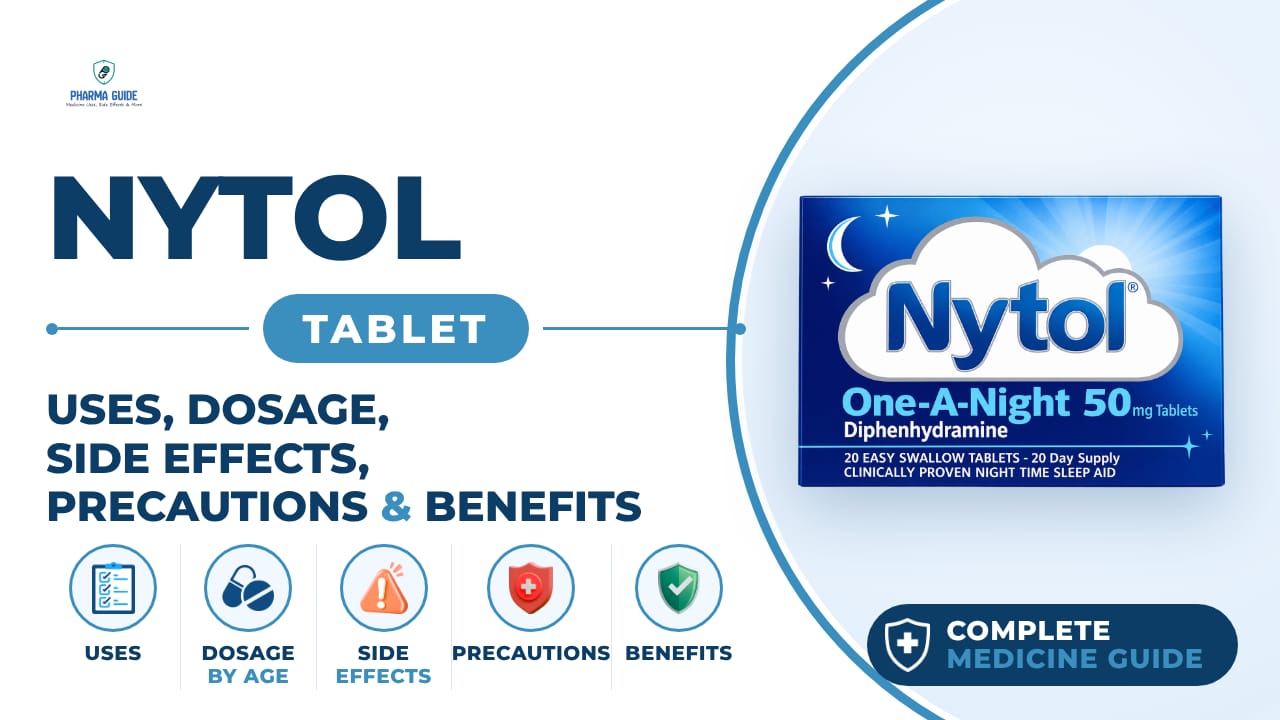
Nytol Tablet: Uses, Dosage, Side Effects, Precautions and Alternates
Antihistamine
Nytol Tablet contains diphenhydramine, used for short-term relief of occasional sleeplessness. Learn its dosage, benefits, side effects, and precautions.
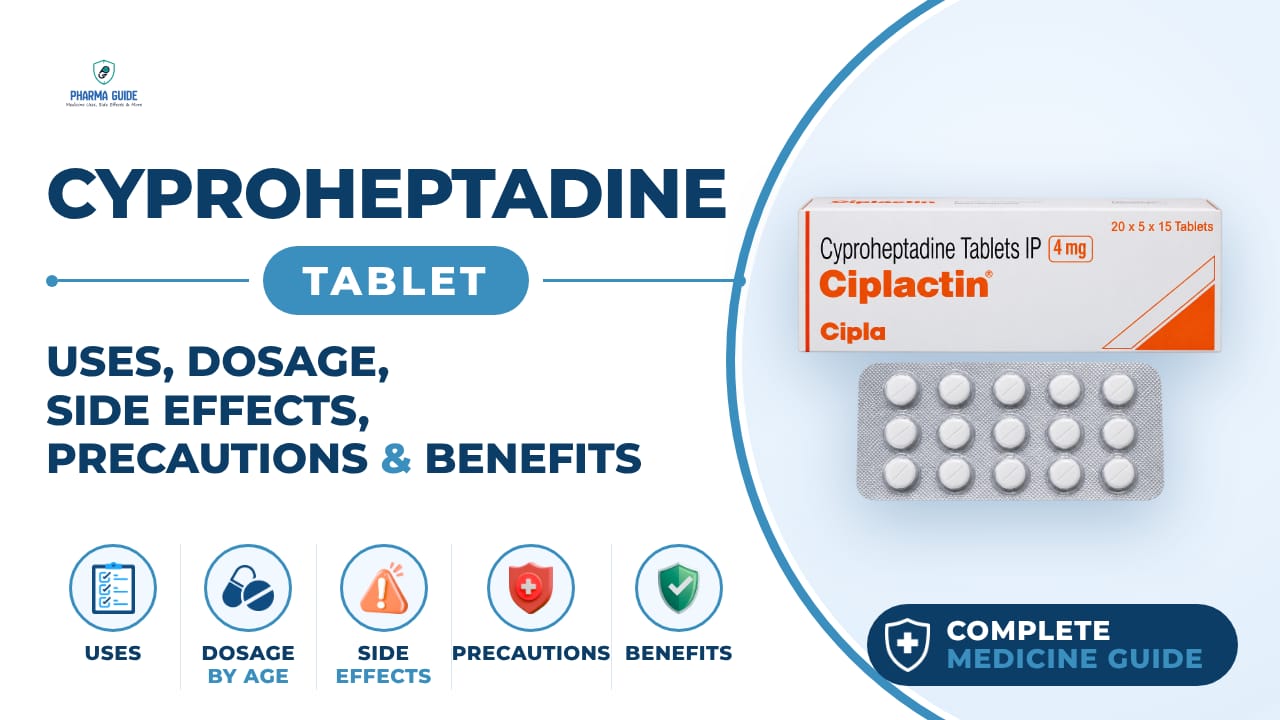
Cyproheptadine Tablet: Uses, Dosage, Side Effects, Precautions and Alternates
Antihistamine
Cyproheptadine Tablet is an antihistamine used for allergies, hives, and migraine headaches. Learn its uses, dosage, side effects, and precautions.