
Safety
General information, not medical advice
Your prescriber and the leaflet in your pack know your situation. This page does not.
- Follow your prescriber and the leaflet
- Don't start, stop, or change a dose on your own
- Doses and warnings differ by country and product
Oxymorphone Tablet: Uses, Dosage, Side Effects, Precautions and Alternates
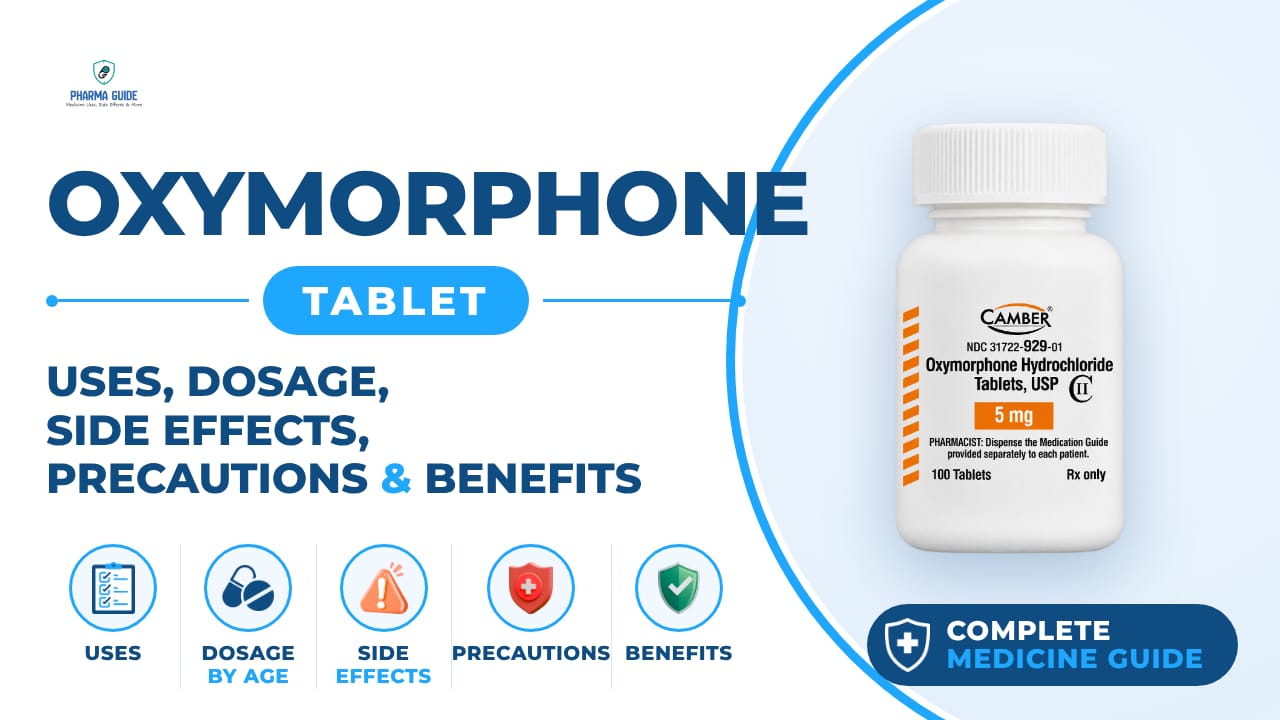
| Generic name | oxymorphone hydrochloride |
|---|---|
| Drug class | Opioids |
| Forms | Immediate-release oral tablet, Extended-release (long-acting) oral tablet |
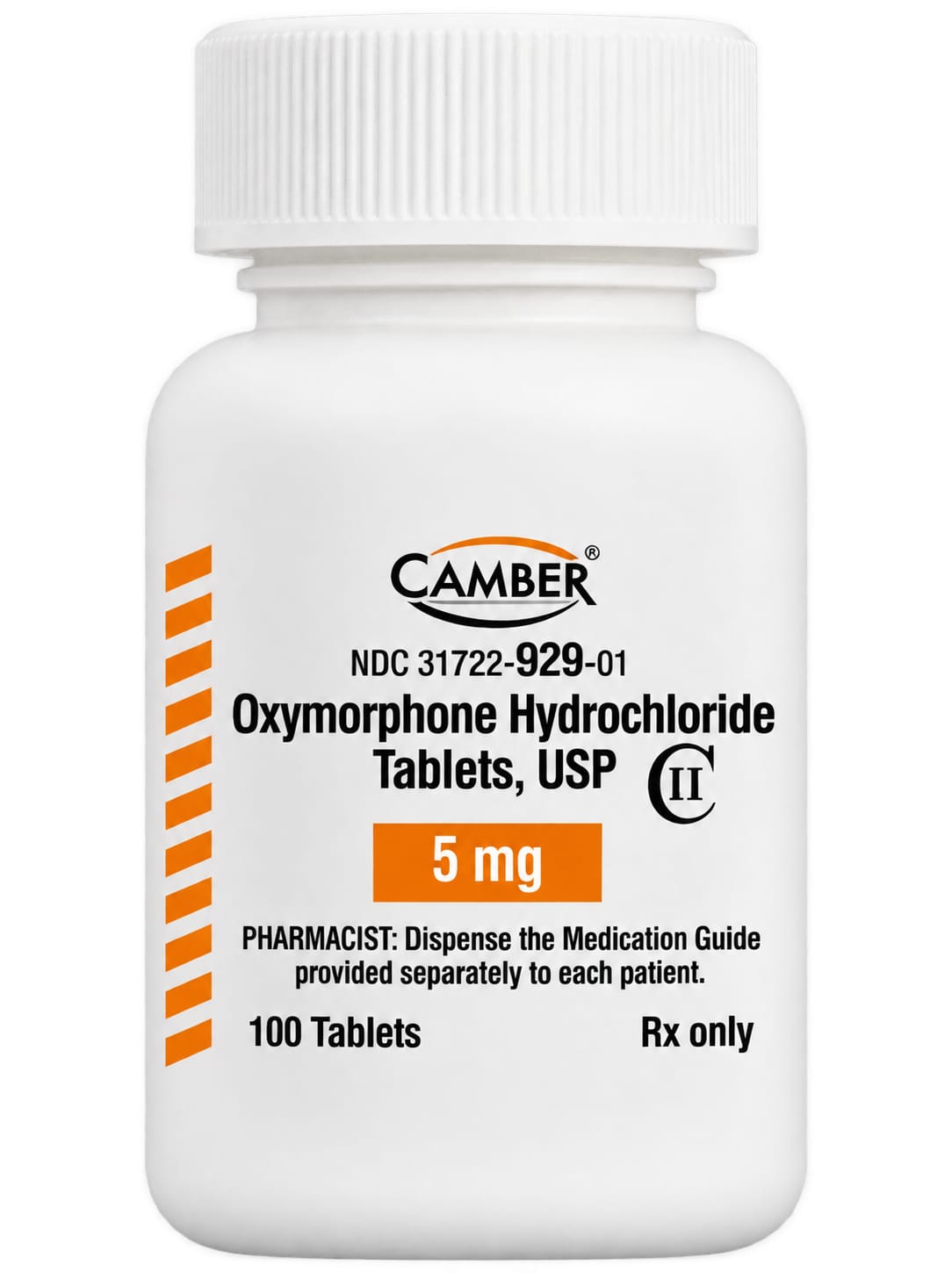
Quick overview
Oxymorphone Tablet (oxymorphone hydrochloride) is a strong prescription opioid pain medicine. It comes as an immediate-release tablet for short-term pain and an extended-release tablet for long-term, around-the-clock pain control. It works on opioid receptors in the brain and spinal cord to change how the body senses and responds to pain. This medicine can be habit-forming and must be used exactly as prescribed.
What is Oxymorphone Tablet
Oxymorphone is a strong prescription opioid (narcotic) pain medicine. It comes as an immediate-release tablet for short-term pain and as an extended-release tablet for long-term, around-the-clock pain control.
Oxymorphone Tablet uses
- Relieving severe pain that needs an opioid pain medicine
- Managing short-term (acute) pain (immediate-release tablets)
- Managing severe, ongoing pain that requires daily opioid treatment over an extended period (extended-release tablets)
Benefits of Oxymorphone Tablet
- Provides strong relief for pain that other pain medicines do not control well enough or that cannot be tolerated
- Extended-release form gives steady pain control over a 12-hour dosing interval
How Oxymorphone Tablet works
Oxymorphone works by changing the way the body senses and responds to pain, acting on opioid receptors in the brain and spinal cord.
Oxymorphone Tablet dosage
Take immediate-release tablets on an empty stomach, at least 1 hour before or 2 hours after meals. Take extended-release tablets on an empty stomach, at least 1 hour before or 2 hours after meals.
Take immediate-release tablets as needed for pain at the prescribed interval. Take extended-release tablets twice daily at the same times every day. Swallow extended-release tablets whole; do not break, chew, dissolve, crush, snort, or inject them. Take extended-release tablets one at a time; do not pre-soak, lick, or wet the tablet before placing it in your mouth.
Do not take more of this medicine or take it more often than your doctor prescribed. Do not stop taking this medicine suddenly without talking to your doctor; your dose will usually be lowered gradually. Continue your normal diet unless your doctor tells you otherwise.
If you miss a dose of the regular-schedule medicine, take it as soon as you remember unless it is almost time for the next dose, then skip the missed dose. Do not take a double dose to make up for a missed one. Older adults may be more sensitive to this medicine and should use it with care.
| Age group | Dose |
|---|---|
| Under 18 years | Not established / not routinely recommended |
| 18–64 years | 10–20 mg every 4–6 hours as needed for immediate-release tablets |
| 65 years & older | Start with 5 mg and increase cautiously under medical supervision |
Available forms and strengths
- Immediate-release oral tablet
- Extended-release (long-acting) oral tablet
Side effects of Oxymorphone Tablet
Common
- Dry mouth
- Stomach pain
- Nausea, vomiting
- Decreased appetite
- Excessive sweating
- Headache
- Decreased sexual desire, trouble getting or keeping an erection
- Itching
- Constipation
- Dizziness
- Sleepiness or tiredness
- Gas
Serious
- Slowed breathing, long pauses between breaths, or shortness of breath
- Agitation, hallucinations, fever, sweating, confusion, fast heartbeat, shivering, severe muscle stiffness or twitching, loss of coordination, nausea, vomiting, or diarrhea (possible serotonin syndrome)
- Nausea, vomiting, loss of appetite, weakness, or dizziness
- Chest pain, changes in heartbeat
- Seizures
- Rash, hives, itching, hoarseness, difficulty breathing or swallowing, or swelling of the hands, eyes, face, lips, mouth, tongue, or throat (allergic reaction)
- Extreme drowsiness
- New pain or pain from touch or doing ordinary tasks such as combing your hair
- Difficulty swallowing, regurgitation, or pain in the chest area
- Unusual snoring or long pauses during breaths during sleep
- Feeling faint or dizzy when changing positions
- Trouble passing urine
- Mental changes such as confusion
- Signs of a severe bowel problem such as severe constipation or stomach pain
Warnings and precautions
- Oxymorphone can cause serious or life-threatening breathing problems, especially in the first 72 hours of treatment or whenever your dose is increased.
- Even one dose of this medicine can be deadly if taken by someone else or by accident, especially by children. Store it safely and keep it out of reach of children and pets.
- This medicine can be habit-forming. Take it exactly as prescribed; do not take more, more often, or stop suddenly without your doctor's guidance.
- Combining oxymorphone with other opioids, benzodiazepines, alcohol, or street drugs can cause severe drowsiness, slowed breathing, coma, and death.
- Never give your oxymorphone to anyone else, even if they have similar symptoms. It is against the law and could cause their death.
- Extended-release tablets must be swallowed whole. Chewing, breaking, crushing, or dissolving them can release too much medicine at once and cause dangerous side effects or death.
- Ask your doctor about having naloxone or nalmefene on hand, medicines that can reverse a life-threatening opioid overdose in an emergency.
- Tell your doctor if you are pregnant or plan to become pregnant. Taking oxymorphone regularly during pregnancy can cause life-threatening withdrawal symptoms in the newborn baby if not recognized and treated.
- Oxymorphone passes into breast milk and may harm your baby. Watch infants closely for increased sleepiness, breathing difficulties, or limpness, and get medical help right away if these occur.
- Tell your doctor if you have kidney disease before taking this medicine. Tell your doctor if you have liver disease, as this may affect whether you should take oxymorphone.
- Do not drink alcohol or use products containing alcohol while taking oxymorphone. Combining alcohol with this medicine can cause unsafe or deadly effects, including breathing problems and overdose.
- This medicine may make you drowsy, dizzy, or lightheaded. Do not drive or operate machinery until you know how it affects you.
Storage
- Keep this medication in the container it came in, tightly closed, and out of reach of children, and in a location that is not easily accessible by others, including visitors to the home
- Store it at room temperature and away from excess heat and moisture (not in the bathroom)
- Dispose of any medication that is outdated or no longer needed through a medicine take-back program
- If a take-back program is not available, flush any medication that is outdated or no longer needed down the toilet so that others will not take it
- Talk to your pharmacist about the proper disposal of your medication
When to see a doctor
- Get emergency help right away if you have slow, shallow, or troubled breathing. Get medical help right away if you feel very sleepy, very dizzy, or pass out, or if someone taking this medicine does not respond or will not wake up.
- Seek emergency care for signs of an allergic reaction, such as rash, hives, itching, swelling of the face, lips, tongue, or throat, or trouble breathing or swallowing.
- Call your doctor right away if you notice signs of serotonin syndrome, including agitation, confusion, hallucinations, fever, fast heartbeat, muscle twitching or stiffness, seizures, shaking, heavy sweating, or severe stomach upset.
- If you think there has been an overdose, contact your local poison control center or get emergency medical care right away.
- Call your doctor if your pain is not controlled, gets worse, or if you develop new pain or increased sensitivity to pain during treatment.
Alternatives
- Tapentadol
- Hydromorphone
- Oxycodone
Watch the video
FAQs
What is Oxymorphone Tablet used for?
It is used to relieve severe pain requiring an opioid. Immediate-release tablets manage short-term (acute) pain, while extended-release tablets provide around-the-clock control of severe, ongoing pain.
How should I take Oxymorphone Tablet?
Take both immediate-release and extended-release tablets on an empty stomach, at least 1 hour before or 2 hours after meals. Extended-release tablets must be swallowed whole twice daily at the same times each day and should never be broken, chewed, crushed, dissolved, snorted, or injected.
What are the serious side effects of Oxymorphone Tablet?
Serious effects include slowed or shortness of breath, chest pain, seizures, allergic reactions, extreme drowsiness, signs of serotonin syndrome, trouble passing urine, mental confusion, and severe bowel problems like constipation.
Can I drink alcohol while taking Oxymorphone Tablet?
No, alcohol should be avoided while taking this medicine because combining it with oxymorphone can cause unsafe or deadly effects, including breathing problems and overdose.
What should I do if I miss a dose of Oxymorphone Tablet?
Take the missed dose as soon as you remember unless it is almost time for your next dose, in which case you should skip it. Do not take a double dose to make up for the missed one.
General information, not medical advice
Your prescriber and the leaflet in your pack know your situation. This page does not.
- Follow your prescriber and the leaflet
- Don't start, stop, or change a dose on your own
- Doses and warnings differ by country and product
Sources
Video
Related medicines
Kadian Capsule: Uses, Dosage, Side Effects, Precautions and Alternates
Opioids
Kadian Capsule was an extended-release morphine for severe, around-the-clock pain, often in cancer patients. Learn uses, dosage, side effects, and risks.
Opana Tablet: Uses, Dosage, Side Effects, Precautions and Alternates
Opioids
Opana Tablet (oxymorphone) treats moderate to severe pain by blocking pain signals. Learn about dosage, side effects, warnings, and safety precautions.