
Safety
General information, not medical advice
Your prescriber and the leaflet in your pack know your situation. This page does not.
- Follow your prescriber and the leaflet
- Don't start, stop, or change a dose on your own
- Doses and warnings differ by country and product
Piriton Tablet: Uses, Dosage, Side Effects, Precautions and Alternates
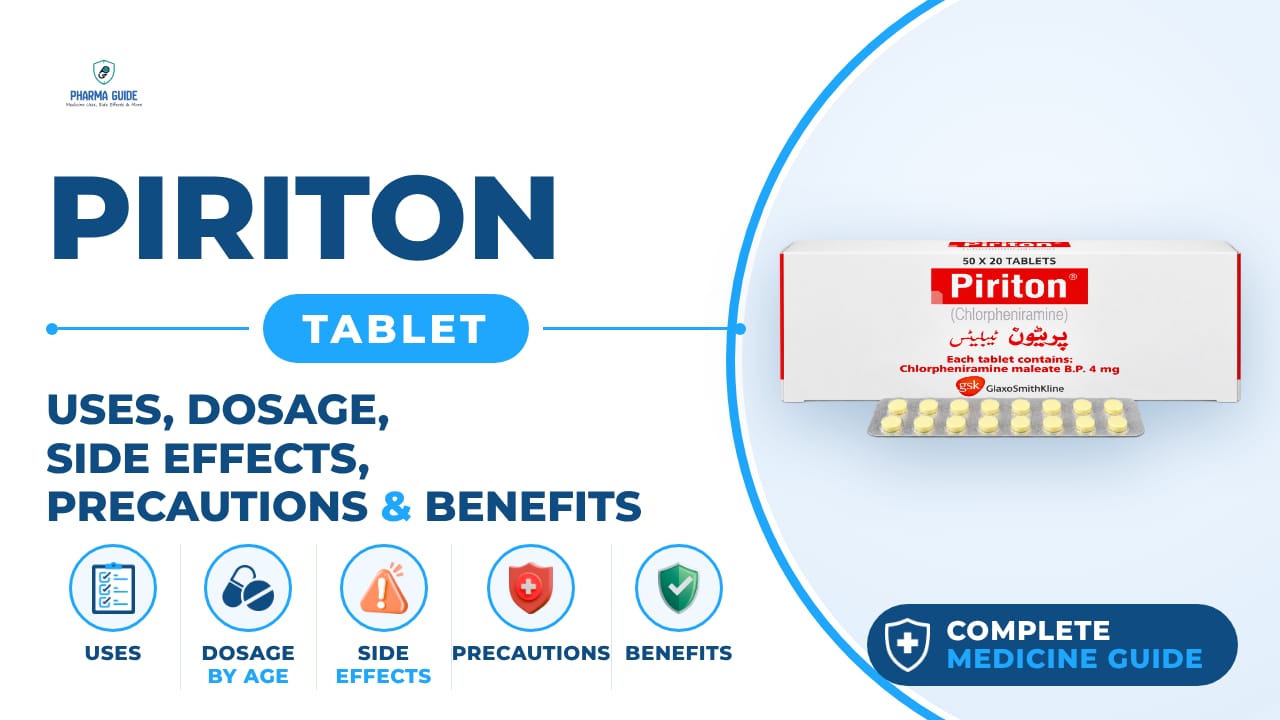
| Generic name | Chlorpheniramine Maleate |
|---|---|
| Drug class | Antihistamine |
| Forms | Tablet |
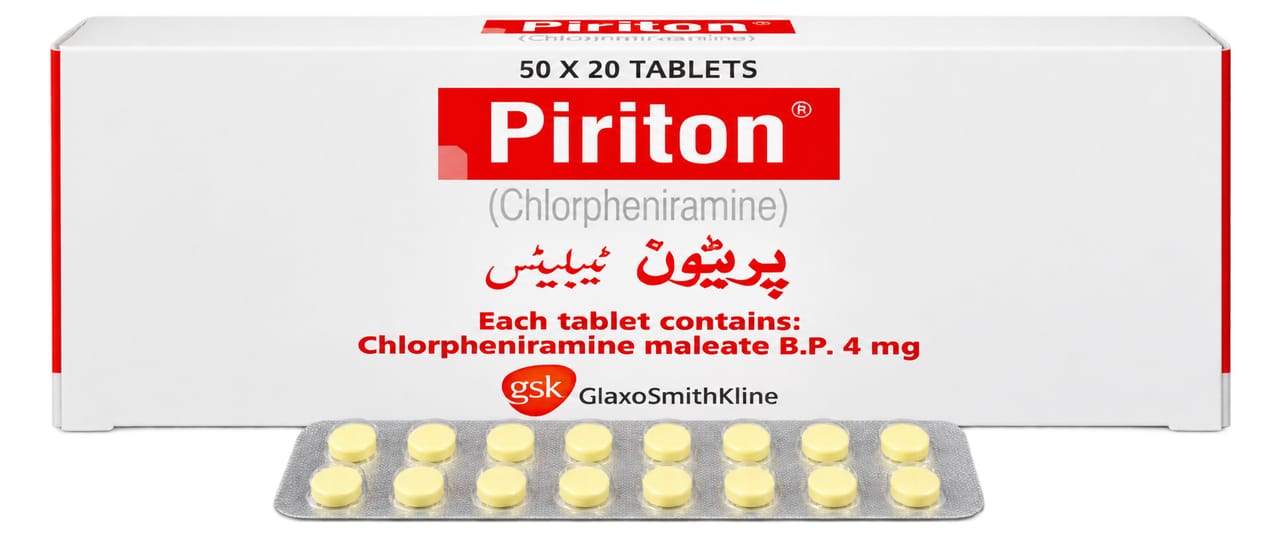
Quick overview
Piriton Tablet contains Chlorpheniramine Maleate, an antihistamine used to prevent or treat allergic reactions such as hay fever or urticaria caused by pollen, dust, or animal hair. It helps ease symptoms like sneezing, itching, skin rashes, and watery eyes. The tablet may cause drowsiness, so caution is advised with driving and alcohol use.
What is Piriton Tablet
Piriton 4 mg Tablet is an antihistamine that is used to prevent or treat allergic reactions like hay fever or urticaria caused by pollen, dust, or animal hair.
Piriton Tablet uses
- Hay fever
- Allergic rhinitis
- Skin allergies
- Hives
- Itchy skin rashes
- Insect bites
- Common cold symptoms
- Allergic conjunctivitis
- Allergic skin conditions
Benefits of Piriton Tablet
- Piriton Tablets uses include easing symptoms like sneezing, itching, skin rashes, and watery eyes.
- Relieves sneezing and runny nose caused by allergies.
- Reduces itchy or watery eyes.
- Helps relieve itchy nose and throat.
- Relieves hives (urticaria) and allergic skin itching.
- Helps reduce symptoms of hay fever and allergic rhinitis.
- May help relieve skin allergies and insect-bite reactions.
How Piriton Tablet works
The active ingredient is an antihistamine that helps relieve symptoms of some allergies and itchy skin rashes by blocking histamine, a chemical in the body that causes these reactions.
Piriton Tablet dosage
Swallow the pill whole with water. It can be taken with or without food. It is not recommended for children under 6 years. It is not for long-term use and is best used only for a short time. Take it at bedtime if it makes you sleepy, and avoid driving or operating machinery if you feel drowsy.
If a dose is missed, take it as soon as you remember, but if it is almost time for the next dose, skip the missed dose and take the next one; do not double up.
| Age group | Dose |
|---|---|
| Under 1 year | Not recommended unless prescribed |
| 1–2 years | Doctor's advice required; tablet generally unsuitable |
| 2–6 years | 1 mg every 4–6 hours; pediatric formulation preferred |
| 6–12 years | 2 mg every 4–6 hours |
| 12 years & older | 4 mg every 4–6 hours |
| Adults | 4 mg every 4–6 hours |
Available forms and strengths
- Tablet — 4 mg
Side effects of Piriton Tablet
Common
- Sleepiness or unusual drowsiness
- Blurred or double vision
- Dry mouth
- Dizziness
- Difficulty urinating
- Constipation
- Headache
- Impaired reactions
- Somnolence
- Sedation
- Nausea
- Fatigue
- Attention disturbances
Serious
- Jaundice
- Aplastic anemia
- Excitement
- Irregular heartbeat
- Ringing in the ears
- Tremors
- Seizures
- Allergic reaction
Warnings and precautions
- This medicine is not recommended for use in pregnant women unless strictly indicated. The benefits and risks should be discussed with the doctor before using this medicine.
- This medicine is not recommended for use in breastfeeding women unless strictly indicated. The benefits and risks should be discussed with the doctor before using this medicine.
- Caution is advised while using this medicine in patients with kidney disease due to an increase in the risk of adverse effects.
- Caution is advised while using this medicine in patients with liver disease due to an increase in the risk of adverse effects.
- Drinking alcohol with this medicine increases the risk of drowsiness, dizziness, and difficulty concentrating. It's best to avoid or limit alcohol while taking this medicine, and avoid activities like driving if you combine them.
- Avoid driving or operating heavy machinery while taking this medicine since it can cause drowsiness, dizziness, and difficulty concentrating.
- Do not use this medicine if you have a known allergy to it or its ingredients.
- Not recommended for children under 2 years of age.
- Not recommended in patients with an enlarged prostate (benign prostatic hyperplasia) since it may cause increased difficulty passing urine.
- Not recommended if you have taken MAO inhibitor medicines like selegiline or rasagiline within the last 14 days, as the combination may increase risk of drowsiness and blurred vision.
- Use with caution in patients with epilepsy since it increases the risk of seizures.
- Not recommended for people with a bowel (gastrointestinal) blockage since it may worsen the condition; risk is higher in elderly patients.
- Not recommended for people with glaucoma since it may increase eye pressure and raise the risk of vision problems; risk is higher in elderly patients.
- Not recommended for people with asthma or COPD since it may increase the risk of further lung problems like airway blockage; risk is higher in elderly patients.
- Do not take if you have ever had an allergic reaction to chlorphenamine, other antihistamines, or any ingredient in this medicine.
- This medicine contains lactose. If you have been told you have an intolerance to some sugars, talk to your doctor before using it.
- This medicine may cause dizziness, drowsiness, or blurred vision. Do not drive or operate machinery until you know how it affects you.
Storage
- Keep in a cool, dry place
- Store at room temperature
- Away from direct sunlight
- Away from children's reach
- Keep in original packaging
- Store this medicine at room temperature, away from direct light and heat
When to see a doctor
Get emergency medical help or contact your doctor right away if you think you have taken too much of this medicine.
Alternatives
- Cadistin 4 mg Tablet
- Cpm 4 mg Tablet
Watch the video
FAQs
What is Piriton Tablet used for?
Piriton Tablet is used to prevent or treat allergic reactions such as hay fever, allergic rhinitis, hives, itchy skin rashes, insect bites, and allergic conjunctivitis caused by pollen, dust, or animal hair.
How does Piriton Tablet work?
Piriton Tablet contains an antihistamine that relieves allergy symptoms and itchy skin rashes by blocking histamine, a chemical in the body that causes these reactions.
What is the dosage of Piriton Tablet for adults?
Adults and children 12 years and older can take 4 mg every 4-6 hours. The tablet should be swallowed whole with water and can be taken with or without food.
Does Piriton Tablet cause drowsiness?
Yes, Piriton Tablet commonly causes sleepiness or unusual drowsiness. It is advised to take it at bedtime if it makes you sleepy and avoid driving or operating machinery if drowsy.
Can I drink alcohol while taking Piriton Tablet?
It's best to avoid or limit alcohol while taking Piriton Tablet, as alcohol increases the risk of drowsiness, dizziness, and difficulty concentrating.
General information, not medical advice
Your prescriber and the leaflet in your pack know your situation. This page does not.
- Follow your prescriber and the leaflet
- Don't start, stop, or change a dose on your own
- Doses and warnings differ by country and product
Sources
Video
Related medicines
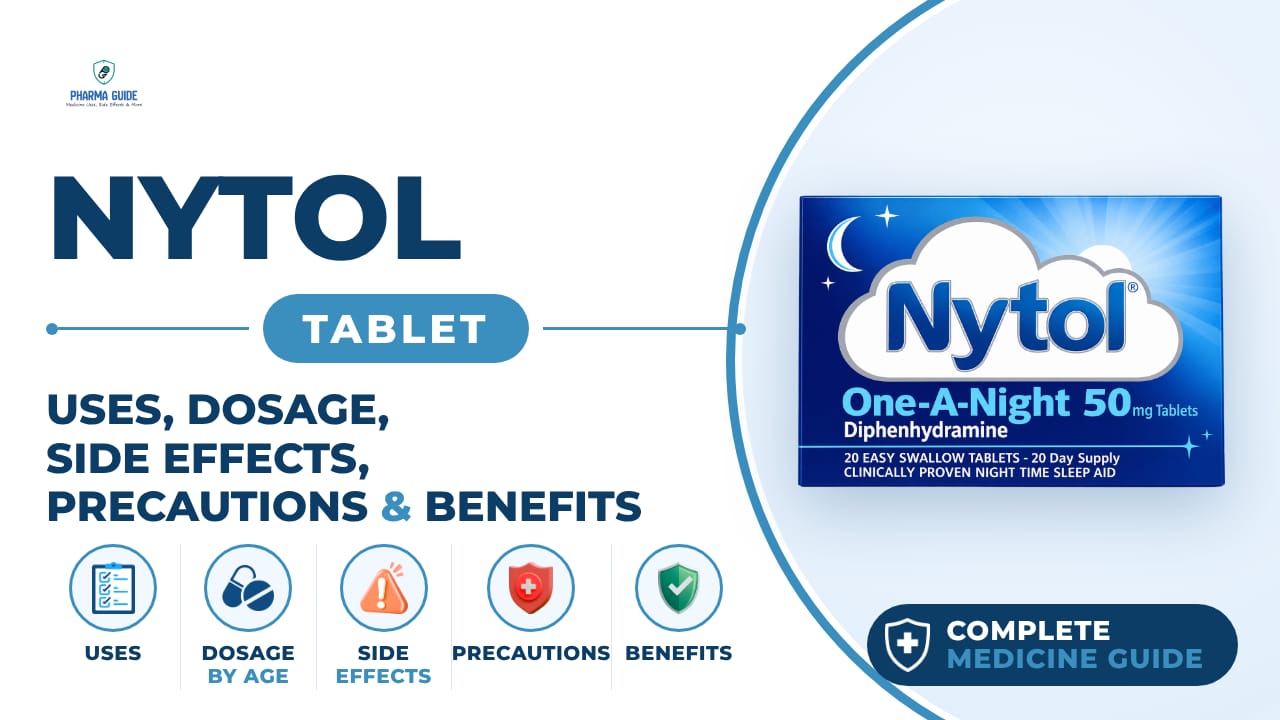
Nytol Tablet: Uses, Dosage, Side Effects, Precautions and Alternates
Antihistamine
Nytol Tablet contains diphenhydramine, used for short-term relief of occasional sleeplessness. Learn its dosage, benefits, side effects, and precautions.
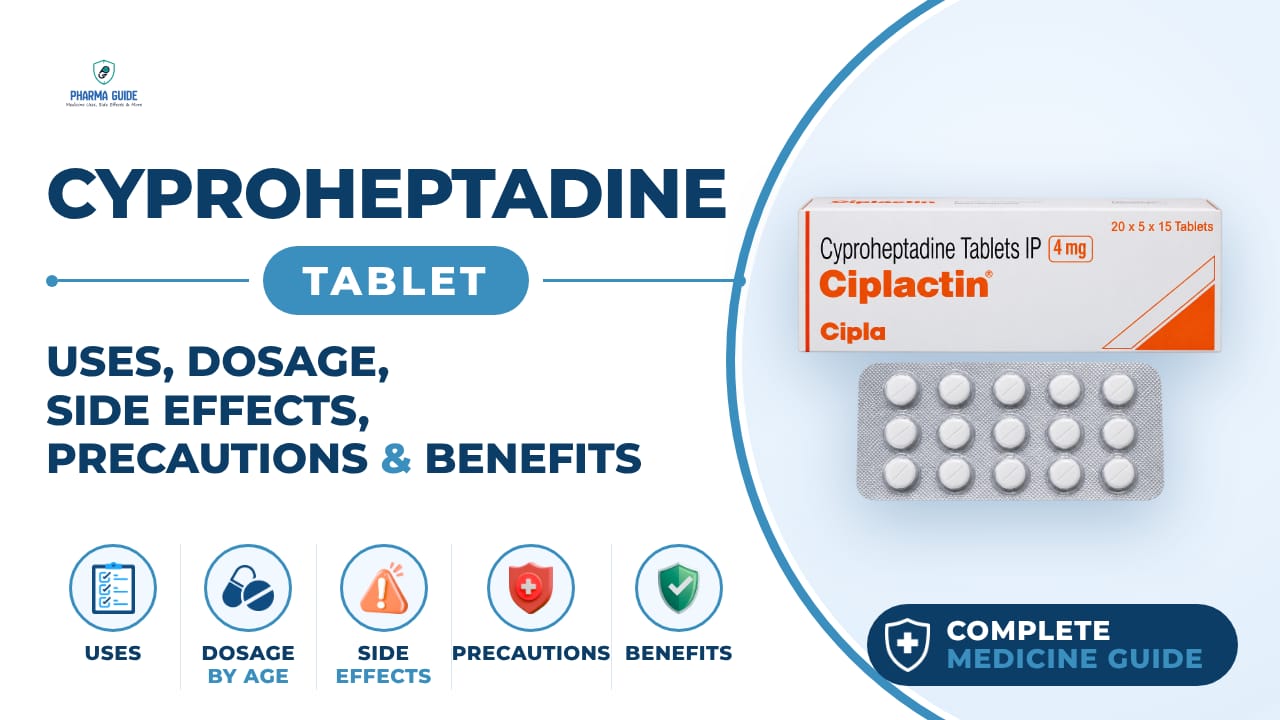
Cyproheptadine Tablet: Uses, Dosage, Side Effects, Precautions and Alternates
Antihistamine
Cyproheptadine Tablet is an antihistamine used for allergies, hives, and migraine headaches. Learn its uses, dosage, side effects, and precautions.