
Safety
General information, not medical advice
Your prescriber and the leaflet in your pack know your situation. This page does not.
- Follow your prescriber and the leaflet
- Don't start, stop, or change a dose on your own
- Doses and warnings differ by country and product
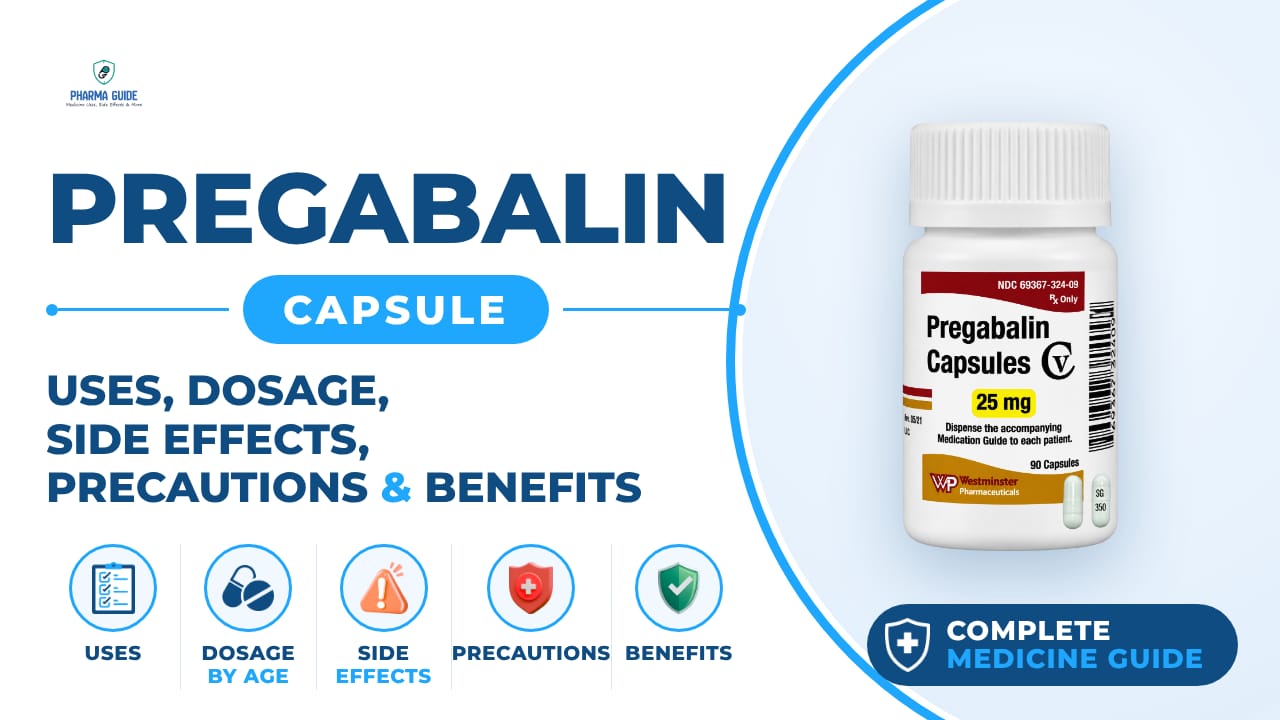
Pregabalin Capsule: Uses, Dosage, Side Effects, Precautions and Alternates
| Generic name | pregabalin |
|---|---|
| Drug class | Gabapentinoids |
| Forms | oral capsule, oral solution, oral extended-release tablet |
Quick overview
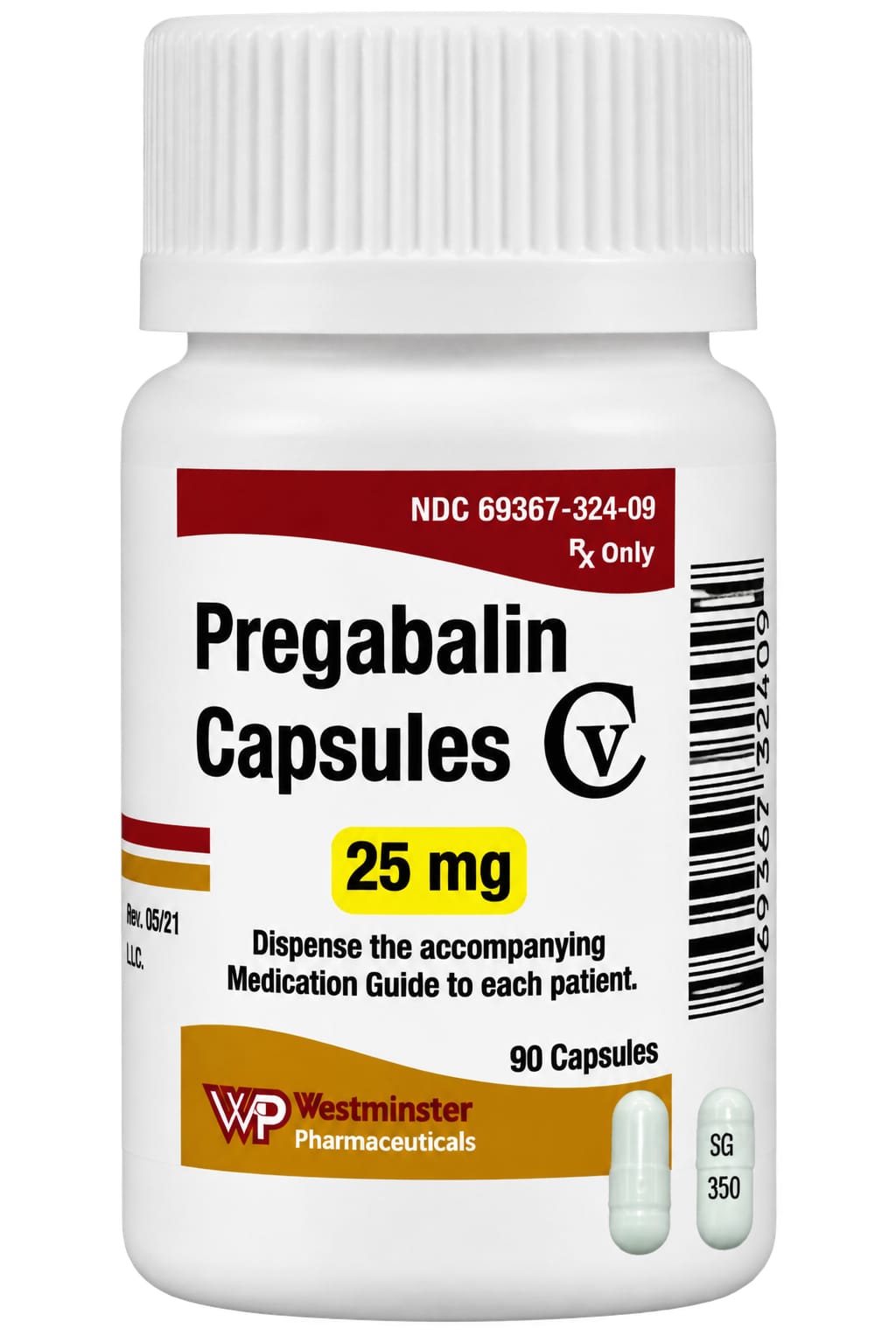
Pregabalin Capsule is a prescription gabapentinoid medicine originally approved as an anti-epileptic drug. It affects chemicals in the brain that send pain signals across the nervous system and is used for nerve pain conditions, fibromyalgia, and partial-onset seizures. It is a Schedule V controlled substance, meaning it has some potential for misuse.
What is Pregabalin Capsule
Pregabalin is a prescription medicine originally approved as an anti-epileptic drug (anticonvulsant). It affects chemicals in the brain that send pain signals across the nervous system. It is a Schedule V controlled substance, meaning it has some potential for misuse.
Pregabalin Capsule uses
- Nerve pain (neuropathic pain) caused by diabetes (diabetic neuropathy)
- Nerve pain caused by shingles (post-herpetic neuralgia)
- Nerve pain caused by spinal cord injury
- Fibromyalgia
- Partial-onset seizures, used together with other seizure medicines
Benefits of Pregabalin Capsule
- Can reduce pain scores in people with nerve pain compared with placebo
- Can reduce sleep interference caused by pain compared with placebo
- Nerve Pain Relief: Helps reduce pain caused by damaged or irritated nerves
- Diabetic Nerve Pain Support: Helps manage nerve pain related to diabetes
How Pregabalin Capsule works
Pregabalin works in the brain and spinal cord. It may reduce the release of certain chemicals that send pain signals, and it is thought to calm overactive nerve activity in the brain that causes seizures, slowing their spread.
Pregabalin Capsule dosage
Take pregabalin capsules at the same time each day, as prescribed. Regular (immediate-release) pregabalin capsules can be taken with or without food. If you take the liquid form, measure it carefully with a proper dosing syringe or medicine measuring device, not a kitchen spoon.
Do not stop taking pregabalin suddenly, even if you feel well; your doctor will help you lower your dose gradually over time before stopping completely. If you miss a dose, take it as soon as you remember, unless it is almost time for your next dose — in that case, skip the missed dose. Do not take two doses at once. Carry medical identification noting that you take a seizure medicine, in case of emergency.
| Age group | Dose |
|---|---|
| Under 18 Years | Use only if prescribed by a specialist |
| Adults (18–64 Years) | Initial dose: 75 mg twice daily or 50 mg three times daily; adjusted based on condition and response |
| Older Adults (65+ Years) | Lower starting dose; adjusted based on kidney function and medical condition |
Available forms and strengths
- Oral capsule
- Oral solution
- Oral extended-release tablet
Side effects of Pregabalin Capsule
Common
- Dizziness
- Drowsiness/sleepiness
- Swelling in hands and feet
- Trouble concentrating
- Increased appetite
- Weight gain
- Dry mouth
- Blurred vision
Serious
- Severe, life-threatening allergic reactions (swelling of face, lips, tongue, throat; trouble breathing; rash, hives, or blisters)
- Suicidal thoughts or actions
- Serious breathing problems, including slow or shallow breathing
- Swelling of hands, legs, and feet, which can be serious for people with heart problems
- Confusion, extreme drowsiness, or weakness
- Vision problems
- Skin sores (in people with diabetes)
- Easy bruising or unusual bleeding
- Rapid weight gain, especially with diabetes or heart problems
- Unexplained muscle pain, tenderness, or weakness, especially with fever
- Feeling of being 'high'
- Muscle breakdown (rhabdomyolysis), which can rarely lead to kidney damage
- Severely low platelet levels (easy bruising, bleeding that does not stop, nosebleeds)
- Heart rhythm changes, which can lead to fainting or, rarely, cardiac arrest
Warnings and precautions
- Pregabalin may harm an unborn baby. Seizure control is very important during pregnancy because having a seizure could harm both mother and baby. Do not start or stop taking pregabalin without your doctor's advice, and tell your doctor right away if you become pregnant.
- Pregabalin passes into breast milk, and it is not known if it can harm a nursing baby. Breastfeeding is not recommended while taking pregabalin. Talk to your doctor about the best option for you and your baby.
- People with kidney problems may not clear this drug from their body as well, which can raise drug levels and increase side effects. Doctors may prescribe a lower dose to help avoid this.
- Avoid drinking alcohol while taking pregabalin, as it may increase certain side effects such as dizziness and drowsiness.
- Do not drive a car, work with machines, or do other dangerous activities until you know how pregabalin affects you, since it can cause dizziness and sleepiness.
- Pregabalin may cause serious, even life-threatening, allergic reactions, swelling of the hands, legs, and feet, suicidal thoughts or actions, dizziness and sleepiness, and serious breathing problems.
- Do not stop using pregabalin suddenly, even if you feel fine, because stopping suddenly may cause withdrawal symptoms or increased seizures.
- Pregabalin poses a risk of misuse, abuse, and dependence, especially when combined with other drugs that cause drowsiness such as sleeping tablets, opioids, benzodiazepines, antihistamines, antidepressants, antipsychotics, cannabis, and alcohol, which can lead to severe drowsiness, breathing problems, coma, and death.
- There have been reports of life-threatening breathing problems with pregabalin, especially in people with existing breathing disorders, the elderly, or those taking other medicines that cause drowsiness or slow breathing, such as opioids.
- Pregabalin may cause rare but serious skin reactions such as Stevens-Johnson syndrome or toxic epidermal necrolysis, which can involve rash, target-like patches, skin peeling, and ulcers of the mouth, throat, nose, genitals, and eyes.
Storage
- Store at room temperature away from moisture, heat, and light.
- Keep in a cool, dry place.
- Keep pregabalin in its original package.
- Keep out of the reach of children.
- Store in a safe place to protect it from theft, since it is a controlled substance.
When to see a doctor
- Stop taking pregabalin and get emergency medical help if you have swelling of your face, mouth, lips, gums, tongue, throat, or neck, trouble breathing, or rash, hives, or blisters.
- Call a healthcare provider right away if you have thoughts about suicide or dying, attempts to harm yourself, new or worse depression or anxiety, agitation, panic attacks, trouble sleeping, irritability, aggressive or violent behavior, or other unusual changes in mood or behavior.
- Seek emergency medical attention if you have very slow breathing.
- Call your doctor if you have weight gain or swelling in your hands or feet while taking pregabalin.
- Call your doctor at once if you have weak or shallow breathing, blue-colored skin, lips, fingers, or toes, confusion, extreme drowsiness or weakness, vision problems, skin sores (if you have diabetes), easy bruising or unusual bleeding, swelling with rapid weight gain, or unexplained muscle pain, tenderness, or weakness with fever.
- A caregiver should seek emergency medical attention if you have slow breathing with long pauses, blue-colored lips, or if you are hard to wake up.
- Get medical help right away if you or someone else has taken too much pregabalin, even if there are no signs of discomfort or poisoning.
Alternatives
- Gabapentin
- Amitriptyline
- Lamotrigine
Watch the video
FAQs
What is Pregabalin Capsule used for?
It is used for nerve pain from diabetes, shingles, or spinal cord injury, fibromyalgia, and partial-onset seizures when used with other seizure medicines.
How should Pregabalin Capsule be taken?
Take it at the same time each day as prescribed. Regular capsules can be taken with or without food. If using the liquid form, measure doses with a proper dosing syringe or medicine measuring device, not a kitchen spoon.
Can I stop taking Pregabalin Capsule suddenly?
No, you should not stop suddenly even if you feel well, as this may cause withdrawal symptoms or increased seizures. Your doctor will help lower your dose gradually.
What are the common side effects of Pregabalin Capsule?
Common side effects include dizziness, drowsiness, swelling in hands and feet, trouble concentrating, increased appetite, weight gain, dry mouth, and blurred vision.
Is it safe to drink alcohol while taking Pregabalin Capsule?
No, alcohol should be avoided while taking pregabalin, as it may increase side effects such as dizziness and drowsiness.
General information, not medical advice
Your prescriber and the leaflet in your pack know your situation. This page does not.
- Follow your prescriber and the leaflet
- Don't start, stop, or change a dose on your own
- Doses and warnings differ by country and product
Sources
Video
Related medicines

Vigabatrin Tablet: Uses, Dosage, Side Effects, Precautions and Alternates
Gabapentinoids
Vigabatrin Tablet treats hard-to-control seizures and infantile spasms. Learn about dosage, side effects, vision loss risk, and precautions.
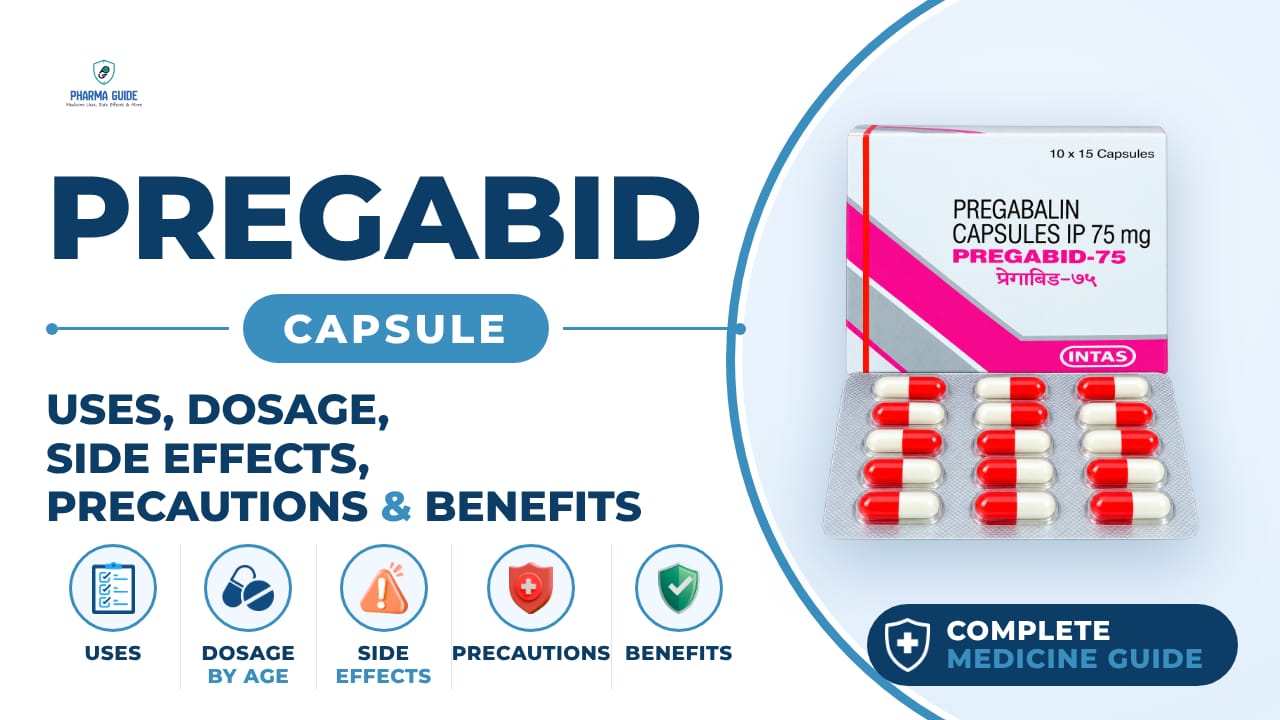
Pregabid Capsule: Uses, Dosage, Side Effects, Precautions and Alternates
Gabapentinoids
Pregabid Capsule contains Pregabalin, used for nerve pain, fibromyalgia, anxiety, and epilepsy. Know its uses, dosage, side effects, and precautions.