
Safety
General information, not medical advice
Your prescriber and the leaflet in your pack know your situation. This page does not.
- Follow your prescriber and the leaflet
- Don't start, stop, or change a dose on your own
- Doses and warnings differ by country and product
Vigabatrin Tablet: Uses, Dosage, Side Effects, Precautions and Alternates

| Generic name | vigabatrin |
|---|---|
| Drug class | Gabapentinoids |
| Forms | Tablet, Powder for oral solution |

Quick overview
Vigabatrin Tablet (generic name: vigabatrin) is an anti-seizure medicine belonging to the gabapentinoid drug class. It is used to treat certain hard-to-control seizures, including infantile spasms, and works differently from other seizure medicines. It is typically taken twice a day as prescribed, and it carries an important risk of permanent vision loss that requires regular monitoring.
What is Vigabatrin Tablet
Vigabatrin is an anti-seizure medicine used to treat certain hard-to-control seizures, including infantile spasms. It works differently from other seizure medicines.
Vigabatrin Tablet uses
- Treats infantile spasms in eligible infants.
- Treats complex partial-onset seizures that have not responded to other medicines.
- Used as an add-on treatment for difficult-to-control epilepsy.
- Helps manage recurrent seizures in selected patients.
- Used when other anti-seizure treatments have not provided adequate control.
Benefits of Vigabatrin Tablet
- May reduce the frequency of difficult-to-control seizures.
- May improve seizure control when other treatments have not worked.
- May reduce disruptions to daily routines caused by seizures.
- May help improve independence when seizures are better controlled.
- May support more consistent participation in everyday activities.
How Vigabatrin Tablet works
Vigabatrin blocks an enzyme that normally breaks down GABA, a calming brain chemical. This lets GABA build up in the brain, which helps quiet down the extra electrical activity that causes seizures.
Vigabatrin Tablet dosage
Vigabatrin is usually taken twice a day, about 12 hours apart, at the same times each day. Tablets can be taken with or without food. Swallow tablets whole with water; do not chew, crush, or break them unless your doctor tells you to.
Take exactly as your doctor prescribes; ask your doctor what to do if a dose is missed. Do not stop taking this medicine suddenly, because this can cause seizures that will not stop; your doctor will tell you how to lower the dose gradually if treatment needs to stop. Tell your doctor right away if seizures get worse while taking this medicine or while stopping it.
| Age group | Dose |
|---|---|
| Under 18 years | Not recommended |
| 18–64 years | 500 mg, twice/day |
| 65+ years | 500 mg, twice/day |
Available forms and strengths
- Tablet
- Powder for oral solution
Side effects of Vigabatrin Tablet
Common
- Blurred vision
- Sleepiness (drowsiness)
- Dizziness
- Problems walking or feeling uncoordinated
- Shaking (tremor)
- Tiredness/fatigue
- Weight gain
- Headache
- Insomnia
- Irritability
- Skin rash
- Constipation, diarrhea, vomiting
- Nasal congestion
- Bronchitis
- Ear infection
- Respiratory tract infection
Serious
- Permanent vision loss, including loss of side (peripheral) vision or tunnel vision
- MRI brain changes in babies and young children
- Suicidal thoughts or actions
- Low red blood cell counts (anemia)
- Nerve problems such as numbness and tingling in toes or feet
- Swelling
- Worsening of seizures
- New or worsening depression, anxiety, agitation, or unusual changes in mood or behavior
Warnings and precautions
- Vigabatrin can cause permanent vision loss, including loss of side vision that can lead to tunnel vision.
- This risk exists at any dose and can happen at any time during or after treatment. Regular eye exams are needed, though they cannot prevent the damage.
- Because of the risk of permanent vision loss, this medicine can only be prescribed and obtained through a special restricted safety program.
- MRI brain scans show changes in some babies and young children taking this medicine; it isn't known if these changes cause harm, but they usually go away after stopping treatment.
- Like other seizure medicines, vigabatrin may cause suicidal thoughts or actions in a small number of people. Watch for new or worsening mood, behavior, or thinking changes.
- Never stop this medicine suddenly without talking to your doctor first, because this can cause seizures that do not stop.
- There isn't enough information to know if vigabatrin is safe during pregnancy, and it may cause harm to an unborn baby.
- You and your doctor need to decide together whether to use it during pregnancy, and you may be asked to join a pregnancy registry.
- Vigabatrin passes into breast milk and may harm the baby, so breastfeeding is generally not recommended. If you do breastfeed, watch your baby for signs of vision loss, sleepiness, or poor feeding.
- People with kidney problems need a lower dose because the kidneys remove this medicine from the body. The dose is reduced depending on how severe the kidney problem is.
- No dose change is needed for people with liver problems because this medicine is removed mainly by the kidneys, not the liver.
- This medicine can cause sleepiness and tiredness. Do not drive, use machinery, or do anything dangerous until you and your doctor agree it is safe for you to do so.
Storage
- Store at room temperature.
- Protect from moisture and direct sunlight.
- Keep in the original packaging.
- Keep out of reach of children.
- Do not use after the expiry date.
When to see a doctor
- Get medical help right away if you or your child seem to be seeing less well than before, start bumping into things or tripping more than usual, or are startled by people or objects that seem to appear out of nowhere — these can be signs of vision damage.
- Call your doctor immediately if you or your child have thoughts of suicide or dying, attempt suicide, or have new or worsening depression, anxiety, agitation, trouble sleeping, irritability, aggression, or unusual changes in mood or behavior.
- Tell your doctor right away if seizures get worse while taking this medicine.
- If an overdose is taken, get emergency medical help right away unless your doctor has given you other instructions.
Alternatives
- Clobazam
- Rufinamide
- Levetiracetam
Watch the video
FAQs
What is Vigabatrin Tablet used for?
It treats infantile spasms and complex partial-onset seizures that haven't responded to other medicines, often as an add-on treatment for difficult-to-control epilepsy.
How does Vigabatrin Tablet work?
It blocks an enzyme that normally breaks down GABA, a calming brain chemical, letting it build up in the brain to quiet the extra electrical activity that causes seizures.
What is the main serious risk of taking Vigabatrin Tablet?
Vigabatrin can cause permanent vision loss, including loss of peripheral vision or tunnel vision, at any dose and at any time during or after treatment. Because of this, it can only be prescribed through a special restricted safety program.
Can I stop taking Vigabatrin Tablet suddenly?
No, you should never stop this medicine suddenly without talking to your doctor, as this can cause seizures that will not stop. Your doctor will guide you on gradually lowering the dose if treatment needs to end.
Is Vigabatrin Tablet safe during pregnancy or breastfeeding?
There isn't enough information to know if it's safe during pregnancy, and it may harm an unborn baby. It also passes into breast milk and may harm the baby, so breastfeeding is generally not recommended.
General information, not medical advice
Your prescriber and the leaflet in your pack know your situation. This page does not.
- Follow your prescriber and the leaflet
- Don't start, stop, or change a dose on your own
- Doses and warnings differ by country and product
Sources
Video
Related medicines
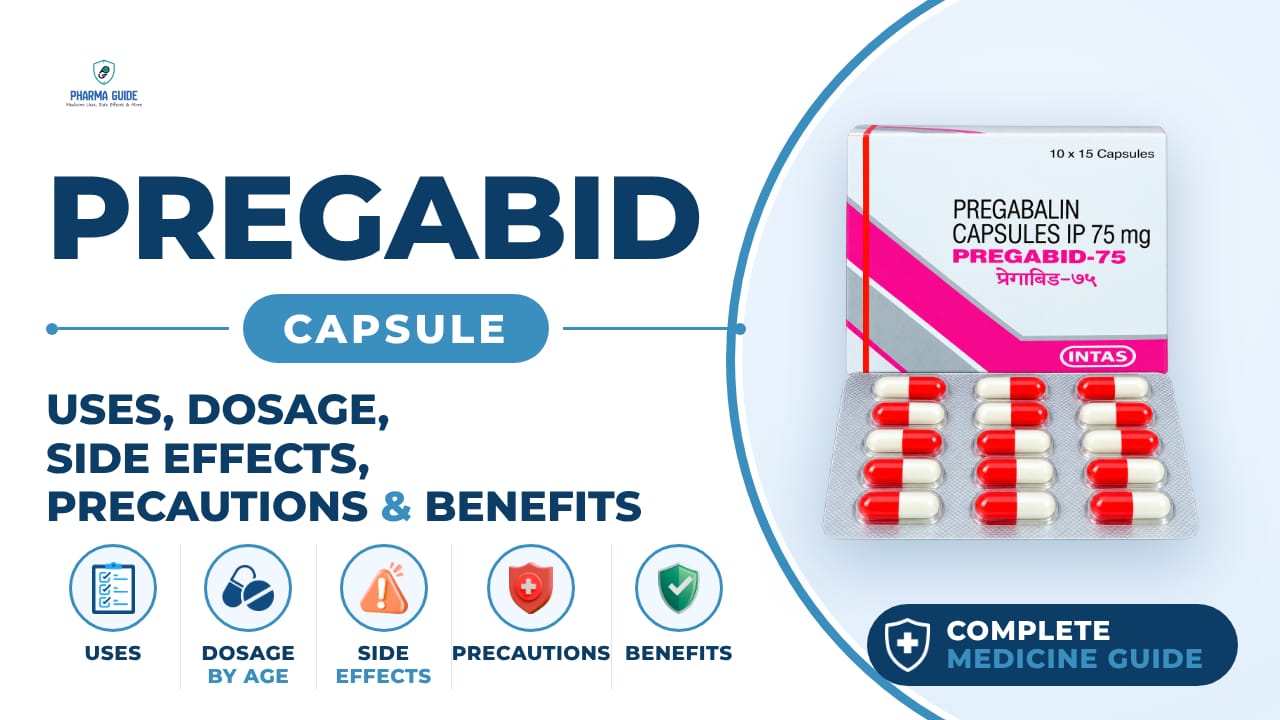
Pregabid Capsule: Uses, Dosage, Side Effects, Precautions and Alternates
Gabapentinoids
Pregabid Capsule contains Pregabalin, used for nerve pain, fibromyalgia, anxiety, and epilepsy. Know its uses, dosage, side effects, and precautions.
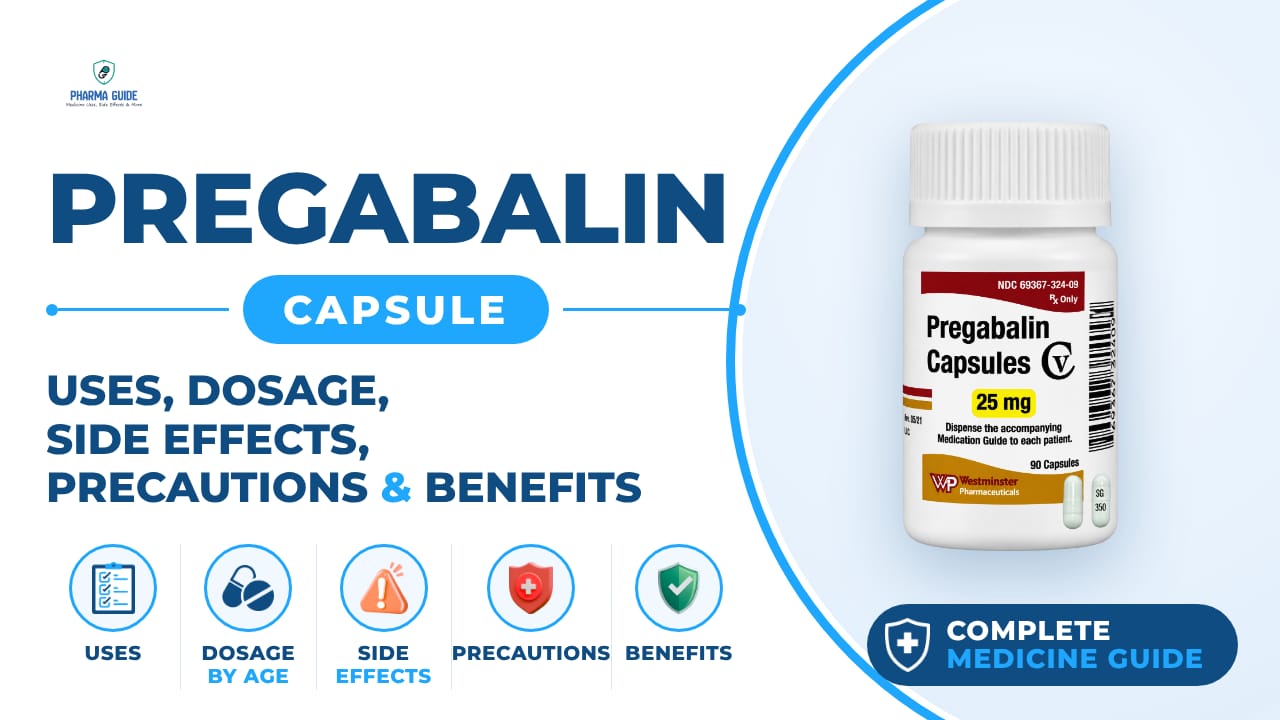
Pregabalin Capsule: Uses, Dosage, Side Effects, Precautions and Alternates
Gabapentinoids
Pregabalin Capsule treats nerve pain, fibromyalgia, and seizures. Learn uses, dosage, side effects, warnings, and precautions before starting treatment.