
Safety
General information, not medical advice
Your prescriber and the leaflet in your pack know your situation. This page does not.
- Follow your prescriber and the leaflet
- Don't start, stop, or change a dose on your own
- Doses and warnings differ by country and product
Primaquine Tablet: Uses, Dosage, Side Effects, Precautions and Alternates
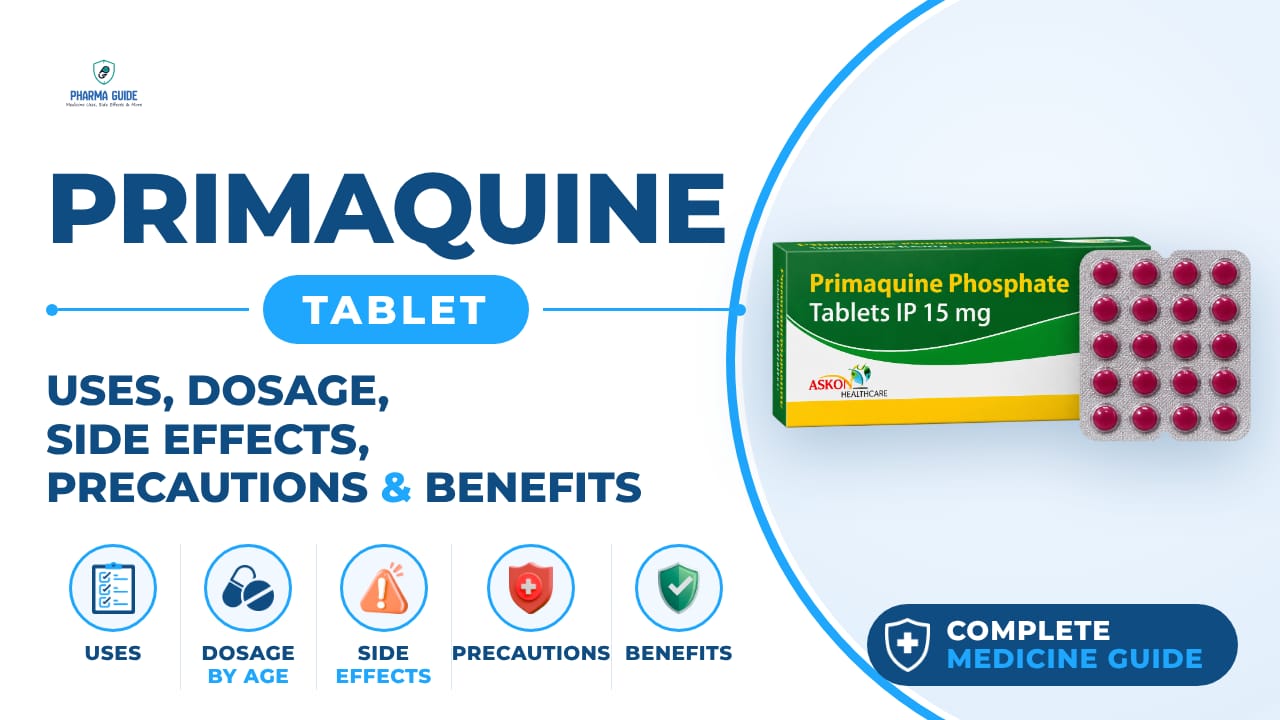
| Generic name | Primaquine phosphate |
|---|---|
| Drug class | Antimalarial |
| Forms | Tablet |
Quick overview
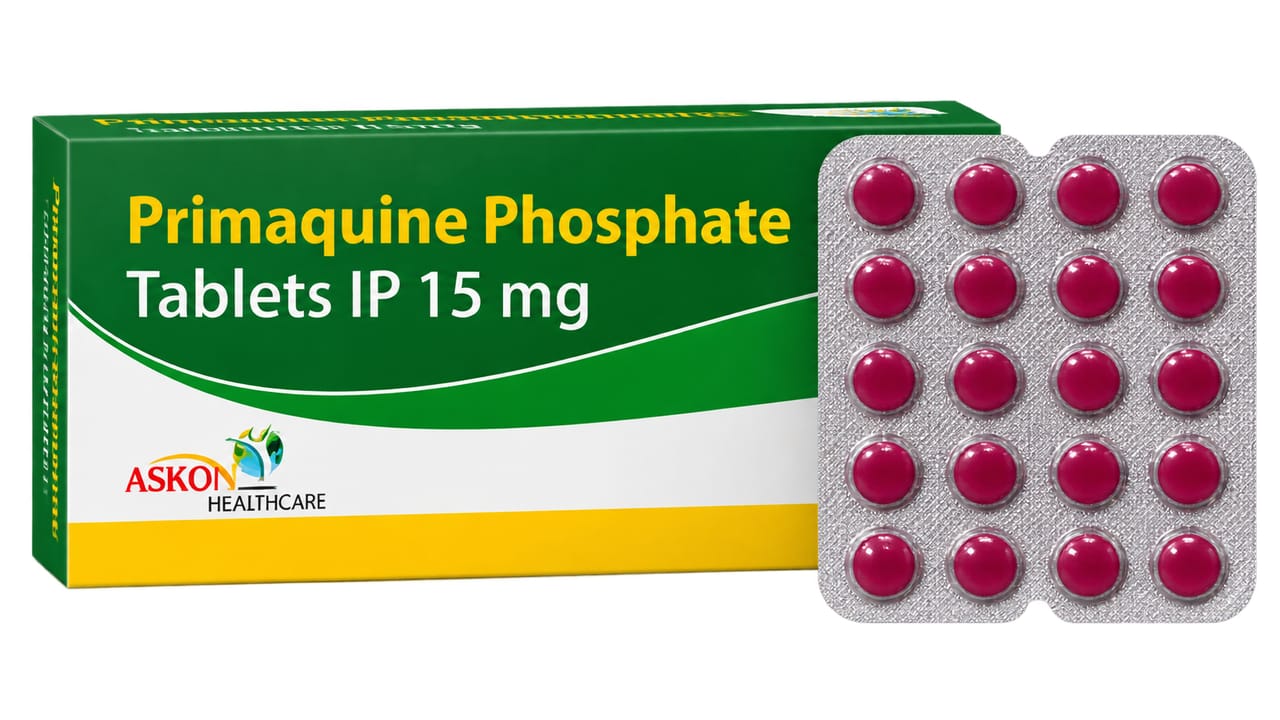
Primaquine Tablet (generic name: primaquine phosphate) is an antimalarial medicine used to treat certain forms of malaria and help prevent it from coming back. It is taken once a day and works by killing the dormant form of the malaria parasite in the liver. It must not be used during pregnancy and requires blood testing before and during treatment.
What is Primaquine Tablet
Primaquine is an antimalarial medicine used to treat certain forms of malaria and help prevent it from coming back.
Primaquine Tablet uses
- Radical cure (prevention of relapse) of Plasmodium vivax and Plasmodium ovale malaria
- Treatment of malaria caused by the Plasmodium vivax parasite
- Prevention of malaria if traveling to a region where the disease is commonly found
- Adjunctive therapy in the treatment of gametocytemia due to P. falciparum in patients resident in areas receptive to malaria
Benefits of Primaquine Tablet
- Provides efficient radical cure for both P. vivax and P. ovale infections
- Taken only once a day
- Good for last minute travelers for malaria prevention; can start the medication 1 to 2 days before traveling
How Primaquine Tablet works
Primaquine kills the dormant form of the malaria parasite in the liver, which stops the infection from continuing.
Primaquine Tablet dosage
Taking primaquine after a meal may reduce abdominal pain or cramps associated with taking the drug. Take the medicine exactly as prescribed and for as long as your healthcare professional tells you to, to make sure the treatment works.
If a dose is missed, take it as soon as possible; however, if it is almost time for the next dose, skip the missed dose and resume the regular schedule. Do not take a double dose. Primaquine tablets are not suited for children who cannot swallow tablets.
| Age group | Dose |
|---|---|
| Under 1 year | Specialist-directed dosing |
| 1–15 years | 0.5 mg/kg once daily for 14 days, maximum 30 mg/day |
| 16–17 years | 0.5 mg/kg once daily for 14 days, maximum 30 mg/day |
| Adults ≥18 years | 30 mg once daily for 14 days |
Available forms and strengths
- Tablet
Side effects of Primaquine Tablet
Common
- Nausea
- Vomiting
- Stomach pain or cramps
- Dizziness
- Itching
- Heartburn
- Rash
- Low white blood cells
Serious
- Hemolytic anemia (darkening of the urine, pale skin, shortness of breath, dizziness, fatigue)
- Methemoglobinemia (bluish lips or nails)
- Abnormal heartbeat rhythm (irregular heartbeat)
- Low white blood cell count (getting sick more often, illness that doesn't go away)
- Changes in heart rhythm including QT interval prolongation
Warnings and precautions
- Do not use primaquine if you have severe G6PD deficiency, a genetic blood condition, due to the risk of severe destruction of red blood cells.
- Do not use primaquine together with quinacrine or if you have recently taken it, since this increases toxicity.
- Do not use primaquine if you have a disease that tends to cause low white blood cells, such as rheumatoid arthritis or lupus, especially if acutely ill.
- Use caution if you have heart disease, an irregular heartbeat, low potassium or magnesium levels, or a slow heart rate, because primaquine can affect the heart's electrical rhythm (QT interval prolongation).
- Blood tests to check for G6PD deficiency and monitor blood cell counts are needed before and during treatment.
- People over 65 have not been specifically studied with this medicine; closer monitoring is needed due to a higher chance of reduced kidney, liver, or heart function.
- Primaquine must not be used during pregnancy because it may harm the unborn baby, even if the mother's G6PD status is normal. Reliable birth control should be used during treatment and for 2 menstrual cycles after stopping for women, and for 3 months after stopping for men whose partners may become pregnant.
- Breastfeeding should be stopped while taking primaquine, or treatment should be delayed until breastfeeding ends, because of the potential for serious blood-related side effects in breastfed infants.
- Safety in patients with kidney problems has not been fully studied. Monitoring for side effects is needed, especially in people with severe kidney impairment.
- Safety and effectiveness in people with liver problems have not been fully studied. Monitoring is needed, especially in those with severe liver impairment, since primaquine is processed by the liver.
- Primaquine may cause dizziness, which could affect your ability to concentrate and react. Do not drive or operate machinery until you know how this medicine affects you.
Storage
- Store between 15-30°C.
- Keep out of reach and sight of children.
When to see a doctor
- Stop taking primaquine and contact your healthcare professional right away if you notice darkening of the urine, pale skin, dizziness, confusion, fatigue, light-headedness, or shortness of breath — these are signs of hemolytic anemia.
- Contact your healthcare professional right away if you notice bluish lips or nails, which are signs of damage to your red blood cells (methemoglobinemia).
- If you think you have taken too much primaquine, contact your healthcare professional, hospital emergency department, or your local poison control center immediately, even if you have no symptoms.
Alternatives
- Mefloquine
- Chloroquine
Watch the video
FAQs
What is Primaquine Tablet used for?
It is used for radical cure of P. vivax and P. ovale malaria to prevent relapse, treatment of P. vivax malaria, prevention of malaria during travel, and as adjunctive therapy for P. falciparum gametocytemia.
How is Primaquine Tablet taken?
It is taken once daily, preferably after a meal to reduce abdominal pain or cramps, exactly as prescribed for the full course of treatment.
What is the adult dose of Primaquine Tablet?
Adults 18 years and older typically take 30 mg once daily for 14 days.
Who should not take Primaquine Tablet?
People with severe G6PD deficiency should not use it due to the risk of severe red blood cell destruction, and it must not be used during pregnancy because it may harm the unborn baby.
What are the serious side effects of Primaquine Tablet?
Serious side effects include hemolytic anemia, methemoglobinemia (bluish lips or nails), abnormal heartbeat rhythm, low white blood cell count, and QT interval prolongation.
General information, not medical advice
Your prescriber and the leaflet in your pack know your situation. This page does not.
- Follow your prescriber and the leaflet
- Don't start, stop, or change a dose on your own
- Doses and warnings differ by country and product
Sources
Video
Related medicines
Daraprim Tablet: Uses, Dosage, Side Effects, Precautions and Alternates
Antimalarial
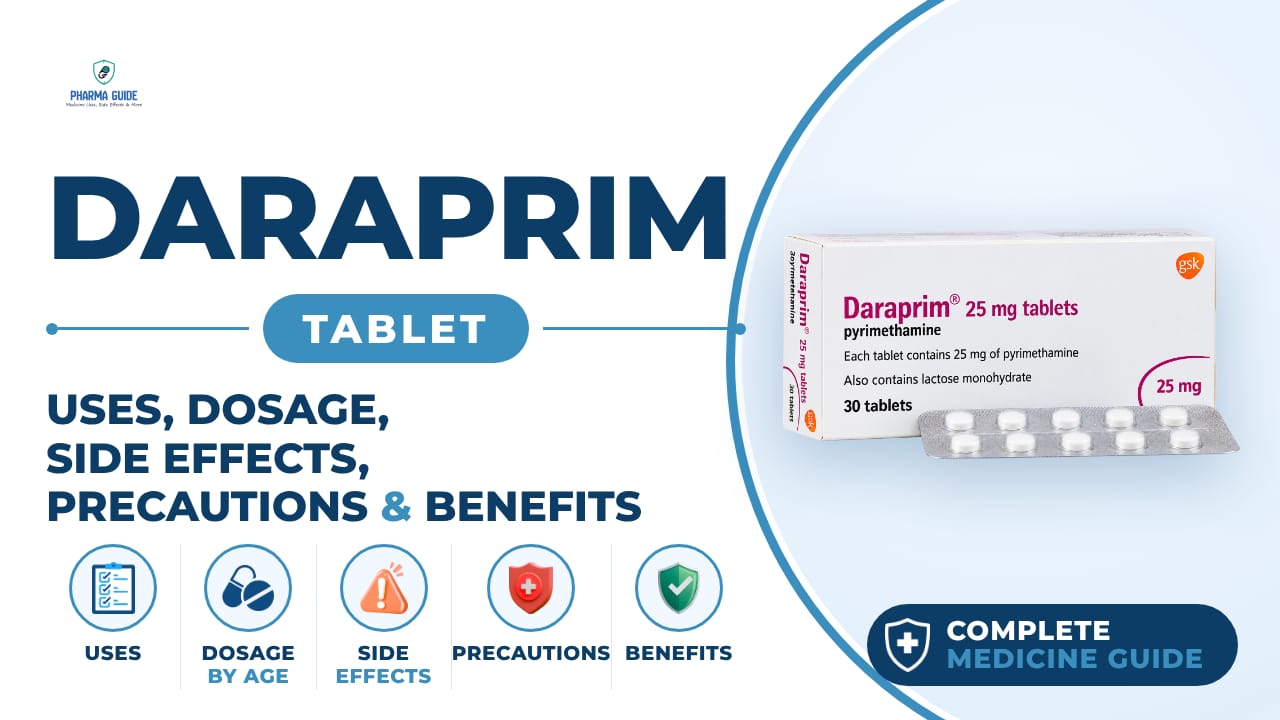
Daraprim Tablet (pyrimethamine) treats toxoplasmosis and certain malaria types. Learn about its uses, dosage, side effects, and important safety precautions.

Artemether + Lumefantrine Tablet: Uses, Dosage, Side Effects, Precautions and Alternates
Antimalarial
Artemether + Lumefantrine tablets treat certain malaria infections by killing parasites at different life stages. Learn dosage, side effects, and precautions.