
Safety
General information, not medical advice
Your prescriber and the leaflet in your pack know your situation. This page does not.
- Follow your prescriber and the leaflet
- Don't start, stop, or change a dose on your own
- Doses and warnings differ by country and product
Progesterone Capsule: Uses, Dosage, Side Effects, Precautions and Alternates
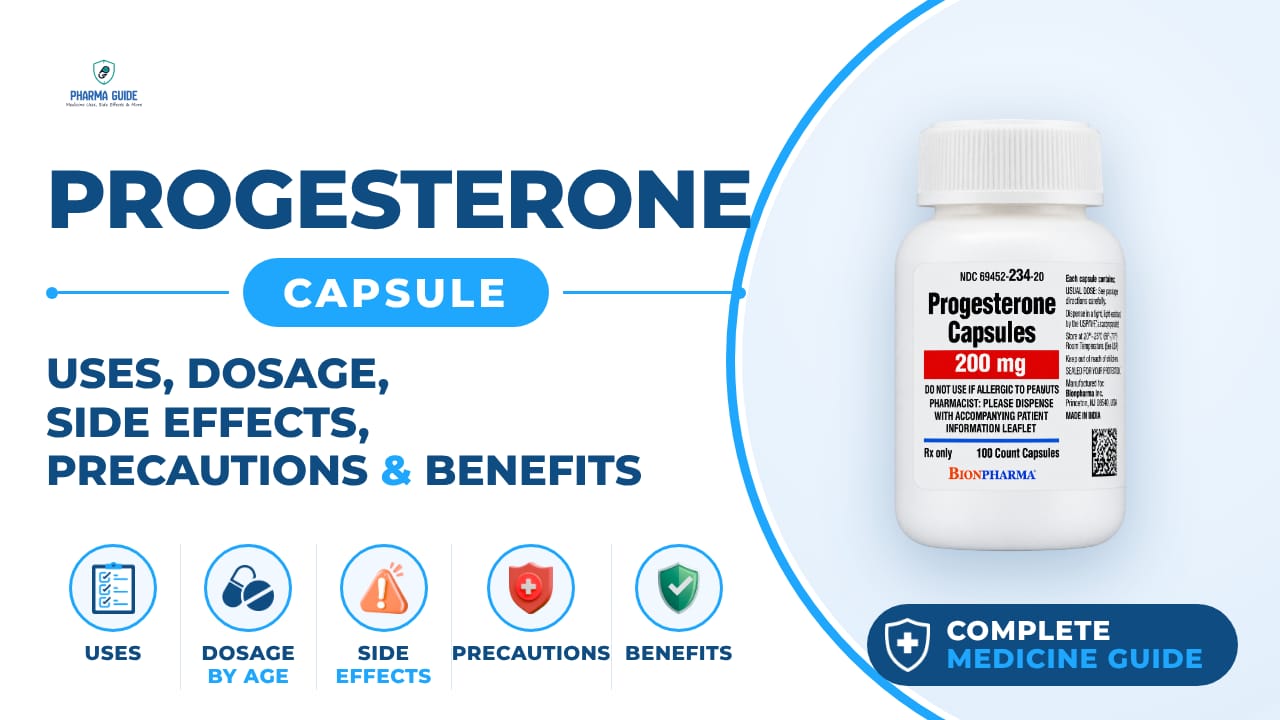
| Generic name | Progesterone |
|---|---|
| Drug class | Progestin |
| Forms | Capsule (oral), Vaginal gel, Vaginal insert, Injection |
Quick overview
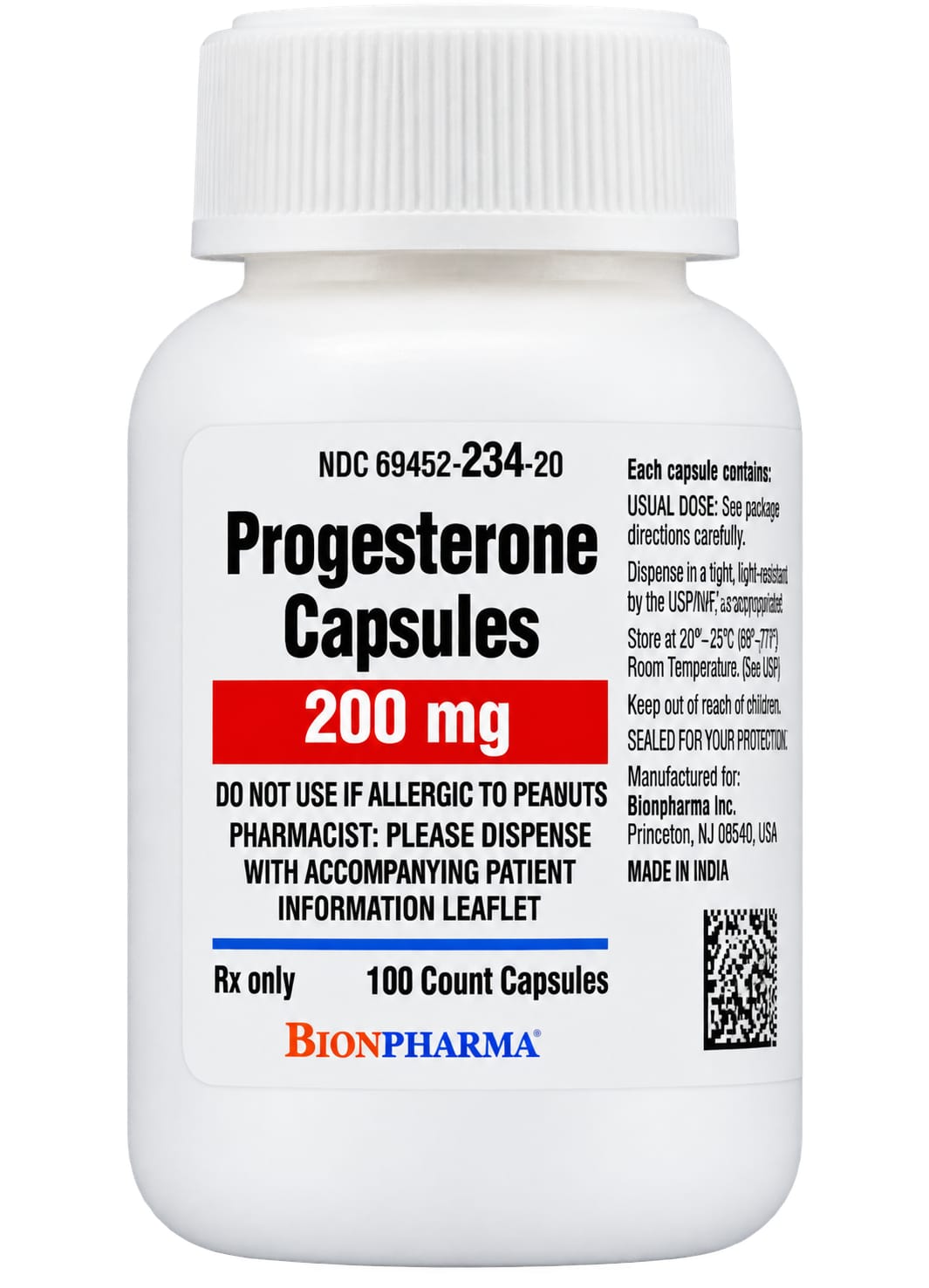
Progesterone Capsule contains progesterone, a progestin hormone that is chemically identical to the progesterone the body naturally makes. It is taken along with estrogen to manage menopause symptoms and to protect the uterine lining from overgrowth caused by estrogen therapy. It is also used to bring on a menstrual period in women with amenorrhea.
What is Progesterone Capsule
Progesterone is a female hormone made naturally by the body, mainly by the ovaries. The capsule form contains lab-made progesterone that is chemically identical to the progesterone your body makes. It is taken along with estrogen to help manage symptoms of menopause.
Progesterone Capsule uses
- Used with estrogen replacement therapy to manage symptoms of menopause
- Helps protect the lining of the uterus (endometrium) from overgrowth caused by estrogen therapy
- Used to reduce the risk of thickening of the uterine lining (endometrial hyperplasia) and uterine cancer in women who still have a uterus
- Used to bring on a menstrual period in women with amenorrhea (absent periods)
Benefits of Progesterone Capsule
- Reduces the risk of endometrial hyperplasia and endometrial cancer caused by estrogen-only therapy
- Helps manage menopausal symptoms when taken with estrogen
- Helps restore withdrawal bleeding or induce periods in women with amenorrhea
How Progesterone Capsule works
Progesterone works by helping to shed and control the growth of the inner lining of the uterus, which stops the overgrowth caused by estrogen. It reduces the growth activity of the cells lining the uterus and helps convert the tissue in the same way as the body's natural monthly cycle, protecting against overgrowth from estrogen therapy.
Progesterone Capsule dosage
Swallow the capsule whole with a glass of water; do not chew, crush, or pierce it. Take at bedtime to help reduce dizziness or drowsiness. If taking a morning dose, wait about 2 hours after breakfast before taking it, and avoid taking it with food otherwise, since food increases how much of the drug is absorbed. Take at the same time each evening as directed by your doctor. Continue taking it exactly as prescribed, even if you feel well, and do not stop without talking to your doctor first. Tell any surgeon or dentist that you are taking this medicine before any procedure.
| Age group | Dose |
|---|---|
| Under 18 Years | Use only if prescribed by a specialist |
| Adults (18–50 Years) | 100–400 mg daily depending on medical condition |
| Adults (50+ Years) | Dose adjusted based on individual hormone needs and medical advice |
| Older Adults (65+ years) | Use only under medical supervision |
Available forms and strengths
- Capsule (oral)
- Vaginal gel
- Vaginal insert
- Injection
Side effects of Progesterone Capsule
Common
- Breast tenderness, swelling, or pain
- Dizziness or vertigo
- Fatigue (tiredness)
- Spotting or minor vaginal bleeding between periods, mainly in the first two months
- Headaches or low mood
- Irregular menstrual periods
- Lightheadedness
- Nausea and cramps
- Sleepiness or insomnia
- Abdominal pain, bloating, or distension
- Joint pain
- Hot flashes
- Vaginal discharge
- Constipation or diarrhea
- Heartburn
- Swelling in hands or feet
Serious
- Unusual or unexpected vaginal bleeding
- A breast lump
- Yellowing of skin or eyes, dark urine, itching all over the body (signs of liver problems)
- Sudden vision problems, severe headache, or pain behind the eyes
- Signs of depression such as sleep problems, weakness, or mood changes
- Severe dizziness or drowsiness, spinning sensation, confusion, shortness of breath
- Signs of a heart attack, such as chest pain or pressure, pain spreading to the jaw or shoulder, nausea, sweating
- Signs of a stroke, such as sudden numbness or weakness on one side of the body, sudden severe headache, slurred speech, problems with speech or balance
- Signs of a blood clot in the lung, such as chest pain, sudden cough, wheezing, rapid breathing, or coughing up blood
- Signs of a blood clot in the leg, such as pain, swelling, warmth, or redness in one or both legs
- Signs of a severe allergic reaction such as hives, itching, swelling, wheezing, or difficulty breathing
Warnings and precautions
- Do not take this medicine if you are pregnant or think you might be pregnant, because it can pose risks to an unborn baby. If pregnancy occurs while taking this medicine, stop taking it and contact your doctor right away.
- This medicine is not recommended while breastfeeding, because small amounts pass into breast milk and could affect a nursing baby.
- People with kidney problems should be watched closely by their doctor while taking this medicine, since it is removed from the body mainly through the urine.
- Do not take this medicine if you have liver disease or liver problems, since the medicine could make liver disease worse and is broken down by the liver.
- This medicine can make you feel dizzy or sleepy, especially 1 to 4 hours after taking it. Do not drive or use machinery until you know how it affects you.
- Taking estrogen with progestin increases the risk of heart attack, stroke, breast cancer, blood clots in the lungs, blood clots in the legs or arms, and dementia in women 65 or older. Estrogen-only therapy after hysterectomy also raises the risk of stroke and blood clots.
- This medicine should not be used to try to prevent heart disease, stroke, or dementia, and should be used at the lowest effective dose for the shortest time needed, with regular checkups.
- Do not use this medicine if you have ever had breast cancer or hormone-sensitive cancers, unexplained vaginal bleeding, blood clot disorders, a history of stroke or heart attack, or liver disease.
- People with a peanut allergy should avoid this medicine because of a possible link between soy allergy and peanut allergy, since the capsule contains soy lecithin.
- If you need surgery, you may need to stop this medicine several weeks beforehand because of an increased risk of blood clots.
Storage
- Store at room temperature (15°C to 30°C)
- Protect from light
- Keep out of reach and sight of children and pets
- Dispose of unneeded medication through a medicine take-back program rather than flushing it down the toilet
When to see a doctor
- Get emergency help right away if you have signs of a severe allergic reaction, such as hives, swelling of the face, lips, tongue, or throat, or difficulty breathing.
- Call your doctor immediately or seek emergency care for sudden swelling or pain in an arm or leg, chest pain, shortness of breath, or coughing up blood, since these may be signs of a blood clot.
- Seek immediate medical attention for signs of a possible stroke, such as face drooping, slurred speech, arm weakness, vision changes, dizziness, confusion, or difficulty walking.
- Contact your doctor promptly if you notice a breast lump, unexpected vaginal bleeding, or yellowing of the skin or eyes.
- If you think you or someone you are caring for has taken too much of this medicine, contact a healthcare professional or go to a hospital emergency department right away, even if there are no symptoms.
Alternatives
- Medroxyprogesterone Acetate
- Norethisterone
- Micronized Progesterone Gel
Watch the video
FAQs
What is Progesterone Capsule used for?
It is used with estrogen replacement therapy to manage menopause symptoms, to protect the uterine lining from overgrowth caused by estrogen therapy, and to bring on a menstrual period in women with amenorrhea.
How should I take Progesterone Capsule?
Swallow the capsule whole with a glass of water without chewing, crushing, or piercing it. It is best taken at bedtime to help reduce dizziness or drowsiness, and should be taken at the same time each evening as directed. If taking a morning dose, wait about 2 hours after breakfast and avoid taking it with food.
What are the common side effects of Progesterone Capsule?
Common side effects include breast tenderness, dizziness, fatigue, spotting between periods, headaches, low mood, irregular periods, nausea, sleepiness or insomnia, bloating, joint pain, hot flashes, and swelling in hands or feet.
Who should not take Progesterone Capsule?
It should not be used by women who are pregnant, have liver disease, have had breast cancer or hormone-sensitive cancers, unexplained vaginal bleeding, blood clot disorders, or a history of stroke or heart attack. People with a peanut allergy should also avoid it because the capsule contains soy lecithin.
Can Progesterone Capsule be used while breastfeeding?
No, it is not recommended while breastfeeding because small amounts pass into breast milk and could affect a nursing baby.
General information, not medical advice
Your prescriber and the leaflet in your pack know your situation. This page does not.
- Follow your prescriber and the leaflet
- Don't start, stop, or change a dose on your own
- Doses and warnings differ by country and product
Sources
- RxList - Progesterone (https://www.rxlist.com/cat_people_and_dog_people_slideshow/article.htm)
- Drugs.com - Progesterone (https://www.drugs.com/progesterone.html)
- MedlinePlus - Progesterone (https://medlineplus.gov/druginfo/meds/a604017.html)
- pms-PROGESTERONE Product Monograph, Pharmascience Inc.
- M-PROGESTERONE Product Monograph, Mantra Pharma Inc.
- Progesterone Besins 100mg Capsules Package Leaflet, Besins Healthcare UK Limited
Video
Related medicines
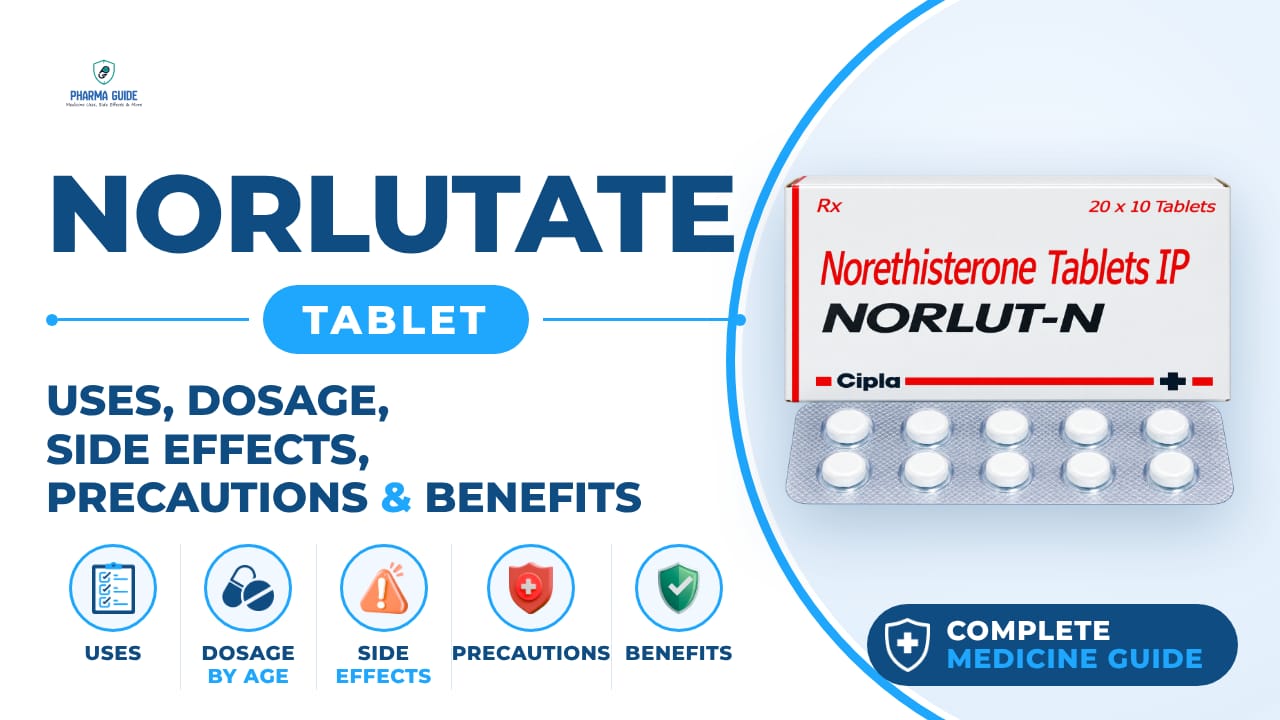
Norlutate Tablet: Uses, Dosage, Side Effects, Precautions and Alternates
Progestin
Norlutate Tablet (norethindrone acetate) treats abnormal uterine bleeding, endometriosis, and secondary amenorrhea. Learn uses, dosage, side effects, and
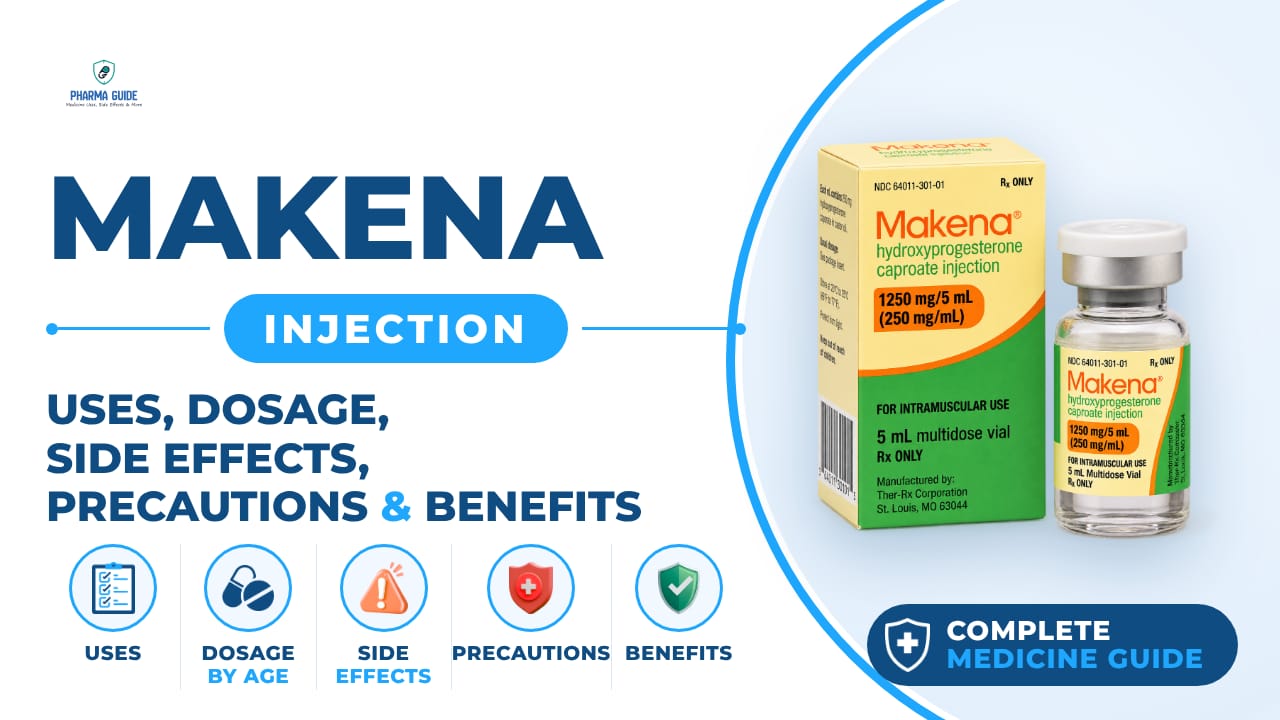
Makena Injection: Uses, Dosage, Side Effects, Precautions and Alternates
Progestin
Makena (hydroxyprogesterone caproate) was a weekly injection used to lower repeat preterm birth risk, but the FDA withdrew its approval in 2023 for lack of