
Safety
General information, not medical advice
Your prescriber and the leaflet in your pack know your situation. This page does not.
- Follow your prescriber and the leaflet
- Don't start, stop, or change a dose on your own
- Doses and warnings differ by country and product
Prometrium Capsule: Uses, Dosage, Side Effects, Precautions and Alternates
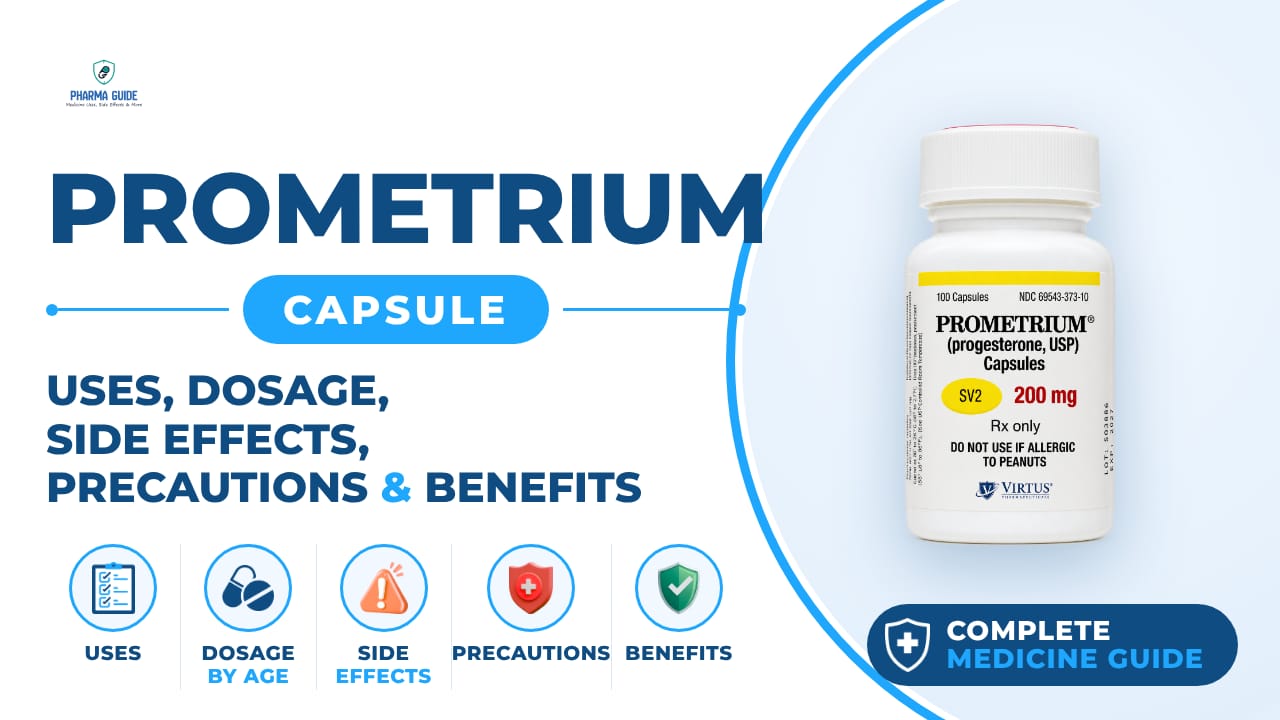
| Generic name | progesterone |
|---|---|
| Drug class | Progestogens |
| Forms | capsule |
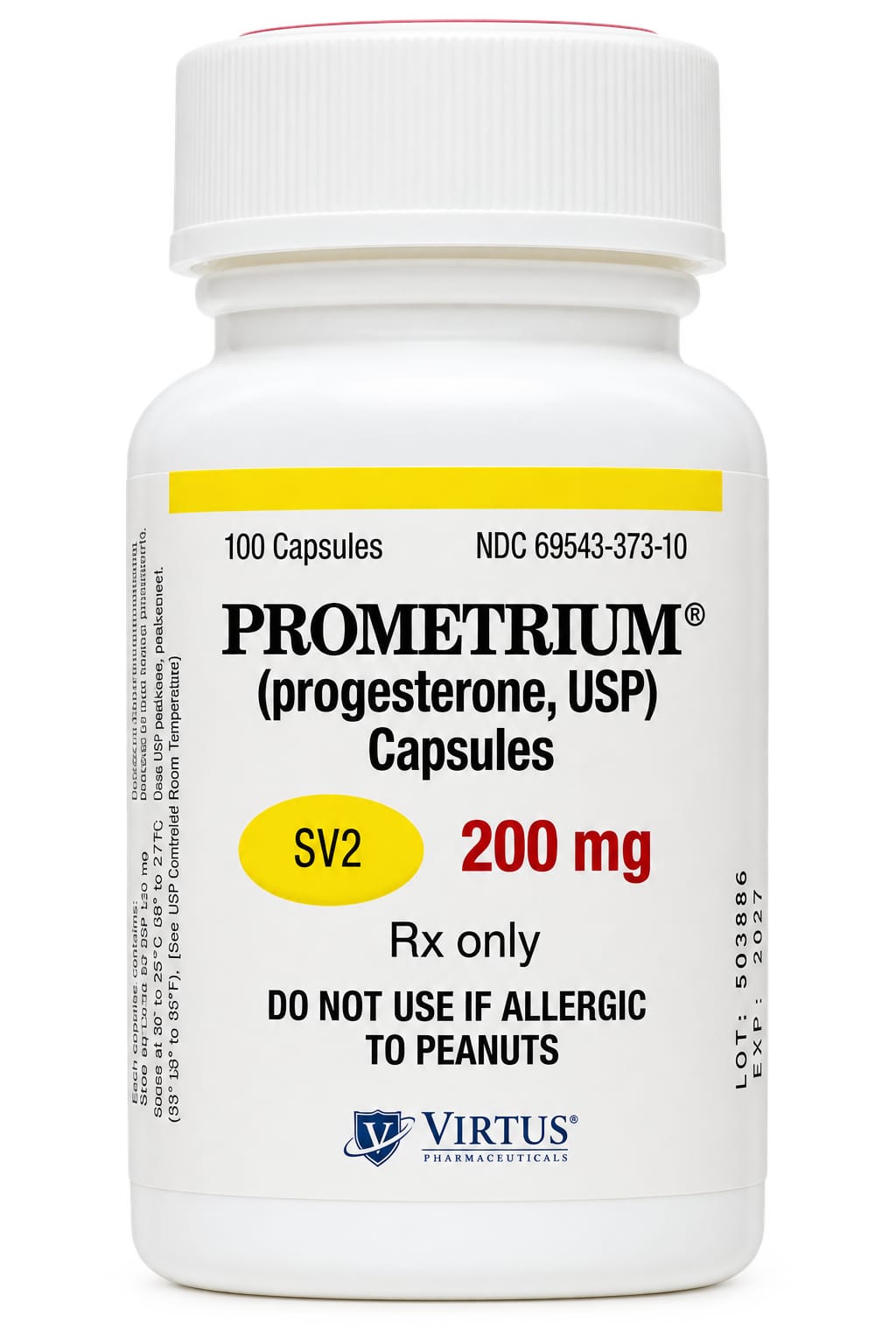
Quick overview
Prometrium Capsule contains progesterone, a hormone medicine in the progestogens drug class. It is used to cause menstrual periods in women with low progesterone, to prevent overgrowth of the uterine lining in postmenopausal women taking estrogen, and to treat menstrual abnormalities such as secondary amenorrhea. It works by acting as a progestin that balances the effects of estrogen on the uterus.
What is Prometrium Capsule
Prometrium is a female hormone that helps regulate ovulation and menstruation. It is a lab-made form of progesterone, a hormone the body naturally makes.
Prometrium Capsule uses
- Causes menstrual periods in women who have not yet reached menopause but are missing periods due to low progesterone
- Prevents overgrowth of the lining of the uterus in postmenopausal women who are taking estrogen hormone replacement therapy
- Treats menstrual abnormalities or secondary amenorrhea (no menstrual periods)
Benefits of Prometrium Capsule
- Helps treat secondary amenorrhea by supporting a withdrawal menstrual bleed
- Helps protect the uterine lining (endometrium) in postmenopausal women taking estrogen
- Reduces the risk of endometrial hyperplasia caused by estrogen therapy
- Provides progesterone replacement when the body does not produce enough progesterone
- Helps support normal hormonal balance and menstrual-cycle regulation in appropriate patients
How Prometrium Capsule works
Progesterone belongs to a group of medicines called progestins. When taken with estrogen, it stops the estrogen from making the uterus lining grow too thick, which lowers the risk of uterine cancer.
Prometrium Capsule dosage
Take the capsule with a full glass of water, swallowing it whole. It is best to take this medicine at night because it can make you feel dizzy or drowsy. Do not take it with food, as this may change how the medicine works. Follow your doctor's instructions carefully, since it is often used for only a short time during each menstrual cycle. Have regular physical exams and check your breasts for lumps every month while using this medicine. Tell any doctor or surgeon treating you that you are using this medicine, since you may need to pause it before surgery or bed rest.
| Age group | Dose |
|---|---|
| Under 18 years | Safety and effectiveness not established for routine use |
| Adults – Secondary amenorrhea | 400 mg once daily at bedtime for 10 days |
| Adults – Endometrial hyperplasia prevention | 200 mg once daily at bedtime for 12 consecutive days per 28-day cycle, with estrogen therapy |
| 65+ years | Limited experience; use the lowest appropriate individualized regimen |
| Liver impairment | Contraindicated in significant liver dysfunction or disease |
Available forms and strengths
- Capsule
Side effects of Prometrium Capsule
Common
- Drowsiness, dizziness
- Breast pain or tenderness
- Mood changes
- Headache
- Constipation, diarrhea, heartburn
- Bloating, swelling in hands or feet
- Joint or muscle pain
- Hot flashes
- Vaginal discharge or spotting
- Weight changes
- Nausea
Serious
- Unusual vaginal bleeding
- Pain or burning when urinating
- A breast lump or other breast changes
- Sudden vision problems, severe headache, or pain behind the eyes
- Signs of depression, including sleep problems, weakness, mood changes, or thoughts of suicide
- Severe dizziness or drowsiness, spinning sensation, confusion, or shortness of breath
- Heart attack symptoms such as chest pain or pressure, pain spreading to the jaw or shoulder, nausea, or sweating
- Liver problems such as nausea, upper stomach pain, itching, tiredness, loss of appetite, dark urine, pale stools, or yellowing of the skin or eyes
- Signs of a stroke such as sudden numbness or weakness (especially on one side of the body), sudden severe headache, or slurred speech
- Signs of a blood clot in the lung, such as chest pain, sudden cough, wheezing, rapid breathing, or coughing up blood
- Signs of a blood clot in the leg, such as pain, swelling, warmth, or redness
- Allergic reaction signs such as hives, difficulty breathing, or swelling of the face, lips, tongue, or throat
Warnings and precautions
- Do not use this medicine if you have a peanut allergy, unusual vaginal bleeding, a history of breast cancer, liver disease, or have recently had a heart attack, stroke, or blood clot.
- This medicine can increase the risk of blood clots, stroke, heart attack, or cancer. Because the capsules contain peanut oil, do not use this medicine if you are allergic to peanuts.
- Taking estrogen together with this medicine may raise the chance of certain cancers, including breast or uterine cancer, so discuss your cancer history with your doctor.
- People over 65 taking combined hormone therapy (estrogen and progestin) may have a higher risk of memory and thinking problems (dementia).
- Do not take this medicine if you are pregnant, as it could harm the unborn baby. If you become pregnant while taking it, stop and tell your doctor right away.
- This medicine can pass into breast milk and may affect a nursing baby, so tell your doctor if you are breastfeeding.
- This medicine may cause fluid retention, which can be a concern if you have kidney disease, so talk to your doctor about your kidney health before starting it.
- Do not use this medicine if you have liver disease, and tell your doctor if you have had liver problems in the past, since this medicine can affect the liver.
- This medicine can cause dizziness and drowsiness, so be careful when driving or operating machinery. Taking it at bedtime can help reduce this effect.
Storage
- Store at 20–25°C (68–77°F) at controlled room temperature
- Keep capsules in a cool, dry place away from excessive heat
- Protect from moisture and direct sunlight
- Keep capsules in the original, tightly closed container until use
- Avoid storing in bathrooms or other hot and humid areas
- Keep out of reach and sight of children and pets
When to see a doctor
Get emergency medical help right away if you have signs of an allergic reaction, such as hives, trouble breathing, or swelling of the face, lips, tongue, or throat. Call your doctor right away if you have unusual vaginal bleeding, pain or burning when urinating, a breast lump, sudden vision problems or severe headache, signs of depression, severe dizziness, confusion, shortness of breath, or symptoms of a heart attack, stroke, liver problem, or blood clot. Seek emergency care if you think you have taken too much of this medicine. Stop taking this medicine and get urgent medical attention if you notice loss of speech, coordination, or vision problems; pain or numbness in the chest, arm, or leg; sudden shortness of breath; yellowing of the skin or eyes; or swelling of the face, lips, mouth, or throat.
Alternatives
- Progesterone Vaginal Preparations
- Levonorgestrel-releasing IUD
- Dydrogesterone
- Norethindrone acetate
- Medroxyprogesterone acetate (Provera)
Watch the video
FAQs
What is Prometrium Capsule used for?
It is used to cause menstrual periods in women with low progesterone, to prevent overgrowth of the uterine lining in postmenopausal women taking estrogen, and to treat menstrual abnormalities such as secondary amenorrhea.
How should I take Prometrium Capsule?
Take the capsule whole with a full glass of water, preferably at night since it can cause dizziness or drowsiness. Do not take it with food, as this may change how the medicine works.
What is the dosage for secondary amenorrhea?
For secondary amenorrhea, the typical adult dose is 400 mg once daily at bedtime for 10 days.
Who should not take Prometrium Capsule?
It should not be used by people with a peanut allergy (since capsules contain peanut oil), unusual vaginal bleeding, a history of breast cancer, liver disease, or a recent heart attack, stroke, or blood clot. It should also not be used during pregnancy.
What are the serious side effects of Prometrium Capsule?
Serious side effects include unusual vaginal bleeding, breast lumps, signs of depression, severe dizziness or confusion, symptoms of heart attack or stroke, liver problems, and signs of blood clots in the lung or leg.
General information, not medical advice
Your prescriber and the leaflet in your pack know your situation. This page does not.
- Follow your prescriber and the leaflet
- Don't start, stop, or change a dose on your own
- Doses and warnings differ by country and product
Sources
Video
Related medicines

Norgestrel Tablet: Uses, Dosage, Side Effects, Precautions and Alternates
Progestogens
Norgestrel Tablet is a progestin-only birth control pill (Opill, Ovrette) taken daily. Learn how it works, dosage, side effects, and warnings.

Endometrin Vaginal Tablet: Uses, Dosage, Side Effects, Precautions and Alternates
Progestogens
Endometrin Vaginal Tablet contains progesterone used in fertility treatment like IVF to support implantation and early pregnancy. Learn dosage, side effects,