
Safety
General information, not medical advice
Your prescriber and the leaflet in your pack know your situation. This page does not.
- Follow your prescriber and the leaflet
- Don't start, stop, or change a dose on your own
- Doses and warnings differ by country and product
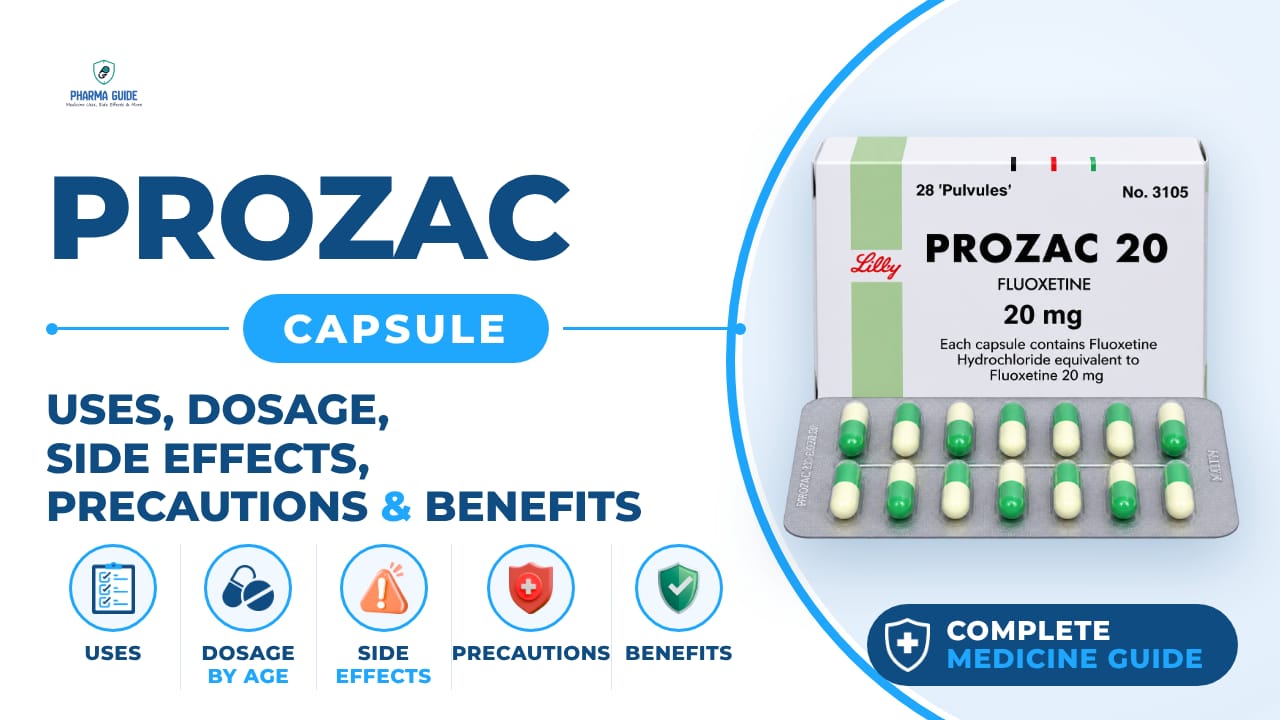
Prozac Capsule: Uses, Dosage, Side Effects, Precautions and Alternates
| Generic name | Fluoxetine |
|---|---|
| Drug class | Selective Serotonin Reuptake Inhibitor (SSRI) |
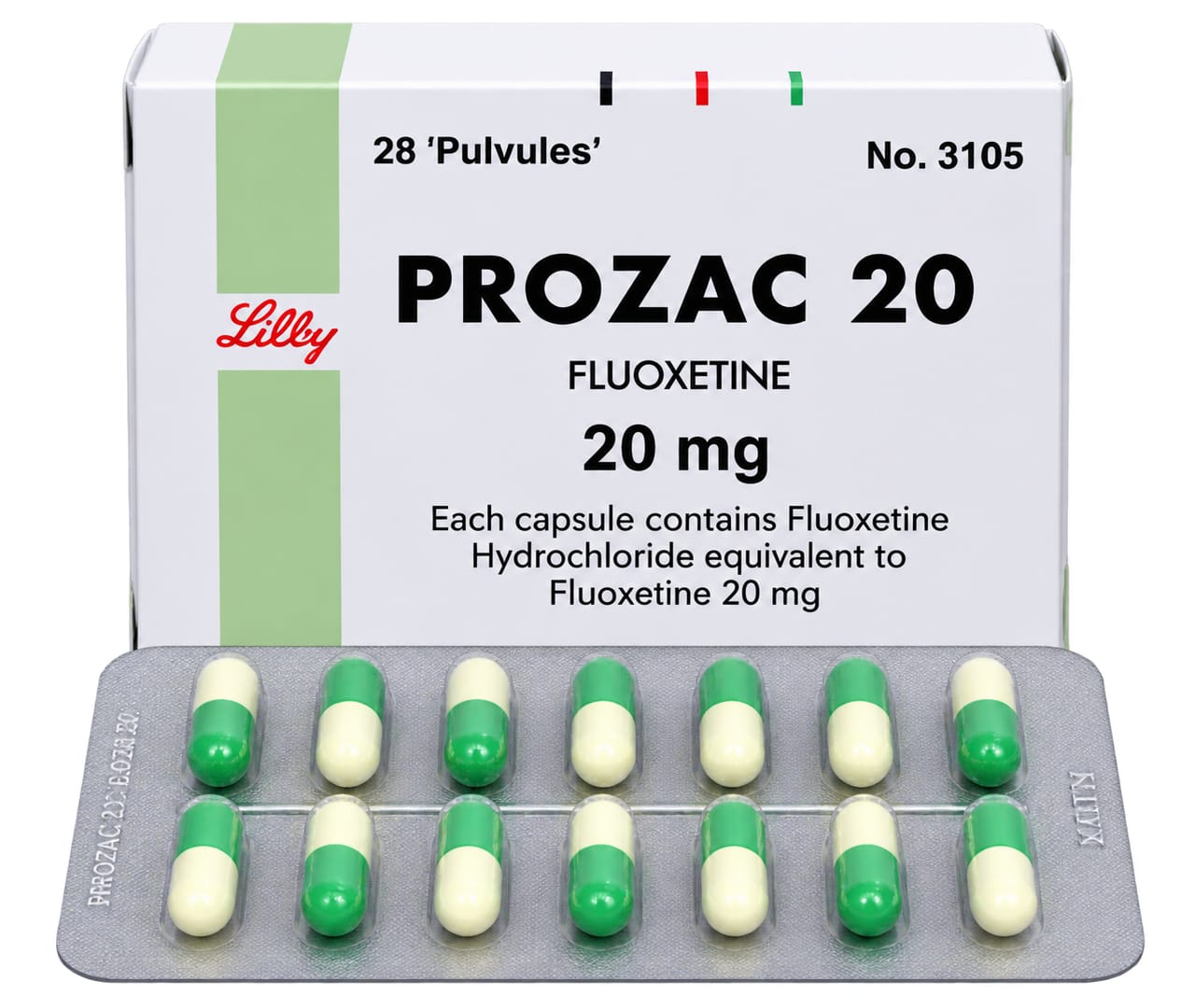
| Forms | Capsules, Tablets, Liquid solution, Delayed-release capsules |
Quick overview
Prozac Capsule contains fluoxetine, a selective serotonin reuptake inhibitor (SSRI), and is one of the most widely used antidepressants worldwide. It is prescribed for conditions such as major depressive disorder, obsessive-compulsive disorder, bulimia nervosa, panic disorder, and premenstrual dysphoric disorder, and is sometimes combined with olanzapine for bipolar depression. It works by increasing serotonin activity in the brain to help regulate mood. It is taken as directed by a doctor, with common side effects like nausea and headache, and more serious risks that require medical attention.
What is Prozac Capsule
Prozac is a brand-name antidepressant that contains fluoxetine, a selective serotonin reuptake inhibitor (SSRI). It is one of the most widely used antidepressants worldwide.
Prozac Capsule uses
- Major depressive disorder
- Obsessive-compulsive disorder (OCD)
- Bulimia nervosa
- Panic disorder
- Premenstrual dysphoric disorder (PMDD)
- Bipolar depression (used together with olanzapine)
Benefits of Prozac Capsule
- Relieves ongoing deep sadness, loss of interest in life, and fatigue
- Reduces intrusive, unwanted thoughts and repetitive, compulsive behaviors
- Helps decrease binge-eating and self-induced purging behaviors
- Lowers the frequency and severity of sudden, unexpected panic attacks
- Eases severe premenstrual irritability, tension, and depression
- Improves mood, sleep, appetite, and energy levels
How Prozac Capsule works
Fluoxetine increases the amount of serotonin, a brain chemical that helps regulate mood and behavior, by blocking its reabsorption into nerve cells. This helps keep more serotonin active in the brain, which can improve mood, sleep, appetite, and energy levels.
Prozac Capsule dosage
Take exactly as prescribed by your doctor and follow all directions on the label. Do not crush, chew, break, or open a delayed-release capsule; swallow it whole. It can be taken with or without food. Take it at approximately the same time each day for the best results. Taking it in the morning may help avoid insomnia.
It may take up to 4 to 6 weeks before symptoms improve; keep using it as directed and tell your doctor if symptoms do not improve. Do not stop using it suddenly; ask your doctor how to safely stop. If you miss a dose, take it as soon as you can, but skip it if it is almost time for your next dose; do not take two doses at once.
| Age group | Dose |
|---|---|
| Under 7 Years | Use only if prescribed by a specialist |
| 7–17 Years | Initial dose: 10–20 mg/day; adjusted based on condition and response |
| Adults (18–64 Years) | Initial dose: 20 mg once daily; usual range 20–60 mg/day |
| Older Adults (65+ Years) | Lower starting dose may be required; adjusted based on response |
Available forms and strengths
- Capsules
- Tablets
- Liquid solution
- Delayed-release capsules
Side effects of Prozac Capsule
Common
- Nausea and upset stomach
- Headache
- Dizziness
- Drowsiness or fatigue
- Dry mouth
- Trouble sleeping (insomnia) or vivid/strange dreams
- Anxiety, nervousness, tremors or shaking
- Loss of appetite or weight changes
- Excessive sweating, hot flashes
- Sexual dysfunction (lower sex drive or trouble having an orgasm)
- Stuffy nose, sinus pain, sore throat, flu symptoms
- Vision changes
Serious
- Serotonin syndrome (agitation, hallucinations, fever, sweating, shivering, fast heart rate, muscle stiffness, twitching, loss of coordination, nausea, vomiting, or diarrhea)
- Increased suicidal thoughts, especially in children, teens, and young adults under 25
- Abnormal bleeding or easy bruising
- Severe allergic reaction (hives, difficult breathing, swelling of face or throat)
- Severe skin reaction (fever, sore throat, burning eyes, skin pain, red or purple rash with blistering and peeling)
- Low sodium levels (headache, confusion, slurred speech, severe weakness, vomiting, loss of coordination, feeling unsteady)
- Severe nervous system reaction (rigid muscles, high fever, sweating, confusion, fast or uneven heartbeats, tremors, feeling faint)
- Vision problems (blurred vision, tunnel vision, eye pain or swelling, seeing halos around lights)
- Heart symptoms (fast or pounding heartbeats, fluttering in chest, shortness of breath, sudden dizziness)
- Withdrawal symptoms if stopped abruptly (severe dizziness, headache, anxiety, irritability)
Warnings and precautions
- Do not use Prozac if you also take pimozide or thioridazine, or if you are being treated with methylene blue injection.
- Do not use Prozac if you have used an MAO inhibitor in the past 14 days; you must wait at least 14 days after stopping an MAO inhibitor before taking Prozac, and wait 5 weeks after stopping Prozac before taking thioridazine or an MAOI.
- Some young people have thoughts about suicide when first taking an antidepressant. Stay alert to changes in mood or symptoms.
- Prozac could impair judgment, thinking, or motor skills, so use caution when operating machinery.
- Do not stop using Prozac without first asking your doctor, as stopping suddenly can cause unpleasant withdrawal symptoms.
- Fluoxetine may cause skin sensitivity to sunlight, so use sunscreen.
- Ask your doctor about taking this medicine if you are pregnant.
- Taking an SSRI during late pregnancy may cause serious medical complications in the baby, but stopping the antidepressant could cause a relapse of depression. Tell your doctor right away if you become pregnant.
- If you are breastfeeding, tell your doctor if you notice agitation, fussiness, feeding problems, or poor weight gain in the nursing baby.
- Talk with your doctor first if you have kidney problems.
- Tell your doctor if you have ever had cirrhosis of the liver, and do not use this medicine if you have severe liver disease.
- Do not drink alcohol while using fluoxetine.
- Avoid driving or hazardous activity until you know how this medicine will affect you, since it could impair judgment, thinking, or motor skills.
Storage
- Store at room temperature away from moisture and heat.
- Store below 30°C in a cool, dry place.
- Protect from light and moisture.
- Keep out of reach of children.
- Do not use after expiry date.
When to see a doctor
- Get emergency medical help if you have signs of an allergic reaction such as hives, difficulty breathing, or swelling of the face or throat, or a severe skin reaction with fever, sore throat, burning eyes, skin pain, or a red or purple rash with blistering and peeling.
- Call your doctor at once if you have vision problems, fast or pounding heartbeats with shortness of breath and sudden dizziness, signs of low sodium levels, or a severe nervous system reaction with rigid muscles, high fever, and confusion.
- Seek medical attention right away if you have symptoms of serotonin syndrome, such as agitation, hallucinations, fever, sweating, shivering, fast heart rate, muscle stiffness, twitching, loss of coordination, nausea, vomiting, or diarrhea.
- Report any new or worsening symptoms to your doctor, such as mood or behavior changes, anxiety, panic attacks, trouble sleeping, or feeling impulsive, irritable, agitated, hostile, aggressive, restless, more depressed, or having thoughts about suicide or self-harm.
- Seek emergency medical attention or contact your local poison control resource if you overdose.
Alternatives
- Sertraline
- Escitalopram
- Citalopram
Watch the video
FAQs
What is Prozac Capsule used for?
It is used for major depressive disorder, obsessive-compulsive disorder, bulimia nervosa, panic disorder, premenstrual dysphoric disorder, and bipolar depression when combined with olanzapine.
How does Prozac Capsule work?
Fluoxetine increases serotonin activity in the brain by blocking its reabsorption into nerve cells, which helps improve mood, sleep, appetite, and energy levels.
How long does it take for Prozac Capsule to work?
It may take up to 4 to 6 weeks before symptoms improve, so it should be used as directed even if results are not immediate.
What are the common side effects of Prozac Capsule?
Common side effects include nausea, headache, dizziness, drowsiness, dry mouth, insomnia, anxiety, tremors, appetite or weight changes, sweating, and sexual dysfunction.
Can I stop taking Prozac Capsule suddenly?
No, you should not stop it suddenly without asking your doctor, as this can cause withdrawal symptoms like severe dizziness, headache, anxiety, and irritability.
General information, not medical advice
Your prescriber and the leaflet in your pack know your situation. This page does not.
- Follow your prescriber and the leaflet
- Don't start, stop, or change a dose on your own
- Doses and warnings differ by country and product
Sources
Video
Related medicines
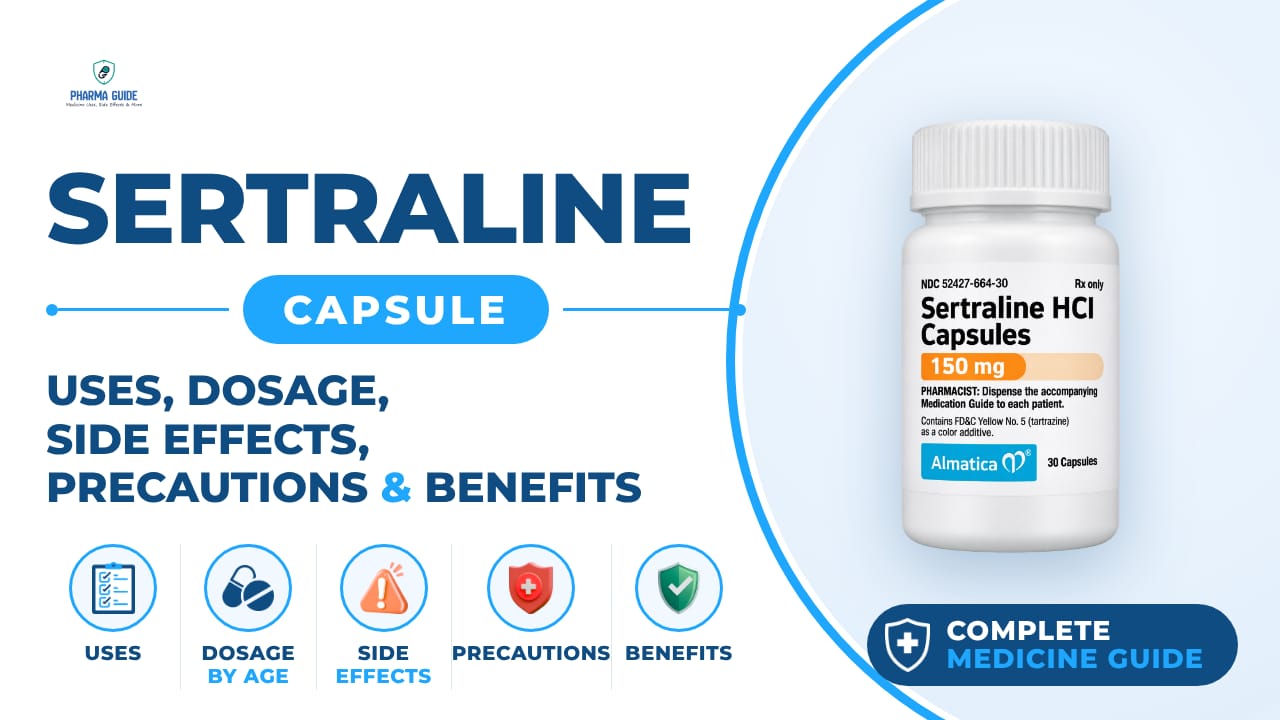
Sertraline Capsule: Uses, Dosage, Side Effects, Precautions and Alternates
Selective serotonin reuptake inhibitor (SSRI)
Sertraline Capsule (SSRI) treats depression, OCD, panic disorder, PTSD, social anxiety, and PMDD. Learn dosage, side effects, and warnings before use.
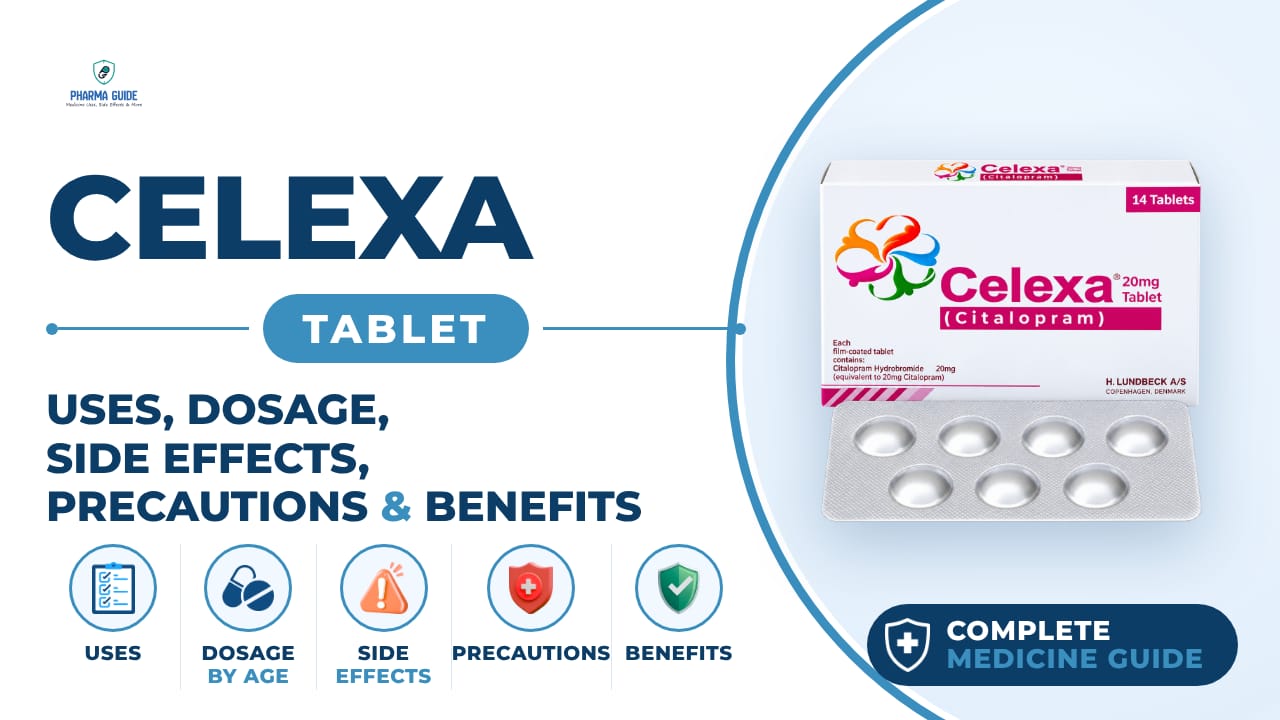
Celexa Tablet: Uses, Dosage, Side Effects, Precautions and Alternates
selective serotonin reuptake inhibitor (SSRI)
Celexa Tablet (citalopram) treats major depressive disorder in adults by boosting serotonin. Learn about uses, dosage forms, side effects, and warnings.