
Safety
General information, not medical advice
Your prescriber and the leaflet in your pack know your situation. This page does not.
- Follow your prescriber and the leaflet
- Don't start, stop, or change a dose on your own
- Doses and warnings differ by country and product
Rigix Tablet: Uses, Dosage, Side Effects, Precautions and Alternates
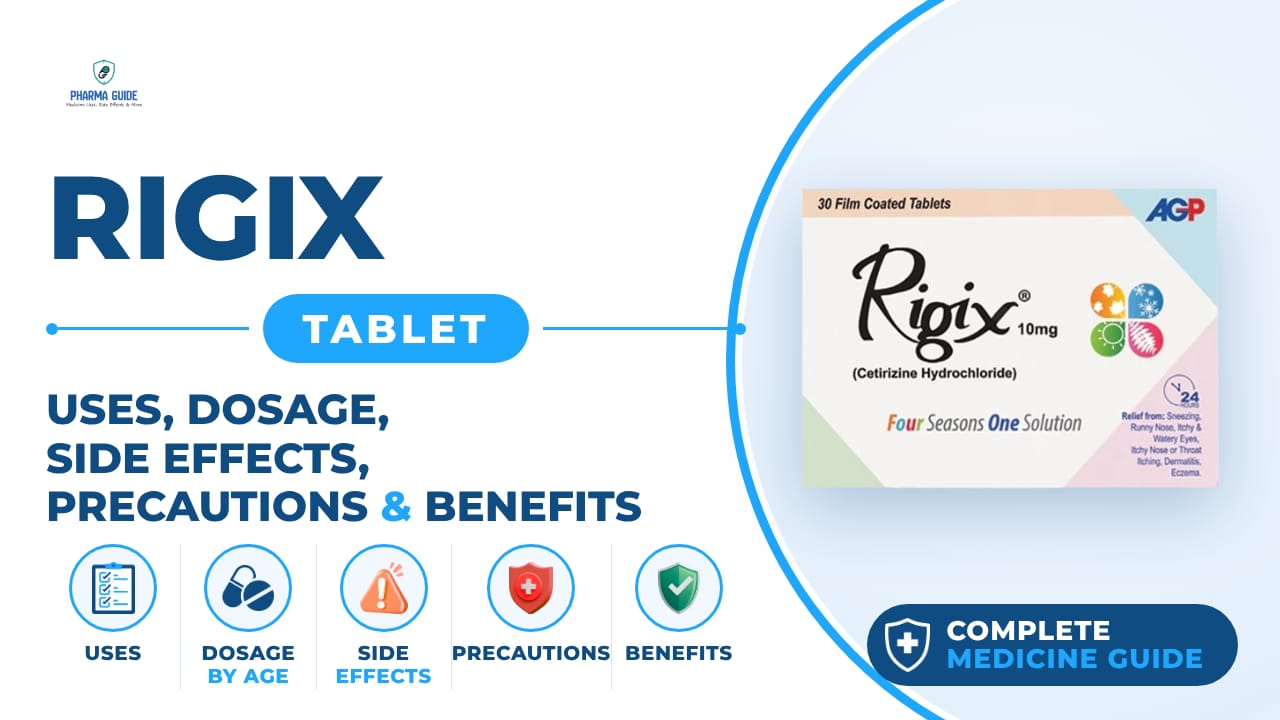
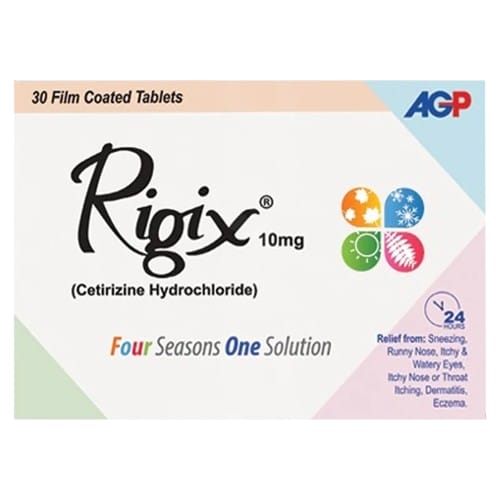
| Generic name | Cetirizine Hydrochloride |
|---|---|
| Drug class | Antihistamine |
| Forms | Tablet, Syrup, Chewable tablets |
Quick overview
Rigix Tablet contains Cetirizine Hydrochloride, an antihistamine used to relieve allergy symptoms such as sneezing, runny nose, itchy skin, and watery eyes. It works by blocking histamine, the chemical responsible for allergic reactions. It is available in tablet, syrup, and chewable tablet forms and should be used as directed by a doctor or pharmacist.
What is Rigix Tablet
Rigix Tablet contains Cetirizine, an antihistamine that blocks histamine to relieve allergy symptoms like sneezing, runny nose, itchy skin, and watery eyes.
Rigix Tablet uses
- Seasonal allergies
- Dust allergies
- Pet allergies
- Skin allergies
- Sneezing
- Runny nose
- Red, itchy, and watery eyes
- Sinus congestion
- Allergic rhinitis
- Allergy-induced asthma
- Hives (urticaria)
- Pruritus (itching)
- Irritation of the eyes
- Itching of the throat
- Runny nose and flu-like symptoms
Benefits of Rigix Tablet
- Provides quick relief from allergy symptoms
- Blocks histamine, the chemical that causes allergic reactions
- Lessens the frequency, intensity, and persistence of hives
How Rigix Tablet works
Cetirizine is a second-generation antihistamine that selectively blocks H1 receptors in the body, which stops histamine from causing allergy symptoms. It also has some mast cell stabilizing action.
Rigix Tablet dosage
Take it with or without food. Swallow the tablet whole with water; do not crush, chew, or split it. Don't take more than the recommended dose. Try to take it at the same time daily. High-fat meals may delay how quickly the medicine is absorbed, but this does not significantly affect how well it works.
| Age group | Dose |
|---|---|
| Under 6 years | Tablet not recommended; use an age-appropriate liquid/drop formulation if prescribed |
| 6–11 years | 5 mg once daily; a 10 mg tablet may be unsuitable for accurate dosing |
| 12–64 years | 10 mg once daily |
| 65+ years | 10 mg once daily, but dose adjustment may be needed with reduced kidney function |
Available forms and strengths
- Tablet
- Syrup
- Chewable tablets
Side effects of Rigix Tablet
Common
- Drowsiness
- Dry mouth
- Headache
- Dizziness
- Nausea
- Vomiting
- Stomach discomfort
- Flatulence (gas)
- Diarrhea
- Cough
- Fatigue
- Restlessness
- Sore throat
- Runny nose
Serious
- Allergic reactions
- Difficulty breathing
- Extreme drowsiness
- Irregular heartbeat
- Confusion
- Hallucinations
- Abnormal liver function tests
- Loss of consciousness
- Weakness and tremors
- Skin rash, itching, joint discomfort, muscle pain, breathing problems, and swollen face, lips, throat, or tongue
Warnings and precautions
- Do not take this medicine if you are allergic to cetirizine or other antihistamines, or if you have severe kidney disease.
- Do not use if you have severe kidney disease, severe liver disease, or problems absorbing nutrients.
- Talk to your doctor before use if you have epilepsy, are at risk of seizures, or have problems passing urine, such as with prostate or bladder issues.
- This product contains lactose, so tell your doctor if you have an intolerance to some sugars before taking it.
- If you are due to have an allergy skin test, ask your doctor if you should stop taking this medicine for a few days beforehand, as it may affect the results.
- Avoid this medicine if you are pregnant unless advised by a doctor, since safer alternatives may be available. Talk to your doctor before taking this medicine if you are breastfeeding.
- People with kidney problems, including severe kidney disease, should talk to their doctor, as dose adjustment may be needed. People with liver disease may need dose adjustments because the liver may not break down the drug as usual.
- Avoid alcohol while taking this medicine, as it can increase drowsiness and other side effects. Be careful when driving or operating machinery, since this medicine can cause drowsiness in some people, though most people are not affected.
Storage
- Keep at room temperature in a dry place
- Keep away from direct sunlight
- Store where children can't reach
- Don't use after the expiration date
- Store in a cool, dry place away from sunlight. Keep away from children
When to see a doctor
- Stop taking this medicine and talk to your doctor if you experience confusion, hallucinations, abnormal liver function tests, rapid heartbeat, or loss of consciousness.
- Seek medical care immediately if you experience symptoms of overdose such as severe drowsiness, restlessness, and nervousness.
- Serious side effects that need immediate medical attention include allergic reactions, difficulty breathing, extreme drowsiness, and irregular heartbeat.
Alternatives
- Levocetirizine 5 mg (Xyzal)
- Desloratadine 5 mg (Aerius)
- Loratadine 10 mg (Claritin)
Watch the video
FAQs
What is Rigix Tablet used for
Rigix Tablet is used to relieve allergy symptoms such as sneezing, runny nose, itchy skin, watery eyes, sinus congestion, allergic rhinitis, hives, and itching.
How does Rigix Tablet work
It contains Cetirizine, a second-generation antihistamine that selectively blocks H1 receptors to stop histamine from causing allergy symptoms, and it also has some mast cell stabilizing action.
What is the dosage of Rigix Tablet for adults
Adults aged 12 to 64 years should take 10 mg once daily, swallowed whole with water, with or without food.
What are the common side effects of Rigix Tablet
Common side effects include drowsiness, dry mouth, headache, dizziness, nausea, vomiting, stomach discomfort, gas, diarrhea, cough, fatigue, and sore throat.
Can I drink alcohol while taking Rigix Tablet
No, alcohol should be avoided while taking this medicine as it can increase drowsiness and other side effects.
General information, not medical advice
Your prescriber and the leaflet in your pack know your situation. This page does not.
- Follow your prescriber and the leaflet
- Don't start, stop, or change a dose on your own
- Doses and warnings differ by country and product
Sources
Video
Related medicines
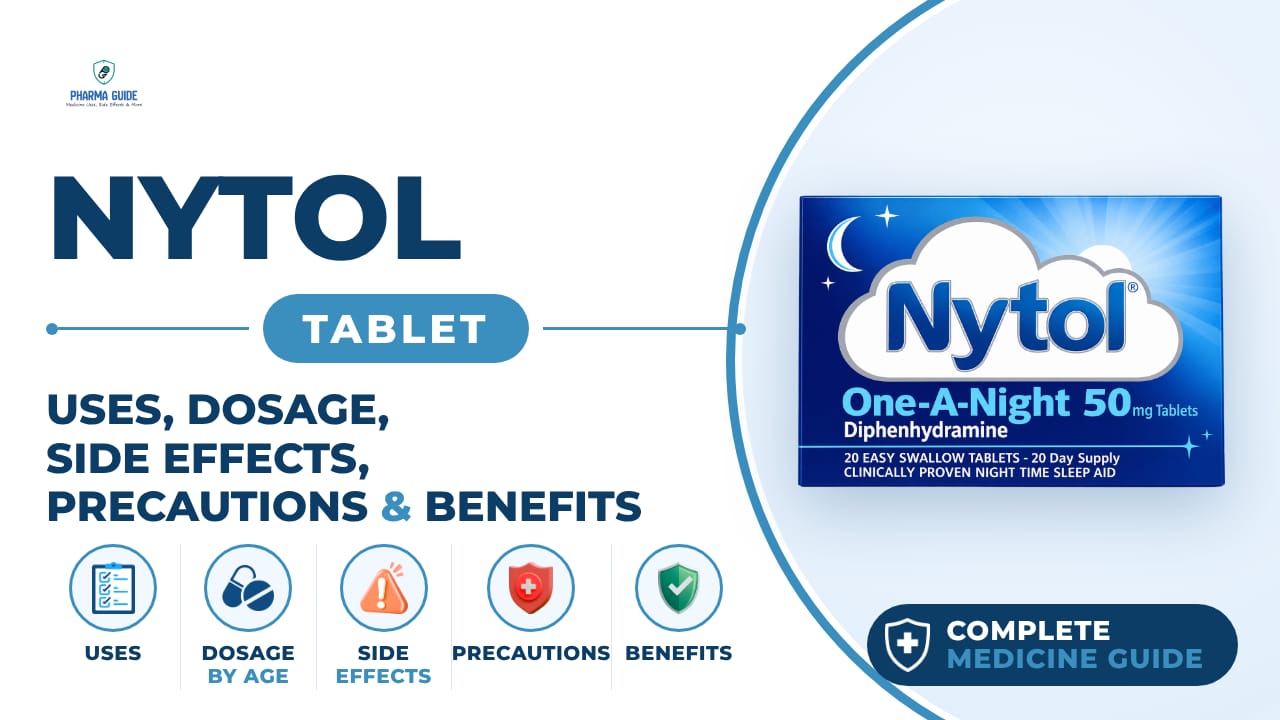
Nytol Tablet: Uses, Dosage, Side Effects, Precautions and Alternates
Antihistamine
Nytol Tablet contains diphenhydramine, used for short-term relief of occasional sleeplessness. Learn its dosage, benefits, side effects, and precautions.
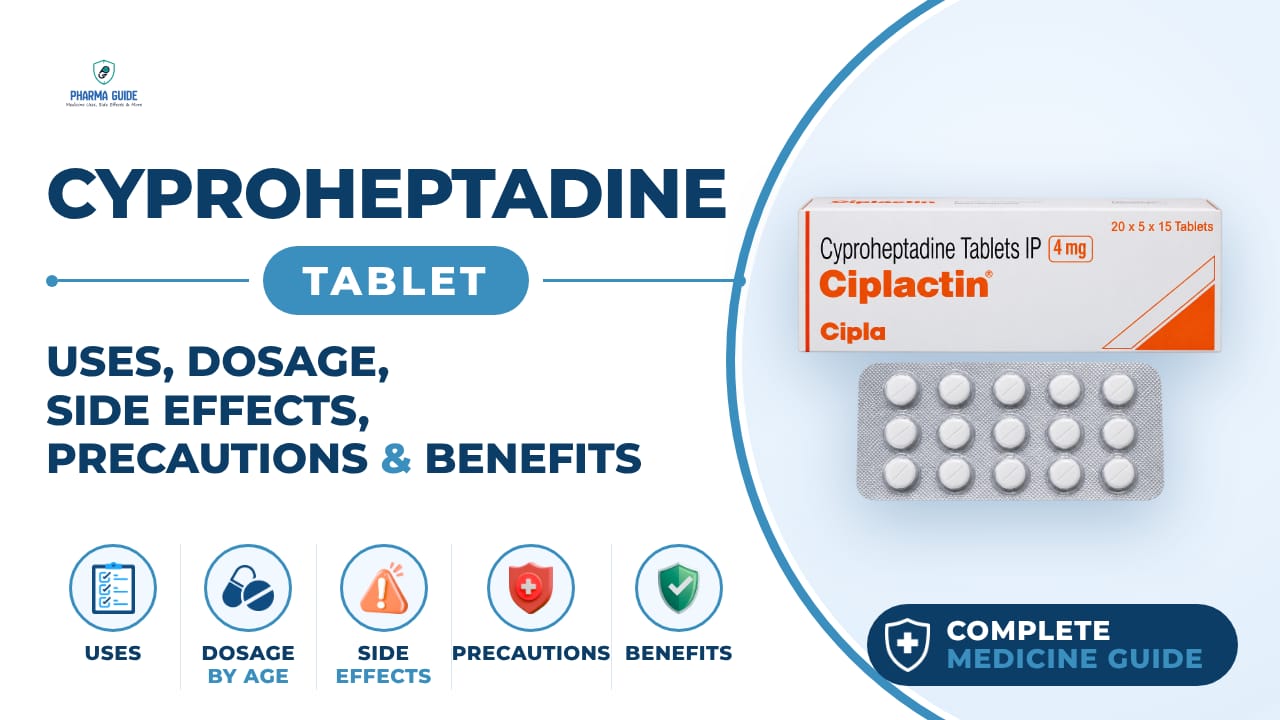
Cyproheptadine Tablet: Uses, Dosage, Side Effects, Precautions and Alternates
Antihistamine
Cyproheptadine Tablet is an antihistamine used for allergies, hives, and migraine headaches. Learn its uses, dosage, side effects, and precautions.