
Safety
General information, not medical advice
Your prescriber and the leaflet in your pack know your situation. This page does not.
- Follow your prescriber and the leaflet
- Don't start, stop, or change a dose on your own
- Doses and warnings differ by country and product
Seroquel XR Tablet: Uses, Dosage, Side Effects, Precautions and Alternates
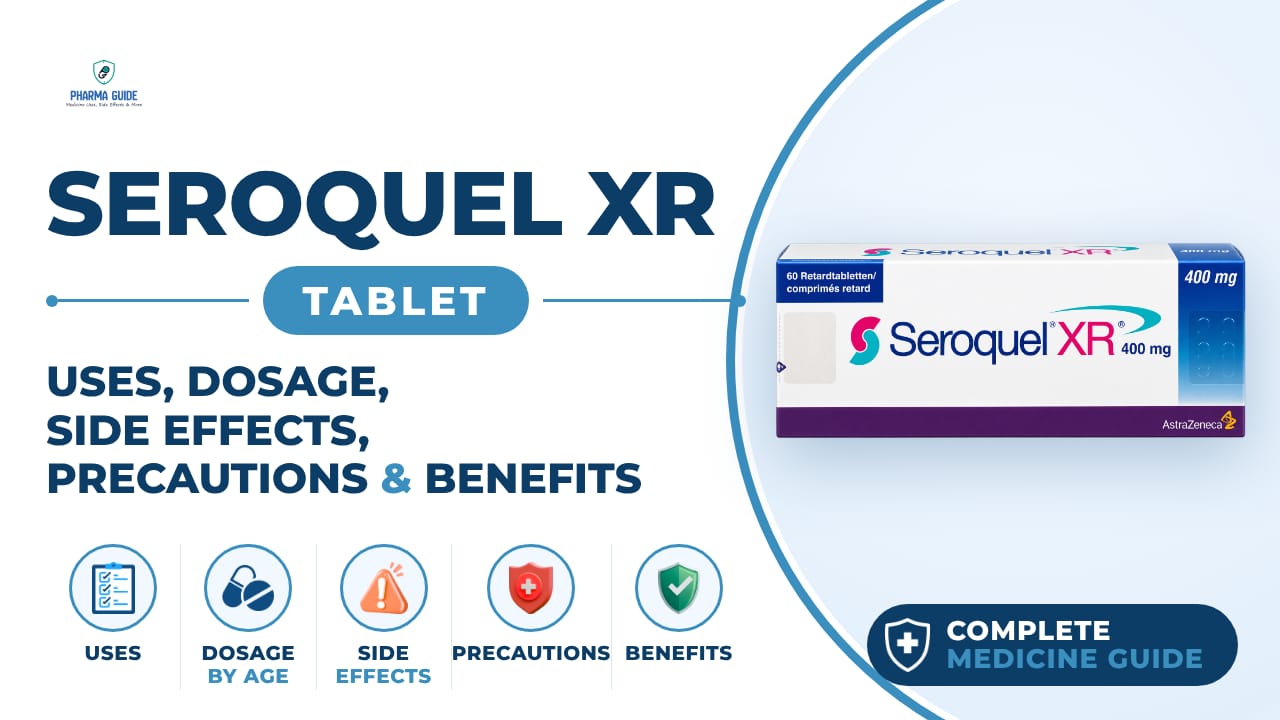
| Generic name | quetiapine fumarate |
|---|---|
| Drug class | Atypical antipsychotic |
| Forms | Extended-release tablet |
Quick overview
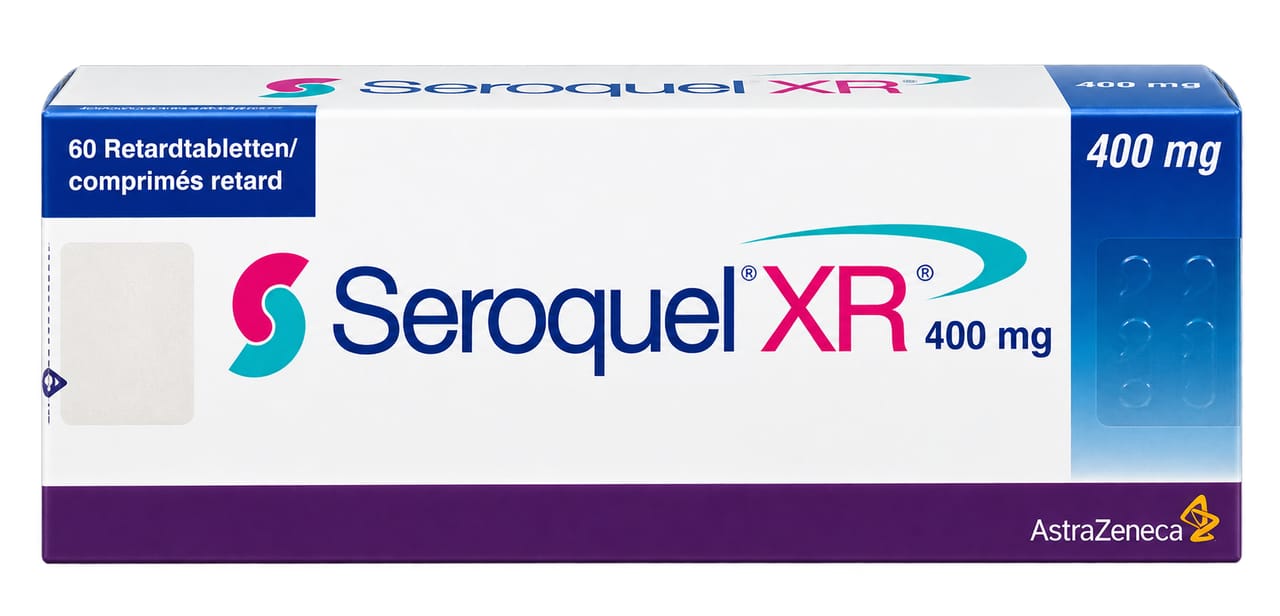
Seroquel XR Tablet (quetiapine fumarate) is an extended-release atypical antipsychotic used to treat schizophrenia, bipolar disorder, and major depressive disorder as an add-on treatment. It helps reduce symptoms such as hallucinations, mood instability, and low mood, and may be used long-term to reduce the frequency and severity of bipolar episodes. The tablet is taken once daily and must be swallowed whole, with dosing individualized by age and condition. It carries important warnings, including risks related to suicidal thoughts, movement disorders, and heart problems.
What is Seroquel XR Tablet
Seroquel XR is an extended-release tablet containing quetiapine, a medicine in the atypical antipsychotic class. It is used to treat serious mental health conditions including schizophrenia, bipolar disorder, and as an add-on treatment for major depressive disorder.
Seroquel XR Tablet uses
- Treats schizophrenia in adults and children at least 13 years old
- Used alone or with divalproex or lithium to treat manic episodes in adults with bipolar disorder
- Treats depressive episodes in adults with bipolar disorder
- Used alone to treat manic episodes in children at least 10 years old with bipolar disorder
- Used in combination with antidepressant medications to treat major depressive disorder in adults
Benefits of Seroquel XR Tablet
- Helps reduce symptoms like hallucinations, delusions, and disorganized thinking in schizophrenia
- Helps calm racing thoughts, reduce agitation, and stabilize mood during manic episodes
- Works to lift low mood and improve sleep and energy levels during depressive episodes
- Can be taken long-term to reduce how often bipolar episodes occur and how severe they are
How Seroquel XR Tablet works
Quetiapine is thought to work by changing the activity of certain natural substances in the brain, which may help restore balance and ease symptoms, though the exact way it works is not fully understood.
Seroquel XR Tablet dosage
Follow all directions on your prescription label and read all medication guides or instruction sheets. Use the medicine exactly as directed. You may take it with or without food, but take it the same way each time. Swallow the tablet whole and do not crush, chew, or break it. It is usually taken once daily in the evening without food or with a light meal.
Your blood may need to be checked regularly, and you may need other medical tests. Your blood pressure may need to be checked often. Do not stop using this medicine suddenly; your condition may get worse or you could have unpleasant symptoms such as trouble sleeping, nausea and vomiting. Ask your doctor before stopping the medicine. Take this medication regularly and at the same time each day to get the most benefit. Do not increase your dose or use the drug more often or for longer than prescribed.
| Age group | Dose |
|---|---|
| Under 13 Years | Use only under specialist supervision; dose depends on the indication |
| 13–17 Years | 50 mg once daily initially for certain approved indications; specialist adjustment required |
| Adults (18–64 Years) | 50–300 mg once daily initially/maintenance depending on indication |
| Older Adults (65+ Years) | Lower starting dose, commonly 50 mg once daily, with gradual specialist adjustment |
Available forms and strengths
- Extended-release tablet
Side effects of Seroquel XR Tablet
Common
- Speech problems
- Dizziness, drowsiness, tiredness
- Feeling like you might pass out
- Lack of energy
- Fast heartbeats
- Increased appetite, weight gain
- Upset stomach, vomiting, constipation
- Stomach pain, nausea
- Abnormal liver function tests, sore throat
- Stuffy nose, dry mouth
- Difficulty moving
- Dry mouth, dizziness, constipation, general weakness, headache, insomnia, lethargy
Serious
- Uncontrolled muscle movements in the face (chewing, lip smacking, frowning, tongue movement, blinking or eye movement)
- Breast swelling and tenderness, nipple discharge, impotence, missed menstrual periods
- Trouble swallowing, severe constipation
- Painful or difficult urination
- High blood pressure, fast, slow or uneven heart rate
- A light-headed feeling, sudden numbness or weakness, severe headache
- Blurred vision, eye pain or redness, seeing halos around lights
- A seizure, feeling unusually hot or cold
- Signs of infection - fever, chills, sore throat, body aches, unusual tiredness, loss of appetite, bruising or bleeding
- Severe nervous system reaction - very stiff (rigid) muscles, high fever, sweating, confusion, fast or uneven heartbeats, tremors, feeling like you might pass out
- Underactive thyroid - tiredness, depressed mood, dry skin, thinning hair, decreased sweating, weight gain, puffiness in the face, feeling more sensitive to cold temperatures
- High blood sugar - increased thirst, increased urination, dry mouth, fruity breath odor
- Low white blood cell counts - fever, mouth sores, skin sores, sore throat, cough
Warnings and precautions
- People with depression or mental illness may have thoughts of suicide. Some young people may have increased suicidal thoughts when they first start this medicine.
- Tell your doctor right away about any sudden changes in mood or behavior, or thoughts of suicide.
- This medicine may increase the risk of death in older adults with mental health problems related to dementia.
- High doses or long-term use can cause a serious movement disorder that may not go away. The longer you use this medicine, the more likely you are to develop it, especially if you are a woman or an older adult.
- Do not stop taking this medicine suddenly; your condition may get worse or you may have unpleasant symptoms such as trouble sleeping, nausea, and vomiting.
- This medicine can cause a serious heart problem, and the risk may be higher if you also use certain other medicines for infections, asthma, heart problems, high blood pressure, depression, mental illness, cancer, malaria, or HIV.
- Taking this medicine in the last three months of pregnancy may cause serious problems in the newborn. Tell your doctor right away if you become pregnant, but do not stop the medicine without your doctor's advice. It may be harder to get pregnant while using this medicine, and your name may be listed on a pregnancy registry to track effects on the baby.
- Ask a doctor if it is safe to breastfeed while using this medicine.
- Blood sugar, cholesterol, weight, and blood pressure may need monitoring.
- Tell your doctor if you have or have had liver disease before taking this medicine.
- Do not drink alcohol while taking this medicine, as dangerous side effects could occur.
- Avoid driving or hazardous activity until you know how this medicine affects you, since dizziness or drowsiness can cause falls, accidents, or severe injuries.
Storage
- Store at room temperature away from moisture and heat. Store at room temperature away from light and moisture.
- Do not store in the bathroom. Keep all medications away from children and pets. Do not flush medications down the toilet or pour them into a drain unless instructed to do so.
- Properly discard this product when it is expired or no longer needed. Consult your pharmacist or local waste disposal company.
When to see a doctor
- Get emergency medical help if you have signs of an allergic reaction, such as hives, difficulty breathing, or swelling of your face, lips, tongue, or throat.
- Tell your doctor right away if you have new or sudden changes in mood or behavior, including new or worse depression or anxiety, panic attacks, trouble sleeping, or if you feel impulsive, irritable, agitated, hostile, aggressive, restless, more active or talkative, or have thoughts about suicide or hurting yourself.
- Contact a doctor right away if you notice signs of high blood sugar, such as increased thirst, frequent urination, or blurred vision.
- Contact a doctor right away if you notice uncontrolled or unusual body movements, which may be a sign of a serious movement disorder.
- Contact a doctor right away if you have high fever, muscle stiffness, confusion, or excessive sweating, which could be a serious nervous system reaction.
- Contact a doctor right away if you have new or worsening thoughts of suicide or self-harm.
- Contact a doctor right away if you have extreme drowsiness or dizziness that affects your ability to function safely.
Alternatives
- Ziprasidone
- Aripiprazole
- Olanzapine
- Risperidone
Watch the video
FAQs
What is Seroquel XR Tablet used for?
It treats schizophrenia, manic and depressive episodes in bipolar disorder, and is used as an add-on treatment for major depressive disorder in adults.
How should Seroquel XR Tablet be taken?
It is usually taken once daily in the evening, with or without food, and the tablet should be swallowed whole without crushing, chewing, or breaking it.
What are the common side effects of Seroquel XR Tablet?
Common side effects include dizziness, drowsiness, tiredness, increased appetite, weight gain, dry mouth, constipation, upset stomach, and headache.
Can I stop taking Seroquel XR Tablet suddenly?
No, you should not stop taking it suddenly, as your condition may worsen or you may experience symptoms like trouble sleeping, nausea, and vomiting. Always consult your doctor before stopping.
What serious warnings are associated with Seroquel XR Tablet?
It carries risks of increased suicidal thoughts, serious movement disorders, heart problems, and increased risk of death in older adults with dementia-related psychosis.
General information, not medical advice
Your prescriber and the leaflet in your pack know your situation. This page does not.
- Follow your prescriber and the leaflet
- Don't start, stop, or change a dose on your own
- Doses and warnings differ by country and product
Sources
Video
Related medicines
Latuda Tablet: Uses, Dosage, Side Effects, Precautions and Alternates
atypical antipsychotic
Latuda Tablet (lurasidone) treats bipolar depression and schizophrenia. Learn about dosage, benefits, side effects, warnings, and precautions before use.
Risperdal Consta Injection: Uses, Dosage, Side Effects, Precautions and Alternates
Atypical antipsychotic
Risperdal Consta Injection is a long-acting risperidone shot given every 2 weeks for schizophrenia and bipolar I maintenance. Learn uses, dosage, and side