
Safety
General information, not medical advice
Your prescriber and the leaflet in your pack know your situation. This page does not.
- Follow your prescriber and the leaflet
- Don't start, stop, or change a dose on your own
- Doses and warnings differ by country and product
Sertraline Tablet: Uses, Dosage, Side Effects, Precautions and Alternates
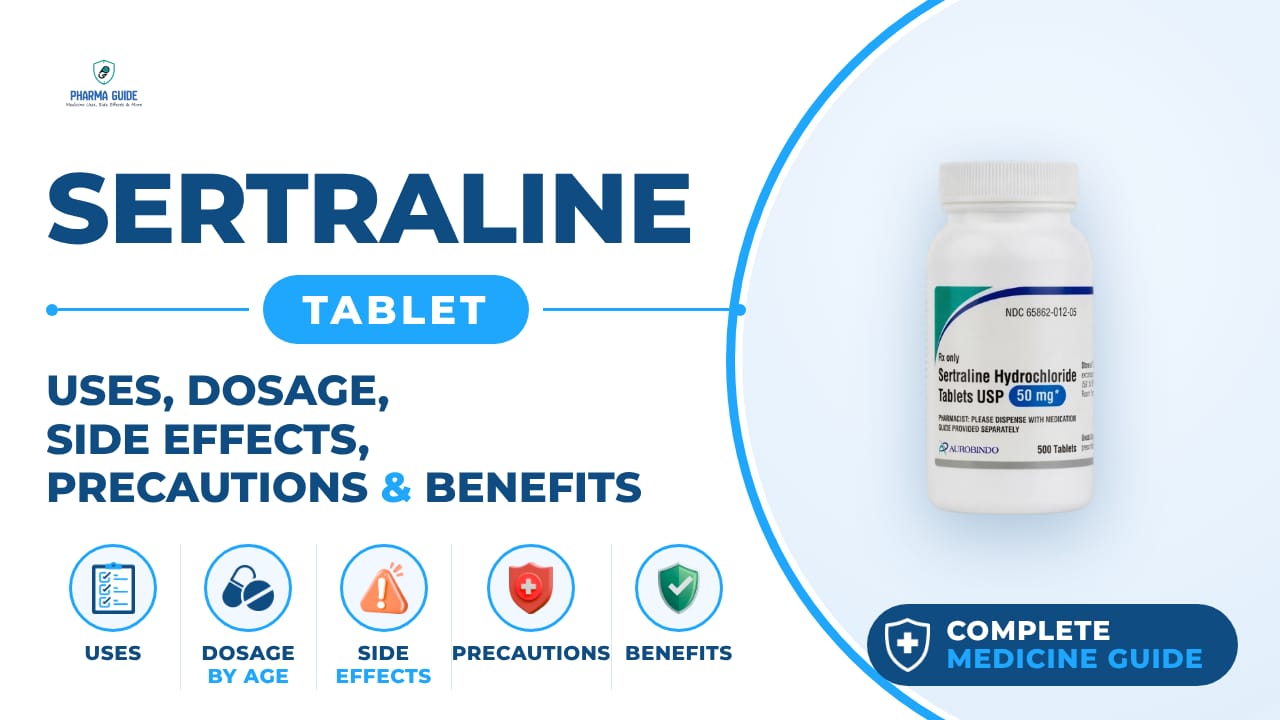
| Generic name | Sertraline |
|---|---|
| Drug class | Selective serotonin reuptake inhibitor (SSRI) |
| Forms | Tablet, Oral solution, Capsule |
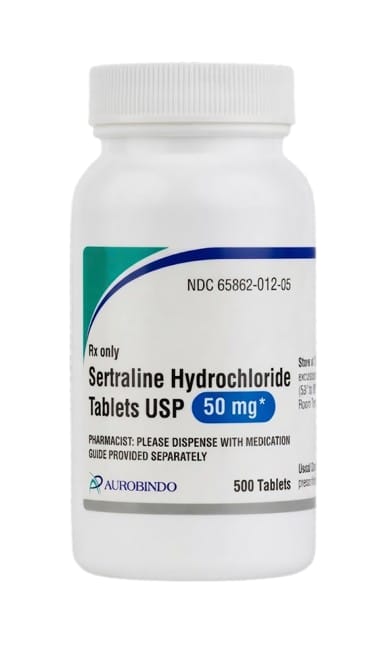
Quick overview
Sertraline is a prescription antidepressant from the SSRI (selective serotonin reuptake inhibitor) class, also known by the brand name Zoloft. It is used to treat depression, obsessive-compulsive disorder, panic disorder, PTSD, social anxiety disorder, and premenstrual dysphoric disorder. It works by increasing the availability of serotonin in the brain to help regulate mood. It is available as a tablet, capsule, or oral solution.
What is Sertraline Tablet
Sertraline is a prescription antidepressant that belongs to a group of medicines called SSRIs (selective serotonin reuptake inhibitors). It is also known by the brand name Zoloft.
Sertraline Tablet uses
- Depression (major depressive disorder) and preventing depression from coming back
- Obsessive-compulsive disorder (OCD) in adults and in children aged 6 to 17
- Panic disorder
- Post-traumatic stress disorder (PTSD)
- Social anxiety disorder (social phobia)
- Premenstrual dysphoric disorder (PMDD)
Benefits of Sertraline Tablet
- Considered a first-line treatment option for depression
- Can reduce symptoms of anxiety, OCD, PTSD, panic, and PMDD over time with continued use
How Sertraline Tablet works
Nerve cells in the brain release serotonin, a chemical that helps regulate mood, and then reabsorb it. Sertraline blocks this reabsorption so more serotonin stays available between nerve cells, which helps improve mood.
Sertraline Tablet dosage
Take by mouth with a glass of water at the same time every day, in either the morning or the evening. It can be taken with or without food; if it upsets your stomach, take it with food. Swallow capsules whole; do not open, crush, or chew them. Keep taking this medication unless your care team tells you to stop, because stopping too quickly can cause side effects and may worsen your condition. If using the oral solution, it must be diluted before use and taken right away after mixing. It may be prescribed for children as young as 6 or 7 years for certain conditions, but precautions apply. Older adults may need a lower starting dose and closer monitoring.
| Age group | Dose |
|---|---|
| Under 6 Years | Not recommended unless prescribed by a specialist |
| 6–17 Years | Usually started with a low dose and adjusted under medical supervision |
| 18–64 Years (Adults) | Usually 50 mg once daily (dose may be adjusted based on condition and response) |
| 65+ Years (Older Adults) | Usually started with a lower dose and adjusted carefully |
Available forms and strengths
- Tablet
- Oral solution
- Capsule
Side effects of Sertraline Tablet
Common
- Nausea
- Diarrhea or loose stools
- Trouble sleeping (insomnia)
- Dry mouth
- Tiredness (fatigue)
- Dizziness
- Sleepiness
- Tremor or shaking
- Indigestion
- Agitation
- Reduced or increased appetite
- Increased sweating
- Change in sex drive or sexual performance
- Upset stomach
- Constipation
Serious
- Allergic reactions such as skin rash, itching, hives, or swelling of the face, lips, tongue, or throat
- Signs of bleeding such as black tarry stools, red or dark brown urine, vomiting blood, or unusual bleeding/bruising
- Heart rhythm changes such as fast or irregular heartbeat, dizziness, fainting, chest pain, or trouble breathing
- Low sodium levels causing muscle weakness, fatigue, dizziness, headache, or confusion
- Serotonin syndrome, with symptoms like agitation, confusion, fast or irregular heartbeat, muscle stiffness, twitching, sweating, high fever, seizures, chills, vomiting, or diarrhea
- Sudden eye pain or vision changes such as blurred vision, halos around lights, or vision loss
- Thoughts of suicide or self-harm, or worsening mood
- Signs of a manic episode such as greatly increased energy, racing thoughts, or reckless behavior
- Seizures or convulsions
- Signs of severe skin reactions such as blistering or peeling skin
- Signs of liver problems such as yellowing of skin or eyes
Warnings and precautions
- Tell your doctor if you are pregnant, planning to become pregnant, or become pregnant while taking sertraline.
- Taking it late in pregnancy may raise the risk of newborn breathing problems and a serious lung condition.
- Never stop taking sertraline suddenly without talking to your doctor, since untreated depression during pregnancy also carries risks.
- Low levels of sertraline pass into breast milk.
- Studies have not shown side effects in breastfed infants, but talk with your doctor about the benefits and risks for you and your baby.
- No dose change is generally needed for kidney problems, including in people on dialysis.
- People with liver problems may need a lower dose, and sertraline is not recommended for people with moderate to severe liver impairment.
- Avoid drinking alcohol while taking sertraline, as it may increase certain side effects.
- This medication can affect your coordination, reaction time, or judgment.
- Do not drive or operate machinery until you know how sertraline affects you.
- Antidepressants can increase the risk of suicidal thoughts and behavior in children, teenagers, and young adults, especially in the first few months of treatment or after a dose change.
- Watch for new or worsening depression, agitation, irritability, or unusual changes in behavior.
- Do not take sertraline with an MAOI medicine, or within 14 days of stopping one, because of the risk of a serious reaction called serotonin syndrome. Wait at least 14 days after stopping sertraline before starting an MAOI.
- Do not take sertraline with pimozide, a medicine for mental disorders, because of the risk of serious heart rhythm problems.
- Sertraline can increase the risk of bleeding, especially if taken with aspirin, NSAIDs, or blood thinners.
- Do not stop taking sertraline suddenly. Your doctor will usually lower your dose gradually to avoid withdrawal-type side effects.
- People with a personal or family history of bipolar disorder should be screened before starting sertraline, since treating depression with an antidepressant can trigger a manic episode in someone with bipolar disorder.
Storage
- Store at room temperature between 20 and 25 degrees C (68 and 77 degrees F)
- Keep out of the reach of children and pets
- Get rid of any unused medication after the expiration date
- Take medication to a medication take-back program when no longer needed
- If a take-back program is not available, check the label or ask your care team whether it is safe to throw away in the garbage; if so, mix it with cat litter, dirt, or coffee grounds, seal it in a bag, and put it in the trash
- Do not throw away medicines via wastewater or household waste; ask your pharmacist how to dispose of unused medicine
When to see a doctor
- Get emergency help right away if you have signs of an allergic reaction, such as rash, hives, swelling of the face, lips, tongue, or throat, or difficulty breathing.
- Call your doctor right away if you notice signs of serotonin syndrome, such as agitation, hallucinations, confusion, racing heartbeat, high fever, muscle stiffness or twitching, loss of coordination, seizures, or heavy sweating.
- Contact your doctor or go to a hospital right away if you have thoughts of harming or killing yourself at any time.
- Call your doctor at once if you notice unusual bleeding or bruising, including nosebleeds, bleeding gums, blood in vomit or stools, or black tarry stools.
- Seek medical help if you have signs of a manic episode, such as greatly increased energy, severe trouble sleeping, racing thoughts, or reckless behavior.
- Get help immediately if you have eye pain, vision changes, or swelling and redness in or around the eye, which can signal a sudden rise in eye pressure.
- Contact your doctor if you have signs of low sodium in the blood, such as headache, trouble concentrating, memory problems, confusion, weakness, or feeling unsteady, since severe cases can lead to falls, seizures, or coma.
- Seek medical help for fainting, chest discomfort, or an irregular heartbeat, which can signal a heart rhythm problem.
- If you think you have taken too much of this medicine, contact a poison control center or go to an emergency room at once.
Alternatives
- Fluoxetine
- Citalopram
- Bupropion
Watch the video
FAQs
What is sertraline tablet used for?
Sertraline is used to treat depression, obsessive-compulsive disorder (OCD), panic disorder, PTSD, social anxiety disorder, and premenstrual dysphoric disorder (PMDD).
How does sertraline work?
Sertraline blocks the reabsorption of serotonin by nerve cells in the brain, keeping more serotonin available between nerve cells, which helps improve mood.
What is the usual adult dose of sertraline?
Adults aged 18 to 64 usually take 50 mg once daily, though the dose may be adjusted based on condition and response.
What are the common side effects of sertraline?
Common side effects include nausea, diarrhea, trouble sleeping, dry mouth, fatigue, dizziness, sleepiness, tremor, indigestion, agitation, appetite changes, increased sweating, changes in sex drive, upset stomach, and constipation.
Can I stop taking sertraline suddenly?
No, you should not stop taking sertraline suddenly, as stopping too quickly can cause withdrawal-type side effects and may worsen your condition; your doctor will usually lower the dose gradually.
General information, not medical advice
Your prescriber and the leaflet in your pack know your situation. This page does not.
- Follow your prescriber and the leaflet
- Don't start, stop, or change a dose on your own
- Doses and warnings differ by country and product
Sources
- Cleveland Clinic: Sertraline Tablets
- Drugs.com: Sertraline
- Package leaflet: Sertraline 50 mg/100 mg film-coated tablets (V072)
- Mayo Clinic: Sertraline (oral route)
- Sertraline-WGR Tablets Consumer Medicine Information
Video
Related medicines
Sertraline Capsule: Uses, Dosage, Side Effects, Precautions and Alternates
Selective serotonin reuptake inhibitor (SSRI)
Sertraline Capsule (SSRI) treats depression, OCD, panic disorder, PTSD, social anxiety, and PMDD. Learn dosage, side effects, and warnings before use.
Celexa Tablet: Uses, Dosage, Side Effects, Precautions and Alternates
selective serotonin reuptake inhibitor (SSRI)
Celexa Tablet (citalopram) treats major depressive disorder in adults by boosting serotonin. Learn about uses, dosage forms, side effects, and warnings.