
Safety
General information, not medical advice
Your prescriber and the leaflet in your pack know your situation. This page does not.
- Follow your prescriber and the leaflet
- Don't start, stop, or change a dose on your own
- Doses and warnings differ by country and product
Tranylcypromine Tablet: Uses, Dosage, Side Effects, Precautions and Alternates
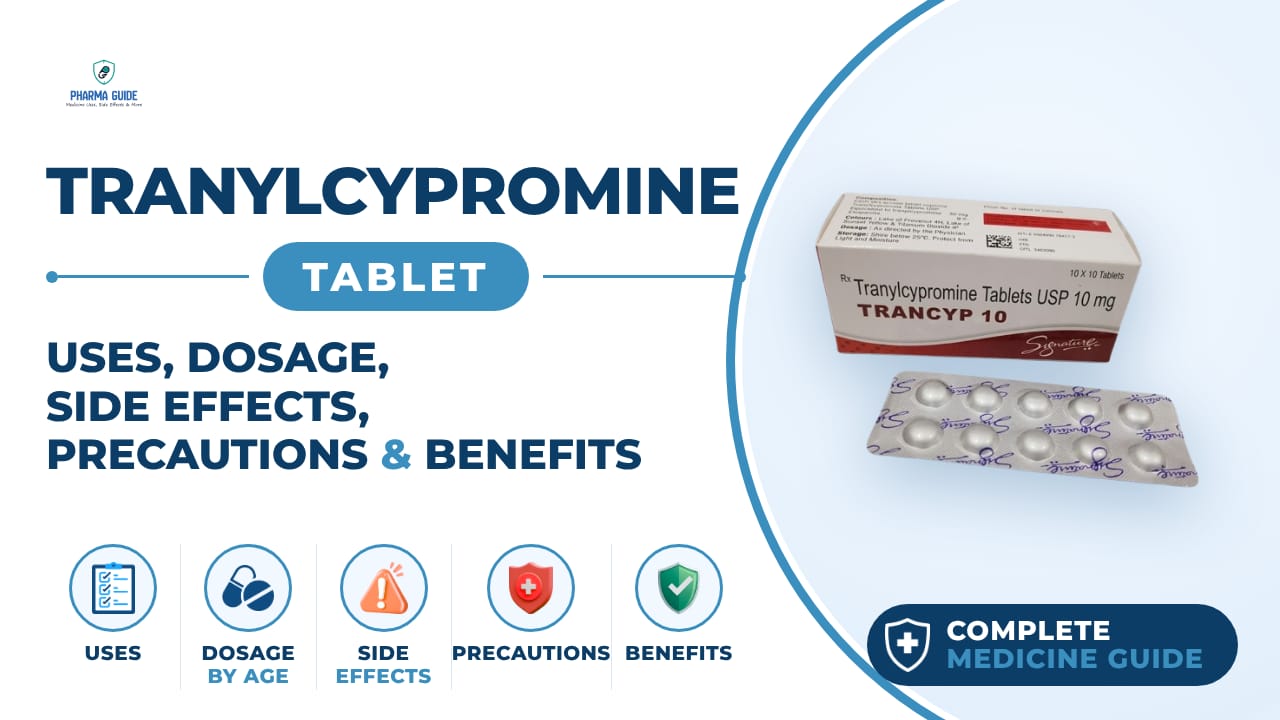
| Generic name | tranylcypromine |
|---|---|
| Drug class | Monoamine oxidase inhibitor (MAOI) |
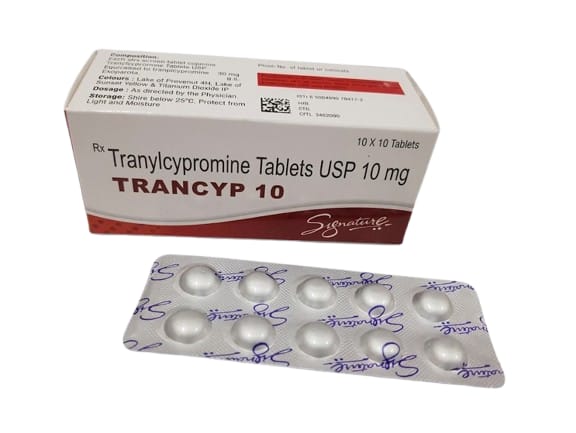
| Forms | Tablet (10 mg), Film-coated tablet |
Quick overview
Tranylcypromine Tablet is a prescription monoamine oxidase inhibitor (MAOI) used to treat adults with major depressive disorder who have not responded well to other antidepressant medicines. It is generally not used as a first treatment option for depression. It works by raising levels of certain brain chemicals linked to mood and is taken exactly as directed by a doctor, usually twice daily.
What is Tranylcypromine Tablet
Tranylcypromine is a prescription medicine used to treat adults with major depressive disorder (MDD) who have not gotten better with other antidepressant medicines. It belongs to a group of medicines called monoamine oxidase inhibitors (MAOIs) and is not meant to be the first medicine tried for depression.
Tranylcypromine Tablet uses
- Treatment of major depressive disorder (MDD) in adults who have not responded well to other antidepressants
- Treatment of major depressive episode without melancholia
Benefits of Tranylcypromine Tablet
- Can help treat depression that has not improved with other antidepressant medicines
How Tranylcypromine Tablet works
Tranylcypromine blocks an enzyme called monoamine oxidase, which raises the levels of brain chemicals such as norepinephrine, dopamine, and serotonin. This is believed to help improve mood.
Tranylcypromine Tablet dosage
Take this medicine exactly as your healthcare provider tells you to take it. It is usually taken twice a day at around the same times every day. Your doctor may start you on a low dose and gradually increase it, usually not more often than every 1 to 3 weeks. It may take several weeks before you feel the full benefit of this medicine.
Keep taking this medicine even if you feel well, unless your doctor tells you to stop. Do not stop taking this medicine suddenly without talking to your doctor, as this can cause withdrawal symptoms. Taking the last dose of the day no later than mid-afternoon may help reduce sleep problems. Tell your doctor if you plan to have surgery, including dental surgery, because this medicine may need to be stopped beforehand. Avoid taking extra doses or using the medicine more often or longer than prescribed.
| Age group | Dose |
|---|---|
| Under 18 years | Not recommended |
| 18–64 years | 30 mg/day |
| 65+ years | 30 mg/day |
Available forms and strengths
- Tablet (10 mg)
- Film-coated tablet
Side effects of Tranylcypromine Tablet
Common
- Dry mouth
- Dizziness
- Trouble sleeping (insomnia)
- Headache
- Constipation
- Shakiness (tremor)
- Feeling sleepy (drowsiness/sedation)
- Overexcitement
- Blurred vision
Serious
- Suicidal thoughts or actions, especially in young people or when starting or changing dose
- Hypertensive crisis (dangerously high blood pressure) with symptoms like sudden severe headache, vomiting, fast or changed heartbeat, enlarged pupils, chest pain, nausea, stiff or sore neck, heavy sweating, light sensitivity, or bleeding in the brain
- Serotonin syndrome (agitation, confusion, coma, changes in blood pressure, sweating, high body temperature, seizures, hallucinations, rapid pulse, dizziness, flushing, fever, tremors, stiff or twitching muscles, nausea, vomiting, diarrhea)
- Mania or hypomania (racing thoughts, unusually high energy, reckless behavior, severe trouble sleeping)
- Low blood pressure, including fainting when standing up quickly (postural hypotension)
- Changes in blood pressure during and around surgery
- Withdrawal symptoms if stopped suddenly (dizziness, irritability, anxiety, confusion, mood changes, seizures, nausea, trouble sleeping, abnormal dreams, electric shock sensations, headache, diarrhea, sweating, tiredness, ringing in ears)
- Liver problems (loss of appetite, stomach pain, dark urine, yellowing of skin or eyes)
- Seizures
- Low blood sugar, especially in people with diabetes
- Worsening of depression symptoms such as anxiety and agitation
- Severe allergic reaction (hives, trouble breathing, swelling of face, lips, tongue, or throat)
Warnings and precautions
- This medicine can increase the risk of suicidal thoughts or actions in children, teenagers, and young adults, especially in the first few months of treatment or when the dose changes. Watch closely for new or worsening mood or behavior changes.
- This medicine can cause a sudden, severe rise in blood pressure (hypertensive crisis), which can lead to stroke and death, especially if you eat certain foods or drinks or take certain other medicines.
- Avoid foods and drinks high in tyramine while taking this medicine and for two weeks after stopping it, as this can trigger a hypertensive crisis.
- Taking this medicine with certain other antidepressants or medicines for pain, allergies, or colds can cause a life-threatening hypertensive crisis or serotonin syndrome.
- Do not take this medicine if you have a tumor on the adrenal gland (pheochromocytoma) or a related tumor called paraganglioma, as this increases the risk of a dangerous rise in blood pressure.
- Do not stop taking this medicine suddenly, as it can cause withdrawal symptoms; your doctor should help you reduce the dose gradually.
- This medicine may harm an unborn baby. Tell your doctor if you are pregnant or planning to become pregnant.
- This medicine passes into breast milk. You should not breastfeed while taking this medicine; talk to your doctor about the best way to feed your baby.
- This medicine should be used with caution in people with reduced kidney function, as effects may build up in the body.
- This medicine should not be used in people with liver disease or abnormal liver test results, and it can cause liver problems such as hepatitis.
- Do not drink alcohol while taking this medicine, as it can cause dangerous side effects.
- This medicine can cause drowsiness, dizziness, or impaired reactions. Do not drive or operate machinery until you know how it affects you.
Storage
- Store between 59°F to 86°F (15°C to 30°C).
- Store in a tight, light-resistant container.
- Keep out of the reach of children.
- Store at room temperature away from moisture and heat (not in the bathroom).
- Dispose of unneeded medication through a medicine take-back program rather than flushing it down the toilet.
When to see a doctor
- Call your healthcare provider right away if you have new or worsening depression, thoughts of suicide or dying, agitation, aggression, panic attacks, or other sudden changes in mood or behavior.
- Get emergency help right away if you have symptoms of a hypertensive crisis, such as sudden severe headache, vomiting, fast or irregular heartbeat, chest pain, enlarged pupils, neck stiffness, or heavy sweating.
- Call your healthcare provider or go to the nearest hospital emergency room right away if you notice symptoms of serotonin syndrome, such as agitation, confusion, hallucinations, high fever, seizures, or fast heartbeat.
- If you take too much of this medicine, call your healthcare provider or poison control, or go to the nearest emergency room right away.
- Call your doctor right away if you notice signs of liver problems, such as loss of appetite, stomach pain, dark urine, or yellowing of the skin or eyes.
Alternatives
- Venlafaxine
- Selegiline
- Isocarboxazid
Watch the video
FAQs
What is Tranylcypromine Tablet used for?
It is used to treat adults with major depressive disorder who have not responded well to other antidepressant medicines, and it is not usually a first treatment choice.
How does Tranylcypromine Tablet work?
It blocks an enzyme called monoamine oxidase, raising levels of brain chemicals like norepinephrine, dopamine, and serotonin, which is believed to help improve mood.
How is Tranylcypromine Tablet taken?
It is usually taken twice a day at the same times, starting at a low dose that your doctor may gradually increase. Taking the last dose no later than mid-afternoon may help reduce sleep problems.
What foods should be avoided while taking Tranylcypromine Tablet?
Foods and drinks high in tyramine should be avoided during treatment and for two weeks after stopping, as they can trigger a dangerous hypertensive crisis.
What are the serious side effects of Tranylcypromine Tablet?
Serious risks include hypertensive crisis, serotonin syndrome, suicidal thoughts, mania, low blood pressure, withdrawal symptoms if stopped suddenly, liver problems, and seizures.
General information, not medical advice
Your prescriber and the leaflet in your pack know your situation. This page does not.
- Follow your prescriber and the leaflet
- Don't start, stop, or change a dose on your own
- Doses and warnings differ by country and product
Sources
Video
Related medicines
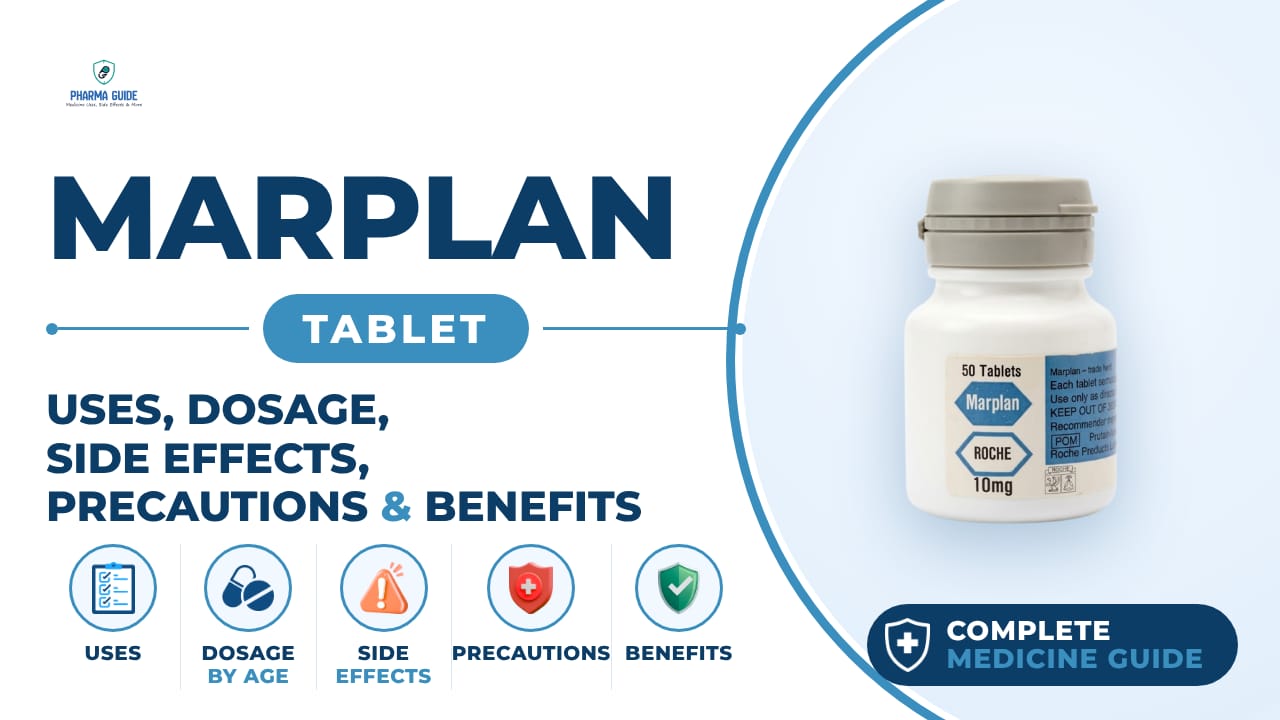
Marplan Tablet: Uses, Dosage, Side Effects, Precautions and Alternates
Monoamine oxidase inhibitor (MAOI)
Marplan Tablet (isocarboxazid) is an MAOI for depression when other antidepressants fail. Learn uses, dosage, side effects, food interactions, and precautions.
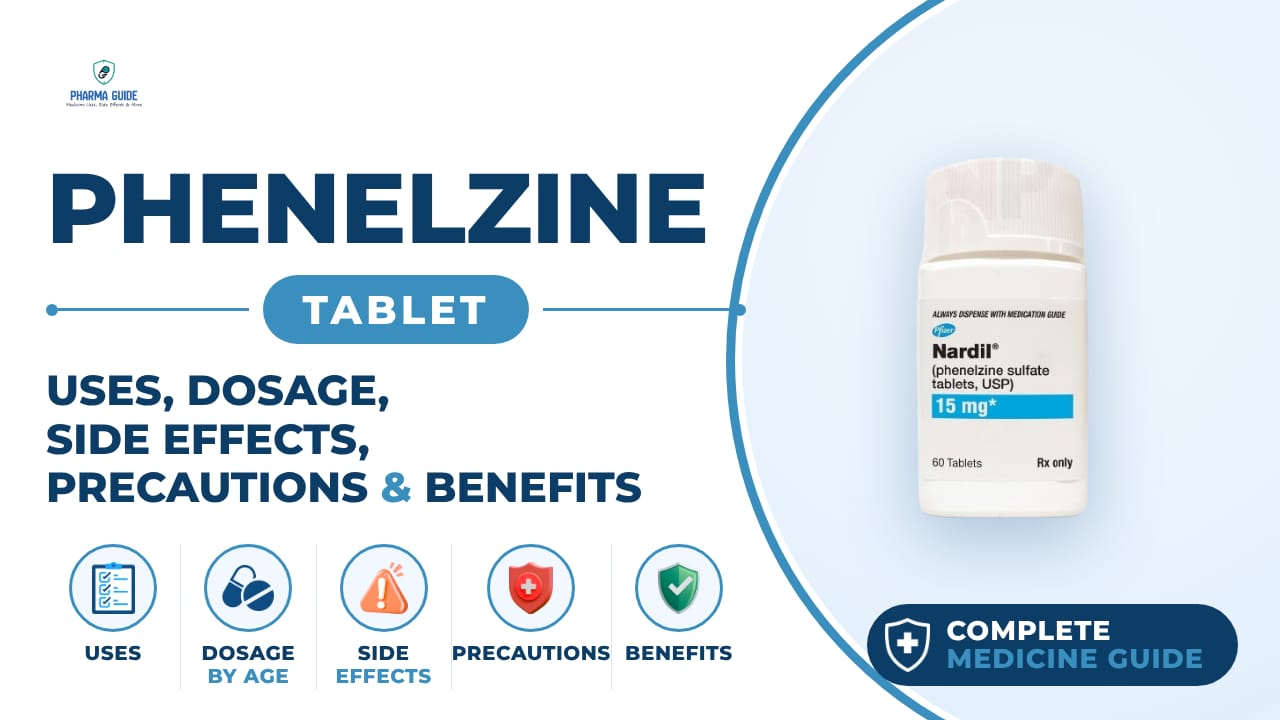
Phenelzine Tablet: Uses, Dosage, Side Effects, Precautions and Alternates
Monoamine oxidase inhibitor (MAOI)
Phenelzine Tablet is an MAOI for treatment-resistant depression. Learn uses, dosage, food/drug interactions, side effects, warnings, and alternatives.