
Safety
General information, not medical advice
Your prescriber and the leaflet in your pack know your situation. This page does not.
- Follow your prescriber and the leaflet
- Don't start, stop, or change a dose on your own
- Doses and warnings differ by country and product
Valganciclovir Tablet: Uses, Dosage, Side Effects, Precautions and Alternates
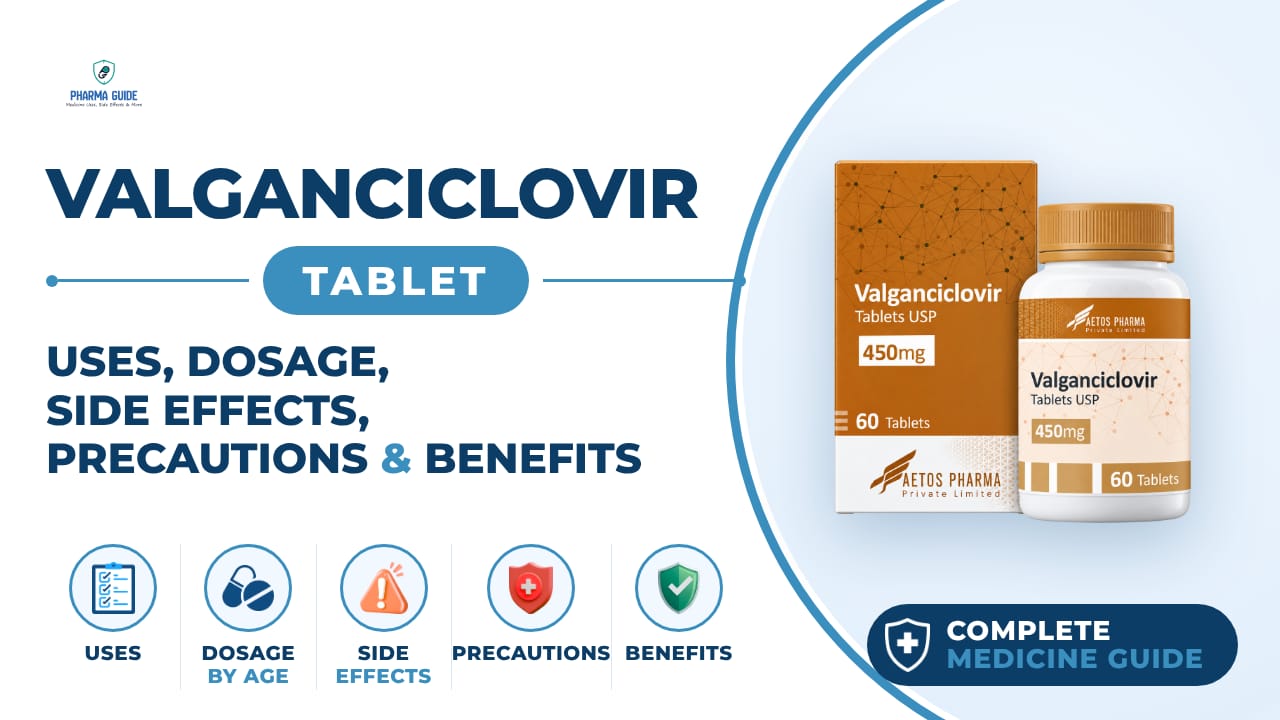
| Generic name | Valganciclovir |
|---|---|
| Drug class | Antiviral |
| Forms | Tablet, Powder for Solution (oral liquid) |
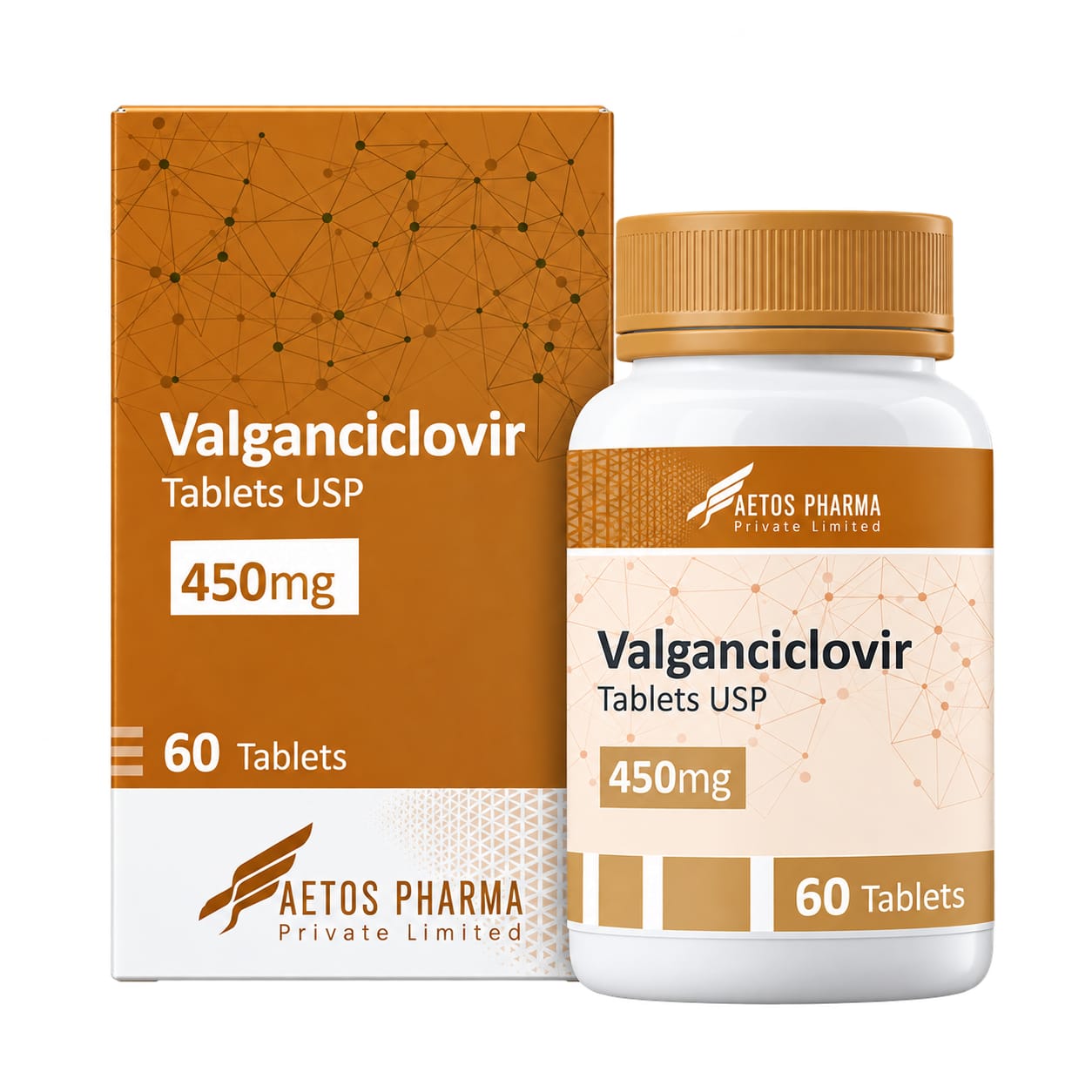
Quick overview
Valganciclovir Tablet (generic name: Valganciclovir) is a prescription antiviral medicine used to treat and prevent infections caused by cytomegalovirus (CMV). It does not cure CMV but helps control the infection and slow it down. It is used in adults with CMV retinitis and in people who have had a heart, kidney, or kidney-pancreas transplant.
What is Valganciclovir Tablet
Valganciclovir is a prescription antiviral medicine. It is used to treat and prevent infections caused by a virus called cytomegalovirus (CMV). It does not cure CMV, but it helps control the infection and slow it down.
Valganciclovir Tablet uses
- Treats CMV retinitis (an eye infection) in adults with AIDS
- Prevents CMV disease in people who have had a heart, kidney, or kidney-pancreas transplant
- Treats CMV retinitis in adults
- Prevents CMV disease after kidney transplantation
- Prevents CMV disease after heart transplantation
- Prevents CMV disease after kidney-pancreas transplantation
Benefits of Valganciclovir Tablet
- Helps control eye infections caused by CMV and lowers the risk of severe vision loss or blindness
- Stops CMV from multiplying and causing illness in transplant patients who take immune-suppressing drugs
How Valganciclovir Tablet works
The medicine is changed by the body into its active form, which blocks the virus from making new DNA, so it cannot spread or multiply.
Valganciclovir Tablet dosage
Take this medicine by mouth with food to help your body absorb it fully. Swallow the tablet whole; do not split, break, crush, or chew it. Avoid touching broken or crushed tablets; if contact happens, wash skin with soap and water or rinse eyes with plain water. Take it at the same time each day on a regular schedule to keep a steady amount in your blood. If using the oral liquid, shake it well before each use and measure doses with the dispenser provided, not a household spoon. Continue taking the full course as directed, even if you feel better, unless your doctor tells you to stop. Drink plenty of fluids while taking this medicine. If you switch from ganciclovir capsules to valganciclovir tablets, your dose may change because the two medicines are absorbed differently by the body.
| Age group | Dose |
|---|---|
| Under 4 months | Tablet dosing is generally not used; specialist-directed pediatric dosing |
| 4 months–17 years | Dose is based on body surface area and kidney function; pediatric oral solution is often preferred |
| 18–64 years | 900 mg twice daily for 21 days |
| 65 years and older | Same adult regimen when appropriate, with dose adjustment for kidney function |
Available forms and strengths
- Tablet
- Powder for Solution (oral liquid)
Side effects of Valganciclovir Tablet
Common
- Fever, tiredness, or weakness
- Nausea, vomiting, diarrhea, or stomach pain
- Headache or trouble sleeping
- Tremors or shakiness
- Vision changes or eye irritation
- Numbness, tingling, pain, or weakness in hands or feet
- Constipation
- Mouth ulcers
- Back, joint, or muscle pain
Serious
- Signs of low blood cell counts: unusual bleeding or bruising, black tarry stools, blood in urine or stools, pinpoint red spots on skin, pale skin, fever, chills, sore throat, or other signs of infection
- Signs of kidney problems: decreased urination, swelling of the hands, ankles, or feet, confusion, severe tiredness, seizures
- Signs of a severe allergic reaction: rash, hives, itching, swelling of the face, lips, mouth, or tongue, trouble breathing
- Vision changes such as seeing flashes or spots of light, or a curtain or veil across part of your vision
- Yellowing of the skin or eyes, loss of appetite, dark urine, or light-colored stools (possible liver problem)
- Seizures, confusion, hallucinations, or unusual trembling or shaking
Warnings and precautions
- This medicine can severely lower white blood cells, red blood cells, and platelets, raising the risk of serious infection and unusual bleeding.
- This medicine can cause sudden kidney failure, especially in older adults or those taking other kidney-affecting medicines.
- This medicine can cause severe birth defects and may affect fertility in both men and women.
- Tablets must be swallowed whole with food and never broken, crushed, or chewed; avoid touching broken tablets because the medicine can be absorbed through the skin or cause harm.
- Animal studies showed this medicine caused cancer; it is not known if it raises cancer risk in humans.
- This medicine can cause serious birth defects if taken during pregnancy and for some time after stopping.
- Women need a negative pregnancy test before starting and should use reliable birth control during treatment and for 30 days after the last dose. Men should use a condom during treatment and for 90 days after the last dose.
- Breastfeeding is not recommended while taking this medicine.
- This medicine can cause kidney damage, especially in older adults or people who already have kidney problems. It should not be used by people on hemodialysis for severe kidney disease.
- Liver function should be monitored when clinically appropriate.
- There are no known direct interactions between this medicine and alcohol, but heavy drinking can weaken your immune response and make it harder for your body to fight infection. Drinking alcohol may also increase dizziness or fainting risk.
- This medicine may cause confusion, seizures, dizziness, drowsiness, or trouble controlling movements. Do not drive or use machinery until you know how it affects you.
Storage
- Store the medicine in a closed container at room temperature, away from heat, moisture, and direct light. Keep from freezing.
- Store the mixed oral liquid in the refrigerator. Do not freeze. Throw away any unused medicine after 49 days through community take-back programs when available.
- Keep out of the reach of children.
- Do not keep outdated medicine or medicine no longer needed.
- Ask your healthcare professional how you should dispose of any medicine you do not use.
When to see a doctor
- Get help right away if you notice signs of infection such as fever, chills, cough, sore throat, or pain when urinating.
- Get help right away if you notice unusual bleeding or bruising, black tarry stools, blood in urine or stools, or pinpoint red spots on your skin.
- Get help right away if you have symptoms of kidney problems such as reduced urination, swelling in the feet or ankles, confusion, or severe tiredness.
- Stop taking the medicine and get help right away if you have signs of a severe allergic reaction, such as swelling of the face, lips, mouth, or tongue, trouble breathing, or widespread rash.
- Call your doctor right away if you see flashes or spots of light, or a curtain or veil over part of your vision.
- If you think you have taken too much of this medicine, contact a poison control center or go to an emergency room right away.
Alternatives
- Maribavir
- Cidofovir
- Foscarnet
- Ganciclovir
Watch the video
FAQs
What is Valganciclovir Tablet used for?
It treats CMV retinitis in adults with AIDS and prevents CMV disease in people who have had a heart, kidney, or kidney-pancreas transplant.
How should Valganciclovir Tablet be taken?
Take it by mouth with food, swallow the tablet whole, and avoid splitting, breaking, crushing, or chewing it. Take it at the same time each day.
What is the adult dosage of Valganciclovir Tablet?
Adults aged 18-64 typically take 900 mg twice daily for 21 days, while those 65 and older may follow the same regimen with dose adjustment for kidney function.
What are the serious side effects of Valganciclovir Tablet?
Serious side effects include signs of low blood cell counts, kidney problems, severe allergic reactions, vision changes, liver problems, and seizures or confusion.
Can Valganciclovir Tablet be used during pregnancy?
No, it can cause serious birth defects. Women need a negative pregnancy test before starting and should use reliable birth control during treatment and for 30 days after the last dose.
General information, not medical advice
Your prescriber and the leaflet in your pack know your situation. This page does not.
- Follow your prescriber and the leaflet
- Don't start, stop, or change a dose on your own
- Doses and warnings differ by country and product
Sources
Video
Related medicines
Famciclovir Tablet: Uses, Dosage, Side Effects, Precautions and Alternates
antiviral
Famciclovir Tablet treats shingles, genital herpes, and cold sores by stopping viral multiplication. Learn uses, dosage, side effects, and precautions.
Foscarnet Injection: Uses, Dosage, Side Effects, Precautions and Alternates
antiviral
Foscarnet Injection is an IV antiviral used for CMV retinitis and acyclovir-resistant HSV infections. Learn about dosage, side effects, and warnings.