
Safety
General information, not medical advice
Your prescriber and the leaflet in your pack know your situation. This page does not.
- Follow your prescriber and the leaflet
- Don't start, stop, or change a dose on your own
- Doses and warnings differ by country and product
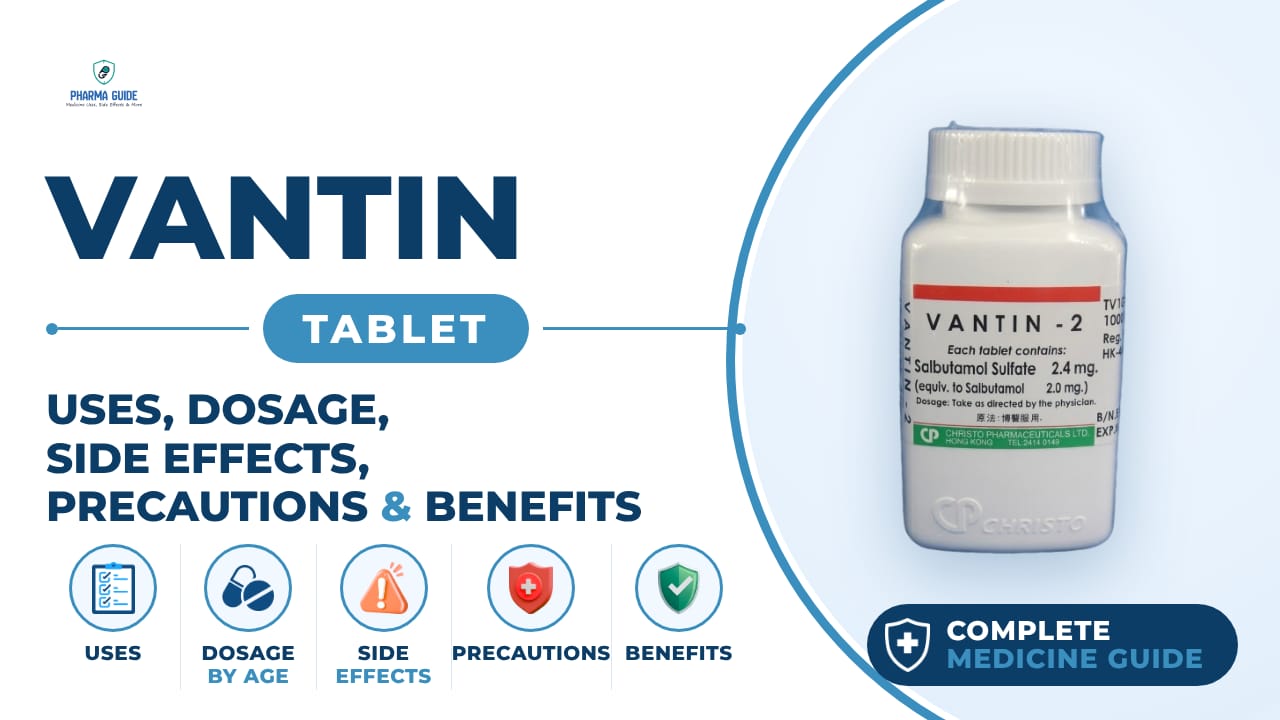
Vantin Tablet: Uses, Dosage, Side Effects, Precautions and Alternates
| Generic name | cefpodoxime proxetil |
|---|---|
| Drug class | Third generation cephalosporin (cephalosporin antibiotic) |
| Forms | Tablet, Powder for oral suspension (liquid) |
Quick overview
Vantin Tablet contains cefpodoxime proxetil, a third generation cephalosporin antibiotic. It is a prescription medicine used to treat infections caused by certain bacteria in different parts of the body, such as the ear, throat, sinuses, lungs, skin, and urinary tract. Vantin does not work against colds, flu, or other virus infections. It works by stopping bacteria from building their cell walls, which kills the bacteria.
What is Vantin Tablet
Vantin is a prescription antibiotic that belongs to the cephalosporin class. It is used to treat infections caused by certain bacteria in different parts of the body. It does not work against colds, flu, or other virus infections.
Vantin Tablet uses
- Acute otitis media (middle ear infection)
- Pharyngitis and/or tonsillitis
- Community-acquired pneumonia
- Acute bacterial exacerbation of chronic bronchitis
- Uncomplicated urethral and cervical gonorrhea
- Uncomplicated ano-rectal infections in women caused by gonorrhea
- Uncomplicated skin and skin structure infections
- Acute maxillary sinusitis
- Uncomplicated urinary tract infections (cystitis)
Benefits of Vantin Tablet
- Kills or stops the growth of susceptible bacteria so the body's immune system can clear the infection
- Effective against a range of common bacterial infections including ear, throat, sinus, lung, skin, and urinary tract infections
- Treats certain respiratory tract infections
- Treats urinary tract infections
- Treats selected skin infections
How Vantin Tablet works
Vantin is a bactericidal antibiotic that works by stopping bacteria from building their cell walls, which kills the bacteria.
Vantin Tablet dosage
Take tablets with food to help the body absorb the medicine better. The oral liquid can be taken with or without food, but shake it well before each use. Measure the oral liquid with a marked measuring spoon, oral syringe, or medicine cup rather than a household teaspoon.
Take the medicine exactly as prescribed and do not take more, more often, or for longer than directed. Keep taking the medicine for the full course of treatment even if you feel better after a few doses, since stopping too soon may let the infection come back.
If you miss a dose, take it as soon as you remember, but skip it if it is almost time for the next dose — do not double up. Antacids and acid-reducing medicines can lower how much of the drug your body absorbs if taken close together with this medicine.
| Age group | Dose |
|---|---|
| Under 18 years | Not recommended |
| 18–64 years | 200 mg, twice/day |
| 65+ years | 200 mg, twice/day |
Available forms and strengths
- Tablet
- Powder for oral suspension (liquid)
Side effects of Vantin Tablet
Common
- Diarrhea
- Loose stools
- Nausea
- Vomiting
- Stomach pain
- Bloating
- Gas
- Constipation
- Headache
- Tired feeling
- Stiff or tight muscles
- Back pain
- Muscle pain
- Anxiety
- Nervousness
- Feeling restless or hyperactive
- Numbness or tingly feeling
- Flushing (warmth or redness under the skin)
- Dizziness
- Spinning sensation
- Strange dreams
- Nightmares
- Stuffy nose
- Dry mouth
- Unusual or unpleasant taste in the mouth
- White patches or sores inside the mouth or on the lips
- Diaper rash in an infant taking the liquid form
- Itching or skin rash
- Vaginal itching or discharge
Serious
- Swelling of the ankles or feet
- Fast or pounding heartbeat
- Trouble breathing
- New signs of infection such as fever or persistent sore throat
- Dark urine
- Persistent nausea or vomiting
- Yellowing of the eyes or skin
- Easy bruising or bleeding
- Changes in the amount of urine
- Severe or watery and bloody diarrhea, with or without stomach cramps and fever
- Severe allergic reactions including skin blistering or peeling
- Seizures
Warnings and precautions
- Before starting this medicine, tell your doctor about any past allergic reactions to this drug, other cephalosporins, penicillins, or other medicines, since cross-reaction between these drugs can happen in some people with penicillin allergy.
- Stop the drug if an allergic reaction occurs, as severe reactions may need emergency treatment.
- This and other antibiotics can cause a serious intestinal condition called C. difficile-associated diarrhea, which can range from mild diarrhea to life-threatening colitis, and can appear even two months or more after stopping the antibiotic.
- This medicine should only be used for infections that are proven or strongly suspected to be caused by bacteria, not for viral infections like the common cold, to help prevent bacteria from becoming drug-resistant.
- Do not treat diarrhea with over-the-counter or other medicines without checking with your doctor first, since these medicines can make the diarrhea worse or last longer.
- This drug should be used during pregnancy only if it is clearly needed, because there are no adequate, well-controlled studies in pregnant women.
- Cefpodoxime passes into breast milk. Because it could cause serious reactions in a nursing infant, you and your doctor should decide whether to stop breastfeeding or stop the medicine, weighing how important the drug is for the mother.
- People with reduced kidney function need a lower total daily dose because the drug can build up to high levels in the blood. Caution is also needed if you are taking strong water pills (diuretics) along with this medicine.
- No dose change is needed for people with cirrhosis, since drug levels in these patients were similar to those in healthy people.
- No major direct interaction with alcohol is established.
- Vantin usually does not impair driving, but avoid driving if dizziness occurs.
Storage
- Store the tablets in a closed container at room temperature, away from heat, moisture, and direct light
- Keep tablets from freezing
- Store the oral liquid in the refrigerator
- Throw away any unused oral liquid after 14 days
- Keep out of the reach of children
- Do not keep outdated medicine or medicine no longer needed
- Ask your healthcare professional how you should dispose of any medicine you do not use
When to see a doctor
- Contact your doctor right away if you develop watery and severe diarrhea, which may also be bloody, with or without stomach cramps and fever, even weeks after finishing the medicine.
- Get medical help immediately if you notice signs of a serious allergic reaction, such as swelling of the face, mouth, or throat, trouble breathing, or severe rash.
- Check with your doctor immediately if you notice yellowing of the eyes or skin, dark urine, unusual bleeding or bruising, or a big change in how much you urinate.
- Call your doctor if your symptoms or your child's symptoms do not improve within a few days or get worse.
Alternatives
- Amoxicillin/clavulanate
- Cefuroxime
- Cefdinir
Watch the video
FAQs
What is Vantin Tablet used for?
Vantin is a prescription cephalosporin antibiotic used to treat bacterial infections such as middle ear infection, pharyngitis/tonsillitis, pneumonia, bronchitis flare-ups, gonorrhea, skin infections, sinusitis, and urinary tract infections. It does not work against colds, flu, or other viral infections.
How should Vantin Tablet be taken?
Tablets should be taken with food to help absorption, while the oral liquid can be taken with or without food but should be shaken well before use. The medicine should be taken exactly as prescribed for the full course, even if symptoms improve early.
What is the usual dose of Vantin Tablet for adults?
For adults aged 18 to 64 years and for those 65 and older, the typical dose is 200 mg taken twice a day. It is not recommended for use in children under 18 years.
What are the common side effects of Vantin Tablet?
Common side effects include diarrhea, nausea, vomiting, stomach pain, bloating, gas, headache, tiredness, dizziness, skin rash, and an unusual taste in the mouth, among others.
When should I contact a doctor while taking Vantin Tablet?
Contact your doctor right away if you develop severe or bloody diarrhea, signs of a serious allergic reaction like facial swelling or trouble breathing, yellowing of the eyes or skin, dark urine, unusual bruising or bleeding, or if symptoms do not improve or worsen.
General information, not medical advice
Your prescriber and the leaflet in your pack know your situation. This page does not.
- Follow your prescriber and the leaflet
- Don't start, stop, or change a dose on your own
- Doses and warnings differ by country and product
Sources
Video
Related medicines

Spectracef Tablet: Uses, Dosage, Side Effects, Precautions and Alternates
Third-generation cephalosporin (cephalosporin antibiotic)
Spectracef Tablet (cefditoren pivoxil) treats bronchitis, pneumonia, strep throat, and skin infections. Learn dosage, side effects, and precautions.

Injectafer Injection: Uses, Dosage, Side Effects, Precautions and Alternates
Iron products
Injectafer (ferric carboxymaltose) treats iron deficiency anemia and heart failure-related iron deficiency via IV. Learn uses, dosage, side effects, and