
Safety
General information, not medical advice
Your prescriber and the leaflet in your pack know your situation. This page does not.
- Follow your prescriber and the leaflet
- Don't start, stop, or change a dose on your own
- Doses and warnings differ by country and product
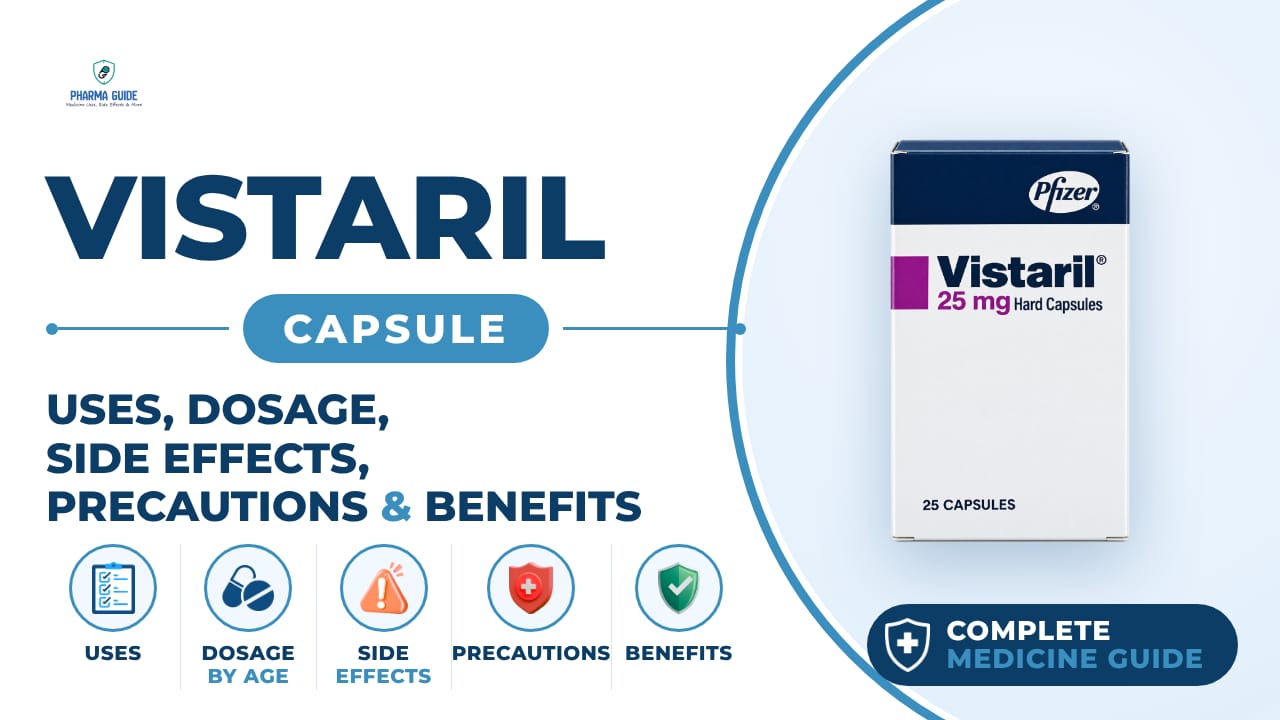
Vistaril Capsule: Uses, Dosage, Side Effects, Precautions and Alternates
| Generic name | hydroxyzine pamoate |
|---|---|
| Drug class | Antihistamine |
| Forms | Tablet, Syrup, Capsule |
Quick overview
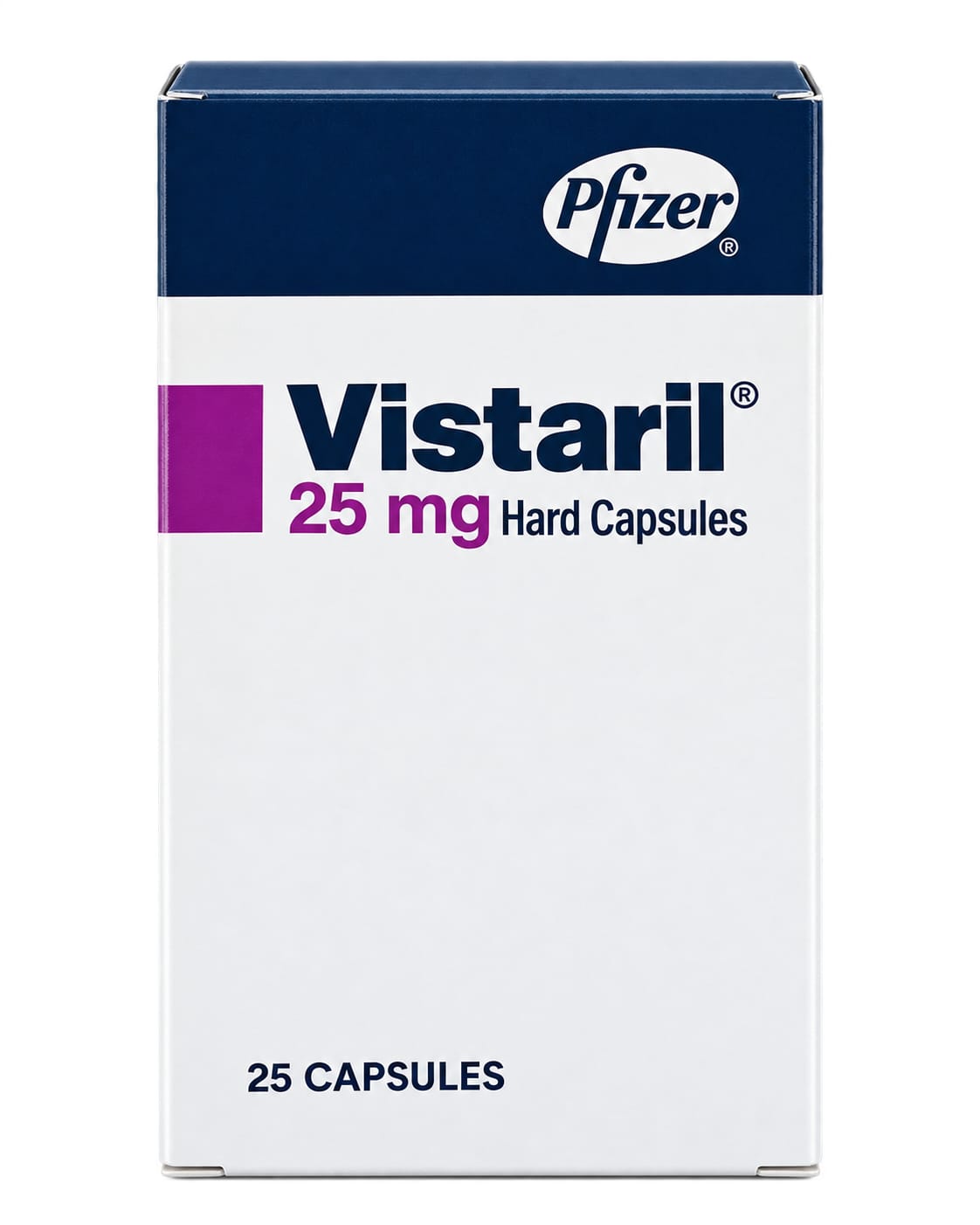
Vistaril Capsule contains hydroxyzine pamoate, a prescription antihistamine. It is used short-term for anxiety and tension, as well as for allergic skin reactions, itching, sedation around surgery, and related nausea. It works by calming the central nervous system and blocking histamine, a natural body chemical responsible for itching and allergic symptoms. Vistaril also carries specific precautions, including restrictions during pregnancy and limits on how long it should be used.
What is Vistaril Capsule
Vistaril is a prescription antihistamine. It reduces activity in the central nervous system and blocks the effects of a natural body chemical called histamine, which causes itching and allergic symptoms.
Vistaril Capsule uses
- Short-term treatment of anxiety and tension
- Allergic skin reactions such as hives and contact dermatitis
- Itching (pruritus) from allergic skin conditions
- Sedation and helping with sleep before or after surgery, used along with other medicines given during anesthesia
- Nausea and vomiting, especially related to anxiety or surgery recovery
Benefits of Vistaril Capsule
- Produces a fast-acting, calming effect for anxiety, usually within 15 to 60 minutes
- Is not habit-forming, unlike some other anti-anxiety medicines
- Relieves hives, dermatitis, and chronic itching by blocking histamine
- Helps patients relax and sleep before or after surgery
- Can help calm nausea, especially when caused by anxiety or after surgery
How Vistaril Capsule works
Vistaril calms the central nervous system and blocks a natural body chemical called histamine, which is responsible for itching, hives, and some allergic symptoms.
Vistaril Capsule dosage
Take this medicine exactly as your doctor prescribes and follow the directions on your prescription label. Do not take more, more often, or for longer than recommended. If using the liquid form, shake it well before measuring each dose and use a proper dosing tool rather than a regular spoon.
This medicine is meant for short-term use only, generally not longer than 4 months; call your doctor if your anxiety does not improve or gets worse. Capsules can be swallowed whole and may be taken with or without food; taking with food may help if it upsets your stomach.
If you miss a dose, take it as soon as you remember, but skip it if it is almost time for your next dose — do not take extra to make up for it. Older adults may be more likely to have side effects like confusion and drowsiness, so caution and dose adjustment may be needed. Do not give this medicine to a child without medical advice.
Use exactly as prescribed by your doctor or pharmacist.
Available forms and strengths
- Tablet
- Syrup
- Capsule
Side effects of Vistaril Capsule
Common
- Drowsiness or sleepiness
- Dry mouth
- Headache
- Dizziness
- Constipation
- Blurred vision
- Skin rash
- Trouble urinating
Serious
- Fast, pounding, or irregular heartbeat
- Chest pain, discomfort, or tightness
- Severe dizziness or fainting
- Seizures (convulsions)
- Tremors, confusion, or restless muscle movements in the eyes, tongue, jaw, or neck
- Severe skin reaction with redness, spreading rash, blistering, peeling, or pustules (AGEP)
- Signs of a severe allergic reaction: hives, difficulty breathing, swelling of the face, lips, tongue, or throat
- Trouble breathing, wheezing, or cough
- Unusual tiredness or weakness
Warnings and precautions
- Do not use this medicine if you are pregnant, especially in the first or second trimester.
- This medicine can cause a serious heart problem, especially when combined with certain other medicines, so tell your doctor about all medicines you take.
- Do not use this medicine if you have long QT syndrome, are allergic to cetirizine or levocetirizine, or are in your first trimester of pregnancy.
- Tell your doctor if you have digestive tract blockage, bladder problems, glaucoma, heart disease, slow heartbeat, a personal or family history of long QT syndrome, electrolyte imbalance, or a recent heart attack.
- This medicine may cause a serious skin reaction called acute generalized exanthematous pustulosis (AGEP); tell your doctor if you develop fever, rash, or worsening skin problems.
- This medicine adds to the effects of alcohol and other drugs that cause drowsiness, so check with your doctor before combining it with such medicines.
- This medicine is for short-term use only, generally not more than 4 months.
- Do not use Vistaril during pregnancy, especially in the first or second trimester, because it could harm the unborn baby or cause birth defects. Use effective birth control while taking this medicine.
- It is not known if this medicine passes into breast milk or if it could harm a nursing baby, so breastfeeding is not recommended while using it.
- Avoid alcohol because it can increase sedation and impairment. Elderly patients may have age-related liver, kidney, or heart problems that could require caution and a dose adjustment. Drinking alcohol while taking this medicine can worsen side effects such as drowsiness.
- This medicine can impair your thinking or reactions, so be careful when driving or doing anything that requires you to be alert.
Storage
- Store at room temperature away from moisture and heat.
- Store the medicine in a closed container at room temperature, away from heat, moisture, and direct light. Keep from freezing.
- Keep out of the reach of children.
- Do not keep outdated medicine or medicine no longer needed.
- Ask your healthcare professional how you should dispose of any medicine you do not use.
When to see a doctor
- Get emergency help right away if you have signs of a serious allergic reaction, such as hives, trouble breathing, or swelling of the face, lips, tongue, or throat.
- Stop taking this medicine and contact your doctor right away if you notice a spreading skin rash with redness, white or yellow pustules, blistering, or peeling.
- Stop using this medicine and call your doctor right away if you experience fast or pounding heartbeats, headache with chest pain, severe dizziness, fainting, or a seizure.
- If you think you have taken too much of this medicine, seek emergency medical help right away. Signs of overdose can include severe drowsiness, nausea, vomiting, uncontrolled muscle movements, seizures, or a fast or pounding heartbeat.
- Contact your doctor right away if you notice any changes in your heart rhythm, such as feeling dizzy or faint, or having a fast, pounding, or uneven heartbeat.
Alternatives
- Hydroxyzine hydrochloride
- Escitalopram
- Sertraline
- Buspirone
Watch the video
FAQs
What is Vistaril Capsule used for?
It is used short-term for anxiety and tension, allergic skin reactions like hives, itching from allergic skin conditions, sedation before or after surgery, and nausea related to anxiety or surgery recovery.
How long can I take Vistaril Capsule?
It is meant for short-term use only, generally not longer than 4 months. Call your doctor if your anxiety does not improve or gets worse.
Is Vistaril Capsule safe during pregnancy?
No, Vistaril should not be used during pregnancy, especially in the first or second trimester, because it could harm the unborn baby or cause birth defects. Effective birth control should be used while taking this medicine.
What are the common side effects of Vistaril Capsule?
Common side effects include drowsiness, dry mouth, headache, dizziness, constipation, blurred vision, skin rash, and trouble urinating.
Can I drink alcohol while taking Vistaril Capsule?
No, alcohol should be avoided because it can increase sedation and worsen side effects such as drowsiness.
General information, not medical advice
Your prescriber and the leaflet in your pack know your situation. This page does not.
- Follow your prescriber and the leaflet
- Don't start, stop, or change a dose on your own
- Doses and warnings differ by country and product
Sources
Video
Related medicines
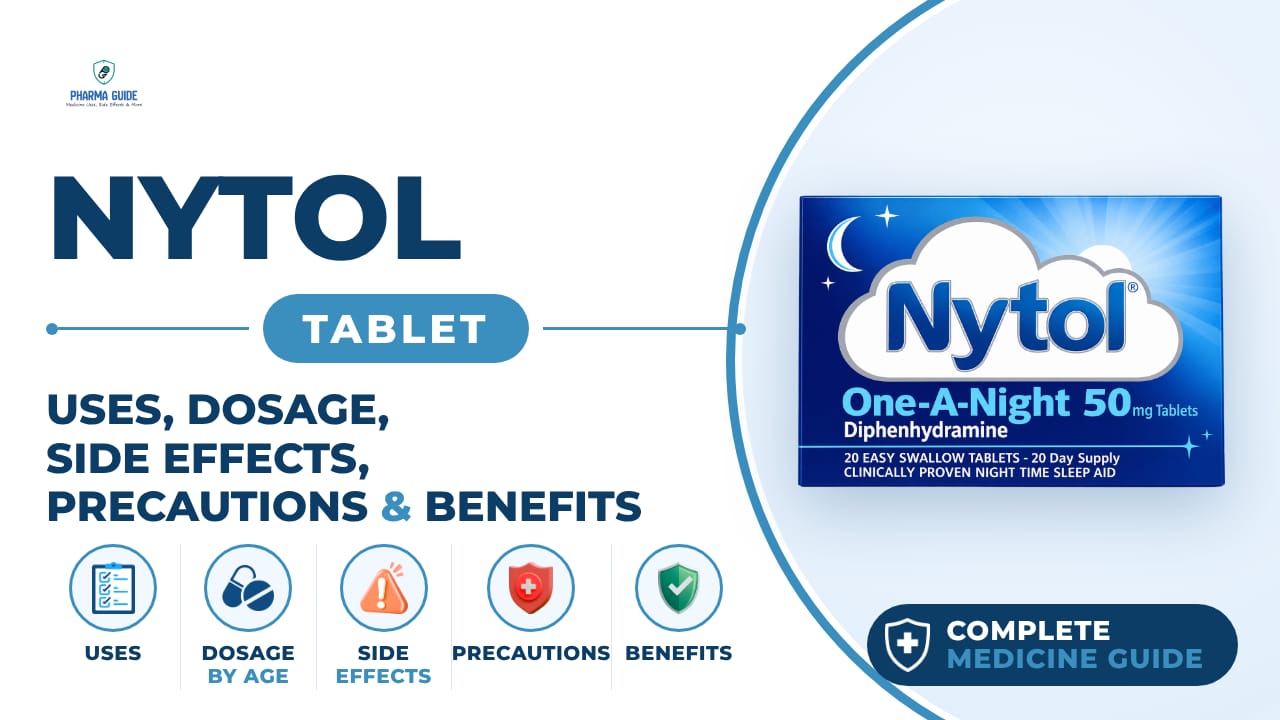
Nytol Tablet: Uses, Dosage, Side Effects, Precautions and Alternates
Antihistamine
Nytol Tablet contains diphenhydramine, used for short-term relief of occasional sleeplessness. Learn its dosage, benefits, side effects, and precautions.
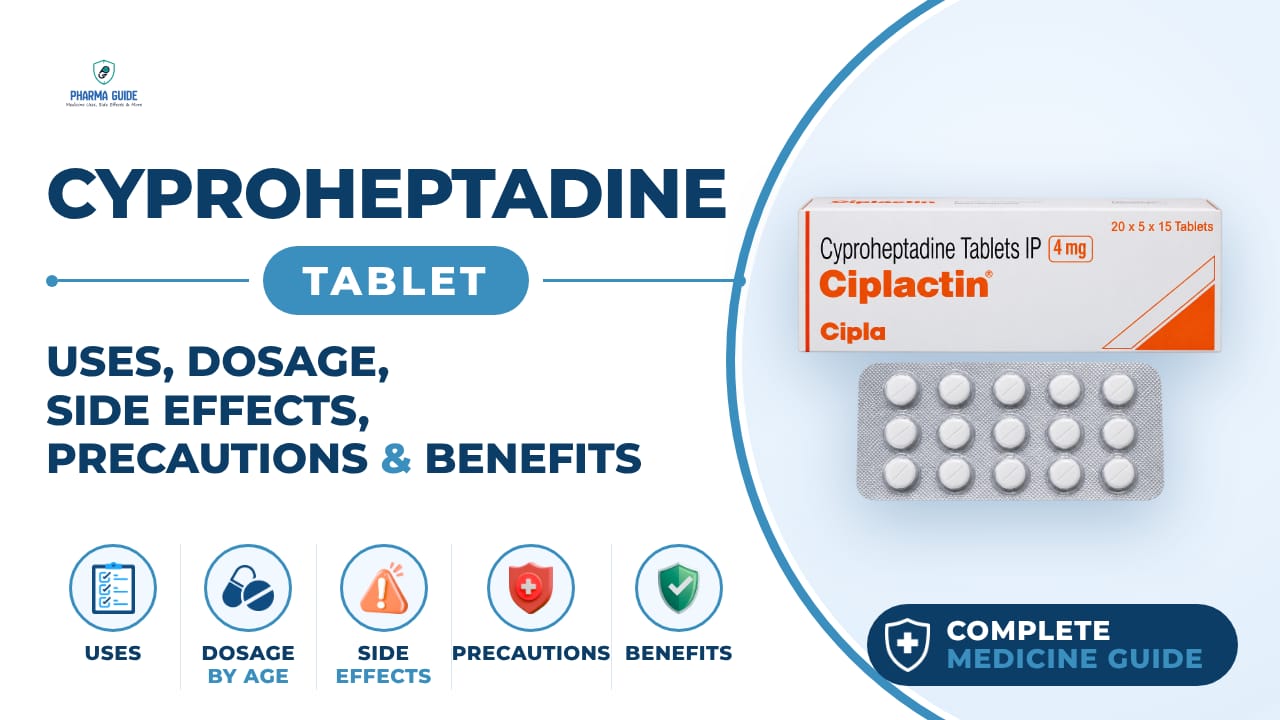
Cyproheptadine Tablet: Uses, Dosage, Side Effects, Precautions and Alternates
Antihistamine
Cyproheptadine Tablet is an antihistamine used for allergies, hives, and migraine headaches. Learn its uses, dosage, side effects, and precautions.