
Safety
General information, not medical advice
Your prescriber and the leaflet in your pack know your situation. This page does not.
- Follow your prescriber and the leaflet
- Don't start, stop, or change a dose on your own
- Doses and warnings differ by country and product
Wynzora Cream: Uses, Dosage, Side Effects, Precautions and Alternates
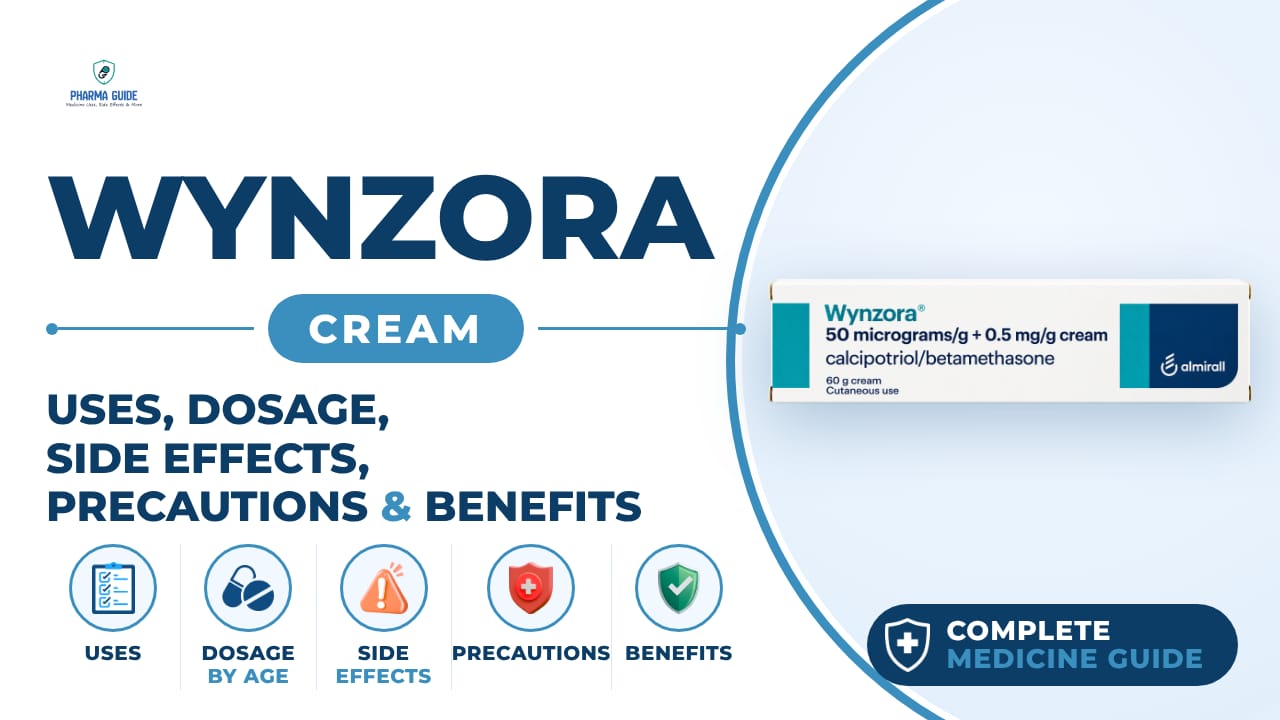
| Generic name | calcipotriene and betamethasone dipropionate |
|---|---|
| Drug class | Topical antipsoriatics |
| Forms | Cream |
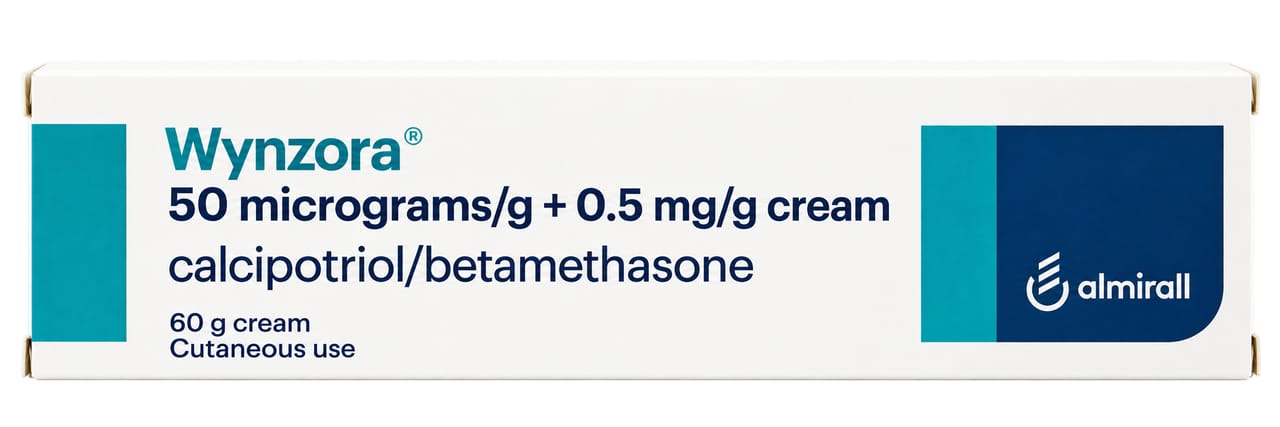
Quick overview
Wynzora Cream is a once-daily, prescription topical cream that combines calcipotriene, a vitamin D analog, with betamethasone dipropionate, a corticosteroid. It is used to treat plaque psoriasis in adults 18 years of age and older. The cream works to slow excess skin cell growth while reducing inflammation, redness, and itching.
What is Wynzora Cream
Wynzora is a once-daily, prescription topical cream that combines a vitamin D analog (calcipotriene) and a corticosteroid (betamethasone dipropionate) to treat plaque psoriasis in adults 18 and older.
Wynzora Cream uses
- Treatment of plaque psoriasis (raised, red patches of skin covered with silvery-white scales) in adults 18 years of age and older.
- Helps relieve inflammation and redness associated with psoriasis.
- Helps reduce itching and skin discomfort.
- Supports improvement in skin texture.
- Provides combination topical treatment for mild to moderate plaque psoriasis.
Benefits of Wynzora Cream
- Combines two active ingredients in one cream to target psoriasis symptoms.
- Uses a special formulation (PAD Technology) that mixes oil and water with less emulsifier, which may improve how well the medicine penetrates skin, its stability, and comfort during use.
How Wynzora Cream works
Wynzora combines a vitamin D analog, which helps slow down the fast growth of skin cells seen in psoriasis, with a corticosteroid, which reduces inflammation, redness, and itching. The exact way these ingredients work together to treat psoriasis isn't fully known.
Wynzora Cream dosage
Apply once daily to the affected skin areas, for up to 8 weeks or until your psoriasis is under control. Rub the cream in gently so the patches are fully covered. Stop using the cream once your psoriasis is under control, unless your doctor tells you otherwise.
Do not cover the treated area with a bandage or airtight dressing unless your doctor tells you to. Do not use on the face, groin, underarms, or on skin that is thin or has broken skin. This cream is only for use on the skin; do not swallow it, put it in your eyes, or use it inside the vagina. Wash your hands after applying the cream. This medicine is not approved for anyone younger than 18 years old.
If you miss a dose, apply the cream as soon as you remember, but skip it if it's almost time for your next dose; do not apply two doses at one time.
| Age group | Dose |
|---|---|
| Under 12 years | Safety and effectiveness not established; no approved dosage |
| 12–17 years | Safety and effectiveness not established; no FDA-approved pediatric dosage |
| 18–74 years | Apply a thin layer once daily; maximum 100 g per week |
| 75 years and older | Apply a thin layer once daily; maximum 100 g per week, with careful monitoring of skin tolerance |
Available forms and strengths
- Cream
Side effects of Wynzora Cream
Common
- Upper respiratory tract infection (about 7%)
- Headache (about 2%)
- Irritation at the application site (burning, itching, redness, or infection)
Serious
- Signs of too much calcium in the blood or urine, such as confusion, muscle weakness, constipation, or increased thirst
- Adrenal gland problems (from the steroid being absorbed through the skin), which can cause nausea, vomiting, loss of appetite, weakness, or dizziness
- Cushing's syndrome (from too much cortisol-like hormone in the body)
- High blood sugar, with symptoms like increased thirst, more frequent urination, or dry mouth
- Skin thinning, stretch marks, easy bruising, small red bumps, or skin infection with long-term use
- Eye problems including cataracts or glaucoma; report blurred vision, eye pain, or seeing halos around lights
- Allergic reactions: hives, difficulty breathing, swelling of the face, lips, tongue, or throat
Warnings and precautions
- This medicine can cause high levels of calcium in your blood or urine. If this happens, your doctor may have you stop treatment until your calcium levels return to normal.
- The steroid in this cream can temporarily suppress the glands that sit above your kidneys (adrenal glands), which can cause steroid-related hormone problems. This risk is higher if you use large amounts, use it for a long time, use it under airtight dressings, have liver failure, or are young.
- Long-term use of large amounts of this steroid cream can lead to Cushing's syndrome or high blood sugar.
- This cream may cause an allergic skin reaction that looks like the treated area simply isn't healing, rather than a typical rash.
- Using this cream may raise your risk of developing cataracts or glaucoma. Avoid getting the cream in your eyes, and tell your doctor right away if you notice any vision changes.
- Do not use more than the maximum weekly amount directed by your doctor, and avoid applying this cream to the face, groin, underarms, or areas with thin or broken skin.
- This cream may make you sunburn more easily, so avoid sunlight and tanning beds, and use sun protection outdoors.
- Do not use other medicines that contain calcipotriene or a corticosteroid at the same time without checking with your doctor first, as this could increase your total steroid exposure.
- Using a high-potency steroid cream like this one during pregnancy may raise the risk of having a low birth weight baby. Tell your doctor if you are pregnant or planning to become pregnant, and use the cream on the smallest area of skin for the shortest time needed.
- It isn't known if this medicine passes into breast milk in amounts that could affect a nursing baby. If you breastfeed, use the cream on the smallest area of skin for the shortest time possible, and do not apply it directly to the nipple or areola.
- No routine renal dosage adjustment is established. Safety has not been adequately evaluated in patients with severe renal impairment.
- Tell your doctor if you have liver disease, since this can increase the risk of the steroid component affecting your adrenal glands.
- No major direct interaction has been established between topical Wynzora and alcohol.
- Wynzora Cream is not generally associated with drowsiness or impaired alertness and is unlikely to affect driving ability.
Storage
- Store between 68°F and 77°F (20°C-25°C)
- Keep away from moisture and heat
- Keep the tube tightly closed when not in use
- Do not freeze
- Protect from light and excessive heat
- Discard unused product 6 months after the tube has been opened
When to see a doctor
- Get emergency help right away if you have signs of a serious allergic reaction, such as hives, trouble breathing, or swelling of your face, lips, tongue, or throat.
- Tell your doctor if you notice swelling or weight gain (especially in your face or upper back), skin thinning, stretch marks, acne, increased facial hair, irregular periods, changes in sexual function, memory problems, or irritability — these can be signs the steroid is being absorbed into your body.
- Contact your doctor if your psoriasis gets worse, or if treated skin becomes red, warm, swollen, oozing, or very irritated.
- Seek medical advice if you have blurred vision, tunnel vision, eye pain, or see halos around lights, as these could be signs of an eye problem.
- Contact your doctor if you notice signs of high calcium levels, such as confusion, tiredness, nausea, vomiting, loss of appetite, constipation, increased thirst or urination, or weight loss.
- Contact your doctor if you have signs of high blood sugar, such as increased thirst, increased urination, dry mouth, or fruity-smelling breath.
- If someone accidentally swallows this medicine, seek emergency medical attention or contact your local poison control center right away.
Alternatives
- Dovonex
- Calcipotriene
- Enstilar
- Taclonex
Watch the video
FAQs
What is Wynzora Cream used for?
Wynzora Cream is used to treat plaque psoriasis in adults 18 years of age and older, helping relieve inflammation, redness, itching, and skin discomfort.
How do you use Wynzora Cream?
Apply Wynzora Cream once daily to the affected skin areas for up to 8 weeks or until your psoriasis is under control, rubbing it in gently to fully cover the patches.
What are the common side effects of Wynzora Cream?
Common side effects include upper respiratory tract infection, headache, and irritation at the application site such as burning, itching, redness, or infection.
Can Wynzora Cream be used on the face?
No, Wynzora Cream should not be used on the face, groin, underarms, or on skin that is thin or broken.
Is Wynzora Cream safe during pregnancy?
Using a high-potency steroid cream like Wynzora during pregnancy may raise the risk of having a low birth weight baby, so you should tell your doctor if you are pregnant or planning to become pregnant and use it on the smallest area for the shortest time needed.
General information, not medical advice
Your prescriber and the leaflet in your pack know your situation. This page does not.
- Follow your prescriber and the leaflet
- Don't start, stop, or change a dose on your own
- Doses and warnings differ by country and product
Sources
Video
Related medicines
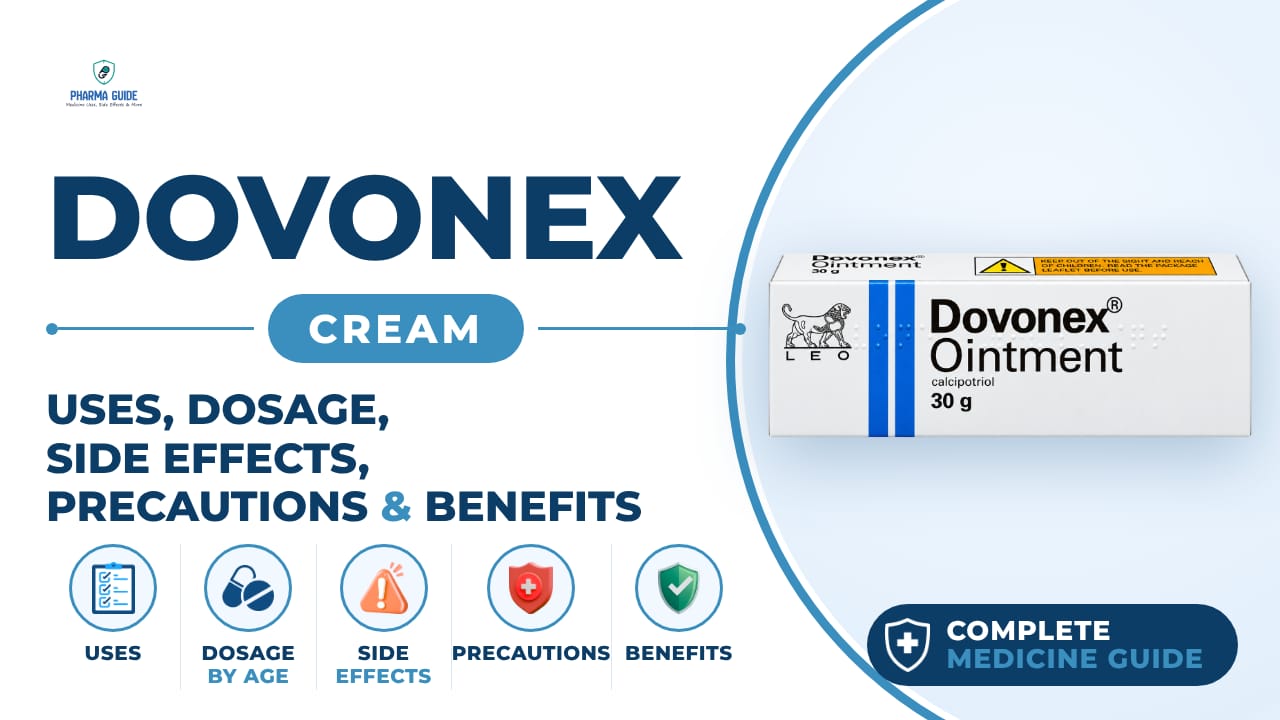
Dovonex Cream: Uses, Dosage, Side Effects, Precautions and Alternates
Topical antipsoriatics
Dovonex Cream (calcipotriene) treats plaque psoriasis by slowing skin-cell growth. Learn uses, dosage, side effects, warnings, and when to see a doctor.
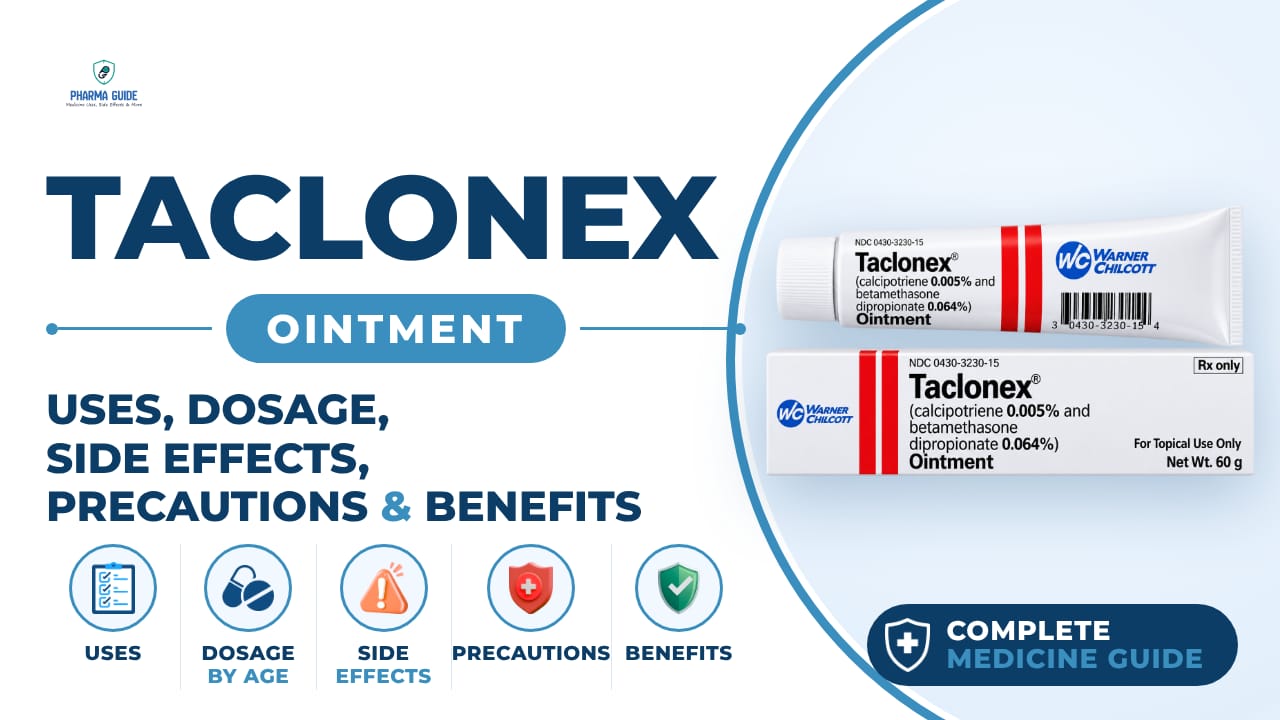
Taclonex Ointment: Uses, Dosage, Side Effects, Precautions and Alternates
Topical antipsoriatics
Taclonex Ointment combines betamethasone and calcipotriene to treat plaque psoriasis in adults by reducing inflammation and slowing skin-cell growth.