
Safety
General information, not medical advice
Your prescriber and the leaflet in your pack know your situation. This page does not.
- Follow your prescriber and the leaflet
- Don't start, stop, or change a dose on your own
- Doses and warnings differ by country and product
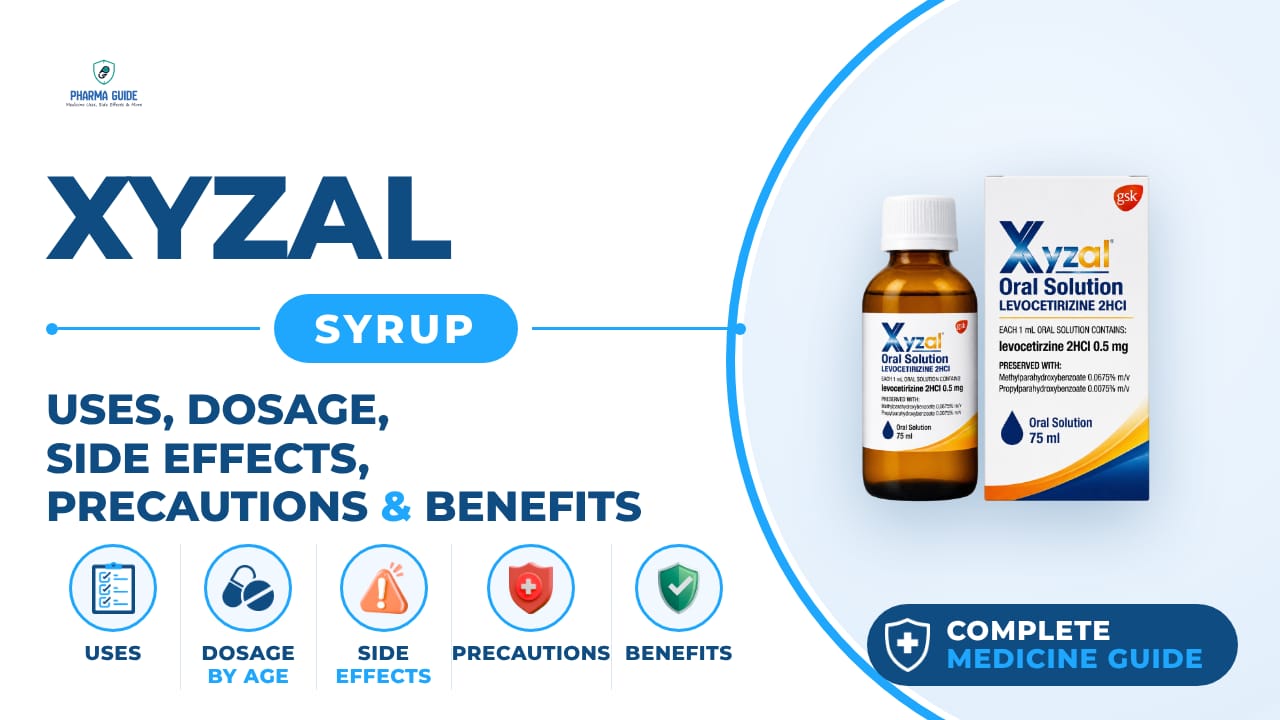
Xyzal Syrup: Uses, Dosage, Side Effects, Precautions and Alternates
| Generic name | Levocetirizine |
|---|---|
| Drug class | Antihistamine |
| Forms | Syrup, Tablet |
Quick overview
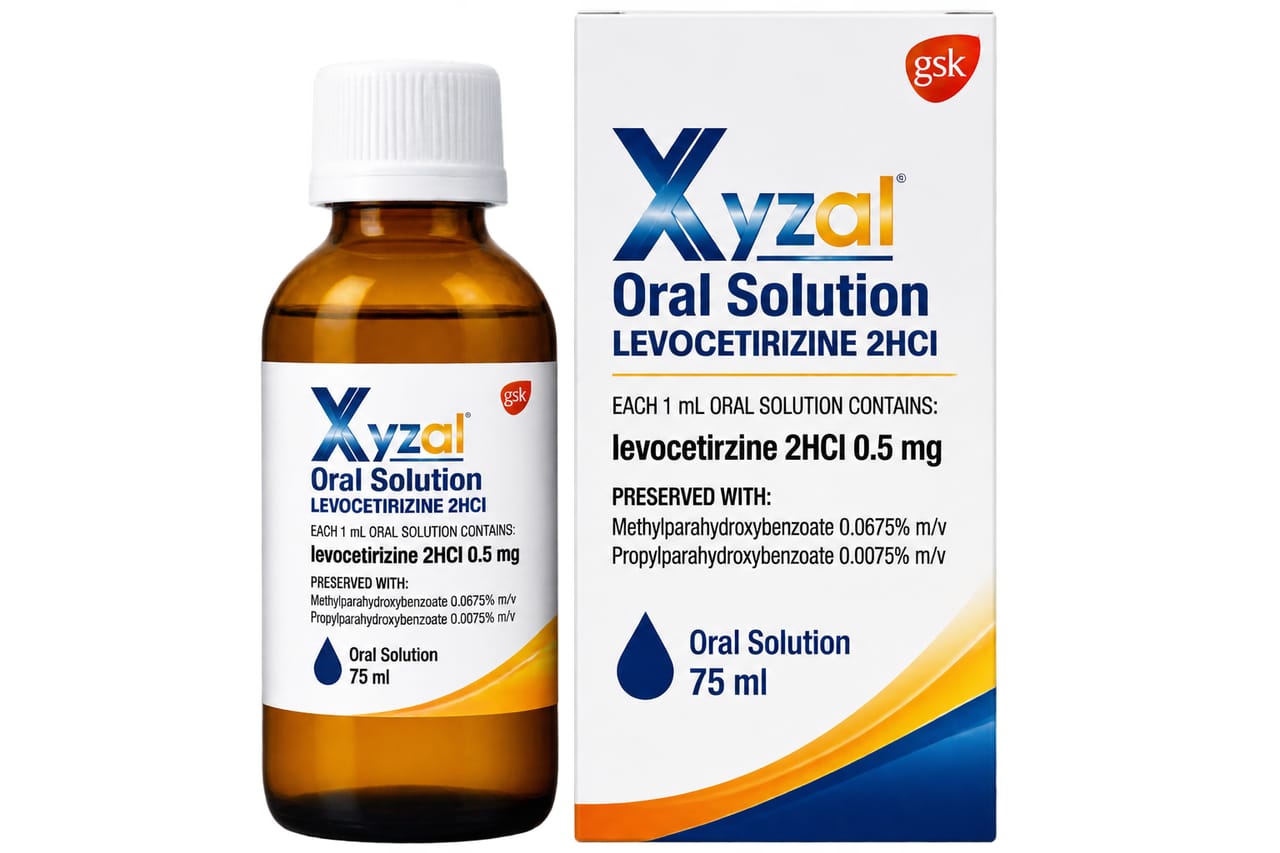
Xyzal Syrup contains levocetirizine, an antihistamine used to treat year-round and seasonal allergic rhinitis as well as itching and swelling from chronic hives (urticaria) in adults and children at least 6 months old. It works by blocking histamine, the natural chemical responsible for symptoms like a runny nose, sneezing, watery eyes, and hives. It is typically taken once daily, usually in the evening, with dosing based on age.
What is Xyzal Syrup
Xyzal is an antihistamine that reduces the effects of a natural chemical called histamine in the body. Histamine can cause symptoms such as a runny nose or hives.
Xyzal Syrup uses
- Treats year-round (perennial) allergic rhinitis in children at least 6 months old
- Treats seasonal allergic rhinitis (hay fever)
- Treats itching and swelling caused by chronic urticaria (hives) in adults and children at least 6 months old
- Relieves symptoms like watery eyes, runny nose, itching eyes/nose, and sneezing
Benefits of Xyzal Syrup
- Relieves sneezing, runny nose, and itchy or red eyes
- Relieves chronic skin hives and itching (urticaria)
- Provides symptom relief with a single daily dose
How Xyzal Syrup works
Xyzal works by blocking histamine, a natural substance your body makes during an allergic reaction, which reduces allergy symptoms.
Xyzal Syrup dosage
Take exactly as prescribed by your doctor and follow all directions on your prescription label. It is usually taken in the evening, with or without food. Measure liquid medicine carefully using the dosing syringe provided or a medicine dose-measuring device, not a kitchen spoon.
A child's dose is based on the age of the child; do not give a child more than the prescribed dose, since a child's body absorbs more of the medicine than an adult's body. Taking more than prescribed will not make it work better and may cause severe drowsiness.
If you miss a dose, take it as soon as you remember, but skip it if it is almost time for your next dose; do not take two doses at once.
Call your doctor if your symptoms do not improve, get worse, or if you also have a fever. Stop taking this medicine at least three days before an allergy test, because it may affect the results.
| Age group | Dose |
|---|---|
| 6 months–5 years | 1.25 mg once daily (2.5 mL) |
| 6–11 years | 2.5 mg once daily (5 mL) |
| 12 years & older | 5 mg once daily (10 mL) |
| Adults | 5 mg once daily (10 mL) |
Available forms and strengths
- Syrup
- Tablet
Side effects of Xyzal Syrup
Common
- Drowsiness or tiredness
- Sinus pain
- Ear infection
- Cough
- Fever
- Nosebleed
- Vomiting, diarrhea, constipation
- Dry mouth
- Weight gain
- Headache
- Blurred vision
- Nausea
- Body aches or pain
- Sore throat
- Difficulty passing urine
Serious
- Signs of allergic reaction: hives, difficulty breathing, swelling of face, lips, tongue, or throat
- Worsening allergy or urticaria symptoms
- Painful or difficult urination
- Little or no urination
- Light-headed feeling, like you might pass out
- Fever
- Signs of an ear infection - ear pain or full feeling, trouble hearing, drainage from the ear, fussiness in a child
- Seizure disorder
- Suicidal ideation
- Anaphylaxis
- Angioedema
- Hepatitis
Warnings and precautions
- Rarely, people have reported severe itching all over the body after stopping Xyzal following long-term daily use. Contact your healthcare provider if this happens.
- It is very important not to give a child more than the prescribed dose, because a child's body absorbs twice as much of the same dose as an adult's body.
- Do not use if you are allergic to levocetirizine or cetirizine (Zyrtec).
- Xyzal is not approved for use in anyone younger than 6 months old.
- This medicine may worsen seizures, so talk to your doctor first if you are at risk of or have experienced seizures.
- Discontinue use if you experience difficulty urinating, as this may indicate urinary retention.
- Levocetirizine is not expected to harm an unborn baby, but you should tell your doctor if you are pregnant so they can weigh the benefits and risks.
- You should not breastfeed while using this medicine, as it can pass into breast milk and may cause drowsiness in the baby or reduce milk supply.
- Tell your doctor if you have kidney disease. This medicine should not be used in people with end-stage kidney disease or those on dialysis, and children under 12 with kidney disease should not take it.
- Tell your doctor if you have liver disease before taking Xyzal.
- Drinking alcohol with this medicine can cause side effects such as increased drowsiness and dizziness.
- Avoid driving or doing hazardous activities until you know how this medicine affects you, since your reactions could be impaired.
Storage
Store at room temperature away from moisture and heat. Store away from light and moisture. Do not store in the bathroom. Keep all medications away from children and pets. Do not flush medications down the toilet or pour them into a drain unless instructed to do so. Properly discard this product when it is expired or no longer needed. Consult your pharmacist or local waste disposal company.
When to see a doctor
- Get emergency medical help if you notice signs of an allergic reaction such as hives, difficulty breathing, or swelling of the face, lips, tongue, or throat.
- Stop using this medicine and call your doctor right away if you have worsening allergy or urticaria symptoms, painful or difficult urination, little or no urination, feeling like you might faint, fever, or signs of an ear infection.
- If you think you may have taken too much of this medicine, seek emergency medical attention right away.
- Call your doctor if your symptoms do not improve, get worse, or if you also develop a fever.
Alternatives
- Al 2.5 MG Syrup
- Cerzin L 2.5 MG Syrup
- Glenzal 2.5 MG Syrup
- L Alerid 2.5 MG Syrup
- Allercet L Syrup
Watch the video
FAQs
What is Xyzal Syrup used for?
Xyzal Syrup is used to treat year-round and seasonal allergic rhinitis and to relieve itching and swelling from chronic urticaria (hives) in adults and children at least 6 months old.
How is Xyzal Syrup dosed by age?
Dosing is based on age: 1.25 mg (2.5 mL) once daily for ages 6 months–5 years, 2.5 mg (5 mL) once daily for ages 6–11 years, and 5 mg (10 mL) once daily for those 12 years and older and adults.
When should Xyzal Syrup be taken?
It is usually taken once daily in the evening, with or without food, using a dosing syringe or medicine dose-measuring device rather than a kitchen spoon.
What are common side effects of Xyzal Syrup?
Common side effects include drowsiness or tiredness, sinus pain, ear infection, cough, fever, nosebleed, vomiting, diarrhea, constipation, dry mouth, weight gain, headache, blurred vision, nausea, body aches, sore throat, and difficulty passing urine.
Who should not take Xyzal Syrup?
Xyzal should not be used by anyone allergic to levocetirizine or cetirizine, in children younger than 6 months, or in people with end-stage kidney disease or on dialysis; children under 12 with kidney disease should also avoid it.
General information, not medical advice
Your prescriber and the leaflet in your pack know your situation. This page does not.
- Follow your prescriber and the leaflet
- Don't start, stop, or change a dose on your own
- Doses and warnings differ by country and product
Sources
Video
Related medicines
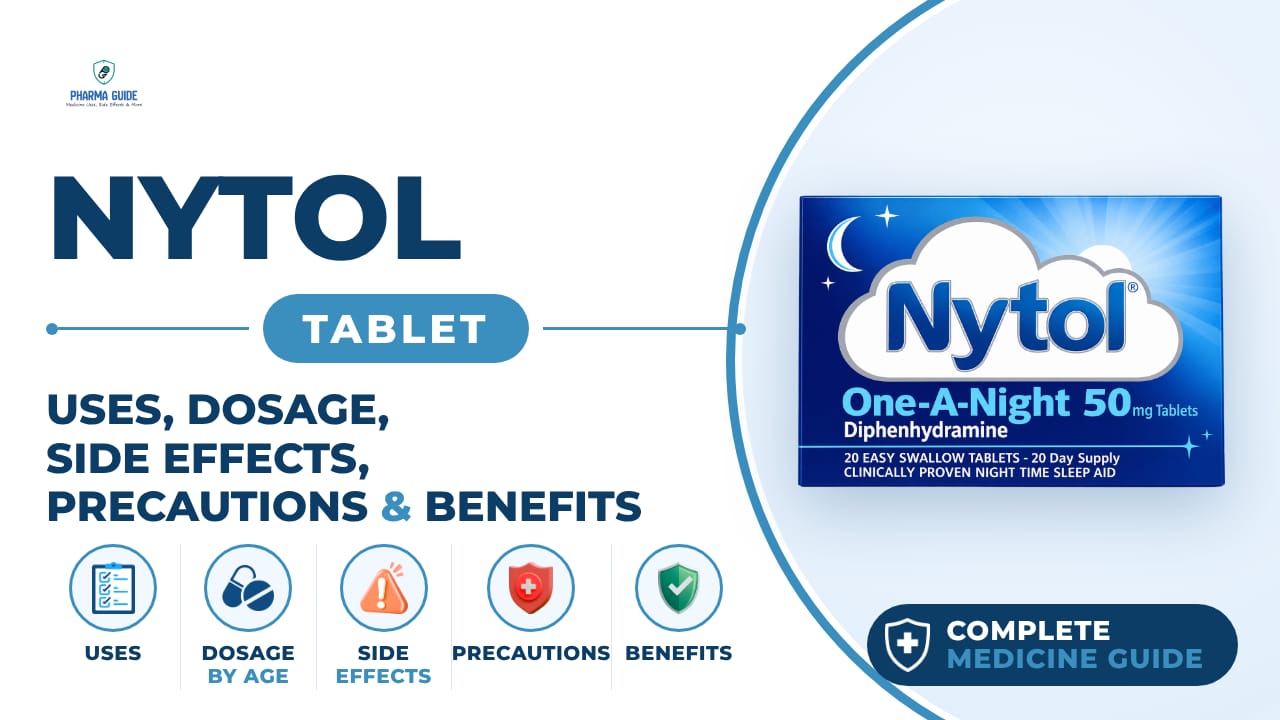
Nytol Tablet: Uses, Dosage, Side Effects, Precautions and Alternates
Antihistamine
Nytol Tablet contains diphenhydramine, used for short-term relief of occasional sleeplessness. Learn its dosage, benefits, side effects, and precautions.
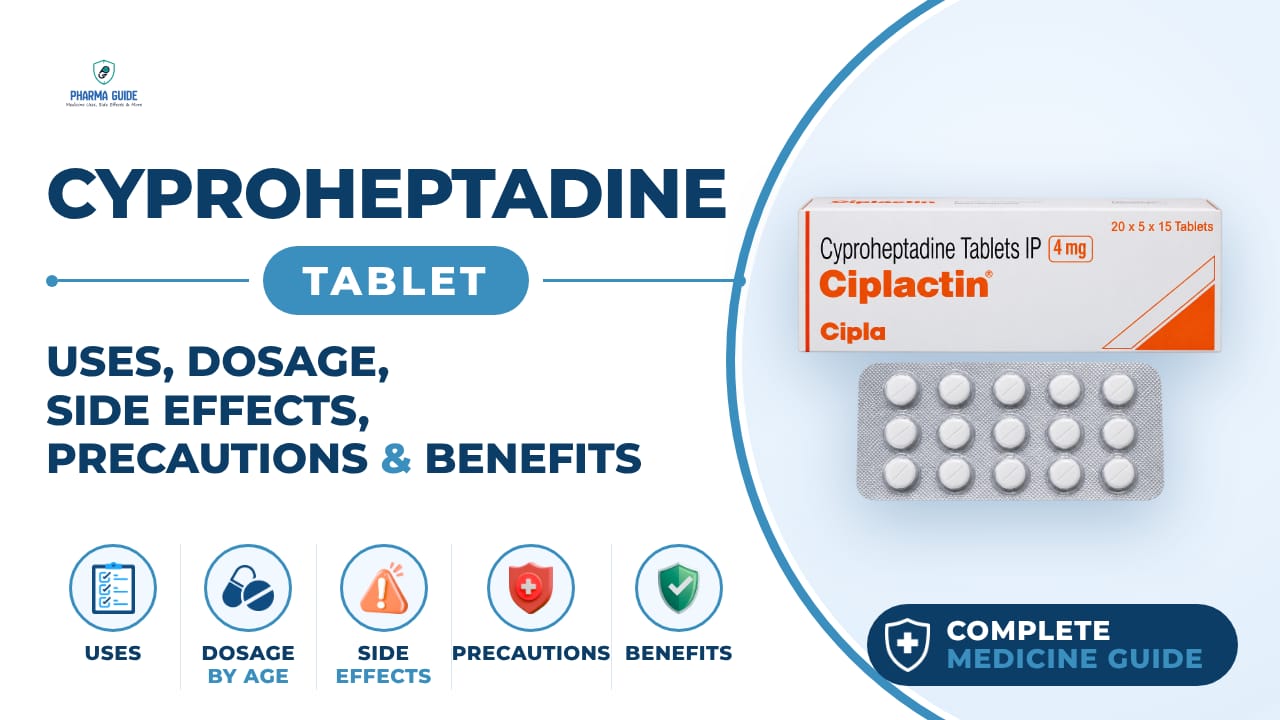
Cyproheptadine Tablet: Uses, Dosage, Side Effects, Precautions and Alternates
Antihistamine
Cyproheptadine Tablet is an antihistamine used for allergies, hives, and migraine headaches. Learn its uses, dosage, side effects, and precautions.