
Safety
General information, not medical advice
Your prescriber and the leaflet in your pack know your situation. This page does not.
- Follow your prescriber and the leaflet
- Don't start, stop, or change a dose on your own
- Doses and warnings differ by country and product
Xyzal Tablet: Uses, Dosage, Side Effects, Precautions and Alternates
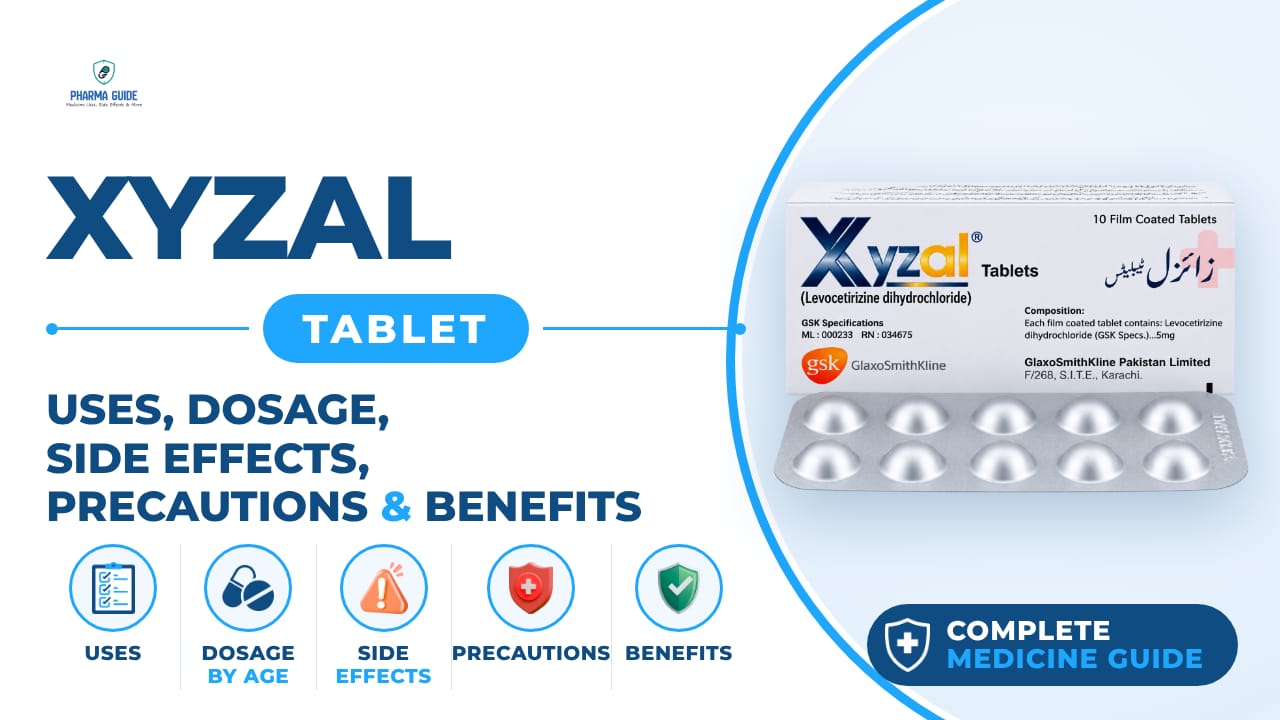
| Generic name | Levocetirizine |
|---|---|
| Drug class | Antihistamine |
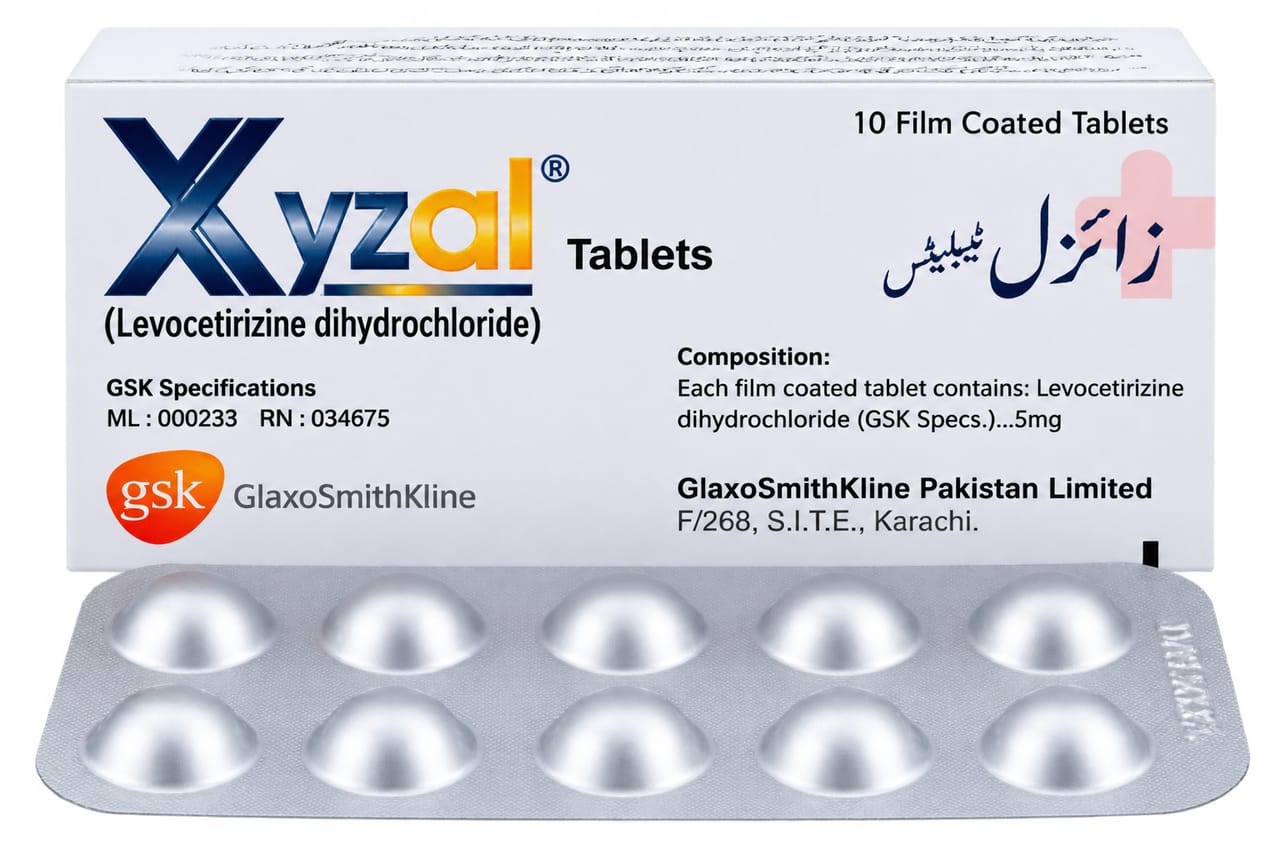
| Forms | Film-coated tablet, Syrup |
Quick overview
Xyzal Tablet contains levocetirizine, an antihistamine. It is used to treat symptoms of allergic rhinitis such as sneezing, runny nose, and watery eyes, as well as the itching and rash of chronic hives. It works by blocking the effects of histamine in the body. Xyzal is taken once daily and is available as a tablet or syrup.
What is Xyzal Tablet
Xyzal is an antihistamine medicine that contains levocetirizine as its active ingredient. It reduces the effects of a natural chemical called histamine in the body, which can cause symptoms like a runny nose or hives.
Xyzal Tablet uses
- Treats symptoms such as sneezing, runny nose, and watery eyes linked to allergic rhinitis (including year-round allergic rhinitis)
- Relieves the rashes and itching of chronic hives (urticaria)
- Used to treat symptoms of year-round (perennial) allergies in children who are at least 6 months old
Benefits of Xyzal Tablet
- Can reduce sneezing, nasal drainage, itching, and watery eyes
- May improve sleep when nighttime itching or nasal symptoms are a problem
- Considered a less sedating antihistamine compared with older antihistamines
- Relieves sneezing and runny nose
- Relieves itchy nose and throat
- Helps relieve nasal allergy symptoms (allergic rhinitis)
- Relieves hives (urticaria) and associated itching
- Usually provides 24-hour allergy relief with once-daily dosing
How Xyzal Tablet works
Xyzal blocks the effects of histamine, a chemical your body releases during an allergic reaction, which helps reduce allergy symptoms like swelling, itching, and mucus production.
Xyzal Tablet dosage
Swallow the tablet whole with some water. Take it as one daily dose, with or without food. It is best taken at bedtime/in the evening as it can make you feel drowsy. Don't take an extra dose if you forget one — just take your next dose at the usual time. Don't take more than the amount your doctor prescribed. Children's dosing depends on their age, and your doctor will prescribe the most appropriate form for your child. Stop taking Xyzal for several days before a scheduled allergy test, since it may affect the results.
| Age group | Dose |
|---|---|
| Under 6 years | Tablet not generally recommended; doctor's advice required |
| 6–11 years | 2.5 mg once daily |
| 12 years & older | 5 mg once daily |
| Adults | 5 mg once daily |
Available forms and strengths
- Film-coated tablet
- Syrup
Side effects of Xyzal Tablet
Common
- Drowsiness/feeling sleepy
- Headache
- Dry mouth
- Lack of energy/tiredness
- Sleep disorders, diarrhoea, constipation (in children)
- Stomach pain
- Feeling weak
- Vomiting, headache (in children)
- Nausea
- Increased heart rate
- Nasopharyngitis
- Sinus pain
- Ear infection
- Cough
- Fever
- Nosebleed
- Weight gain
Serious
- Severe allergic reactions: raised and itchy rash (hives), swelling of the face or mouth (angioedema) causing difficulty swallowing or breathing, collapse or loss of consciousness
- Suicidal thoughts
- Urinary retention: pain when passing urine or inability to pass urine
- Fits (seizures)
- Fainting, dizziness, tingling or numbness of hands or feet, tremor, taste disturbance
- Visual disturbances, blurred vision, oculogyration (uncontrolled circular eye movements)
- Fast or irregular heartbeats
- Shortness of breath
- Inflammation of the liver
- Small patches of swelling and redness of the skin which may blister
- Intense itching (pruritus) upon stopping the medicine
- Abnormal liver function test (increased liver enzymes in the blood)
- Swelling of face, lips, tongue, or throat
- Little or no urination
- A light-headed feeling, like you might pass out
Warnings and precautions
- Xyzal can make some existing conditions worse or cause severe allergic reactions or urinary retention. Some people may have suicidal thoughts while taking Xyzal. It is very important not to give a child more than the prescribed dose, because a child's body absorbs twice as much of the same dose as an adult's body. Rarely, some people have reported intense itching when stopping Xyzal after long-term daily use, even if they did not have this symptom before starting treatment. Do not use Xyzal if you have severe kidney disease, are on dialysis, or if your child is under 12 with kidney disease. You should not use Xyzal if you are allergic to levocetirizine, cetirizine, hydroxyzine, or piperazine derivatives.
- There is only limited safety information about Xyzal in pregnant women, so it should be avoided unless necessary and only given after medical advice. Tell your doctor if you are or plan to become pregnant.
- Ingredients in Xyzal can pass into breast milk, so check with your doctor before taking it if you are breastfeeding.
- People with severe kidney disease should not take Xyzal. Your doctor may lower your dose if you have kidney problems.
- Tell your doctor if you have liver disease before taking Xyzal, since your doctor will decide the correct dose depending on the illness and blood test results.
- Avoid alcohol while taking Xyzal, as combining them may cause additional reductions in alertness and impairment of performance.
- At the recommended dose, Xyzal is unlikely to affect your ability to drive or use machines, but some people may feel drowsy, tired, or weak. Don't drive or use machines unless you are sure you're not affected.
Storage
- Keep out of the sight and reach of children
- Don't take Xyzal after the expiry date shown on the pack
- Store below 30°C
- Don't dispose of medicines in wastewater or household waste. Ask your pharmacist how to dispose of medicines no longer required. This will help protect the environment
When to see a doctor
- Contact a doctor immediately and stop taking Xyzal if you notice signs of a severe allergic reaction, such as itchy raised rash (hives), swelling of the face or mouth causing difficulty swallowing or breathing, or collapse/loss of consciousness
- Get emergency medical help if you have signs of an allergic reaction: hives, difficulty breathing, or swelling of your face, lips, tongue, or throat
- Stop using the medicine and call your doctor right away if you have worsening allergy or hives symptoms, painful or difficult urination, little or no urination, a light-headed feeling like you might pass out, fever, or signs of an ear infection
- Contact your doctor if your symptoms do not improve or get worse
- Consult your doctor if you experience widespread, severe itching after stopping this medication
Alternatives
- Hicet L 5 MG Tablet
- Levo Setride 5 MG Tablet
- Teczine Cp 5 MG Tablet
- Xevor 5 MG Tablet
- Zipcet 5 MG Tablet
Watch the video
FAQs
What is Xyzal Tablet used for?
Xyzal Tablet is used to treat symptoms of allergic rhinitis such as sneezing, runny nose, and watery eyes, and to relieve the itching and rashes of chronic hives (urticaria). It can also be used in children at least 6 months old for year-round allergies.
How should I take Xyzal Tablet?
Swallow the tablet whole with water, once daily with or without food. It is best taken at bedtime or in the evening since it can cause drowsiness. Do not take more than your doctor's prescribed dose.
What is the dosage of Xyzal Tablet for different age groups?
Children aged 6–11 years take 2.5 mg once daily, while those 12 years and older and adults take 5 mg once daily. Xyzal tablets are not generally recommended for children under 6 years without a doctor's advice.
What are the common side effects of Xyzal Tablet?
Common side effects include drowsiness, headache, dry mouth, tiredness, stomach pain, nausea, increased heart rate, nasopharyngitis, and weight gain.
Who should avoid taking Xyzal Tablet?
Xyzal should be avoided by people with severe kidney disease, those on dialysis, children under 12 with kidney disease, and anyone allergic to levocetirizine, cetirizine, hydroxyzine, or piperazine derivatives.
General information, not medical advice
Your prescriber and the leaflet in your pack know your situation. This page does not.
- Follow your prescriber and the leaflet
- Don't start, stop, or change a dose on your own
- Doses and warnings differ by country and product
Sources
Video
Related medicines
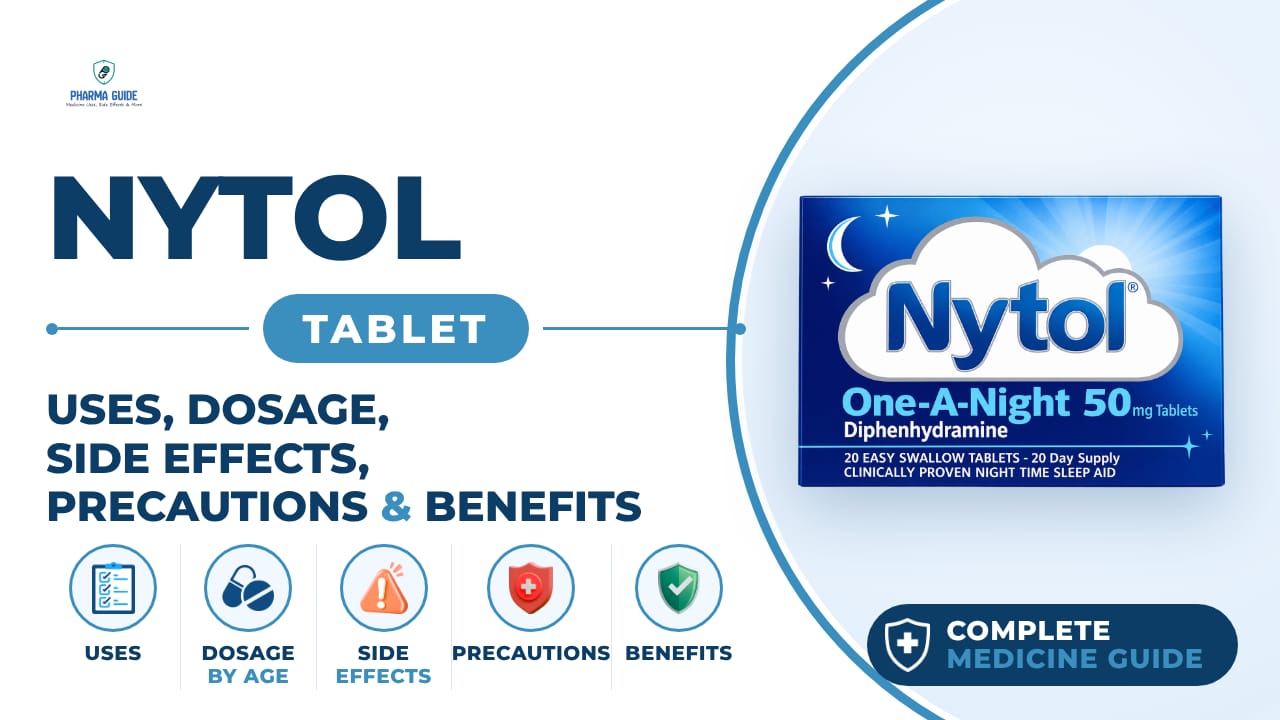
Nytol Tablet: Uses, Dosage, Side Effects, Precautions and Alternates
Antihistamine
Nytol Tablet contains diphenhydramine, used for short-term relief of occasional sleeplessness. Learn its dosage, benefits, side effects, and precautions.
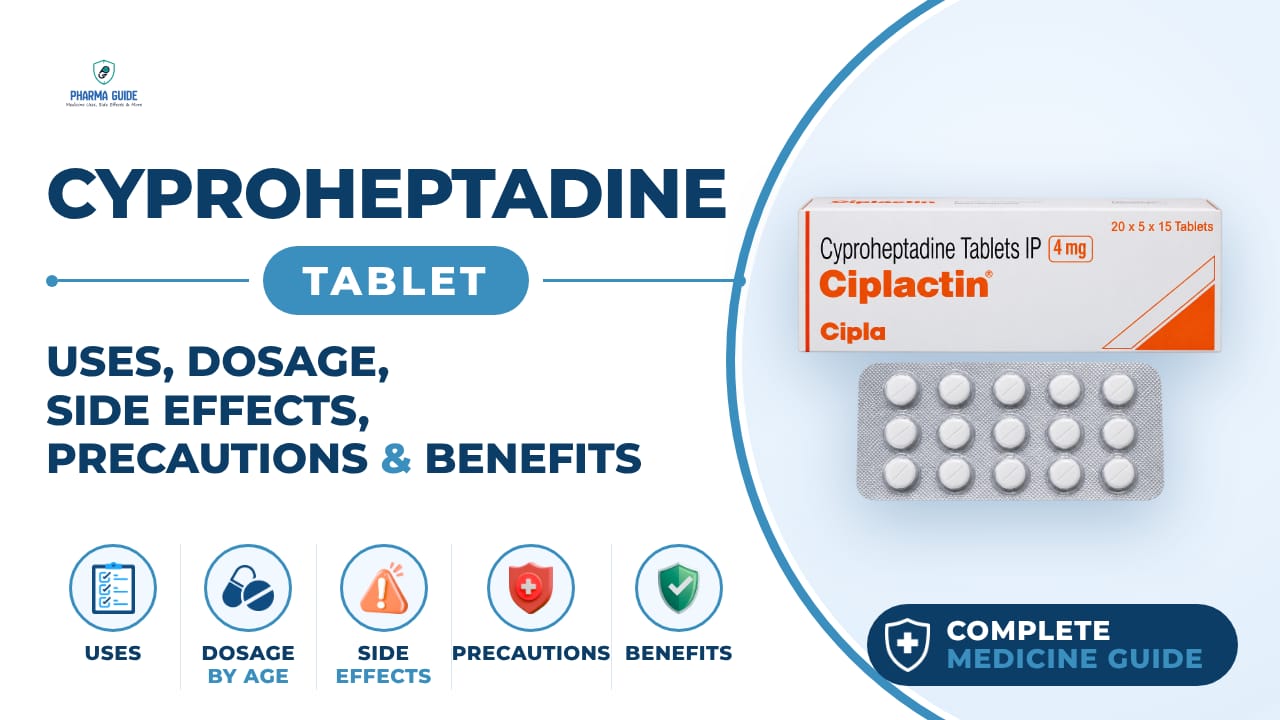
Cyproheptadine Tablet: Uses, Dosage, Side Effects, Precautions and Alternates
Antihistamine
Cyproheptadine Tablet is an antihistamine used for allergies, hives, and migraine headaches. Learn its uses, dosage, side effects, and precautions.