
Safety
General information, not medical advice
Your prescriber and the leaflet in your pack know your situation. This page does not.
- Follow your prescriber and the leaflet
- Don't start, stop, or change a dose on your own
- Doses and warnings differ by country and product
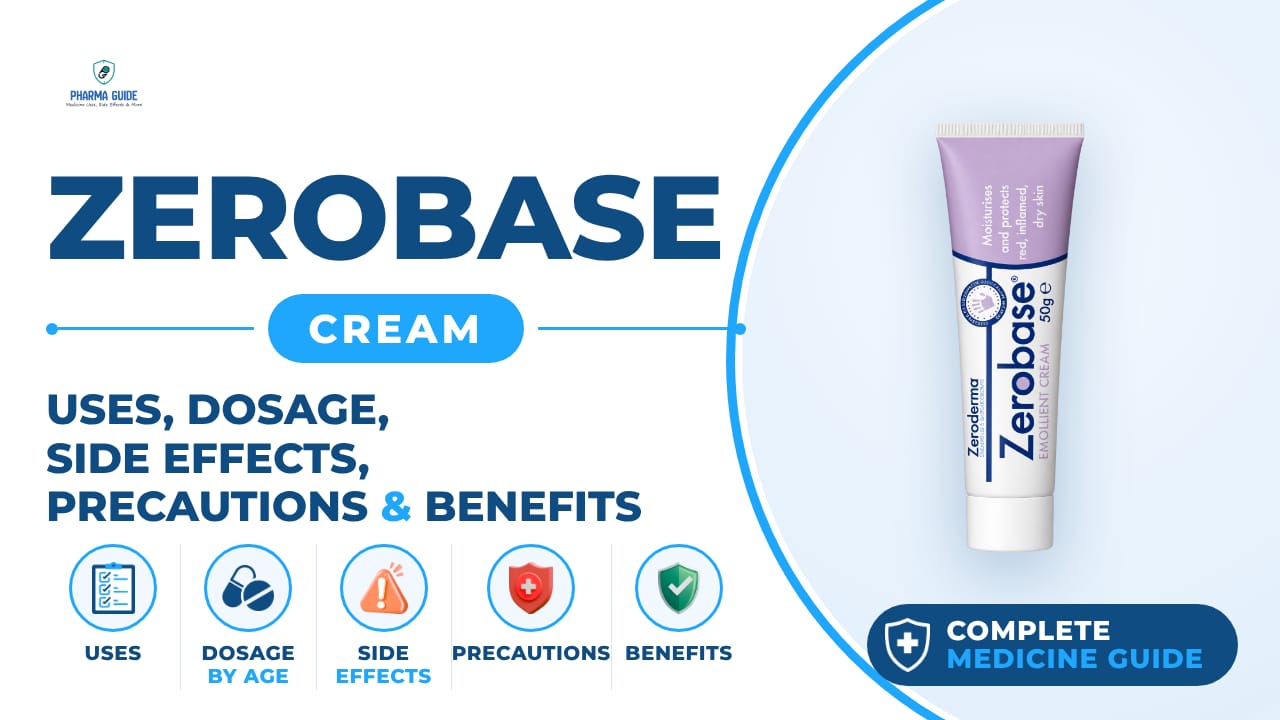
Zerobase Cream: Uses, Dosage, Side Effects, Precautions and Alternates
| Generic name | Liquid paraffin (emollient cream) |
|---|---|
| Drug class | Emollient |
| Forms | Cream |
Quick overview
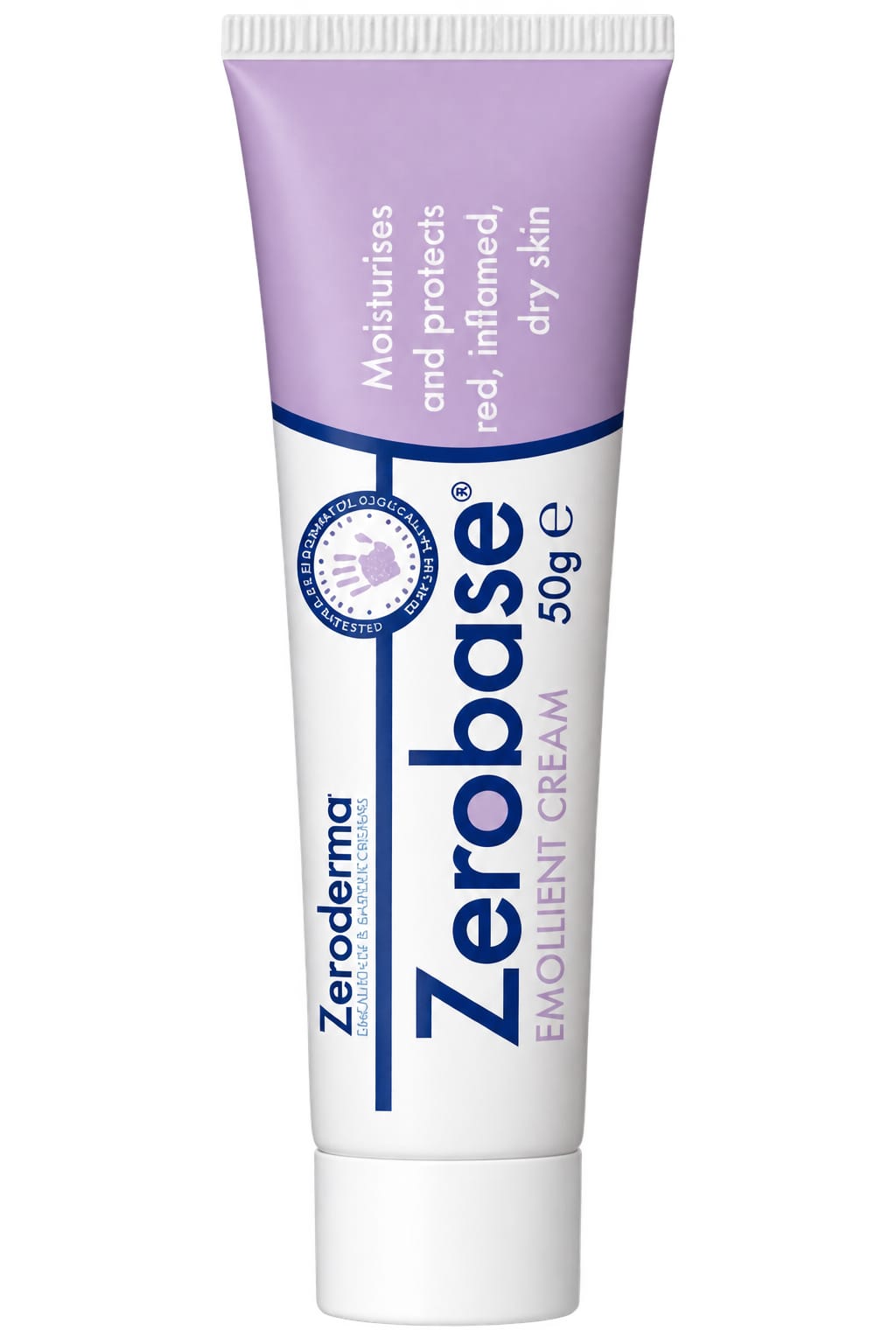
Zerobase Cream is a fragrance-free emollient cream containing liquid paraffin, used to moisturise, soothe, and protect dry or irritated skin. It helps manage conditions such as eczema, dermatitis, psoriasis, and ichthyosis, and can also be used as a soap substitute. It is suitable for all ages, including infants, children, and older adults.
What is Zerobase Cream
Zerobase is a fragrance-free emollient cream that moisturises, soothes, and protects dry or irritated skin. It is used to help manage skin conditions such as eczema, dermatitis, psoriasis, and ichthyosis.
Zerobase Cream uses
- Dry, red, or irritated skin
- Eczema and atopic dermatitis
- Psoriasis (as a moisturiser)
- Ichthyosis
- Itching (pruritus)
- Can be used as a soap substitute during washing
Benefits of Zerobase Cream
- Soothes, softens, and protects dry or irritated skin
- Restores moisture and reduces discomfort
- Supports natural skin repair and barrier function
- Suitable for all ages including infants, children, and older adults
- Fragrance-free and paraben-free, suitable for sensitive skin
- Can be used before bathing to help prevent further dryness
How Zerobase Cream works
Zerobase forms a protective layer on the surface of the skin that helps lock in moisture and slow down water loss. This helps the skin stay hydrated and allows damaged or irritated skin to heal and strengthen over time.
Zerobase Cream dosage
Apply a generous amount to the affected areas of skin as often as required. Smooth the cream gently onto the skin, following the direction of hair growth, rather than rubbing it in, to reduce the risk of folliculitis. It can be applied before bathing or showering to help stop water and cleansers from drying the skin further, and can also be used as a soap substitute by applying to wet skin and rinsing off.
Wash your hands before applying, or use a clean spatula to remove the cream from the tub to prevent contamination. Allow the cream to absorb before dressing or applying any other topical product. It is suitable for use in adults, children, and infants unless a healthcare professional advises otherwise. If using a medicated cream such as a topical corticosteroid, apply this cream first and let it absorb before applying the medicated product, or follow your prescriber's instructions.
| Age group | Dose |
|---|---|
| Under 1 year | Apply generously 2–3 times daily or as needed |
| 1–17 years | Apply 2–3 times daily or as needed |
| 18 years & older | Apply 2–3 times daily or as needed |
| Older adults | Apply 2–3 times daily or as needed |
Available forms and strengths
- Cream
Side effects of Zerobase Cream
Common
- Mild stinging or burning sensation on first application, particularly on broken or very dry skin
- Temporary greasiness or heaviness on the skin surface
- Skin irritation or redness at the application site
Serious
- Signs of a severe allergic reaction such as swelling of the face, lips, or throat
- Skin rash or hives
- Difficulty breathing
- Sudden dizziness or loss of consciousness
- Folliculitis (inflammation of hair follicles), more likely if the cream is applied against the direction of hair growth or under occlusive dressings
- Contact dermatitis in rare cases of sensitivity to an ingredient
Warnings and precautions
- Do not use this cream if you are allergic to any of its ingredients.
- Be careful using it before a bath or shower, as it can make bathroom surfaces slippery.
- This cream is flammable. Keep it away from open flames, cigarettes, or other heat sources, and wash clothing or bedding that touches the cream regularly, since it can also become flammable.
- Do not apply to skin that is broken, badly cracked, infected, or bleeding without medical advice.
- Avoid getting the cream in your eyes.
- If you are taking or have recently taken any other medication, including those bought without a prescription, speak to your doctor or pharmacist before using this cream.
- If you are pregnant or planning a pregnancy, ask your doctor or pharmacist before using this cream, though it is generally considered suitable since it is applied to the skin and not significantly absorbed into the body.
- This cream is generally considered suitable during breastfeeding, but avoid applying it to the nipple area to prevent the baby from swallowing it, and ask your doctor or pharmacist if unsure.
- There is no known interaction between this cream and alcohol, since it is applied to the skin.
- This cream does not cause drowsiness and is not expected to affect your ability to drive or use machinery.
Storage
- Store below 25°C in a cool, dry place
- Keep out of sight and reach of children
- Keep the lid tightly closed between uses to prevent contamination
- Do not use after the expiry date shown on the packaging – this refers to the last day of the stated month
- Do not freeze
- Do not transfer to another container
- Do not dispose of the product via household waste or drains. Ask your pharmacist how to throw away unwanted creams safely
When to see a doctor
- Stop using the cream and get emergency medical help if you notice signs of a severe allergic reaction, such as swelling of the face, lips, or throat, a skin rash or hives, difficulty breathing, or sudden dizziness or loss of consciousness.
- If your skin condition gets worse or does not improve after two weeks of use, see your doctor.
- If you notice irritation, redness, or a rash after applying the cream, stop using it and speak to your doctor or pharmacist.
Alternatives
- Epaderm Cream
- Oilatum Cream
- Aveeno Cream
Watch the video
FAQs
What is Zerobase Cream used for?
It is used to moisturise, soothe, and protect dry or irritated skin, and to help manage conditions such as eczema, dermatitis, psoriasis, and ichthyosis. It can also be used as a soap substitute.
How do you apply Zerobase Cream?
Apply a generous amount to affected areas as often as required, smoothing it onto the skin in the direction of hair growth rather than rubbing it in, to reduce the risk of folliculitis. It can be applied before bathing or used as a soap substitute on wet skin.
Can Zerobase Cream be used on babies and children?
Yes, it is suitable for use in adults, children, and infants unless a healthcare professional advises otherwise.
What are the side effects of Zerobase Cream?
Common effects include mild stinging or burning on first application, temporary greasiness, and skin irritation or redness. Serious effects can include severe allergic reaction, folliculitis, and contact dermatitis in rare cases of sensitivity.
Is Zerobase Cream safe to use during pregnancy or breastfeeding?
It is generally considered suitable during pregnancy and breastfeeding since it is applied to the skin and not significantly absorbed, but avoid the nipple area while breastfeeding and ask your doctor or pharmacist if unsure.
General information, not medical advice
Your prescriber and the leaflet in your pack know your situation. This page does not.
- Follow your prescriber and the leaflet
- Don't start, stop, or change a dose on your own
- Doses and warnings differ by country and product
Sources
Video
Related medicines
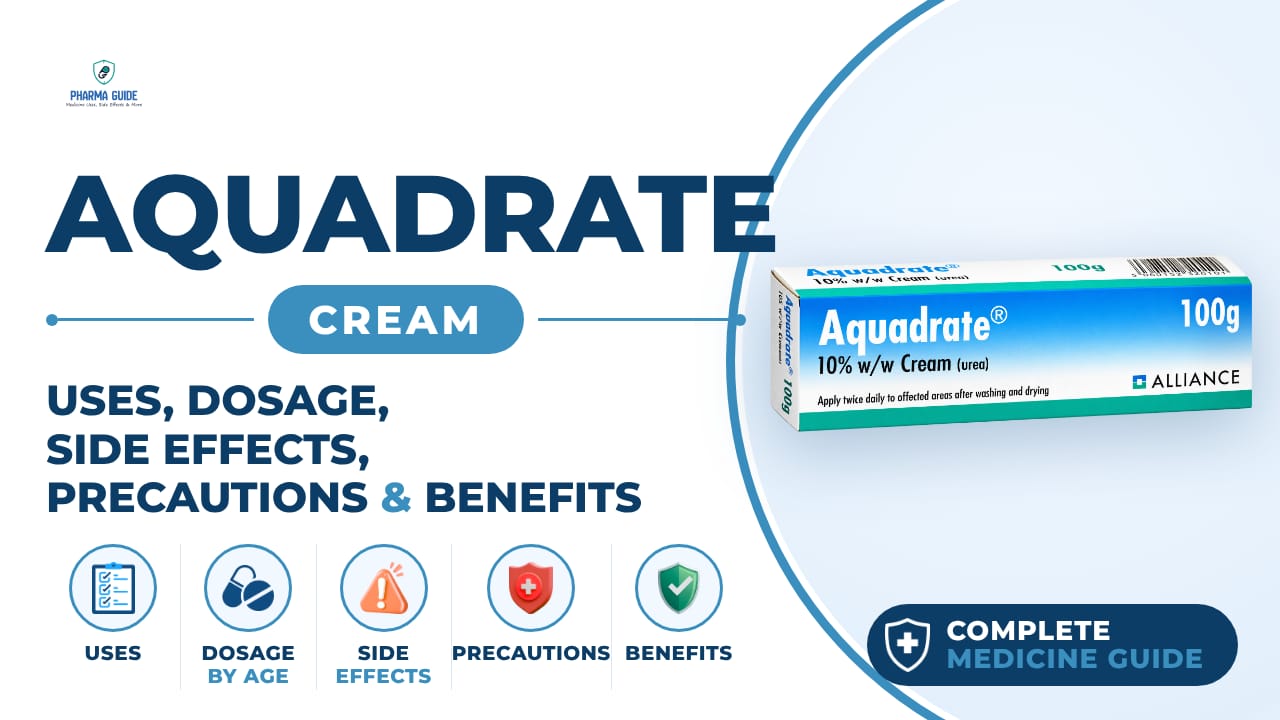
Aquadrate Cream: Uses, Dosage, Side Effects, Precautions and Alternates
Emollient
Aquadrate Cream (10% urea) softens dry, rough, scaly skin and nails. Learn its uses, dosage, side effects, warnings, and storage tips before use.
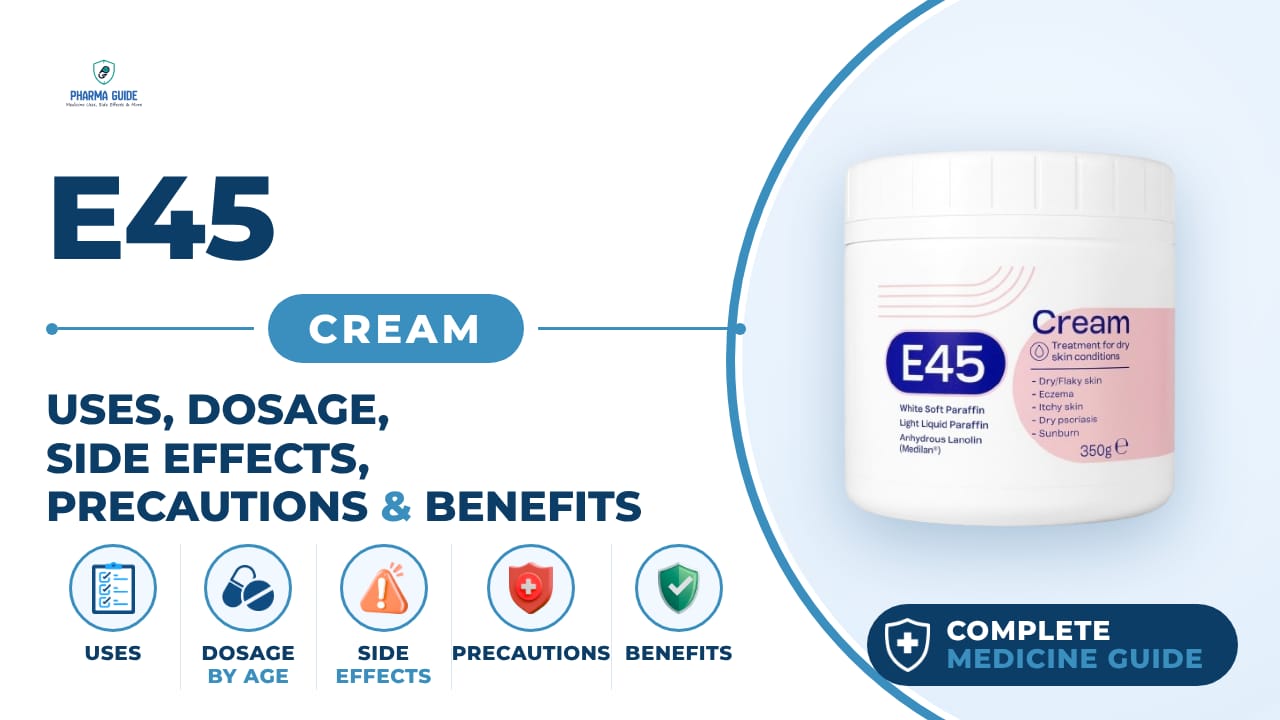
E45 Cream: Uses, Dosage, Side Effects, Precautions and Alternates
Emollient
E45 Cream is a fragrance-free emollient that relieves dry, itchy, flaky skin. Learn about its uses, dosage, side effects, and precautions.