
Safety
General information, not medical advice
Your prescriber and the leaflet in your pack know your situation. This page does not.
- Follow your prescriber and the leaflet
- Don't start, stop, or change a dose on your own
- Doses and warnings differ by country and product
Zestoretic Tablet: Uses, Dosage, Side Effects, Precautions and Alternates
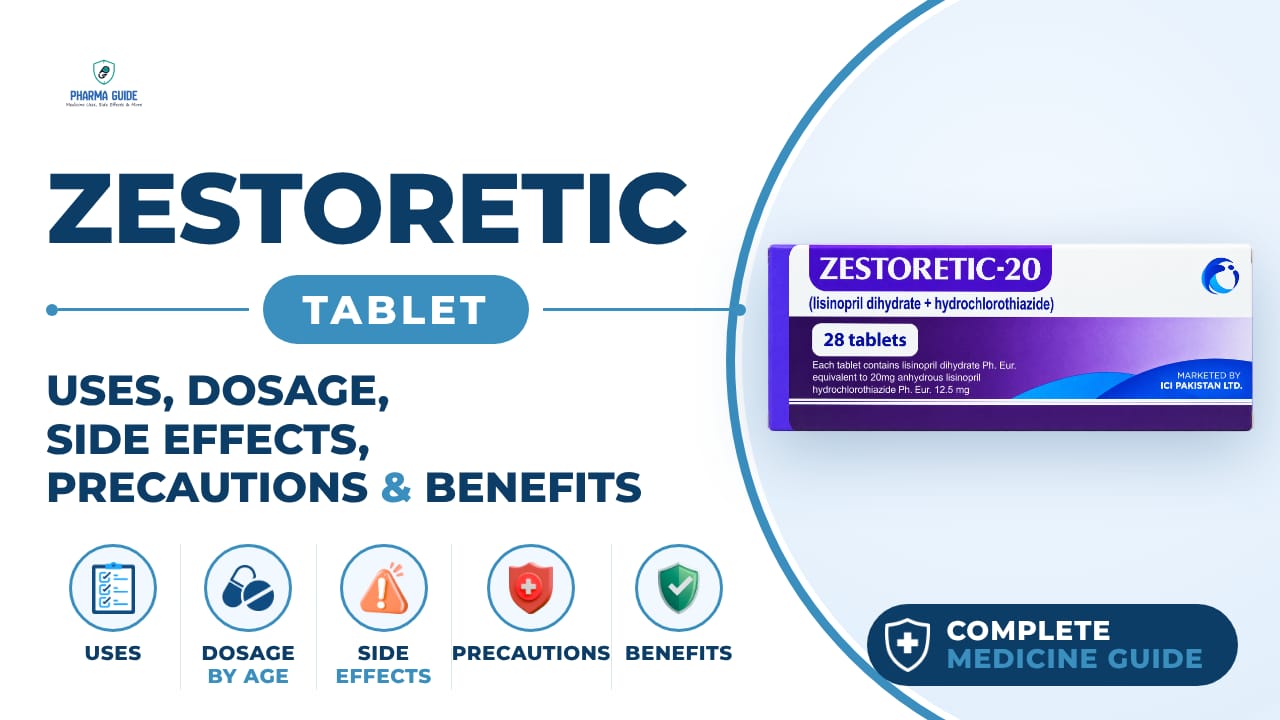
| Generic name | hydrochlorothiazide and lisinopril |
|---|---|
| Drug class | ACE inhibitors with thiazides |
| Forms | Tablet (10 mg/12.5 mg, 20 mg/12.5 mg, and 20 mg/25 mg lisinopril/hydrochlorothiazide) |
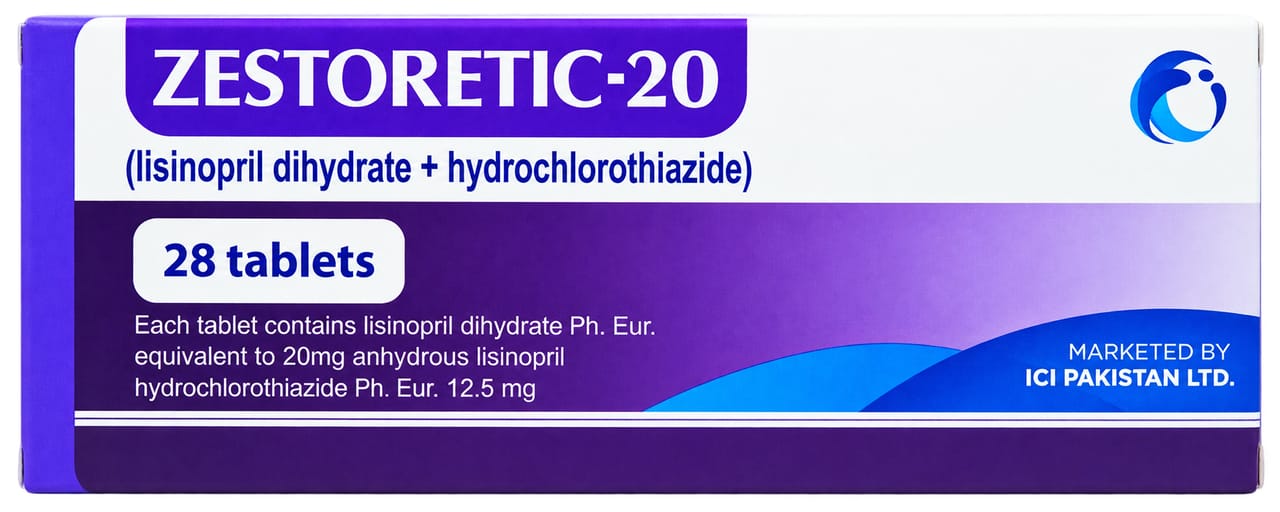
Quick overview
Zestoretic Tablet is a combination medicine containing hydrochlorothiazide and lisinopril, from the ACE inhibitors with thiazides drug class. It is used to treat hypertension (high blood pressure), combining a water pill with a medicine that relaxes blood vessels. It is used for essential hypertension when combination therapy is appropriate, not for starting treatment.
What is Zestoretic Tablet
Zestoretic is a combination medicine with two ingredients: hydrochlorothiazide, a water pill (diuretic), and lisinopril, an ACE inhibitor. Together they help lower blood pressure.
Zestoretic Tablet uses
- Treats hypertension (high blood pressure)
- Used for essential hypertension when combination therapy is appropriate (not for starting treatment)
- Lisinopril relaxes blood vessels
Benefits of Zestoretic Tablet
- Lowering blood pressure may lower your risk of a stroke or heart attack
- Helps control high blood pressure, which often has no symptoms
- Combines an ACE inhibitor + thiazide diuretic
- Helps relax blood vessels
- Helps remove excess sodium and water
How Zestoretic Tablet works
Hydrochlorothiazide helps the body get rid of extra salt and water, which reduces fluid buildup. Lisinopril blocks a chemical process that narrows blood vessels, which helps relax blood vessels and lowers blood pressure.
Zestoretic Tablet dosage
Take exactly as prescribed by your doctor and follow your prescription label. Take at about the same time every day. Swallow the tablet whole with water; do not crush, split, or chew it. It can be taken with or without food; if it upsets your stomach, take it with food or milk. Keep taking this medicine even if you feel well, since high blood pressure often has no symptoms. If you miss a dose, take it as soon as you remember, but skip it if it's almost time for your next dose; do not take two doses at once. Tell your surgeon or dentist you are taking this medicine before any surgery.
| Age group | Dose |
|---|---|
| Under 18 years | No established routine fixed-combination dose |
| 18–39 years | Commonly 10 mg/12.5 mg once daily |
Available forms and strengths
- Tablet (10 mg/12.5 mg, 20 mg/12.5 mg, and 20 mg/25 mg lisinopril/hydrochlorothiazide)
Side effects of Zestoretic Tablet
Common
- Cough
- Headache
- Dizziness
- Tired feeling
- Drowsiness, weakness
- Rash
- Abdominal pain, upset stomach, decreased appetite, constipation
- Muscle pain or cramps
Serious
- Signs of allergic reaction: hives, severe stomach pain, difficulty breathing, swelling of face, lips, tongue, or throat
- Light-headed feeling, like you might pass out
- Eye pain, vision problems
- Little or no urination
- Weakness, drowsiness, or feeling restless
- Fever, chills, sore throat, mouth sores, trouble swallowing
- Jaundice (yellowing of the skin or eyes)
- High potassium: nausea, tingly feeling, chest pain, irregular heartbeats, loss of movement
- Low potassium: leg cramps, constipation, irregular heartbeats, fluttering in your chest, increased thirst or urination, numbness or tingling, muscle weakness or limp feeling
- Low sodium: headache, confusion, slurred speech, severe weakness, vomiting, loss of coordination, feeling unsteady
Warnings and precautions
- Do not use this medicine if you are pregnant. It can seriously harm or even cause death to an unborn baby. Stop taking it and call your doctor right away if you become pregnant.
- You should not breastfeed while taking this medicine.
- Tell your doctor if you have kidney disease or are on dialysis, since this medicine affects the kidneys and may need special monitoring or dose changes.
- Tell your doctor if you have cirrhosis or other liver disease before taking this medicine.
- Drinking alcohol can further lower your blood pressure and may increase certain side effects of this medicine.
- This medicine can cause dizziness or tiredness, especially after the first dose or a dose increase. Wait until you know how it affects you before driving or doing tasks that need alertness.
- Do not use this medicine if you have ever had angioedema (a severe allergic swelling reaction), if you cannot urinate, or if you are allergic to sulfa drugs or any ACE inhibitor.
- Do not take this medicine within 36 hours before or after taking a medicine containing sacubitril, such as Entresto, because of an increased risk of serious allergic swelling.
- If you have diabetes, do not use this medicine together with any medication containing aliskiren, a blood pressure drug.
- This medicine may increase your risk of skin cancer. Avoid sunlight and tanning beds, wear protective clothing, and use sunscreen when outdoors.
- This medicine can cause sudden eye problems, including sudden blurred vision or increased eye pressure (glaucoma), which can lead to permanent vision loss if untreated. These can happen within hours to weeks of starting the medicine.
- Do not use potassium supplements or salt substitutes while taking this medicine unless your doctor tells you to, as this can cause dangerously high potassium levels.
- You may become dehydrated from vomiting, diarrhea, or excess sweating while on this medicine, which can cause very low blood pressure, electrolyte problems, or kidney failure.
Storage
- Store at room temperature away from moisture, heat, and light
- Store in the original package at room temperature (15°C to 30°C), tightly closed and protected from light
- Do not transfer to other pill containers
- Keep out of reach and sight of children
- Do not use after the expiry date on the package
- Unused medicine that is no longer needed should be carefully discarded; ask your pharmacist for advice
When to see a doctor
- Get emergency medical help right away if you have signs of an allergic reaction: hives, severe stomach pain, trouble breathing, or swelling of the face, lips, tongue, or throat.
- Call your doctor right away if you feel like you might faint, have eye pain or vision problems, are urinating very little or not at all, feel unusually weak, drowsy, or restless, or have fever, chills, sore throat, mouth sores, or trouble swallowing.
- Seek medical help immediately if you think you have taken too much of this medicine, even if you feel fine.
- Call your doctor if you notice yellowing of the skin or eyes, which can be a sign of liver problems.
- Watch for signs of abnormal potassium or sodium levels, such as nausea, tingling, chest pain, irregular heartbeat, muscle weakness, leg cramps, increased thirst, confusion, or severe weakness, and call your doctor if these occur.
Alternatives
- Lisinopril alone
- Hydrochlorothiazide alone
- Losartan + hydrochlorothiazide
Watch the video
FAQs
What is Zestoretic Tablet used for?
Zestoretic Tablet is used to treat hypertension (high blood pressure). It is used for essential hypertension when combination therapy is appropriate, not for starting treatment.
What are the ingredients in Zestoretic Tablet?
Zestoretic contains two ingredients: hydrochlorothiazide, a water pill (diuretic), and lisinopril, an ACE inhibitor, which together help lower blood pressure.
How does Zestoretic Tablet work?
Hydrochlorothiazide helps the body get rid of extra salt and water, reducing fluid buildup, while lisinopril blocks a chemical process that narrows blood vessels, helping relax them and lower blood pressure.
What should I avoid while taking Zestoretic Tablet?
Avoid using potassium supplements or salt substitutes unless your doctor tells you to, as this can cause dangerously high potassium levels. Also avoid taking it with sacubitril-containing medicines like Entresto within 36 hours, and avoid aliskiren if you have diabetes.
Can I drink alcohol while taking Zestoretic Tablet?
Drinking alcohol can further lower your blood pressure and may increase certain side effects of this medicine.
General information, not medical advice
Your prescriber and the leaflet in your pack know your situation. This page does not.
- Follow your prescriber and the leaflet
- Don't start, stop, or change a dose on your own
- Doses and warnings differ by country and product
Sources
Video
Related medicines
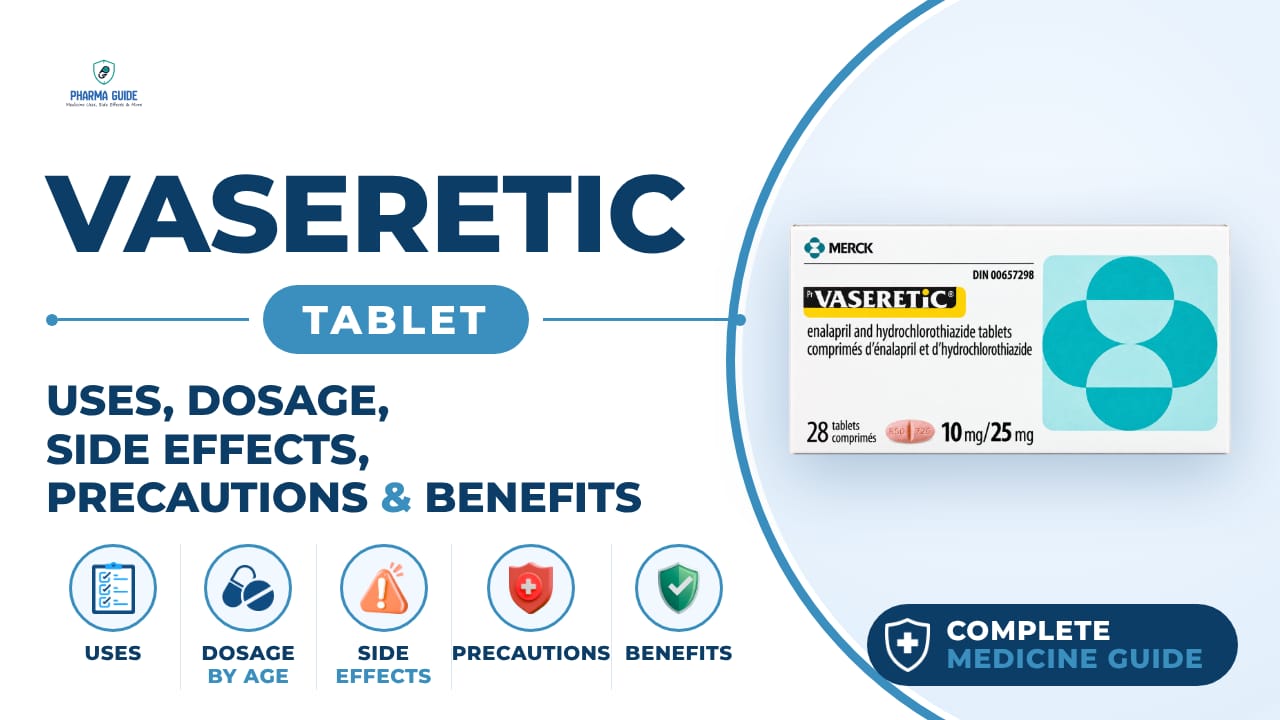
Vaseretic Tablet: Uses, Dosage, Side Effects, Precautions and Alternates
ACE inhibitors with thiazides
Vaseretic Tablet combines enalapril and hydrochlorothiazide to treat high blood pressure. Learn about its uses, dosage, side effects, and warnings.

Injectafer Injection: Uses, Dosage, Side Effects, Precautions and Alternates
Iron products
Injectafer (ferric carboxymaltose) treats iron deficiency anemia and heart failure-related iron deficiency via IV. Learn uses, dosage, side effects, and