
Safety
General information, not medical advice
Your prescriber and the leaflet in your pack know your situation. This page does not.
- Follow your prescriber and the leaflet
- Don't start, stop, or change a dose on your own
- Doses and warnings differ by country and product
Zoloft Tablet: Uses, Dosage, Side Effects, Precautions and Alternates
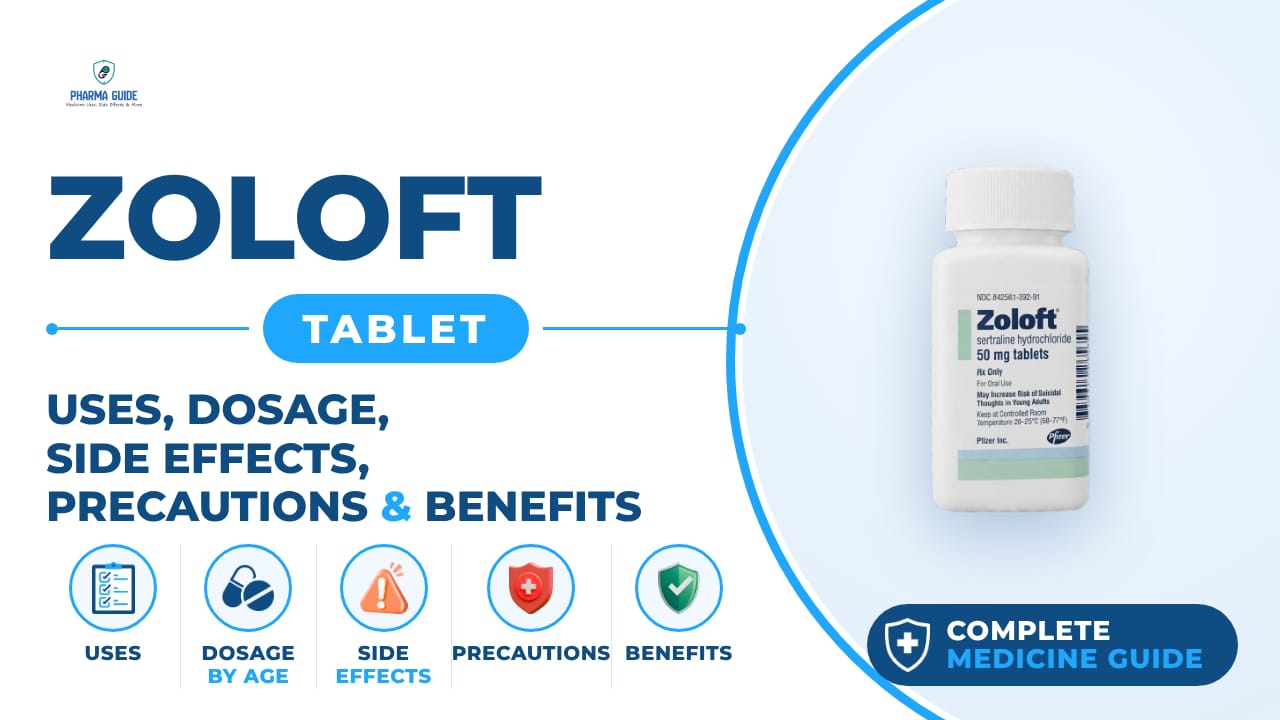
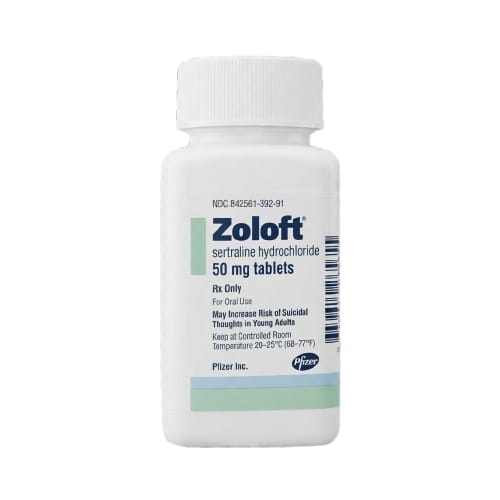
| Generic name | Sertraline |
|---|---|
| Drug class | Selective serotonin reuptake inhibitor (SSRI) |
| Forms | Tablet, Oral solution/liquid concentrate |
Quick overview
Zoloft Tablet (sertraline) is a prescription selective serotonin reuptake inhibitor (SSRI) used to treat depression, OCD, panic disorder, PTSD, social anxiety disorder, and PMDD. It works by balancing serotonin levels in the brain and nerves. Zoloft is taken once daily as directed by a doctor, and it may take several weeks to feel its full benefits. As with any medicine, it carries potential side effects and precautions that should be discussed with a healthcare provider.
What is Zoloft Tablet
Zoloft is a prescription antidepressant that belongs to a group of medicines called selective serotonin reuptake inhibitors (SSRIs). It works by balancing serotonin levels in the brain and nerves.
Zoloft Tablet uses
- Major depressive disorder (depression)
- Obsessive-compulsive disorder (OCD)
- Panic disorder
- Post-traumatic stress disorder (PTSD)
- Social anxiety disorder (SAD)
- Premenstrual dysphoric disorder (PMDD)
Benefits of Zoloft Tablet
- Improves mood, sleep, appetite, and energy levels
- Reduces anxiety, fear, and unwanted thoughts
- Can reduce the intensity and frequency of panic attacks
- Can improve sleep quality and decrease avoidance behaviors in PTSD
- Can reduce physical pain from cramps and improve emotional well-being in PMDD
- Can boost self-confidence in social anxiety disorder
- Can reduce compulsions and obsessions in OCD
How Zoloft Tablet works
Zoloft works by blocking the reabsorption (reuptake) of serotonin into nerve cells in the brain, which increases the amount of serotonin available. Serotonin is a brain chemical that helps regulate mood and emotion.
Zoloft Tablet dosage
Take Zoloft exactly as prescribed by your doctor and follow all directions on your prescription label. Take with or without food, at the same time each day. If diluting the oral liquid, use only water, ginger ale, lemon/lime soda, lemonade, or orange juice, and take the dose right away after mixing—do not mix it in advance. Measure the liquid form with the supplied syringe or dose-measuring device, not a kitchen spoon. Swallow the tablet whole with a glass of water; do not crush, chew, or break it.
Do not stop using Zoloft suddenly without talking to your doctor, as this can cause unpleasant symptoms. If you miss a dose, take it as soon as you can, but skip it if it's almost time for your next dose—do not double up. It may take several weeks to feel the full benefits.
| Age group | Dose |
|---|---|
| Under 6 Years | Not recommended unless prescribed by a specialist |
| 6–17 Years | Usually started with a low dose; commonly used for certain conditions under medical supervision |
| 18–64 Years (Adults) | Usually started at 1 tablet daily (strength depends on prescription), with dose adjustment if needed |
| 65+ Years (Older Adults) | Usually started with a lower dose and adjusted carefully |
Available forms and strengths
- Tablet
- Oral solution/liquid concentrate
Side effects of Zoloft Tablet
Common
- Nausea
- Diarrhea or loose stools
- Indigestion
- Loss of appetite
- Nose bleeds
- Increased sweating
- Tiredness, sleep problems, insomnia
- Anxiety
- Loss of bladder control
- Tremors or agitation
- Sexual problems
- Dry mouth
- Headache
- Dizziness
- Constipation
Serious
- Suicidal thoughts or behavior
- Serotonin syndrome (agitation, hallucinations, fever, sweating, shivering, fast heart rate, muscle stiffness, twitching, loss of coordination, nausea, vomiting, diarrhea)
- Unusual bleeding or bruising
- Seizures
- Vision changes, eye pain, redness, or swelling
- Low blood sodium (headache, confusion, problems with thinking or memory, weakness, feeling unsteady)
- Manic episodes (racing thoughts, increased energy, unusual risk-taking behavior, extreme happiness, irritability, talkativeness)
- Severe allergic reaction (skin rash or hives, difficulty breathing, swelling of face, lips, tongue, or throat)
Warnings and precautions
- Taking Zoloft during pregnancy could harm the baby and may cause withdrawal symptoms or a serious lung problem in the baby at birth.
- Taking it in the month before delivery may also increase the risk of severe bleeding after childbirth. Do not start or stop Zoloft without asking your doctor if you are pregnant.
- Ask a doctor before breastfeeding while using Zoloft.
- Tell your doctor if you have kidney disease before taking Zoloft.
- The use of Zoloft in patients with liver disease should be approached with caution, as it can affect how the drug is processed in the body. Zoloft is not recommended for people with moderate or severe liver impairment.
- Drinking alcohol with this medicine can cause side effects such as increased dizziness or drowsiness.
- Avoid driving or hazardous activity until you know how Zoloft will affect you, since your reactions could be impaired.
- Do not stop taking Zoloft without your doctor's advice, as stopping suddenly can cause unpleasant symptoms.
- People with depression or mental illness may have thoughts of suicide. Some young people may have increased suicidal thoughts when first starting this medicine. Tell your doctor right away about any sudden changes in mood or behavior, or thoughts about suicide.
- Do not use Zoloft if you have used an MAO inhibitor in the past 14 days, as a dangerous drug interaction could occur.
- Zoloft can increase the risk of bleeding, especially when combined with NSAIDs like aspirin, ibuprofen, or naproxen, or with blood thinners.
- Zoloft can cause a serious heart problem, and the risk may be higher if combined with certain other medicines.
Storage
- Store tightly closed at room temperature, away from moisture and heat
- Store at room temperature between 20°C to 25°C
- Keep away from direct heat, sunlight, and moisture
- Keep the bottle tightly closed
- Keep out of reach of children
When to see a doctor
- Seek medical attention right away if you have symptoms of serotonin syndrome, such as agitation, hallucinations, fever, sweating, shivering, fast heart rate, muscle stiffness, twitching, loss of coordination, nausea, vomiting, or diarrhea.
- Get emergency medical help if you have signs of an allergic reaction: skin rash or hives (with or without fever or joint pain), difficulty breathing, or swelling of your face, lips, tongue, or throat.
- Call your doctor at once if you have unusual bleeding or bruising, a seizure, vision changes, eye pain, redness or swelling, signs of low blood sodium, or signs of a manic episode.
- Report any new or worsening symptoms to your doctor, such as mood or behavior changes, anxiety, panic attacks, trouble sleeping, or feeling impulsive, irritable, agitated, hostile, aggressive, restless, hyperactive, more depressed, or having thoughts about suicide or hurting yourself.
Alternatives
- Fluoxetine
- Venlafaxine
- Mirtazapine
Watch the video
FAQs
What is Zoloft Tablet used for?
Zoloft is used to treat major depressive disorder, obsessive-compulsive disorder, panic disorder, PTSD, social anxiety disorder, and premenstrual dysphoric disorder.
How does Zoloft work?
Zoloft works by blocking the reabsorption of serotonin into nerve cells in the brain, increasing the amount of serotonin available to help regulate mood and emotion.
How should Zoloft Tablet be taken?
Zoloft should be taken exactly as prescribed, with or without food, at the same time each day. Tablets should be swallowed whole with water and not crushed, chewed, or broken.
What are the common side effects of Zoloft?
Common side effects include nausea, diarrhea, indigestion, loss of appetite, nose bleeds, increased sweating, tiredness, sleep problems, anxiety, tremors, sexual problems, dry mouth, headache, dizziness, and constipation.
Can Zoloft be taken during pregnancy?
Taking Zoloft during pregnancy could harm the baby and may cause withdrawal symptoms or a serious lung problem at birth, and taking it in the month before delivery may increase the risk of severe bleeding after childbirth, so it should not be started or stopped without a doctor's advice.
General information, not medical advice
Your prescriber and the leaflet in your pack know your situation. This page does not.
- Follow your prescriber and the leaflet
- Don't start, stop, or change a dose on your own
- Doses and warnings differ by country and product
Sources
- https://www.drugs.com/zoloft.html
- https://www.marham.pk/medicines/zoloft-tablet
- https://www.helpguide.org/mental-health/treatment/zoloft-for-anxiety
- DailyMed - ZOLOFT sertraline hydrochloride tablet, film coated
Video
Related medicines
Sertraline Capsule: Uses, Dosage, Side Effects, Precautions and Alternates
Selective serotonin reuptake inhibitor (SSRI)
Sertraline Capsule (SSRI) treats depression, OCD, panic disorder, PTSD, social anxiety, and PMDD. Learn dosage, side effects, and warnings before use.
Celexa Tablet: Uses, Dosage, Side Effects, Precautions and Alternates
selective serotonin reuptake inhibitor (SSRI)
Celexa Tablet (citalopram) treats major depressive disorder in adults by boosting serotonin. Learn about uses, dosage forms, side effects, and warnings.