
Safety
General information, not medical advice
Your prescriber and the leaflet in your pack know your situation. This page does not.
- Follow your prescriber and the leaflet
- Don't start, stop, or change a dose on your own
- Doses and warnings differ by country and product
Abilify Tablet: Uses, Dosage, Side Effects, Precautions and Alternates
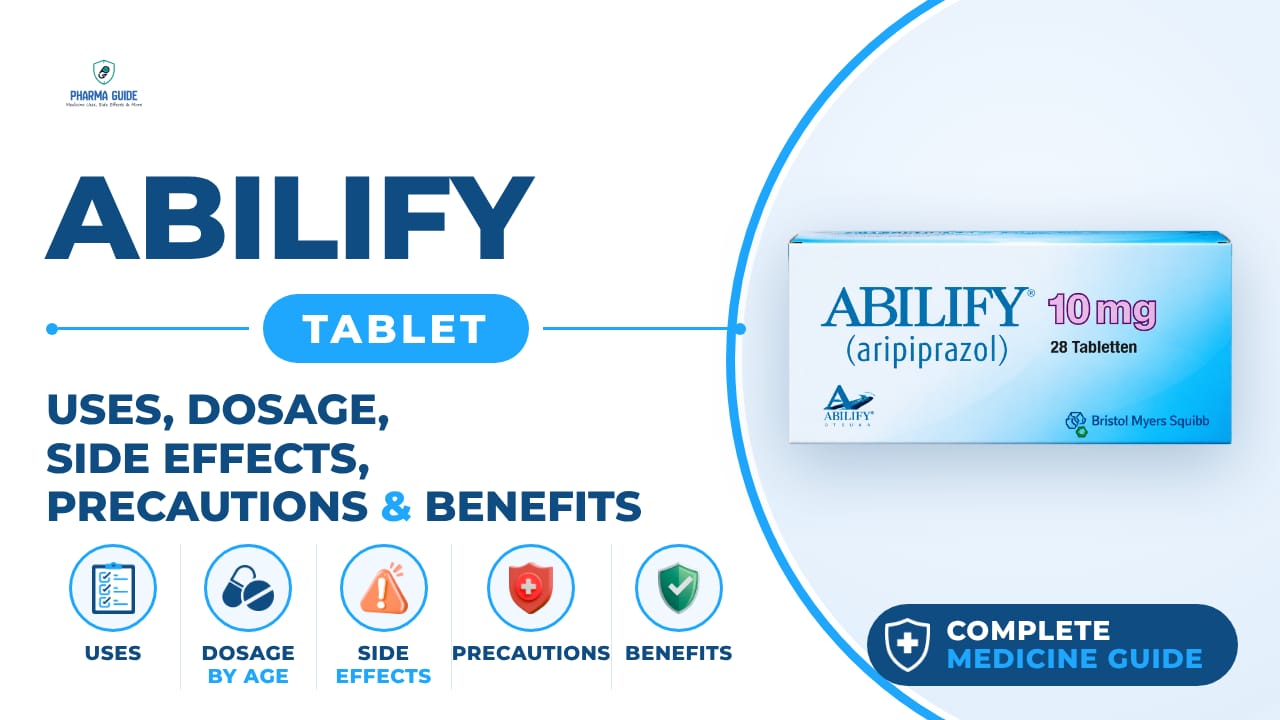
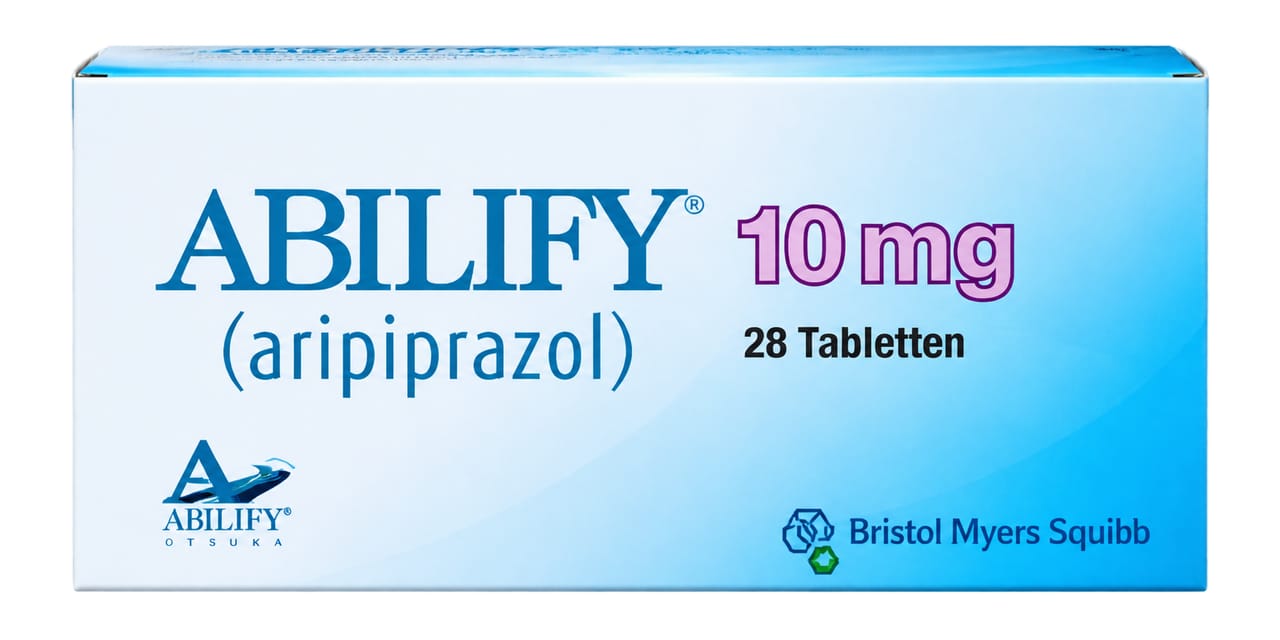
| Generic name | aripiprazole |
|---|---|
| Drug class | Antipsychotics, Second Generation, Antimanic Agents |
| Forms | Tablet, Orally disintegrating tablet, Oral solution, Injection (for intramuscular use) |
Quick overview
Abilify Tablet (aripiprazole) is a prescription antipsychotic medicine used to treat schizophrenia, manic or mixed episodes of Bipolar I Disorder, major depressive disorder (with an antidepressant), irritability associated with autistic disorder, and Tourette's disorder. It works by acting on dopamine and serotonin receptors in the brain to help balance chemical activity linked to mood, thoughts, and behavior. It is available in tablet, orally disintegrating tablet, oral solution, and injection forms, and should be used exactly as prescribed.
What is Abilify Tablet
Abilify is a prescription medicine that changes brain chemical activity. It belongs to a group of medicines called atypical antipsychotics and is used to treat several mental health conditions.
Abilify Tablet uses
- Schizophrenia
- Manic or mixed episodes of Bipolar I Disorder
- Major depressive disorder (used together with an antidepressant medicine)
- Irritability associated with autistic disorder
- Tourette's disorder
Benefits of Abilify Tablet
- Can reduce psychotic symptoms such as hallucinations and disorganized thinking in schizophrenia
- Can reduce manic symptoms in Bipolar I Disorder
- Can help improve depression symptoms when added to an antidepressant
- Can reduce irritability behaviors like tantrums and aggression in autistic disorder
- Can reduce tic severity in Tourette's disorder
How Abilify Tablet works
Abilify is thought to work by acting on dopamine and serotonin receptors in the brain, partly activating some receptors while blocking others, which helps balance brain chemical activity linked to mood, thoughts, and behavior.
Abilify Tablet dosage
Take exactly as your healthcare provider tells you to take it; do not change the dose or stop taking it yourself. It can be taken with or without food. Tablets should be swallowed whole. If you miss a dose, take it as soon as you remember, but if it is almost time for the next dose, skip the missed dose and continue your regular schedule. Do not take two doses at the same time.
| Age group | Dose |
|---|---|
| Under 6 Years | Not recommended unless prescribed by a doctor |
| 6–17 Years | Usually 2 mg/day initially; adjusted based on condition |
| Adults (18–64 Years) | Usually 10–15 mg/day; adjusted according to response |
| Older Adults (65+ years) | Usually lower starting dose may be considered; adjusted carefully |
Available forms and strengths
- Tablet
- Orally disintegrating tablet
- Oral solution
- Injection (for intramuscular use)
Side effects of Abilify Tablet
Common
- Dizziness
- Lightheadedness
- Drowsiness
- Weakness
- Nausea
- Vomiting
- Stomach upset
- Tiredness
- Excess saliva or drooling
- Choking or trouble swallowing
- Blurred vision
- Headache
- Anxiety
- Weight gain
- Sleep problems (insomnia)
- Constipation
Serious
- Severe agitation or distress
- Feeling restless
- Twitching or uncontrollable movements of eyes, lips, tongue, face, arms or legs
- Mask-like appearance of the face
- Trouble swallowing
- Speech problems
- Seizure (convulsions)
- Thoughts of suicide or self-harm
- Stiff or rigid muscles
- High fever
- Sweating
- Confusion
- Fast or uneven heartbeats
- Tremors (shaking)
- Feeling lightheaded
- Chills
- Sore throat
- Mouth sores
- Skin sores
- Cough
- Difficulty breathing
- Increased thirst
- Increased urination
- Dry mouth
- Fruity breath odor
- Tardive dyskinesia (involuntary, repetitive movements)
- Neuroleptic malignant syndrome
- Muscle spasms
- Fainting
- Mental/mood changes (such as increased anxiety, depression, suicidal thoughts)
- Restlessness (especially in the legs)
- Signs of infection (such as fever, persistent sore throat)
- Stroke or mini-stroke
- Low white blood cell count
- High blood sugar/diabetes
- Unusual urges such as gambling or increased sexual urges
Warnings and precautions
- Elderly people with dementia-related confusion and memory loss who take this type of medicine have a higher risk of death, including from stroke-like events. This medicine is not approved for that use.
- Antidepressant medicines can increase suicidal thoughts and actions in children, teenagers, and young adults, especially in the first few months of treatment or after a dose change.
- A rare but life-threatening reaction called neuroleptic malignant syndrome can occur, with symptoms like high fever, stiff muscles, confusion, and irregular heartbeat.
- This medicine can cause uncontrollable body movements (tardive dyskinesia) that may not go away even after stopping the medicine.
- This medicine can cause high blood sugar and diabetes, sometimes severe. People with diabetes or risk factors should have blood sugar checked before and during treatment.
- Some people taking this medicine have developed intense urges they cannot control, such as gambling, binge eating, shopping, or increased sexual urges.
- This medicine can cause a drop in blood pressure when standing up, which may cause dizziness or fainting.
- This medicine may affect the body's ability to regulate temperature, increasing risk of overheating or dehydration in hot weather or during strenuous exercise.
- Babies born to mothers who take this medicine in the last three months of pregnancy may have withdrawal or movement symptoms after birth. Tell your doctor if you become pregnant or plan to become pregnant.
- This medicine passes into breast milk and may affect milk supply. Talk to your doctor about the best way to feed your baby if you are taking this medicine.
- No dose changes are generally needed for people with kidney problems, but talk to your doctor about your specific situation.
- No dose changes are generally needed for people with mild to severe liver problems, but your doctor should manage your dose carefully.
- Avoid drinking alcohol while taking this medicine because it can increase the risk of side effects like drowsiness and dizziness.
- This medicine may make you drowsy or affect your coordination. Do not drive or operate machinery until you know how it affects you.
Storage
- Store at room temperature, between 68°F to 77°F (20°C to 25°C)
- Keep out of the reach of children
When to see a doctor
- Get medical help right away if you have severe agitation, uncontrollable movements, trouble swallowing, seizures, high fever, muscle stiffness, confusion, or fast/uneven heartbeats.
- Call your healthcare provider right away if you or a family member has new or worsening depression, anxiety, agitation, panic attacks, irritability, aggression, or thoughts of suicide.
- Seek emergency care for serious eye symptoms like sudden vision loss, eye pain, or seeing halos around lights.
- Seek emergency care for serious heart symptoms such as fast, irregular, or pounding heartbeats, fluttering in the chest, shortness of breath, or sudden dizziness or passing out.
- Seek emergency care for severe headache, confusion, slurred speech, arm or leg weakness, trouble walking, loss of coordination, very stiff muscles, high fever, profuse sweating, or tremors, which may be signs of a stroke or serious reaction.
- Call your healthcare provider if you have symptoms of high blood sugar such as being very thirsty, urinating often, feeling very hungry, feeling weak or confused, or having fruity-smelling breath.
Alternatives
- Seroquel
- Invega
- Rexulti
Watch the video
FAQs
What is Abilify Tablet used for?
Abilify Tablet is used to treat schizophrenia, manic or mixed episodes of Bipolar I Disorder, major depressive disorder (together with an antidepressant), irritability associated with autistic disorder, and Tourette's disorder.
How does Abilify Tablet work?
It works by acting on dopamine and serotonin receptors in the brain, partly activating some receptors while blocking others, which helps balance brain chemical activity linked to mood, thoughts, and behavior.
What forms does Abilify come in?
Abilify is available as a tablet, orally disintegrating tablet, oral solution, and an injection for intramuscular use.
What are the common side effects of Abilify Tablet?
Common side effects include dizziness, lightheadedness, drowsiness, weakness, nausea, vomiting, stomach upset, tiredness, excess saliva, blurred vision, headache, anxiety, weight gain, insomnia, and constipation.
Can I drink alcohol while taking Abilify Tablet?
You should avoid drinking alcohol while taking this medicine because it can increase the risk of side effects like drowsiness and dizziness.
General information, not medical advice
Your prescriber and the leaflet in your pack know your situation. This page does not.
- Follow your prescriber and the leaflet
- Don't start, stop, or change a dose on your own
- Doses and warnings differ by country and product
Sources
Video
Related medicines

Injectafer Injection: Uses, Dosage, Side Effects, Precautions and Alternates
Iron products
Injectafer (ferric carboxymaltose) treats iron deficiency anemia and heart failure-related iron deficiency via IV. Learn uses, dosage, side effects, and

Gliclazide Tablet: Uses, Dosage, Side Effects, Precautions and Alternates
Sulfonylurea (hypoglycemic/antidiabetic agent)
Gliclazide Tablet is a sulfonylurea for type 2 diabetes that boosts insulin release. Learn about dosage, side effects, warnings, and precautions.