
Safety
General information, not medical advice
Your prescriber and the leaflet in your pack know your situation. This page does not.
- Follow your prescriber and the leaflet
- Don't start, stop, or change a dose on your own
- Doses and warnings differ by country and product
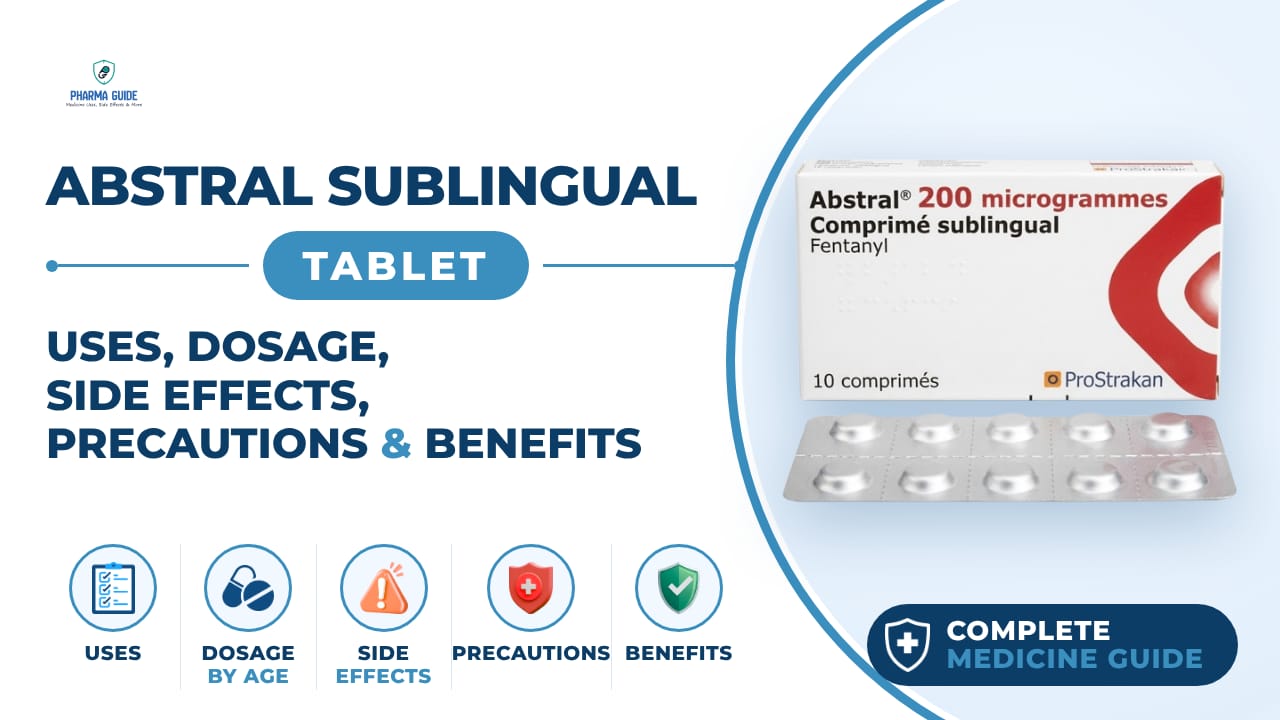
Abstral Sublingual Tablet: Uses, Dosage, Side Effects, Precautions and Alternates
| Generic name | Fentanyl citrate |
|---|---|
| Drug class | Opioid Analgesic |
| Forms | Tablet |
Quick overview
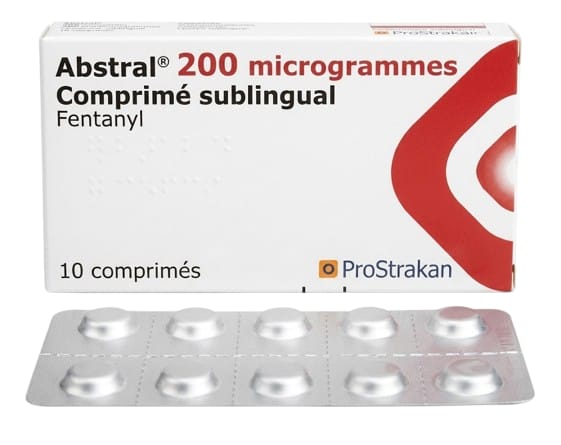
Abstral Sublingual Tablet contains fentanyl citrate, a strong opioid analgesic. It is used to treat sudden flares of severe pain (breakthrough pain) in adults with cancer who are already taking regular around-the-clock opioid medicine for their constant cancer pain. The tablet is placed under the tongue and allowed to dissolve, releasing medicine directly into the bloodstream through the lining of the mouth. It is not meant for short-term pain such as headache, migraine, dental pain, or pain after surgery.
What is Abstral Sublingual Tablet
Abstral is a strong, fast-acting opioid painkiller containing fentanyl. It is a sublingual tablet, meaning it is placed under the tongue and allowed to dissolve, releasing medicine directly into the bloodstream through the lining of the mouth.
Abstral Sublingual Tablet uses
- Treating sudden flares of severe pain (breakthrough pain) in adults with cancer who are already taking regular around-the-clock opioid medicine for their constant cancer pain
- Not for short-term pain such as headache, migraine, dental pain, or pain after surgery
Benefits of Abstral Sublingual Tablet
- Provides rapid relief from breakthrough cancer pain
- Helps manage sudden pain flares
- May improve comfort during severe pain episodes
How Abstral Sublingual Tablet works
Abstral contains fentanyl, an opioid that works by acting on specific nerve cells in the spinal cord and brain to block pain signals. The tablet dissolves quickly under the tongue, allowing the fentanyl to pass rapidly into the bloodstream.
Abstral Sublingual Tablet dosage
Place the tablet on the floor of the mouth under the tongue, as far back as possible, immediately after removing it from the blister pack. Let the tablet dissolve completely; do not cut, chew, break, crush, suck, or swallow it. Do not eat or drink anything until the tablet has fully dissolved and can no longer be felt in the mouth. If the mouth is dry, a sip of water may be used to moisten it before placing the tablet, then spit out or swallow the water.
Only take this medicine if already taking another opioid medicine regularly around-the-clock for persistent cancer pain for at least a week. Use only one dose per episode of breakthrough pain in most product versions, and wait at least 2 hours before treating another episode. Do not use for more than four episodes of breakthrough pain per day without talking to the prescriber. Do not use the tablet if it is broken or damaged. Keep taking the regular around-the-clock opioid medicine for persistent pain while using this medicine.
Elderly patients should be started cautiously and dose changes made slowly because of a greater chance of reduced liver, kidney, or heart function.
| Age group | Dose |
|---|---|
| Under 18 years | Not recommended |
| 18–64 years | 100 mcg, initial dose |
| 65+ years | 100 mcg, initial dose |
Available forms and strengths
- Tablet
Side effects of Abstral Sublingual Tablet
Common
- Nausea
- Vomiting
- Constipation
- Somnolence (sleepiness)
- Headache
- Dizziness
- Fatigue
- Insomnia
- Dry mouth
- Sweating
- Itching
- Weakness or poor coordination
- Low sex drive, impotence, infertility
Serious
- Life-threatening or fatal slow/shallow breathing (respiratory depression)
- Severe drowsiness or sedation progressing to coma
- Allergic reaction such as rash, hives, swelling of face/lips/tongue/throat, difficulty breathing or swallowing
- Serotonin syndrome (agitation, fast heartbeat, muscle twitching, sweating, diarrhea, hallucinations)
- Adrenal insufficiency (nausea, vomiting, weakness, dizziness, low blood pressure)
- Fast, slow, or irregular heartbeat
- Severe low blood pressure causing fainting
- Bowel blockage (severe constipation, abdominal pain, nausea)
- Withdrawal symptoms if stopped suddenly
- Seizures
- Opioid addiction, abuse, misuse, overdose, and death
Warnings and precautions
- This medicine must never be used unless already regularly taking another opioid medicine for cancer pain, because it can cause life-threatening slow or stopped breathing in people whose bodies are not used to opioids.
- The tablet must be allowed to dissolve completely under the tongue; cutting, chewing, crushing, sucking, or swallowing it can cause dangerous effects including death.
- Even a single accidental dose, especially in a child, can cause a fatal overdose.
- Using this medicine with alcohol, benzodiazepines, or other drugs that depress the central nervous system can cause severe sedation, slowed breathing, coma, or death.
- This medicine carries a real risk of addiction, abuse, and misuse even when taken exactly as prescribed, which can lead to overdose and death.
- This medicine should never be given to anyone else, as it could cause serious harm or death, particularly in someone who has not built up tolerance to opioids.
- Taking this medicine with certain antidepressants or migraine medicines can cause a rare but potentially life-threatening reaction called serotonin syndrome.
- This medicine must not be used with or within 14 days of monoamine oxidase inhibitor (MAOI) medicines, because this combination can cause severe, unpredictable reactions.
- This medicine is not recommended during pregnancy unless the doctor decides the benefits outweigh the risks, because it can cause serious or life-threatening withdrawal symptoms in the newborn baby.
- This medicine should not be used while breastfeeding because it passes into breast milk and can seriously harm the baby. Breastfeeding should not restart until at least 5 days after the last dose.
- This medicine should be used with extra caution in people with kidney problems, as the body may clear the medicine more slowly.
- This medicine should be used with caution in people with liver problems, as the body may clear the medicine more slowly, increasing the risk of side effects.
- Alcohol must be avoided while taking this medicine, because combining the two can cause dangerous breathing problems or death.
- This medicine can affect alertness and physical ability, so driving or operating machinery should be avoided until it is known how the medicine affects you.
Storage
- Store at room temperature between 15°C and 30°C (59-86°F)
- Store in the original packaging/blister to protect from moisture
- Do not use if the blister package has been opened
- Use the tablet right away once the blister is opened
- Keep in a safe, secure, locked place out of the sight and reach of children and pets to prevent theft, misuse, or accidental exposure
- Never dispose of in household trash; use a pharmacy take-back program or flush unused tablets down the toilet as instructed by the specific product labeling
- If temporary storage before disposal is needed, use a sealed child-proof container such as a lockable medication box
When to see a doctor
- Get emergency help right away if breathing becomes slow, shallow, or weak, or if there is extreme drowsiness, confusion, fainting, or difficulty waking up — these can be signs of a dangerous overdose.
- Seek emergency medical help for a baby born to a mother who used this medicine if the baby has breathing changes, is unusually hard to comfort, has tremors, or has increased stools, sneezing, yawning, vomiting, or fever — these can be signs of life-threatening neonatal withdrawal.
- Get medical help immediately for signs of a severe allergic reaction such as rash, hives, swelling of the face, lips, tongue, or throat, or difficulty breathing or swallowing.
- Seek medical help right away for symptoms of serotonin syndrome, including agitation, hallucinations, fever, sweating, fast heartbeat, muscle stiffness or twitching, loss of coordination, nausea, vomiting, or diarrhea.
- If an overdose is suspected, call emergency services or a poison control center right away, even if there are no symptoms yet, and try to remove any remaining tablet from the mouth.
Alternatives
- Effentora
- Breakyl
- PecFent
Watch the video
FAQs
What is Abstral Sublingual Tablet used for?
It treats sudden flares of severe pain (breakthrough pain) in adults with cancer who are already taking regular around-the-clock opioid medicine for their constant cancer pain. It is not meant for short-term pain such as headache, migraine, dental pain, or pain after surgery.
How should Abstral Sublingual Tablet be taken?
Place the tablet on the floor of the mouth under the tongue, as far back as possible, right after removing it from the blister. Let it dissolve completely without cutting, chewing, crushing, sucking, or swallowing it, and avoid eating or drinking until it has fully dissolved.
How many doses of Abstral can be used in a day?
Use only one dose per episode of breakthrough pain, wait at least 2 hours before treating another episode, and do not use more than four episodes per day without talking to the prescriber.
What are the serious side effects of Abstral Sublingual Tablet?
Serious risks include life-threatening or fatal slow/shallow breathing, severe sedation progressing to coma, allergic reactions, serotonin syndrome, adrenal insufficiency, irregular heartbeat, severe low blood pressure, bowel blockage, withdrawal symptoms, seizures, and opioid addiction, misuse, overdose, and death.
Can Abstral be used by someone not already taking opioids?
No, it must never be used unless the person is already regularly taking another opioid medicine for cancer pain, because it can cause life-threatening slow or stopped breathing in people whose bodies are not used to opioids.
General information, not medical advice
Your prescriber and the leaflet in your pack know your situation. This page does not.
- Follow your prescriber and the leaflet
- Don't start, stop, or change a dose on your own
- Doses and warnings differ by country and product
Sources
Video
Related medicines
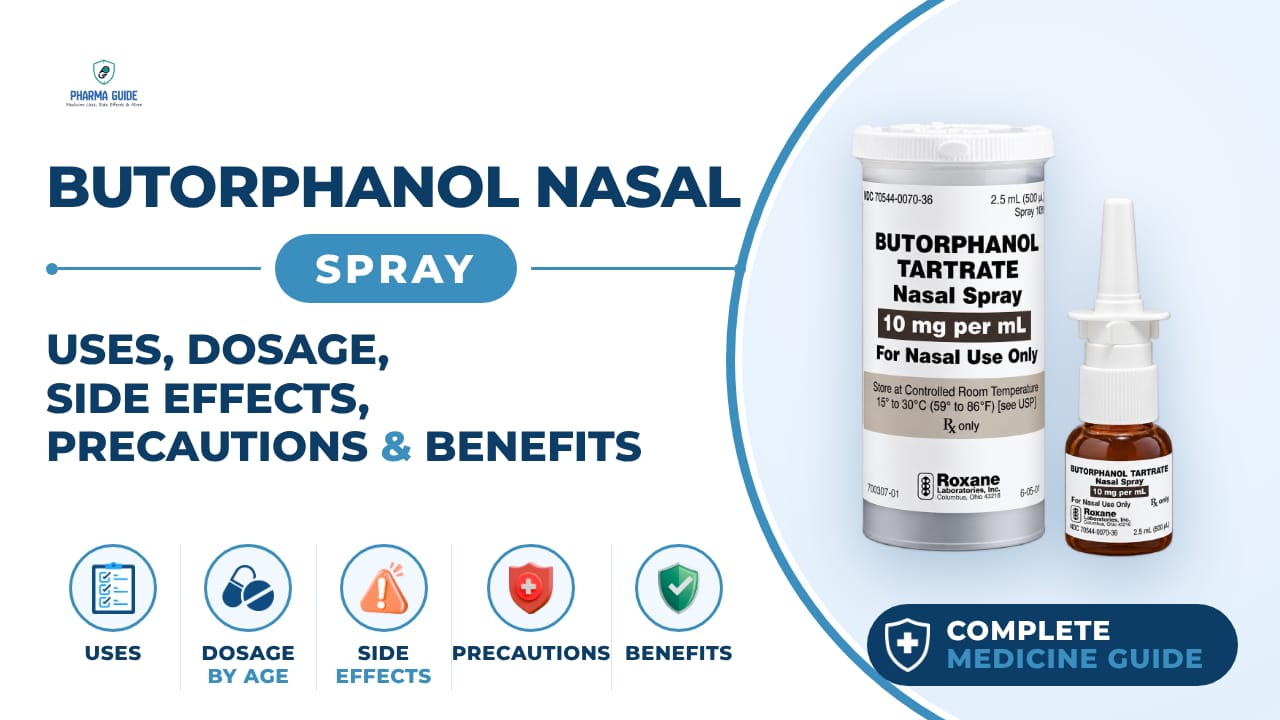
Butorphanol Nasal Spray: Uses, Dosage, Side Effects, Precautions and Alternates
Opioid analgesic
Butorphanol Nasal Spray is a prescription opioid for short-term moderate to severe pain in adults, used for up to 3 days with careful dosing.
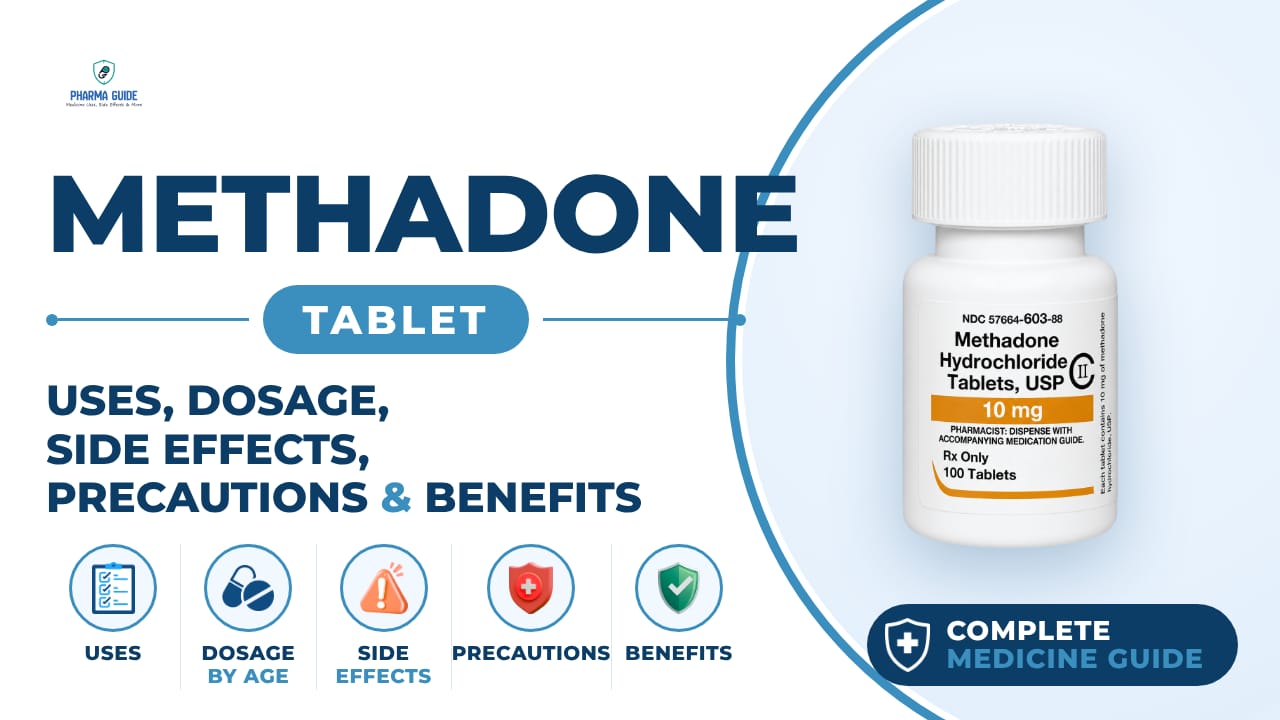
Methadone Tablet: Uses, Dosage, Side Effects, Precautions and Alternates
Opioid analgesic
Methadone Tablet is an opioid used for severe pain and opioid addiction treatment. Learn about its uses, dosage, side effects, and safety warnings.