
Safety
General information, not medical advice
Your prescriber and the leaflet in your pack know your situation. This page does not.
- Follow your prescriber and the leaflet
- Don't start, stop, or change a dose on your own
- Doses and warnings differ by country and product
Acid Reducer Tablet: Uses, Dosage, Side Effects, Precautions and Alternates
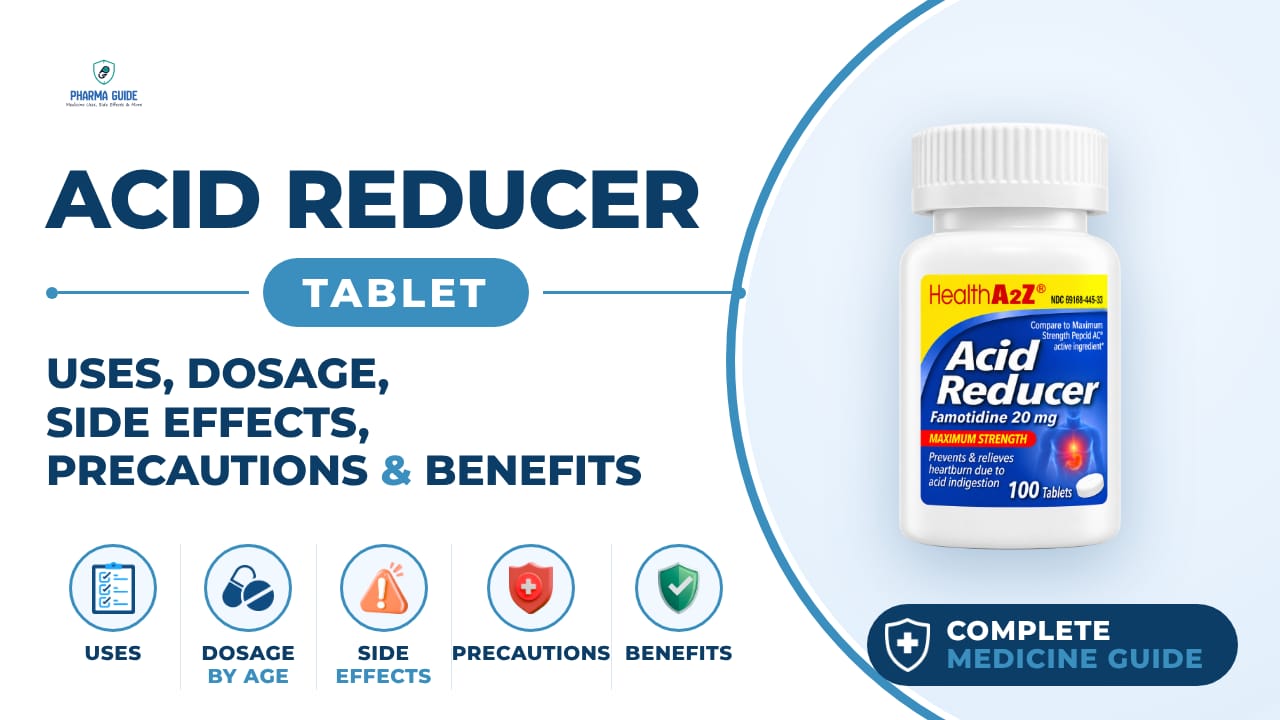
| Generic name | Ranitidine |
|---|---|
| Drug class | Histamine H2-receptor antagonist (H2 blocker) |
| Forms | Tablet (film coated) |
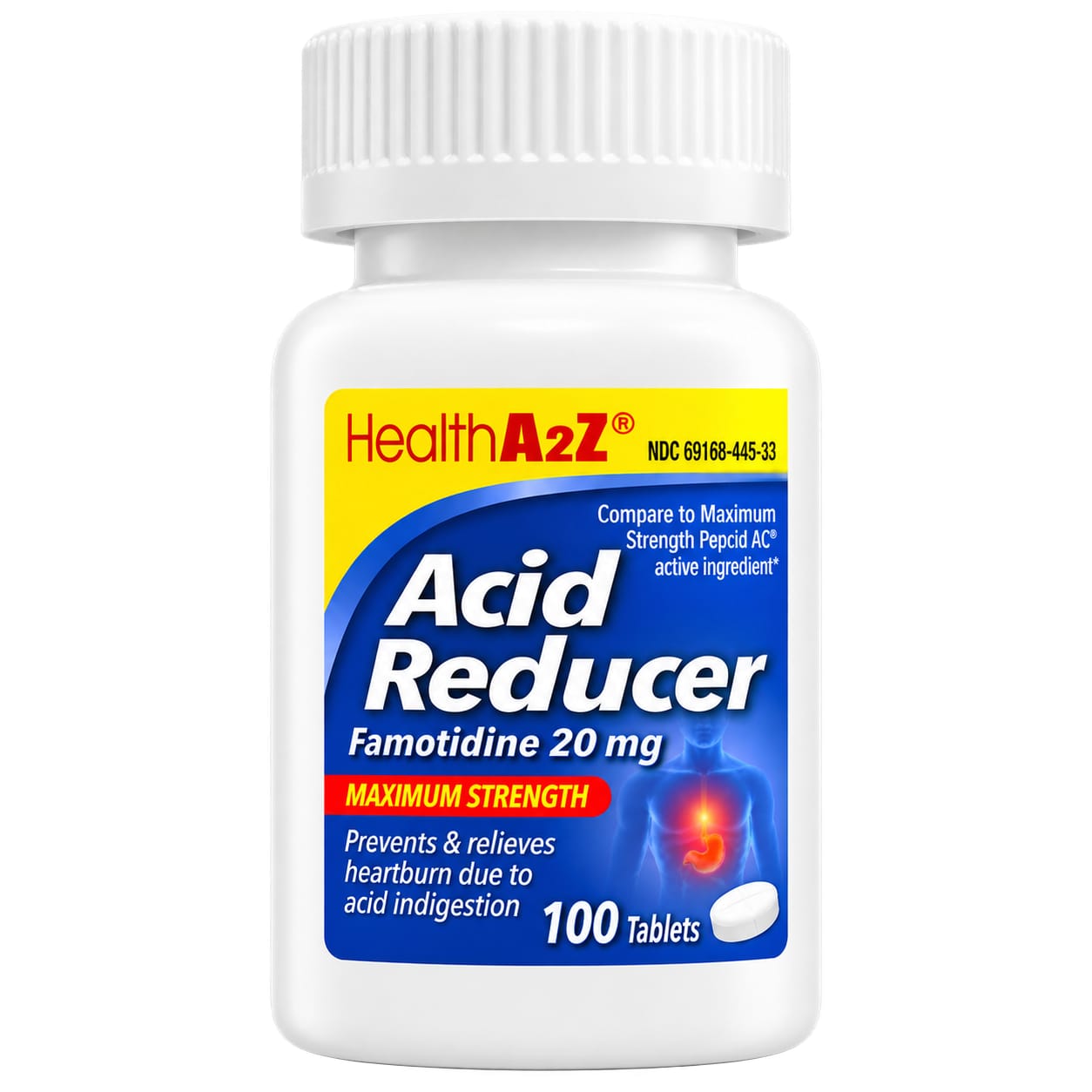
Quick overview
Acid Reducer Tablet contains ranitidine, a histamine H2-receptor antagonist (H2 blocker) available over the counter. It works by lowering the amount of acid the stomach produces, helping to relieve and prevent heartburn, acid indigestion, and sour or upset stomach caused by excess stomach acid. It can control stomach acid for up to 12 hours and is available as a film-coated tablet.
What is Acid Reducer Tablet
Acid Reducer is an over-the-counter tablet containing ranitidine, a medicine that lowers the amount of acid your stomach makes.
Acid Reducer Tablet uses
- Relieves heartburn associated with acid indigestion and sour stomach
- Prevents heartburn associated with acid indigestion and sour stomach brought on by eating or drinking certain foods and beverages
- Treats and prevents the burning and discomfort of acid indigestion (dyspepsia), heartburn, hyperacidity, sour stomach, and upset stomach caused by too much stomach acid
Benefits of Acid Reducer Tablet
- Provides fast relief of heartburn symptoms, day or night
- Can prevent heartburn when taken before eating trigger foods or drinks
- Controls stomach acid for up to 12 hours, unlike antacids which only neutralize acid already present
How Acid Reducer Tablet works
Ranitidine blocks histamine at receptors in the stomach, which reduces how much acid the stomach produces and secretes.
Acid Reducer Tablet dosage
Swallow the tablet whole with a glass of water. To relieve symptoms, take a tablet when symptoms appear, day or night. To prevent symptoms, take a tablet 30 to 60 minutes before eating food or drinking beverages that usually cause heartburn. This medicine can be used up to twice daily. Do not take antacids within 30 minutes to 1 hour of taking this medicine.
Children under 12 (or under 16, depending on product) should only use this medicine under a doctor's supervision. No special dose change is needed for elderly people, but they should be supervised by a doctor given other health conditions.
| Age group | Dose |
|---|---|
| 12–17 years | 10–20 mg for heartburn according to the specific product label; do not exceed the package directions |
| 18–39 years | 10–20 mg once or twice daily, depending on product strength and symptoms |
| 40–64 years | 10–20 mg once or twice daily |
Available forms and strengths
- Tablet (film coated)
Side effects of Acid Reducer Tablet
Common
- Headache, sometimes severe
- Nausea
- Vomiting
- Diarrhea
- Constipation
- Abdominal discomfort or pain
- Dry mouth
Serious
- Hepatitis or liver failure (yellowing of skin/eyes, dark urine, pale stools, nausea, pain under right ribs)
- Acute interstitial nephritis (kidney inflammation)
- Blood cell problems such as anemia, low white blood cells, or low platelets
- Severe allergic reaction (hives, swelling of face or mouth, difficulty breathing, wheezing, fainting)
- Serious skin reactions (blistering rash)
- Irregular, fast, or slow heartbeat
- Confusion, hallucinations, depression, or agitation, mainly in elderly or very ill patients
- Vertigo, meningitis, or involuntary movement disorders
Warnings and precautions
- Do not use this medicine if you are allergic to ranitidine or other acid reducers.
- Do not use this medicine together with other acid reducers.
- Ask a doctor before use if you have frequent chest pain, frequent wheezing (especially with heartburn), unexplained weight loss, nausea or vomiting, or stomach pain.
- Ask a doctor before use if you've had heartburn for more than 3 months, as this could be a sign of a more serious condition.
- Taking this medicine may hide symptoms of stomach cancer and delay diagnosis, so tell your doctor about swallowing problems, choking, or ongoing stomach discomfort.
- This medicine should be avoided by people with a history of porphyria, a rare blood disorder, since it may trigger an attack.
- Do not take antacids within 30 to 60 minutes of taking this medicine, as it can reduce how well the medicine is absorbed.
- The safety of this medicine during pregnancy has not been fully established. If you are pregnant, talk to a health professional before use, since the potential benefits must be weighed against possible risks.
- It's best to avoid this medicine while breastfeeding, since small amounts pass into breast milk and long-term effects on infants aren't known.
- People with severe kidney problems should only use this medicine under a doctor's supervision, since the body clears the drug more slowly and levels can build up.
- People with severe liver problems, especially combined with kidney problems, may need a lower dose and should use this medicine under medical supervision.
- Drinking a moderate amount of alcohol with this medicine is unlikely to cause a meaningful interaction with how alcohol is processed by the body.
- If this medicine makes you dizzy, drowsy, or gives you vertigo, avoid driving or operating machinery or doing tasks that require alertness.
Storage
- Store at 20° - 25°C (68° - 77°F)
- Avoid excessive heat or humidity
- Store between 15°C and 30°C
- Protect from light, excessive heat and moisture
- Keep out of reach and sight of children
- Keep the carton; it contains important information
- Do not use if the carton or printed foil under the cap is open or torn
When to see a doctor
- Stop use and see a doctor right away if you have trouble or pain swallowing food, vomiting with blood, or bloody or black stools, as these may be signs of a serious condition.
- Stop use and ask a doctor if you have heartburn along with lightheadedness, sweating, or dizziness.
- Stop use and seek medical help right away for chest or shoulder pain with shortness of breath, sweating, or pain spreading to the arms, neck, or shoulders, along with lightheadedness, as these may signal a heart problem.
- Stop use and ask a doctor if your heartburn continues or gets worse, or if you need to take this product for more than 14 days.
- If you think you've taken too much of this medicine, get medical help right away or contact your local poison control center, even if you don't notice any symptoms.
- Seek immediate medical help for signs of a serious allergic reaction, such as hives, swelling of the face or mouth, chest pain, trouble breathing, wheezing, or fainting.
- Seek immediate medical help if you notice yellowing of the skin or eyes, dark urine, pale stools, nausea, vomiting, loss of appetite, or pain under the right ribs, which could mean liver problems.
Alternatives
- Pepcid AC
- Famotidine
- Omeprazole
Watch the video
FAQs
What is the active ingredient in Acid Reducer Tablet?
It contains ranitidine, a histamine H2-receptor antagonist (H2 blocker) that lowers the amount of acid the stomach produces.
How does Acid Reducer Tablet work?
Ranitidine blocks histamine at receptors in the stomach, which reduces how much acid the stomach produces and secretes, controlling stomach acid for up to 12 hours.
How do you take Acid Reducer Tablet?
Swallow the tablet whole with a glass of water. To relieve symptoms, take it when symptoms appear; to prevent symptoms, take it 30 to 60 minutes before eating or drinking trigger foods. It can be used up to twice daily.
Can I take antacids with Acid Reducer Tablet?
No, you should not take antacids within 30 to 60 minutes of taking this medicine, as it can reduce how well the medicine is absorbed.
When should I stop using Acid Reducer Tablet and see a doctor?
Stop use and see a doctor if you have trouble or pain swallowing, vomiting with blood, bloody or black stools, heartburn that continues or worsens, or if you need the product for more than 14 days.
General information, not medical advice
Your prescriber and the leaflet in your pack know your situation. This page does not.
- Follow your prescriber and the leaflet
- Don't start, stop, or change a dose on your own
- Doses and warnings differ by country and product
Sources
Video
Related medicines
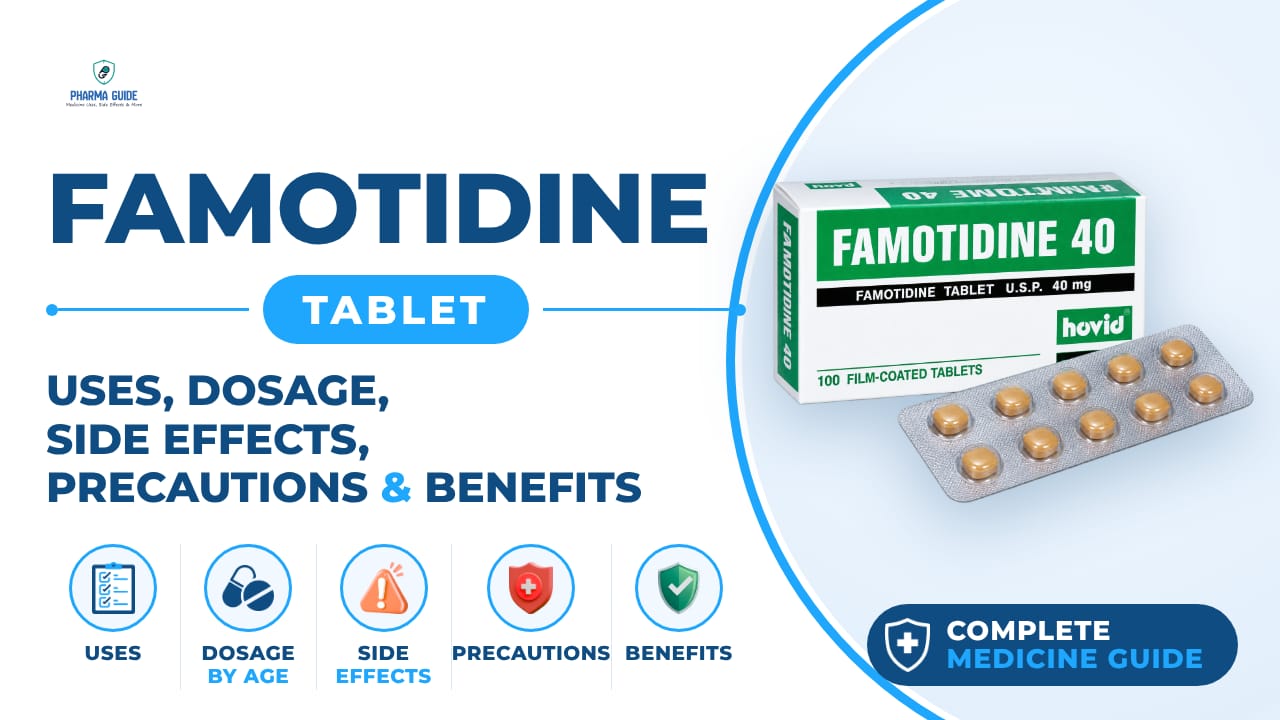
Famotidine Tablet: Uses, Dosage, Side Effects, Precautions and Alternates
Histamine H2 receptor antagonist (H2 blocker)
Famotidine Tablet is an H2 blocker that reduces stomach acid to treat ulcers, GERD, and erosive esophagitis. Learn uses, dosage, and side effects.
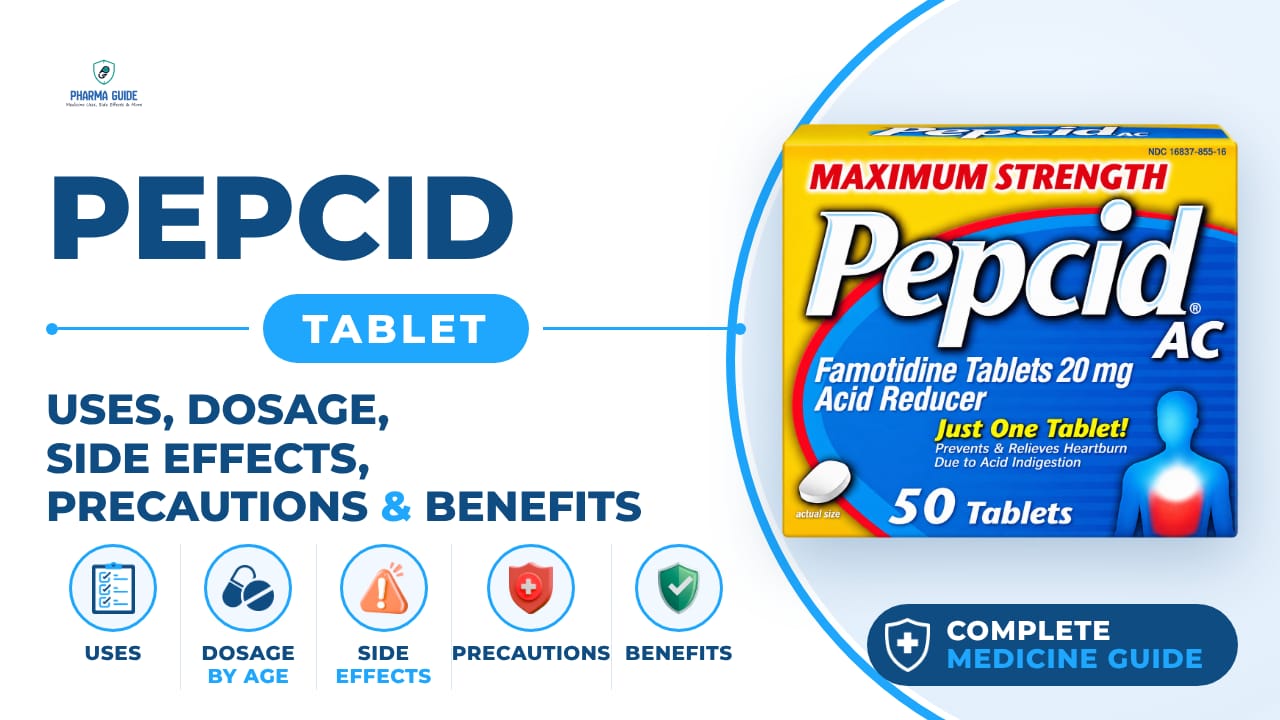
Pepcid Tablet: Uses, Dosage, Side Effects, Precautions and Alternates
Histamine H2 Receptor Antagonist (H2 blocker)
Pepcid Tablet (famotidine) reduces stomach acid to treat and prevent heartburn, acid indigestion, ulcers, and GERD. Learn dosage, side effects, and precautions.