
Safety
General information, not medical advice
Your prescriber and the leaflet in your pack know your situation. This page does not.
- Follow your prescriber and the leaflet
- Don't start, stop, or change a dose on your own
- Doses and warnings differ by country and product
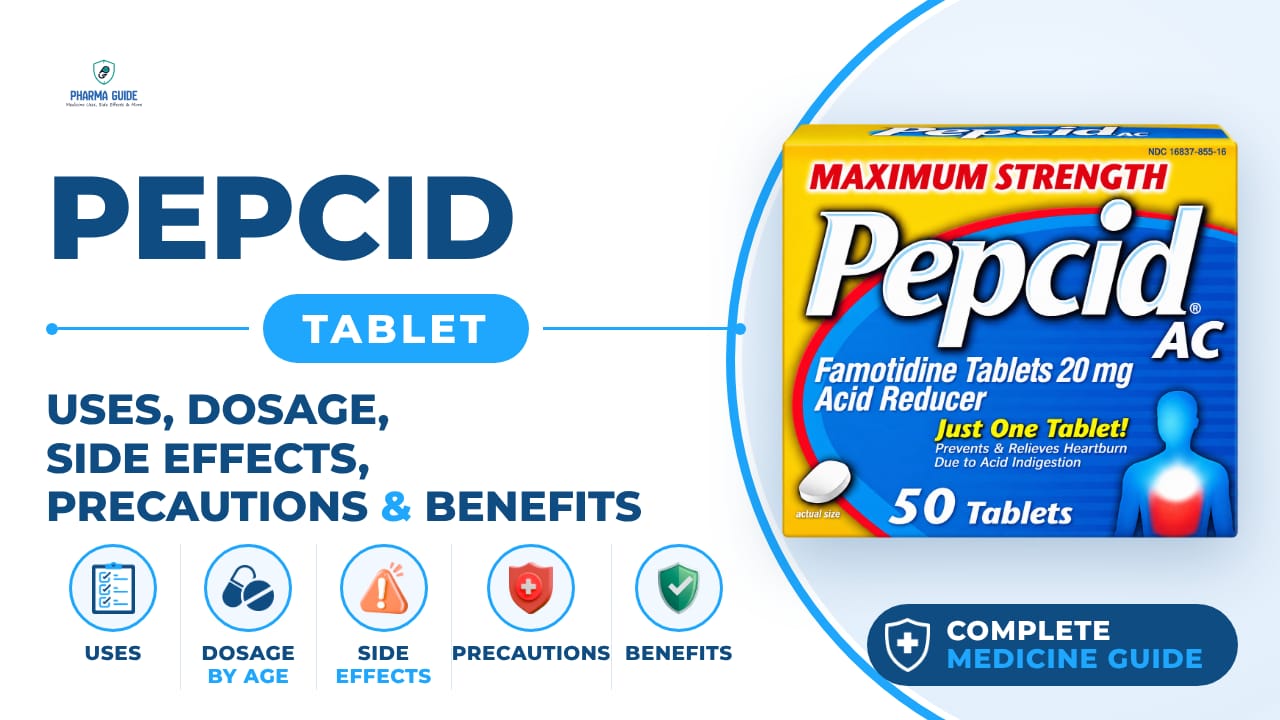
Pepcid Tablet: Uses, Dosage, Side Effects, Precautions and Alternates
| Generic name | famotidine |
|---|---|
| Drug class | Histamine H2 Receptor Antagonist (H2 blocker) |
| Forms | Film-coated tablet, Chewable tablet, Oral suspension (liquid) |
Quick overview
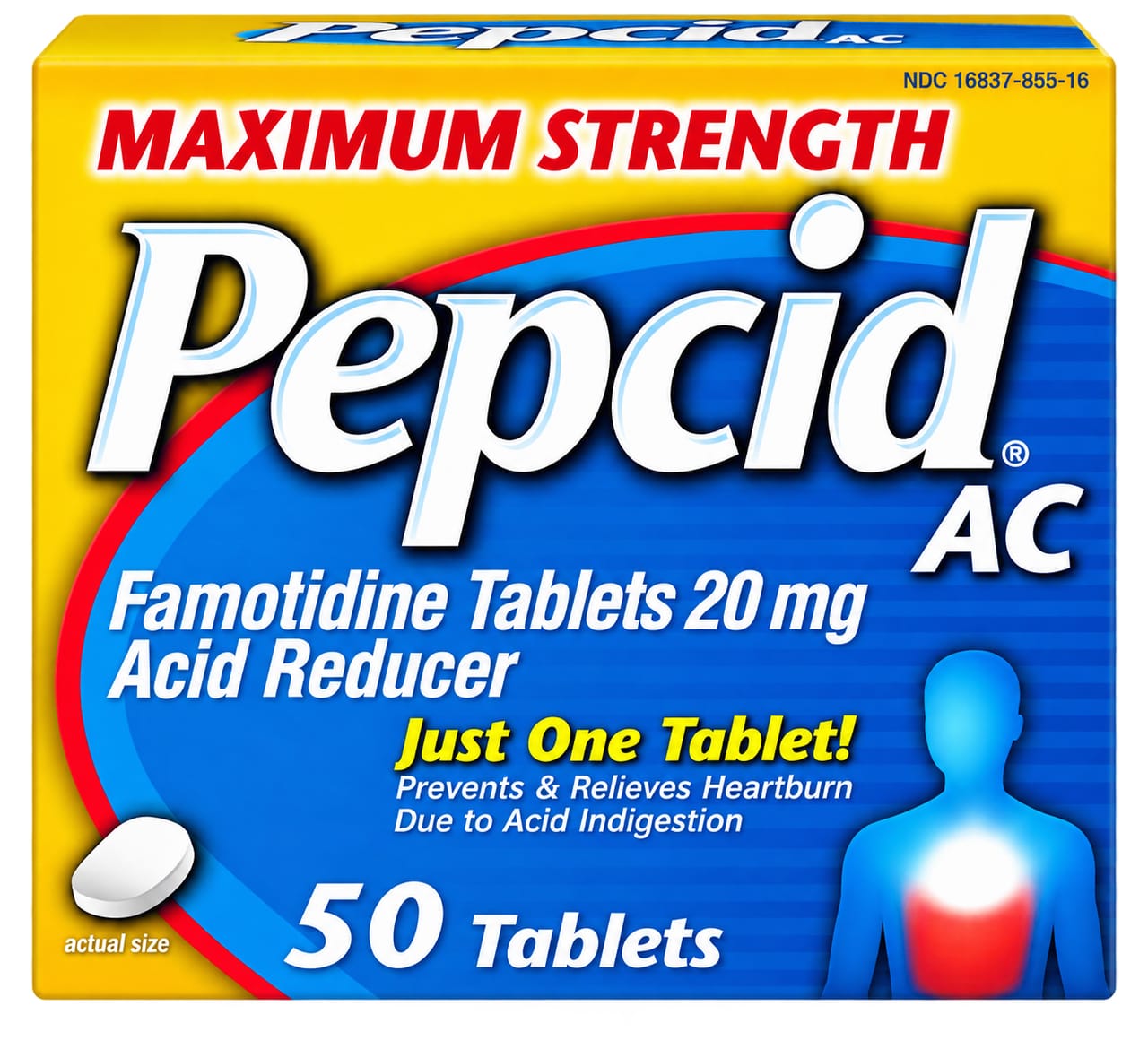
Pepcid Tablet contains famotidine, a Histamine H2 Receptor Antagonist (H2 blocker). It works by decreasing the amount of acid the stomach produces and comes as a film-coated tablet. It is used to treat and prevent acid indigestion, heartburn, upset stomach, ulcers, and conditions involving excess stomach acid, including GERD. It should not be used for more than two weeks in a row without talking to a doctor.
What is Pepcid Tablet
Pepcid is a histamine-2 blocker that works by decreasing the amount of acid the stomach produces. It is available as a film-coated tablet.
Pepcid Tablet uses
- Treatment of acid indigestion, heartburn, and sour or upset stomach where a controlled reduction of gastric secretion is needed
- Prevention of acid indigestion, heartburn, or upset stomach linked to eating or drinking, including nighttime symptoms after an evening meal
- Treatment and prevention of ulcers in the stomach and intestines
- Conditions where the stomach makes too much acid, such as Zollinger-Ellison syndrome
- Gastroesophageal reflux disease (GERD) and other conditions where acid backs up into the esophagus causing heartburn
Benefits of Pepcid Tablet
- Provides fast, effective relief from heartburn, acid indigestion and upset or sour stomach due to excess stomach acid
- Can prevent heartburn before it starts when taken 10-15 minutes before a meal
- Relieves and prevents symptoms brought on by food or drink, day or night
- One tablet before the evening meal can help prevent night-time heartburn so you can sleep through the night
How Pepcid Tablet works
Famotidine blocks histamine H2 receptors in the stomach, which reduces the amount of acid, pepsin, and fluid the stomach produces, unlike antacids which only neutralize acid that is already there.
Pepcid Tablet dosage
The tablet should be swallowed whole with a glass of water. For prevention of symptoms, take it before eating food or drinking beverages that cause heartburn. It may be taken with or without food. You may repeat a dose if symptoms return, but do not exceed the maximum number of tablets in 24 hours. Do not use together with another acid reducer, although antacids may be taken at the same time if needed. This medicine is not for use in children under 12 years of age, and therapy should not continue for more than two weeks without talking to a doctor. If using the liquid form, measure the dose carefully with a dosing syringe or medicine dose-measuring device, not a kitchen spoon.
| Age group | Dose |
|---|---|
| Under 1 year | Doctor's advice required |
| 1–11 years | Dose determined by doctor based on the condition |
| 12 years & older | 10–20 mg once or twice daily |
| Adults | 10–20 mg once or twice daily |
Available forms and strengths
- Film-coated tablet
- Chewable tablet
- Oral suspension (liquid)
Side effects of Pepcid Tablet
Common
- Headache
- Dizziness
- Constipation or diarrhea
- Stomach pain, diarrhea, dry mouth, nausea, and vomiting (very rare)
- Dizziness and sleepiness (very rare)
Serious
- Allergic reactions such as rash, hives, swelling, itching, and difficulty breathing
- Confusion, hallucinations, agitation, lack of energy
- A seizure
- Fast or pounding heartbeats, sudden dizziness like you might pass out
- Unexplained muscle pain, tenderness, or weakness, especially with fever, unusual tiredness, and dark colored urine
Warnings and precautions
- The safe use of this medicine in pregnant women has not been established. Pregnant women should not use it unless a doctor says to. Ask a doctor before using if you are pregnant.
- Famotidine passes into human milk. Nursing mothers should either stop the drug or stop nursing.
- People with kidney disease should talk to a doctor before use, as a dosage adjustment may be needed.
- Tell your doctor if you have liver disease before taking this medicine.
- Drinking alcohol may increase the risk of damage to your stomach while taking this medicine.
- If you have difficulty or pain swallowing, severe vomiting, black stools, choking, or ongoing stomach pain or discomfort, talk to a doctor to find the cause before using this medicine.
- If you are over 40 and having new or recently changed heartburn or indigestion symptoms, or if you have unexplained weight loss, talk to a doctor before using this medicine.
- Do not use this medicine for more than two weeks in a row without talking to a doctor.
- Do not use this medicine together with another acid reducer.
- Heartburn can be mistaken for the early signs of a heart attack. Get emergency help if you have chest pain that spreads to your jaw or shoulder along with anxiety or light-headedness.
- Tell your doctor before use if you are taking itraconazole or calcium carbonate, as these can interact with this medicine.
Storage
- Store at room temperature (15ºC - 30ºC)
- Protect from moisture
- It is advisable to keep blisters in the carton until all tablets are used
- Keep this and all medicines out of the reach of children
- Store at room temperature away from moisture, heat, and light
- Do not allow the liquid medicine to freeze
- Throw away any unused liquid that is older than 30 days
When to see a doctor
- Stop using this product and see your doctor if you've had heartburn for more than 3 months without seeing a doctor, or if your heartburn continues, gets worse, or returns after 14 days of daily use, or if you need to use it for 14 days in a row repeatedly.
- Get emergency help right away if you have chest or shoulder pain with shortness of breath, sweating, pain spreading to your arms or neck, or light-headedness.
- Get emergency medical help for signs of an allergic reaction: hives, difficulty breathing, or swelling of the face, lips, tongue, or throat.
- Stop taking the medicine and call your doctor right away if you have confusion, hallucinations, agitation, lack of energy, a seizure, fast or pounding heartbeats, sudden dizziness, or unexplained muscle pain, tenderness, or weakness with fever, tiredness, and dark urine.
- In case of a suspected overdose, contact a health care provider, hospital emergency department, or your local poison control center right away, even if there are no symptoms.
Alternatives
- Pepcid Complete (famotidine with calcium carbonate and magnesium hydroxide)
- Ranitidine (Zantac)
- Cimetidine (Tagamet)
- Nizatidine (Axid)
- Maalox
- Mylanta
- Gaviscon
- Milk of Magnesia
- Rolaids
- Tums
Watch the video
FAQs
What is Pepcid Tablet used for?
Pepcid Tablet is used to treat and prevent acid indigestion, heartburn, upset stomach, ulcers, GERD, and conditions involving excess stomach acid such as Zollinger-Ellison syndrome.
How does Pepcid Tablet work?
Pepcid contains famotidine, which blocks histamine H2 receptors in the stomach to reduce the amount of acid, pepsin, and fluid the stomach produces, unlike antacids which only neutralize existing acid.
What is the dosage of Pepcid Tablet for adults?
For adults and those 12 years and older, the typical dose is 10-20 mg once or twice daily. The tablet should be swallowed whole with water and can be taken with or without food.
How long can I take Pepcid Tablet?
This medicine should not be used for more than two weeks in a row without talking to a doctor. See a doctor if heartburn continues, worsens, or returns after 14 days of daily use.
What are the side effects of Pepcid Tablet?
Common side effects include headache, dizziness, and constipation or diarrhea. Serious side effects include allergic reactions, confusion, hallucinations, seizures, fast heartbeats, and unexplained muscle pain with fever or dark urine.
General information, not medical advice
Your prescriber and the leaflet in your pack know your situation. This page does not.
- Follow your prescriber and the leaflet
- Don't start, stop, or change a dose on your own
- Doses and warnings differ by country and product
Sources
Video
Related medicines
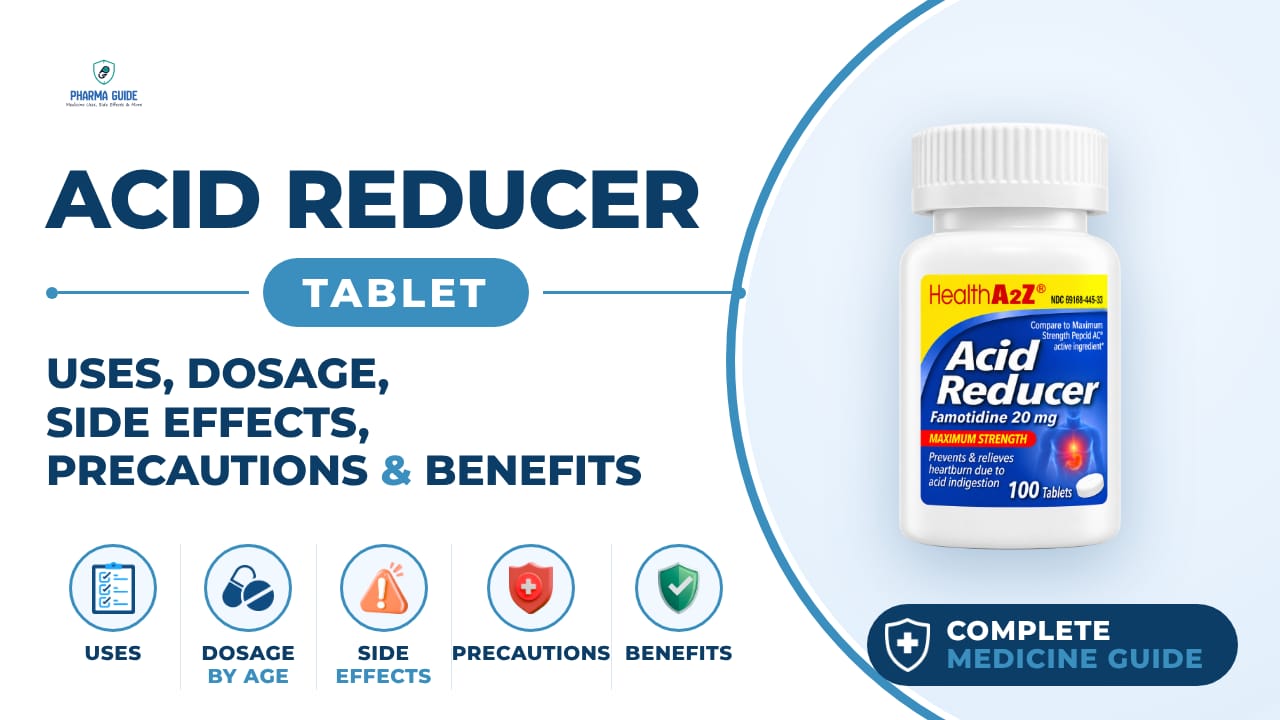
Acid Reducer Tablet: Uses, Dosage, Side Effects, Precautions and Alternates
Histamine H2-receptor antagonist (H2 blocker)
Acid Reducer Tablet (ranitidine) relieves and prevents heartburn, acid indigestion, and sour stomach by reducing stomach acid for up to 12 hours.
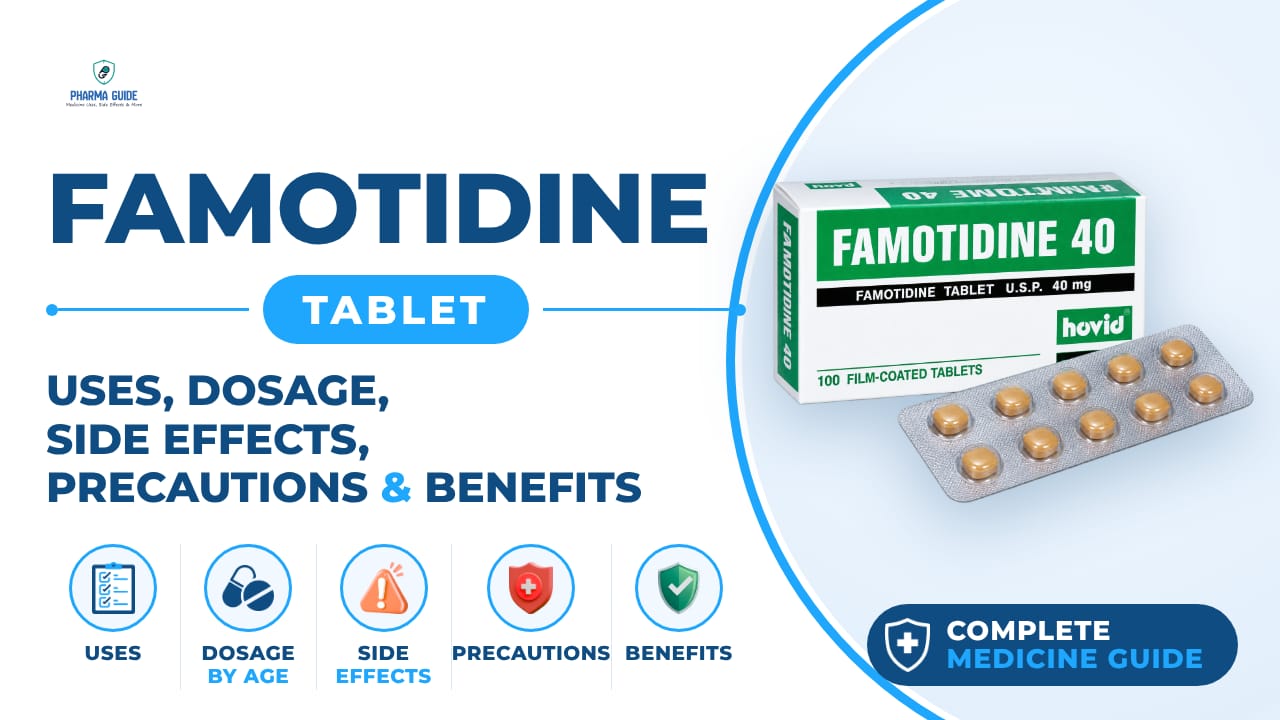
Famotidine Tablet: Uses, Dosage, Side Effects, Precautions and Alternates
Histamine H2 receptor antagonist (H2 blocker)
Famotidine Tablet is an H2 blocker that reduces stomach acid to treat ulcers, GERD, and erosive esophagitis. Learn uses, dosage, and side effects.