
Safety
General information, not medical advice
Your prescriber and the leaflet in your pack know your situation. This page does not.
- Follow your prescriber and the leaflet
- Don't start, stop, or change a dose on your own
- Doses and warnings differ by country and product
Aclovate Cream: Uses, Dosage, Side Effects, Precautions and Alternates
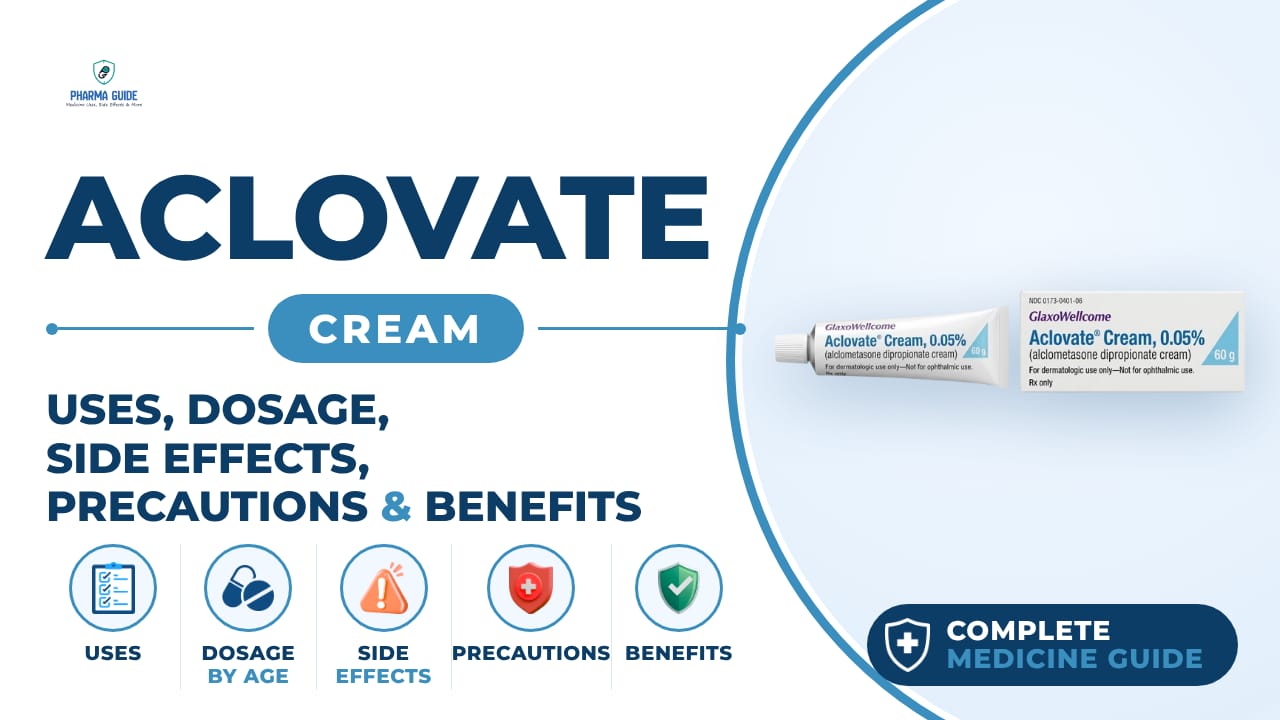
| Generic name | alclometasone dipropionate |
|---|---|
| Drug class | Topical corticosteroid |
| Forms | Cream, Ointment |
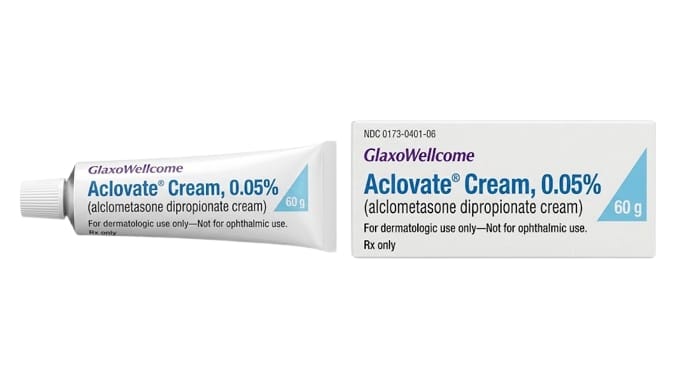
Quick overview
Aclovate Cream (alclometasone dipropionate) is a topical corticosteroid applied to the skin to treat inflammation and itching caused by conditions such as allergic reactions, eczema, and psoriasis. It helps reduce redness, relieves itching and irritation, and soothes inflammatory rashes. It is applied as a thin layer to the affected skin, typically two to three times a day in adults, and is not recommended for use in children under 18.
What is Aclovate Cream
Aclovate Cream is a topical steroid applied to the skin. It is used to treat the inflammation and itching caused by a number of skin conditions, such as allergic reactions, eczema, and psoriasis.
Aclovate Cream uses
- Helps reduce skin redness.
- Relieves itching and irritation.
- Reduces skin inflammation.
- Helps soothe inflammatory rashes.
Benefits of Aclovate Cream
- Eczema
- Dermatitis
- Allergic skin rashes
- Itchy skin conditions
- Inflammatory skin disorders
How Aclovate Cream works
Aclovate is a topical corticosteroid. It reduces the actions of chemicals in the body that cause inflammation, calms down the immune system's defense cells, and may narrow blood vessels in the skin to help reduce swelling.
Aclovate Cream dosage
Wash your hands before and after use, unless you are treating the skin on your hands. Clean the affected area and dry it well before applying. Apply a thin layer of the cream to the affected skin and rub it in gently until it disappears. Do not apply over a large area of skin. Do not bandage, cover, or wrap the treated area unless your doctor tells you to. Do not use on the face, underarms, or groin area unless your doctor tells you to. Do not use to treat diaper rash, and avoid tight-fitting diapers or plastic pants over treated areas. Keep the medicine out of your eyes, mouth, and nose. Do not use for longer than your doctor has told you.
Call your doctor if your symptoms do not improve after two weeks of treatment, or if they get worse. If you miss a dose, apply it as soon as you remember, but skip it if it is almost time for your next dose; do not apply extra to make up for a missed dose.
| Age group | Dose |
|---|---|
| Under 18 years | Not recommended |
| 18–64 years | Apply thin layer, 2–3 times/day |
| 65+ years | Apply thin layer, 2–3 times/day |
Available forms and strengths
- Cream
- Ointment
Side effects of Aclovate Cream
Common
- Stinging, burning, or itching of treated skin
- Skin dryness or irritation
- Redness
- Acne or skin rash with raised red bumps (papules)
- Lightened color of treated skin
- Folliculitis (redness or crusting around hair follicles)
Serious
- Signs of an allergic reaction such as hives, difficulty breathing, or swelling of the face, lips, tongue, or throat
- Blurred vision or seeing halos around lights
- Uneven or pounding heartbeats, fluttering in the chest
- Sleep problems (insomnia)
- Weight gain or puffiness in the face
- Muscle weakness or feeling very tired
- Signs of high blood sugar such as confusion, increased thirst or hunger, passing urine more often, or fruity-smelling breath
- Signs of weak adrenal glands such as severe upset stomach or vomiting, severe dizziness or passing out, muscle weakness, mood changes, or weight loss
- Signs of Cushing's syndrome such as weight gain in the upper back or belly, rounded 'moon' face, severe headache, or slow healing
- Thinning or softening of the skin, stretch marks, or slow wound healing
- In children: slowed growth
Warnings and precautions
- Do not use this medicine to treat diaper rash, and avoid diapers or plastic pants over treated areas since they can increase absorption of the drug into the body.
- Do not use on a child younger than 1 year old, and use with caution in children because they can absorb more of the medicine through their skin and may be more likely to have side effects, including effects on growth.
- Using this medicine on large areas of skin or under coverings/bandages can increase how much is absorbed into the body and raise the risk of side effects affecting the whole body.
- Do not use on the face, underarms, or groin area unless your doctor tells you to.
- Do not use on broken, infected, or damaged skin, or in open wounds.
- If your symptoms do not improve within 2 weeks, contact your doctor, since the diagnosis may need to be reassessed.
- Aclovate should be used during pregnancy only if prescribed or if the potential benefit justifies the potential risk, since it is not known whether it will harm an unborn baby.
- It is not known whether this medicine passes into breast milk or could harm a nursing baby, so talk to your doctor before breastfeeding.
- Do not apply to the face, groin, or underarms unless advised by a healthcare professional.
- Do not use on infected skin unless prescribed.
- It is not known whether drinking alcohol affects this medicine.
- Stop use if severe irritation or an allergic reaction occurs.
Storage
- Store at room temperature away from moisture and heat.
- Do not freeze.
- Keep all drugs in a safe place. Keep all drugs out of the reach of children and pets.
- Throw away unused or expired drugs. Do not flush down a toilet or pour down a drain unless you are told to do so. Check with your pharmacist if you have questions about the best way to throw out drugs.
When to see a doctor
- Get emergency help right away if you have signs of a serious allergic reaction, such as hives, difficulty breathing, or swelling of the face, lips, tongue, or throat.
- Stop using the medicine and call your doctor if you have blurred vision or see halos around lights, uneven heartbeats, sleep problems, weight gain, facial puffiness, or feel unusually tired.
- Seek medical care right away for serious eye symptoms such as sudden vision loss, blurred vision, tunnel vision, eye pain or swelling, or seeing halos around lights; serious heart symptoms such as fast, irregular, or pounding heartbeats, fluttering in the chest, shortness of breath, or sudden dizziness or passing out; or severe headache, confusion, slurred speech, limb weakness, trouble walking, loss of coordination, very stiff muscles, high fever, profuse sweating, or tremors.
- If someone accidentally swallows this medicine, get emergency medical attention or contact a poison control center right away.
Alternatives
- Fluocinolone Cream
- Desonide Cream
- Hydrocortisone Cream
Watch the video
FAQs
What is Aclovate Cream used for?
It is used to treat inflammation and itching caused by skin conditions such as allergic reactions, eczema, and psoriasis, helping reduce redness and soothe inflammatory rashes.
How is Aclovate Cream applied?
Apply a thin layer to the clean, dry affected skin and rub it in gently, typically two to three times a day in adults. Avoid covering or bandaging the area unless told to by your doctor.
Can Aclovate Cream be used on the face or in skin folds?
No, it should not be used on the face, underarms, or groin area unless your doctor tells you to.
Can Aclovate Cream be used in children?
It is not recommended for use in children under 18, and should not be used on a child younger than 1 year old. Children may absorb more of the medicine through their skin and be more likely to have side effects, including effects on growth.
What are the common side effects of Aclovate Cream?
Common side effects include stinging, burning, or itching of treated skin, skin dryness or irritation, redness, acne or rash with raised bumps, lightened skin color, and folliculitis.
General information, not medical advice
Your prescriber and the leaflet in your pack know your situation. This page does not.
- Follow your prescriber and the leaflet
- Don't start, stop, or change a dose on your own
- Doses and warnings differ by country and product
Sources
Video
Related medicines
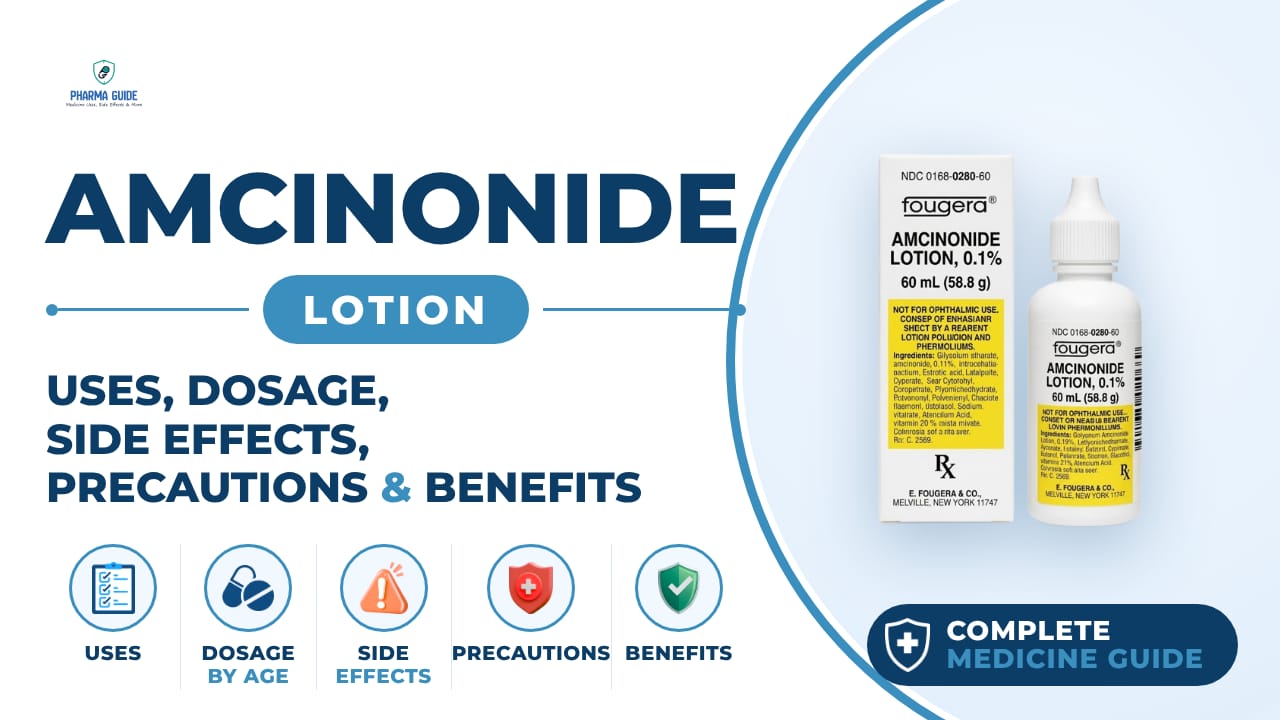
Amcinonide Lotion: Uses, Dosage, Side Effects, Precautions and Alternates
Topical corticosteroid
Amcinonide Lotion is a high-potency corticosteroid for eczema, dermatitis, and psoriasis. Learn uses, dosage, side effects, and precautions.
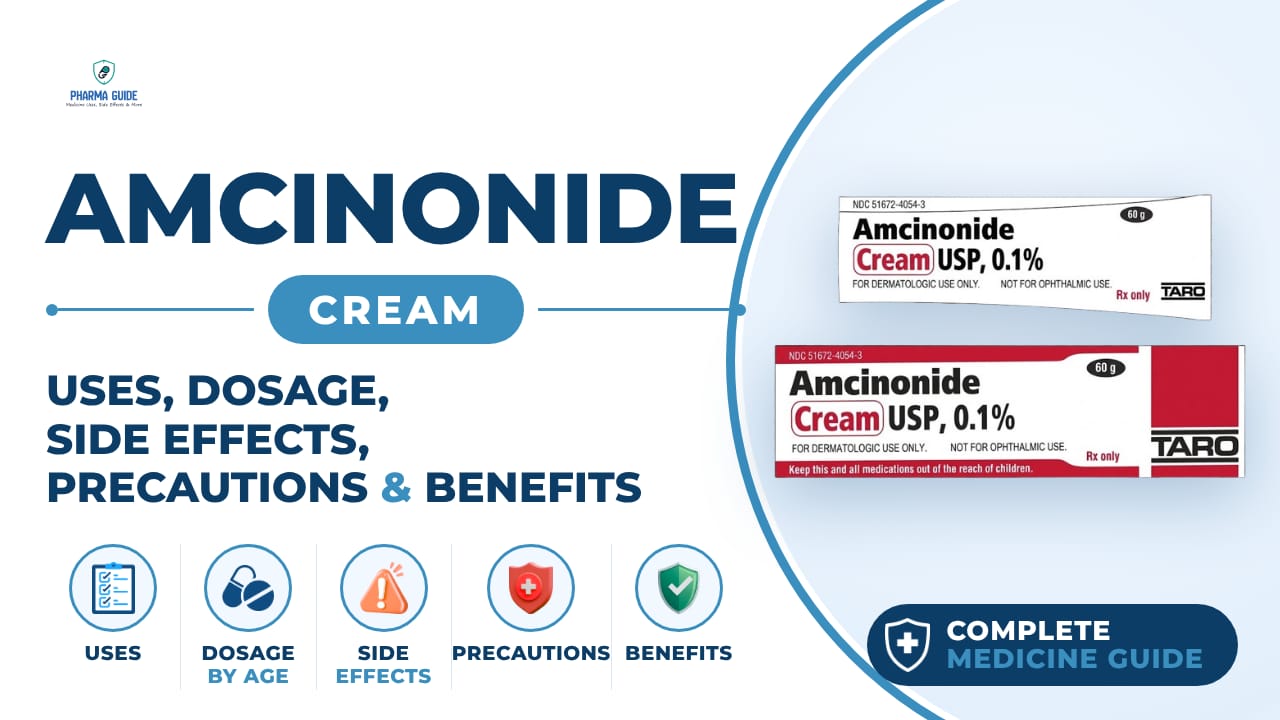
Amcinonide Cream: Uses, Dosage, Side Effects, Precautions and Alternates
Topical corticosteroid
Amcinonide Cream is a high-potency corticosteroid that relieves itching, redness, and inflammation from eczema, dermatitis, and psoriasis.