
Safety
General information, not medical advice
Your prescriber and the leaflet in your pack know your situation. This page does not.
- Follow your prescriber and the leaflet
- Don't start, stop, or change a dose on your own
- Doses and warnings differ by country and product
Acoramidis Tablet: Uses, Dosage, Side Effects, Precautions and Alternates
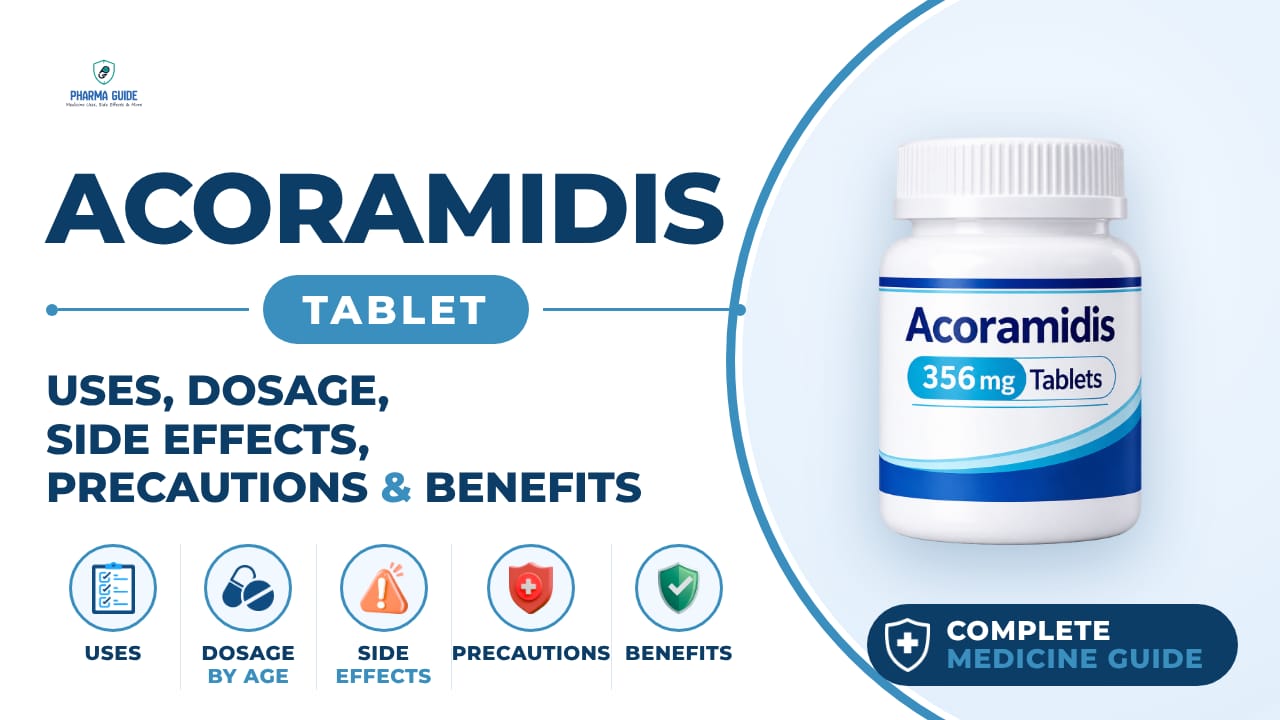
| Generic name | acoramidis |
|---|---|
| Drug class | Transthyretin stabilizer |
| Forms | Tablet |
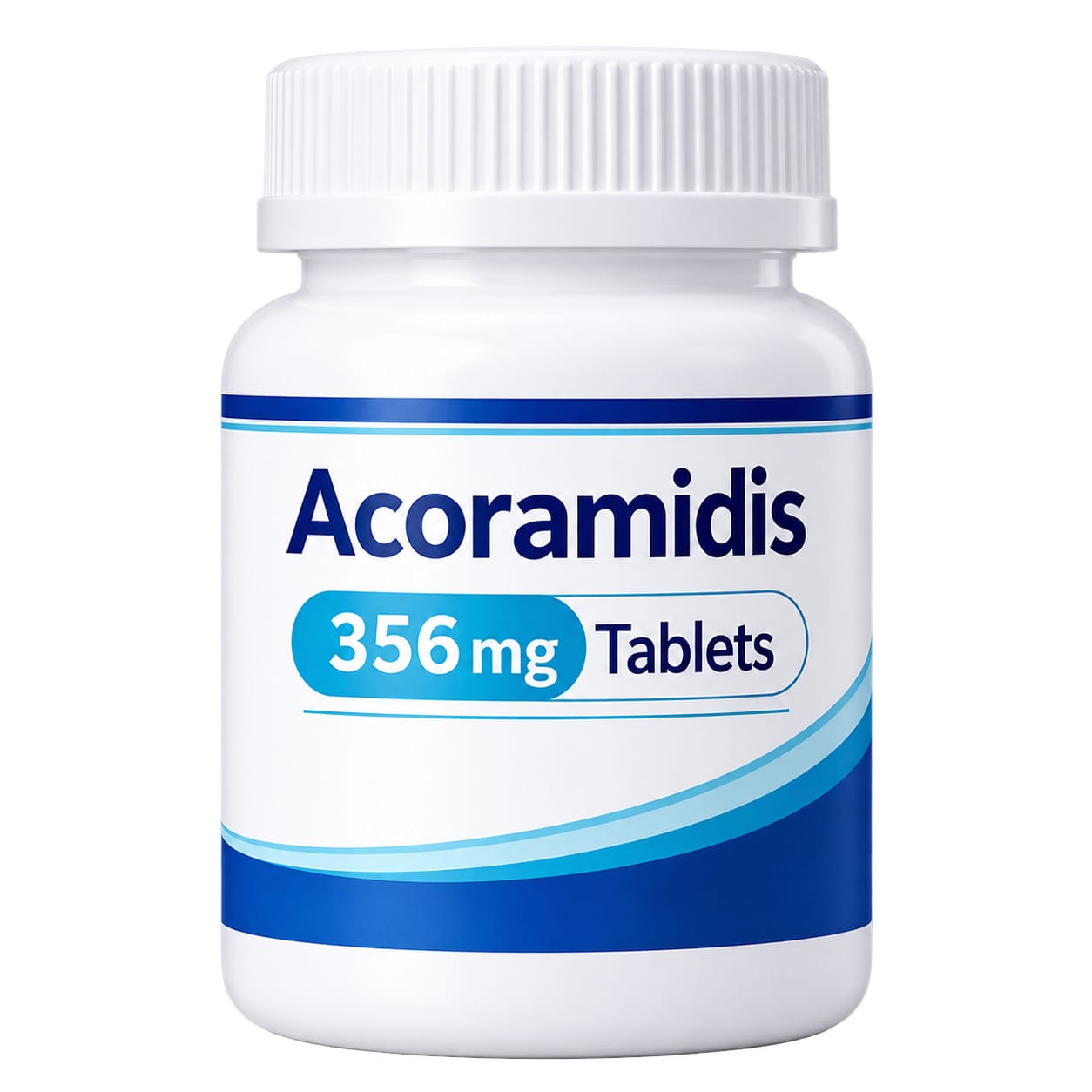
Quick overview
Acoramidis Tablet (generic name: acoramidis) is a prescription medicine belonging to the transthyretin stabilizer class. It is used to treat transthyretin amyloid cardiomyopathy (ATTR-CM) in adults, including both wild-type and hereditary/variant forms, and helps reduce cardiovascular-related death and heart-related hospitalizations. It works by stabilizing the transthyretin protein to prevent it from forming damaging clumps in the heart. It is taken by mouth twice daily, exactly as prescribed.
What is Acoramidis Tablet
Acoramidis is a prescription tablet used to treat transthyretin amyloid cardiomyopathy (ATTR-CM), a condition where a protein called transthyretin builds up in the heart wall and makes it thicker, making it harder for the heart to pump blood.
Acoramidis Tablet uses
- Treats transthyretin amyloid cardiomyopathy (ATTR-CM) in adults, including both wild-type and hereditary/variant forms
- Used to reduce cardiovascular-related death and heart-related hospitalizations in people with ATTR-CM
Benefits of Acoramidis Tablet
- Reduces the risk of cardiovascular-related death and heart-related hospitalizations
- Helps slow down progression of the disease
How Acoramidis Tablet works
Acoramidis works by stabilizing the transthyretin (TTR) protein so it does not break apart into toxic clumps (amyloid fibrils) that build up in and damage the heart muscle.
Acoramidis Tablet dosage
Take it by mouth with or without food, twice a day, at around the same times every day. Follow your prescription label directions carefully and ask your doctor or pharmacist to explain anything you don't understand. Take it exactly as directed; do not take more or less, or more often, than prescribed. Swallow the tablets whole; do not split, chew, or crush them.
This medicine controls ATTR-CM but does not cure it, so continue taking it even if you feel well. Do not stop taking it without talking to your doctor.
If you forget a dose, take it as soon as you remember, unless it is almost time for your next dose—then skip the missed dose and continue your regular schedule. Do not take a double dose to make up for a missed one. Unless your doctor tells you otherwise, continue your normal diet.
| Age group | Dose |
|---|---|
| Under 18 years | Safety and effectiveness are not established; no pediatric dose is approved |
| 18–39 years | 712 mg orally twice daily |
| 65–74 years | 712 mg orally twice daily; no routine age-based dose adjustment |
| 75 years and older | 712 mg orally twice daily; treatment is monitored according to overall health and tolerability |
Available forms and strengths
- Tablet
Side effects of Acoramidis Tablet
Common
- Diarrhea
- Stomach pain (abdominal pain)
- Mild, often reversible increases in blood creatinine or decreases in kidney function (eGFR)
Serious
- Severe allergic (hypersensitivity) reactions
- Severe headache, confusion, slurred speech, arm or leg weakness, trouble walking, loss of coordination, unsteadiness, very stiff muscles, high fever, profuse sweating, or tremors
- Serious eye symptoms such as sudden vision loss, blurred vision, tunnel vision, eye pain or swelling, or seeing halos around lights
- Serious heart symptoms such as fast, irregular, or pounding heartbeats, fluttering in the chest, shortness of breath, sudden dizziness, lightheadedness, or passing out
Warnings and precautions
- There isn't enough data on use during pregnancy to know if it could cause birth defects or other problems. Tell your doctor if you are pregnant or plan to become pregnant, and call your doctor if you become pregnant while taking this medicine.
- It isn't known whether this medicine passes into breast milk or affects a nursing baby. Tell your doctor if you are breastfeeding.
- Tell your doctor if you have or have ever had kidney problems.
- Significant hepatic disease should be clinically assessed because experience may be limited in some populations.
- No specific direct alcohol interaction is established, but alcohol should be discussed with the cardiology team when significant heart disease is present.
- No specific driving impairment warning is prominent in the current label.
- Avoid taking this medicine together with strong CYP3A inducers or UGT inducers, such as rifampin, carbamazepine, phenytoin, or St. John's wort, as these can lower the drug's effectiveness.
- This medicine can increase the levels of certain other drugs in your body (CYP2C9 substrates), so you may need closer monitoring if you take those medicines together.
- Tell your doctor and pharmacist about all prescription and nonprescription medicines, vitamins, supplements, and herbal products you take, since your doctor may need to adjust doses or watch for side effects.
Storage
- Keep this medication in the container it came in, tightly closed, and out of reach of children
- Store it at room temperature and away from excess heat and moisture (not in the bathroom)
- Keep all medication out of sight and reach of children as many containers are not child-resistant
- Always lock safety caps and place the medication in a safe location, up and away and out of children's sight and reach
- Dispose of unneeded medications in a way so that pets, children, and other people cannot take them
- Do not flush this medication down the toilet
- Use a medicine take-back program; talk to your pharmacist about take-back programs in your community
When to see a doctor
- Get medical help right away if you have severe headache, confusion, slurred speech, arm or leg weakness, trouble walking, loss of coordination, unsteadiness, very stiff muscles, high fever, heavy sweating, or tremors.
- Get medical help right away for serious eye symptoms like sudden vision loss, blurred vision, tunnel vision, eye pain or swelling, or seeing halos around lights.
- Get medical help right away for serious heart symptoms such as fast, irregular, or pounding heartbeat, fluttering in the chest, shortness of breath, or sudden dizziness, lightheadedness, or passing out.
- Call your doctor if you have any unusual problems while taking this medication.
Alternatives
- Tafamidis
- Vyndaqel
- Vyndamax
- Other specialist-selected ATTR-CM therapies
Watch the video
FAQs
What is Acoramidis Tablet used for?
It treats transthyretin amyloid cardiomyopathy (ATTR-CM) in adults, including both wild-type and hereditary/variant forms, and helps reduce cardiovascular-related death and heart-related hospitalizations.
How does Acoramidis Tablet work?
It stabilizes the transthyretin (TTR) protein so it does not break apart into toxic clumps (amyloid fibrils) that build up in and damage the heart muscle.
What is the dosage of Acoramidis Tablet?
The typical dose is 712 mg taken orally twice daily, taken with or without food at around the same times every day. Tablets should be swallowed whole and not split, chewed, or crushed.
What are the common side effects of Acoramidis Tablet?
Common side effects include diarrhea, stomach pain, and mild, often reversible increases in blood creatinine or decreases in kidney function (eGFR).
What should be avoided while taking Acoramidis Tablet?
Avoid taking it with strong CYP3A inducers or UGT inducers such as rifampin, carbamazepine, phenytoin, or St. John's wort, as these can lower the drug's effectiveness.
General information, not medical advice
Your prescriber and the leaflet in your pack know your situation. This page does not.
- Follow your prescriber and the leaflet
- Don't start, stop, or change a dose on your own
- Doses and warnings differ by country and product
Sources
Video
Related medicines

Injectafer Injection: Uses, Dosage, Side Effects, Precautions and Alternates
Iron products
Injectafer (ferric carboxymaltose) treats iron deficiency anemia and heart failure-related iron deficiency via IV. Learn uses, dosage, side effects, and

Gliclazide Tablet: Uses, Dosage, Side Effects, Precautions and Alternates
Sulfonylurea (hypoglycemic/antidiabetic agent)
Gliclazide Tablet is a sulfonylurea for type 2 diabetes that boosts insulin release. Learn about dosage, side effects, warnings, and precautions.