
Safety
General information, not medical advice
Your prescriber and the leaflet in your pack know your situation. This page does not.
- Follow your prescriber and the leaflet
- Don't start, stop, or change a dose on your own
- Doses and warnings differ by country and product
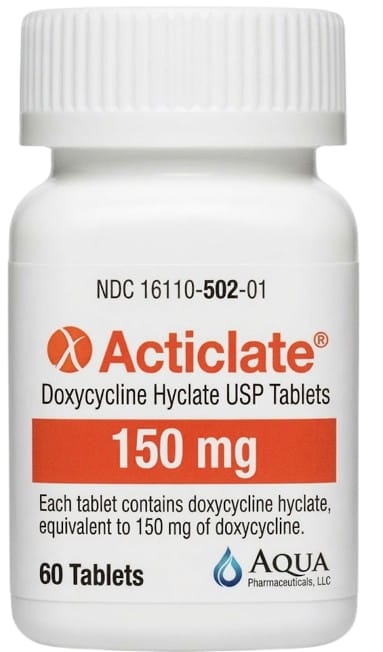
Acticlate Tablet: Uses, Dosage, Side Effects, Precautions and Alternates
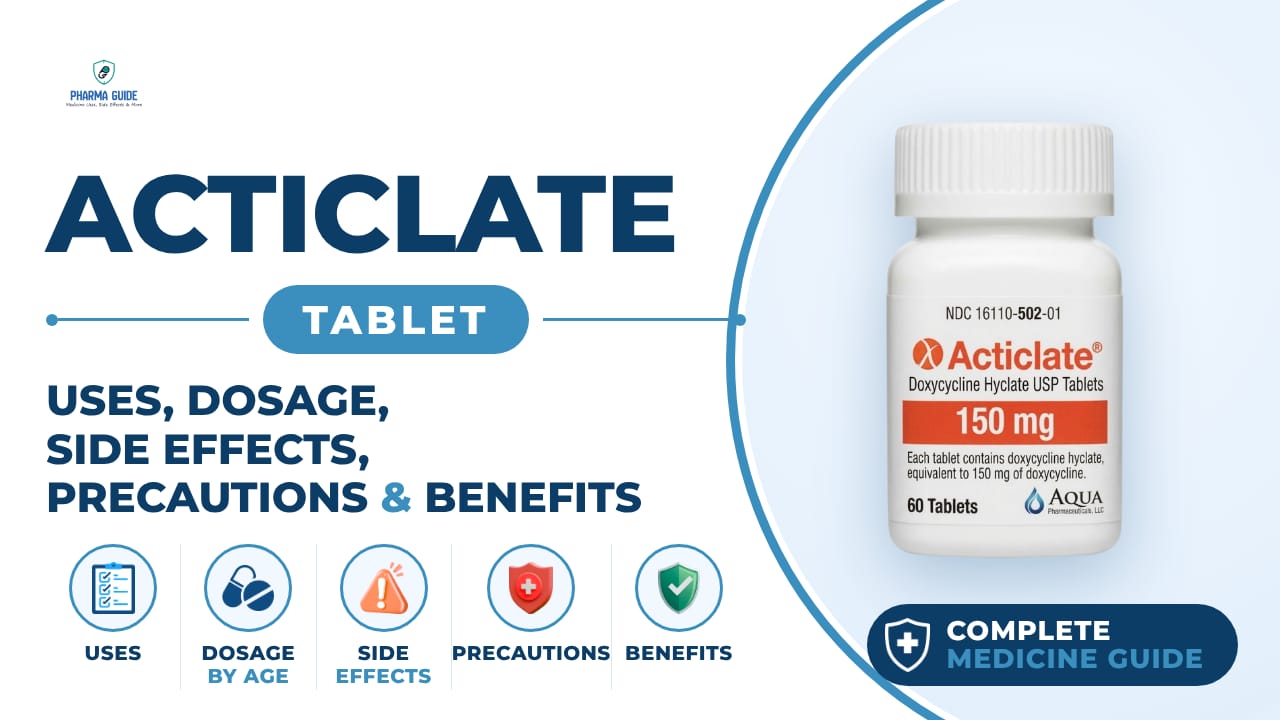
| Generic name | doxycycline hyclate |
|---|---|
| Drug class | Tetracyclines |
| Forms | Tablet (75 mg and 150 mg), Capsule (75 mg) |
Quick overview
Acticlate Tablet contains doxycycline hyclate, a tetracycline-class antibiotic made from oxytetracycline, taken by mouth as tablets or capsules. It is used to treat a wide range of bacterial infections, certain sexually transmitted infections, and is also used for malaria prevention in travelers and as an add-on treatment for severe acne. It works by stopping bacteria from producing proteins needed for growth. Side effects can include stomach upset and sun sensitivity, along with some rare but serious reactions.
What is Acticlate Tablet
Acticlate is an antibiotic that contains doxycycline hyclate, a tetracycline-class drug made from oxytetracycline. It comes as tablets or capsules taken by mouth.
Acticlate Tablet uses
- Rickettsial infections such as Rocky Mountain spotted fever, typhus fever, Q fever, and tick fevers
- Sexually transmitted infections including chlamydia, gonorrhea, chancroid, and lymphogranuloma venereum
- Respiratory tract infections caused by certain bacteria
- Specific bacterial infections such as relapsing fever, plague, tularemia, cholera, and brucellosis
- Eye infections including trachoma and inclusion conjunctivitis
- Anthrax, including after exposure to inhaled anthrax
- An alternative treatment for certain infections (like syphilis) when a person cannot take penicillin
- Used together with other medicines for acute intestinal amebiasis and for severe acne
- Prevention of malaria in short-term travelers to areas with resistant malaria strains
Benefits of Acticlate Tablet
- Treats a broad range of bacterial infections
- Can be used as an alternative when penicillin cannot be used
- Helps prevent malaria in travelers to high-risk areas
- May be used as an add-on treatment for severe acne
How Acticlate Tablet works
Doxycycline stops bacteria from making the proteins they need to grow, by attaching to a part of the bacteria called the ribosome. This slows bacterial growth and activity. It is thought to work against malaria parasites in a similar but not fully understood way.
Acticlate Tablet dosage
Swallow capsules whole; do not break, open, crush, dissolve, or chew them. Tablets can be taken whole or broken at the scored lines if a lower dose is needed. Take with plenty of liquid to help prevent irritation of the swallowing tube. If stomach upset occurs, this medicine may be taken with food or milk. Taking with food or milk does not meaningfully reduce how well doxycycline is absorbed, unlike some other tetracyclines. Avoid taking antacids containing aluminum, calcium, or magnesium, bismuth products, or iron supplements at the same time, since they can reduce how well this medicine is absorbed.
For malaria prevention, start treatment 1 to 2 days before traveling to the risk area, continue during travel, and continue for 4 weeks after leaving the area. Take exactly as directed and finish the full course even if you feel better early, to help prevent antibiotic resistance. Avoid lying down right after taking a dose to reduce the risk of throat irritation.
| Age group | Dose |
|---|---|
| Under 18 years | Not recommended |
| 18–64 years | 100 mg, once/day |
| 65+ years | 100 mg, once/day |
Available forms and strengths
- Tablet (75 mg and 150 mg)
- Capsule (75 mg)
Side effects of Acticlate Tablet
Common
- Loss of appetite
- Nausea
- Vomiting
- Upset stomach
- Diarrhea
- Sensitivity to sunlight
- Skin rash or itching
- Hives
- Vaginal itching or discharge
Serious
- Difficulty breathing or swelling of the face, lips, tongue, or throat
- Severe or red/purple skin rash that spreads, blisters, or peels
- Fever, swollen glands, or flu-like symptoms with rash
- Severe or watery/bloody diarrhea with stomach pain
- Chest pain, irregular heartbeat, or shortness of breath
- Little or no urination
- Unusual bruising or bleeding, pale skin, or severe weakness
- Severe headache, vision changes, ringing in the ears, or dizziness (possible signs of high pressure in the skull)
- Upper stomach pain spreading to the back, tiredness, or yellowing of the skin or eyes (possible liver or pancreas problems)
Warnings and precautions
- Taking this medicine during tooth development (the last half of pregnancy, infancy, and childhood up to age 8) can cause permanent yellow-gray-brown discoloration of teeth.
- This medicine can cause diarrhea linked to a serious gut infection (Clostridioides difficile) which can range from mild to life-threatening and may occur even two or more months after stopping the drug.
- This medicine can make skin much more sensitive to sunlight, causing an exaggerated sunburn reaction. Stop treatment and tell your doctor if skin redness develops.
- Serious skin reactions, including severe rash with blistering and peeling, have been reported and require stopping the medicine immediately.
- This medicine has been linked to increased pressure in the skull (intracranial hypertension), which can cause headache, vision changes, and in rare cases permanent vision loss. Women of childbearing age who are overweight or who have had this condition before are at higher risk.
- Using this medicine together with isotretinoin should be avoided because both can increase the risk of raised pressure in the skull.
- This medicine should only be used to treat infections that are proven or strongly suspected to be bacterial, to help reduce the risk of bacteria becoming resistant to antibiotics.
- This medicine is not usually recommended during pregnancy because it may cause permanent tooth discoloration and affect bone growth in the baby, especially if used in the second half of pregnancy. Tell your doctor right away if you become pregnant while taking it.
- This medicine passes into breast milk. Breastfeeding is not recommended during treatment and for 5 days after the last dose because of the risk of tooth discoloration and bone growth problems in the infant.
- Studies have shown no significant difference in how long the drug stays in the body between people with normal kidney function and those with severe kidney impairment, and dialysis does not remove it from the body.
- Liver problems (hepatotoxicity) have been reported with this type of medicine. Your doctor may want to monitor your liver function, especially with long-term use.
- This medicine does not cause drowsiness, but vision changes from rare serious side effects could affect your ability to drive, so use caution if you notice any vision problems.
Storage
- Store at 68° to 77°F (20° to 25°C), with excursions permitted to 59° to 86°F (15° to 30°C)
- Protect from light and moisture
- Keep in a tight, light-resistant container with a child-resistant cap
When to see a doctor
- Get medical help right away if you notice hives, difficulty breathing, or swelling of your face, lips, tongue, or throat.
- Seek medical care immediately for serious eye symptoms such as sudden vision loss, blurred or tunnel vision, eye pain or swelling, or seeing halos around lights.
- Seek emergency care for serious heart symptoms such as a fast, irregular, or pounding heartbeat, fluttering in the chest, shortness of breath, or sudden dizziness or fainting.
- Seek emergency care for a severe headache, confusion, slurred speech, arm or leg weakness, trouble walking, loss of coordination, very stiff muscles, high fever, heavy sweating, or tremors.
- Contact your doctor as soon as possible if you develop watery or bloody diarrhea, with or without stomach cramps and fever, even up to two months after finishing treatment.
Alternatives
- Monodox
- Vibramycin
- Doxycycline
Watch the video
FAQs
What is Acticlate Tablet used for?
Acticlate treats bacterial infections such as rickettsial diseases, STIs like chlamydia and gonorrhea, respiratory infections, anthrax, and eye infections. It's also used with other medicines for severe acne and intestinal amebiasis, and for malaria prevention in travelers.
How should Acticlate Tablet be taken?
Swallow capsules whole without crushing or chewing; tablets can be taken whole or broken at scored lines. Take with plenty of liquid, and avoid lying down right after dosing. It can be taken with food or milk if stomach upset occurs, without significantly reducing absorption.
What should be avoided while taking Acticlate Tablet?
Avoid taking antacids containing aluminum, calcium, or magnesium, bismuth products, or iron supplements at the same time, as they can reduce absorption. Also avoid isotretinoin due to increased risk of raised pressure in the skull.
What are the serious side effects of Acticlate Tablet?
Serious effects include difficulty breathing or facial swelling, severe skin reactions with blistering or peeling, severe or bloody diarrhea, irregular heartbeat, signs of liver or pancreas problems, and increased pressure in the skull causing headache or vision changes.
Can Acticlate Tablet be used during pregnancy or breastfeeding?
It is not usually recommended during pregnancy because it may cause permanent tooth discoloration and affect the baby's bone growth, especially in the second half of pregnancy. Breastfeeding is not recommended during treatment and for 5 days after the last dose.
General information, not medical advice
Your prescriber and the leaflet in your pack know your situation. This page does not.
- Follow your prescriber and the leaflet
- Don't start, stop, or change a dose on your own
- Doses and warnings differ by country and product
Sources
Video
Related medicines
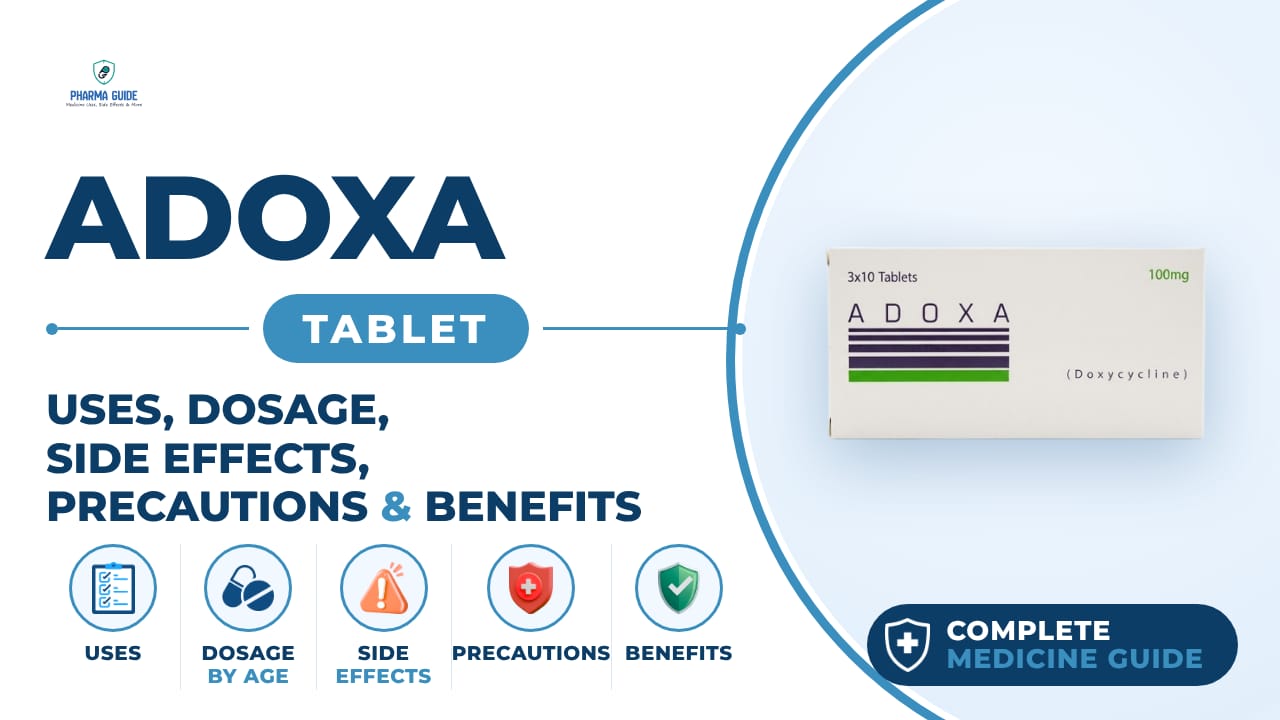
Adoxa Tablet: Uses, Dosage, Side Effects, Precautions and Alternates
Tetracyclines
Adoxa Tablet is a doxycycline antibiotic used for acne, infections, rosacea bumps, and malaria prevention. Learn uses, dosage, side effects, and precautions.
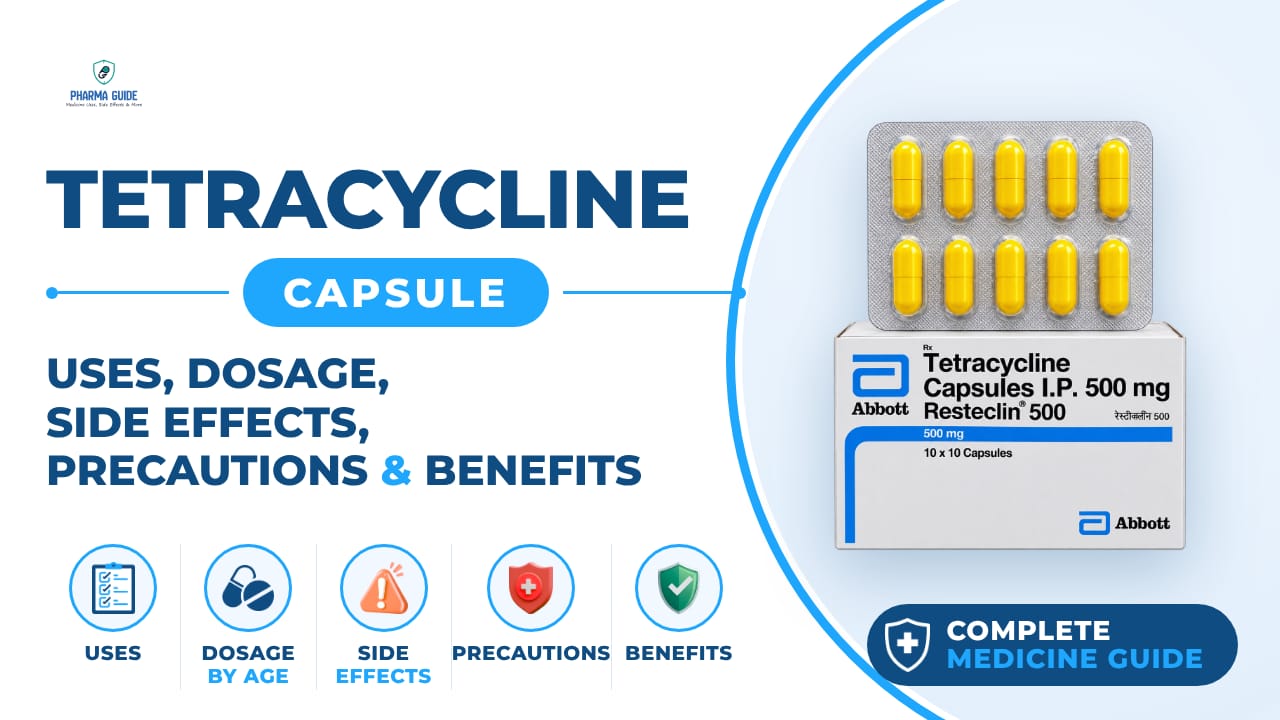
Tetracycline Capsule: Uses, Dosage, Side Effects, Precautions and Alternates
Tetracyclines
Tetracycline Capsule treats bacterial infections like acne, STIs, and respiratory infections. Learn uses, dosage, side effects, and safety warnings.