
Safety
General information, not medical advice
Your prescriber and the leaflet in your pack know your situation. This page does not.
- Follow your prescriber and the leaflet
- Don't start, stop, or change a dose on your own
- Doses and warnings differ by country and product
Adoxa Tablet: Uses, Dosage, Side Effects, Precautions and Alternates
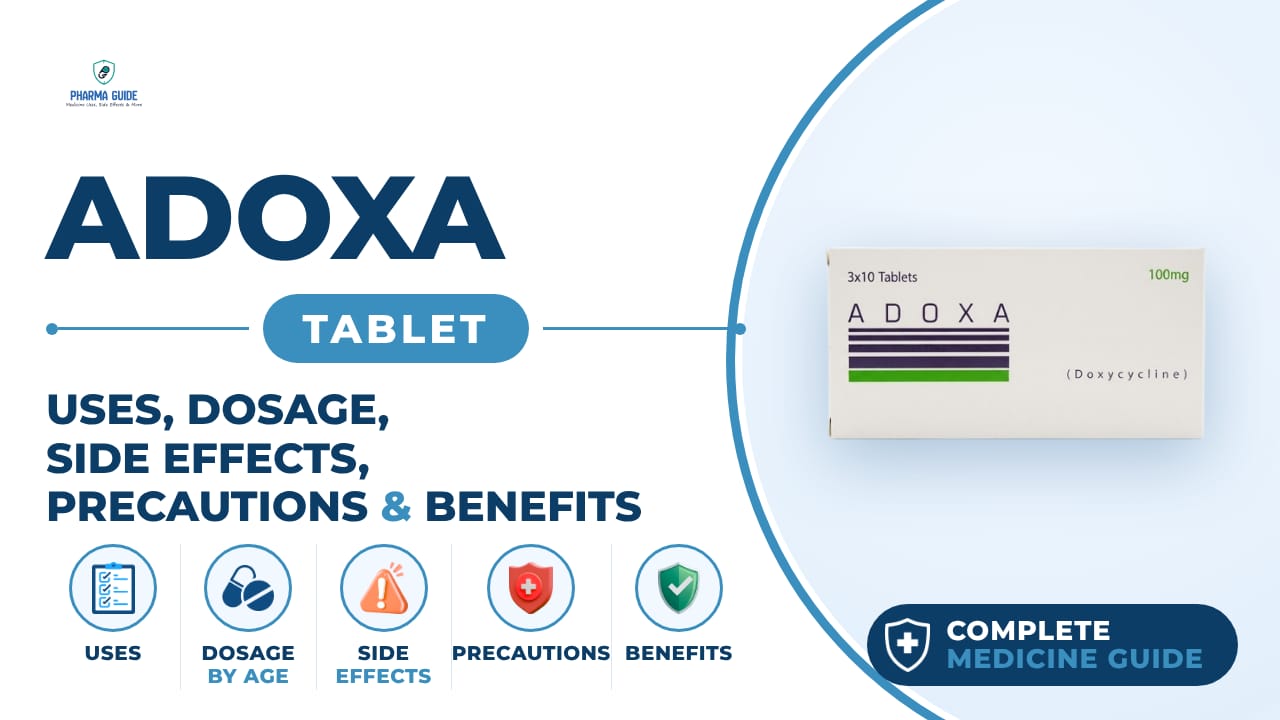
| Generic name | doxycycline |
|---|---|
| Drug class | Tetracyclines |
| Forms | Tablet, Capsule |
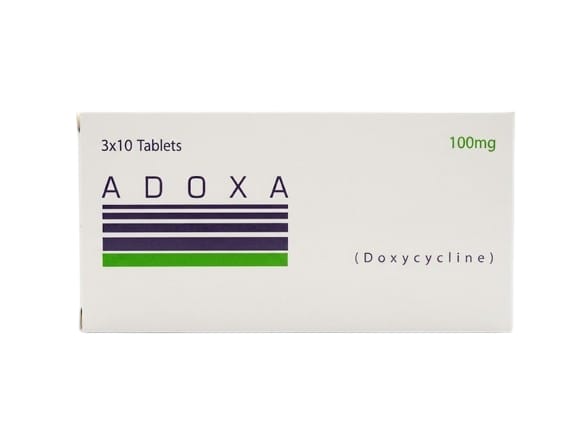
Quick overview
Adoxa Tablet contains doxycycline, an antibiotic from the tetracycline class. It is used to treat many types of bacterial infections, including acne, urinary tract infections, intestinal infections, eye infections, gonorrhea, chlamydia, and periodontitis, and it can also help with rosacea bumps and malaria prevention. It works by stopping bacteria from growing so the body's immune system can clear the infection. As with any antibiotic, it carries possible side effects and important precautions that should be discussed with a doctor.
What is Adoxa Tablet
Adoxa is a tetracycline antibiotic that fights bacteria in the body.
Adoxa Tablet uses
- Treats many different bacterial infections, such as acne, urinary tract infections, intestinal infections, eye infections, gonorrhea, chlamydia, and periodontitis (gum disease)
- Treats blemishes, bumps, and acne-like lesions caused by rosacea (it will not treat facial redness caused by rosacea)
- Some forms are used to prevent malaria, treat anthrax, or treat infections caused by mites, ticks, or lice
- Respiratory tract infections
- Skin infections
- Prevention of malaria
- Gangrene
- Tetanus
- Bacterial infections caused by contaminated water and animal waste
Benefits of Adoxa Tablet
- Fights many types of bacterial infections
- Can help clear acne and rosacea bumps
- Used to prevent malaria when traveling to high-risk areas
How Adoxa Tablet works
Adoxa works by stopping bacteria from growing and multiplying, which lets your body's immune system clear the infection.
Adoxa Tablet dosage
Take with a full glass of water and drink plenty of liquids while using this medicine. Most brands may be taken with food or milk if it upsets your stomach, but different brands may have different instructions. Swallow delayed-release capsules or tablets whole; do not crush, chew, break, or open them. You may need to split a tablet to get the correct dose—follow your doctor's instructions.
If used to prevent malaria, start taking it 1 or 2 days before entering an area where malaria is common, continue daily during your stay, and continue for a period after leaving the area as directed. Take the full prescribed course even if you feel better quickly; skipping doses can lead to resistant infection.
Take on an empty stomach, at least 1 hour before or 2 hours after meals, for some formulations. Avoid taking iron supplements, multivitamins, calcium supplements, antacids, or laxatives within 2 hours before or after taking this medicine. Avoid dairy products or antacids around the time of dosing. Maintain a consistent schedule for best results, and do not stop taking it early to avoid the infection coming back. Children should use this medicine only in cases of severe or life-threatening conditions if younger than 8 years old.
| Age group | Dose |
|---|---|
| Under 18 years | Not recommended |
| 18–64 years | 100 mg, once/day |
| 65+ years | 100 mg, once/day |
Available forms and strengths
- Tablet
- Capsule
Side effects of Adoxa Tablet
Common
- Nausea, vomiting, upset stomach, loss of appetite
- Mild diarrhea
- Skin rash or itching
- Darkened skin color
- Vaginal itching or discharge
- Dizziness
- Yeast infections
Serious
- Signs of allergic reaction: hives, difficult breathing, swelling in face or throat
- Severe skin reaction: fever, sore throat, burning eyes, skin pain, red or purple rash that spreads and blisters or peels
- Serious drug reaction affecting many body parts: skin rash, fever, swollen glands, flu-like symptoms, muscle aches, severe weakness, unusual bruising, or yellowing of skin or eyes (may occur weeks after starting)
- Severe stomach pain, watery or bloody diarrhea
- Throat irritation, trouble swallowing
- Chest pain, irregular heartbeat, shortness of breath
- Little or no urination
- Low white blood cell counts: fever, chills, swollen glands, body aches, weakness, pale skin, easy bruising or bleeding
- Increased pressure inside the skull: severe headaches, ringing in ears, dizziness, nausea, vision problems, pain behind the eyes
- Signs of liver or pancreas problems: loss of appetite, upper stomach pain, tiredness, nausea or vomiting, fast heart rate, dark urine, jaundice
- Severe allergic reactions
- Liver problems
- Esophageal irritation
Warnings and precautions
- Using this medicine during pregnancy could harm the unborn baby or cause permanent tooth discoloration later in the baby's life, especially if taken during the last half of pregnancy.
- Doxycycline can pass into breast milk and may affect bone and tooth development in a nursing infant, so breastfeeding is not recommended while taking this medicine.
- Tell your doctor if you have kidney disease or liver disease before taking this medicine.
- You should not take this medicine if you are allergic to it or other tetracycline antibiotics.
- Children younger than 8 should only use this medicine for severe or life-threatening conditions, since it can cause permanent yellowing or graying of teeth.
- This medicine can make you sunburn more easily, so avoid sunlight or tanning beds and use sunscreen.
- It can make birth control pills less effective, so a non-hormonal method may be needed.
- Do not use outdated or poorly stored doxycycline, as it may not work properly and can be harmful.
Storage
- Store at room temperature away from moisture, heat, and light
- Throw away any unused medicine after the expiration date has passed; using expired medicine can cause kidney damage
- Keep in a cool, dry place, away from direct sunlight, and out of children's reach
When to see a doctor
- Get emergency help right away if you notice signs of a severe allergic reaction, such as hives, trouble breathing, or swelling of the face or throat, or signs of a severe skin reaction.
- Call your doctor right away if you have severe stomach pain or watery/bloody diarrhea, trouble swallowing, chest pain or irregular heartbeat, little or no urination, signs of low white blood cells, signs of increased pressure in the skull, or signs of liver or pancreas problems.
- If you get watery or bloody diarrhea, contact your doctor, even if it starts weeks after you stop taking the medicine.
- If you think you have taken too much, seek emergency medical attention right away.
Alternatives
- Theradox
- Doxybact
- Doxycycline
Watch the video
FAQs
What is Adoxa Tablet used for?
Adoxa Tablet treats many bacterial infections such as acne, urinary tract infections, intestinal infections, eye infections, gonorrhea, chlamydia, and periodontitis. It also helps clear rosacea bumps and can be used to prevent malaria.
How should I take Adoxa Tablet?
Take it with a full glass of water and drink plenty of liquids. Some forms should be taken on an empty stomach, at least 1 hour before or 2 hours after meals, while others may be taken with food or milk if it upsets your stomach. Avoid taking iron, multivitamins, calcium supplements, antacids, or laxatives within 2 hours before or after dosing, and avoid dairy products around dosing time.
What are the common side effects of Adoxa Tablet?
Common side effects include nausea, vomiting, upset stomach, loss of appetite, mild diarrhea, skin rash or itching, darkened skin color, vaginal itching or discharge, dizziness, and yeast infections.
Is Adoxa Tablet safe during pregnancy or breastfeeding?
Using this medicine during pregnancy could harm the unborn baby or cause permanent tooth discoloration later in life, especially if taken during the last half of pregnancy. Doxycycline can also pass into breast milk and affect bone and tooth development in a nursing infant, so breastfeeding is not recommended while taking it.
Can children take Adoxa Tablet?
Children younger than 8 years old should only use this medicine for severe or life-threatening conditions, since it can cause permanent yellowing or graying of teeth.
General information, not medical advice
Your prescriber and the leaflet in your pack know your situation. This page does not.
- Follow your prescriber and the leaflet
- Don't start, stop, or change a dose on your own
- Doses and warnings differ by country and product
Sources
Video
Related medicines
Acticlate Tablet: Uses, Dosage, Side Effects, Precautions and Alternates
Tetracyclines
Acticlate Tablet (doxycycline hyclate) treats bacterial infections, STIs, and acne, and prevents malaria. Learn uses, dosage, side effects, and precautions.
Tetracycline Capsule: Uses, Dosage, Side Effects, Precautions and Alternates
Tetracyclines
Tetracycline Capsule treats bacterial infections like acne, STIs, and respiratory infections. Learn uses, dosage, side effects, and safety warnings.