
Safety
General information, not medical advice
Your prescriber and the leaflet in your pack know your situation. This page does not.
- Follow your prescriber and the leaflet
- Don't start, stop, or change a dose on your own
- Doses and warnings differ by country and product
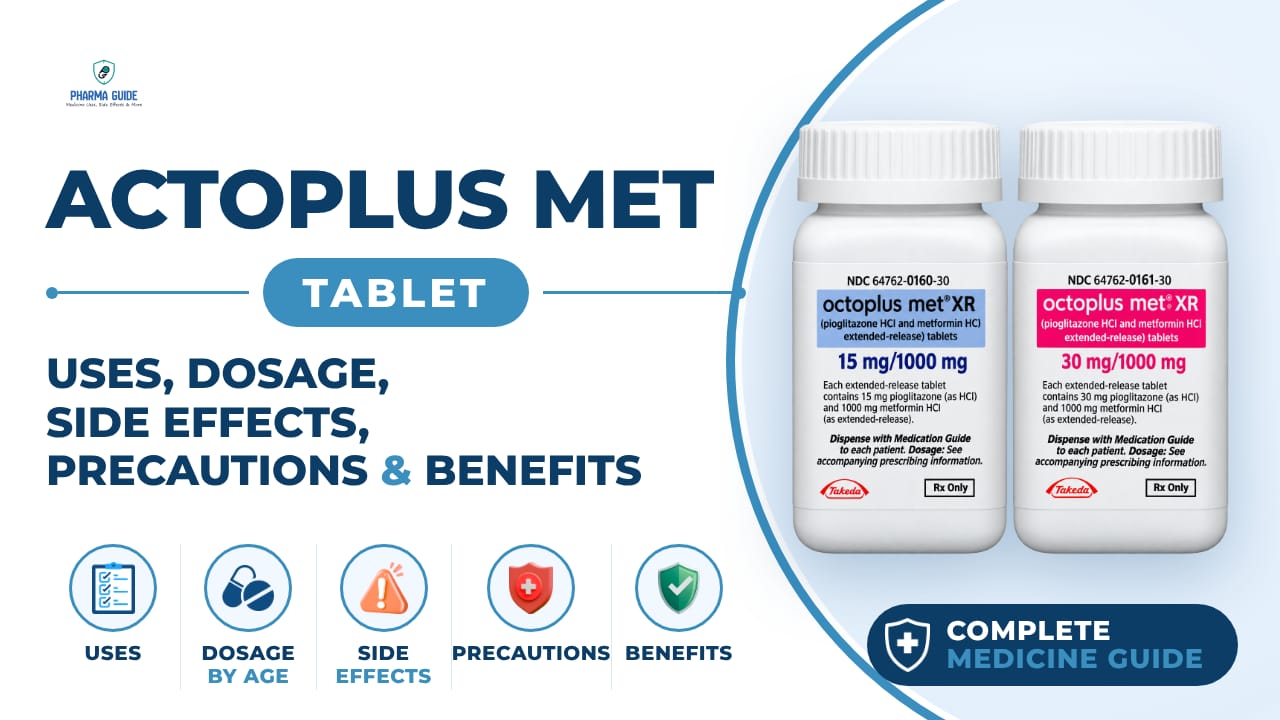
Actoplus Met Tablet: Uses, Dosage, Side Effects, Precautions and Alternates
| Generic name | pioglitazone hydrochloride and metformin hydrochloride |
|---|---|
| Drug class | Thiazolidinedione and biguanide combination |
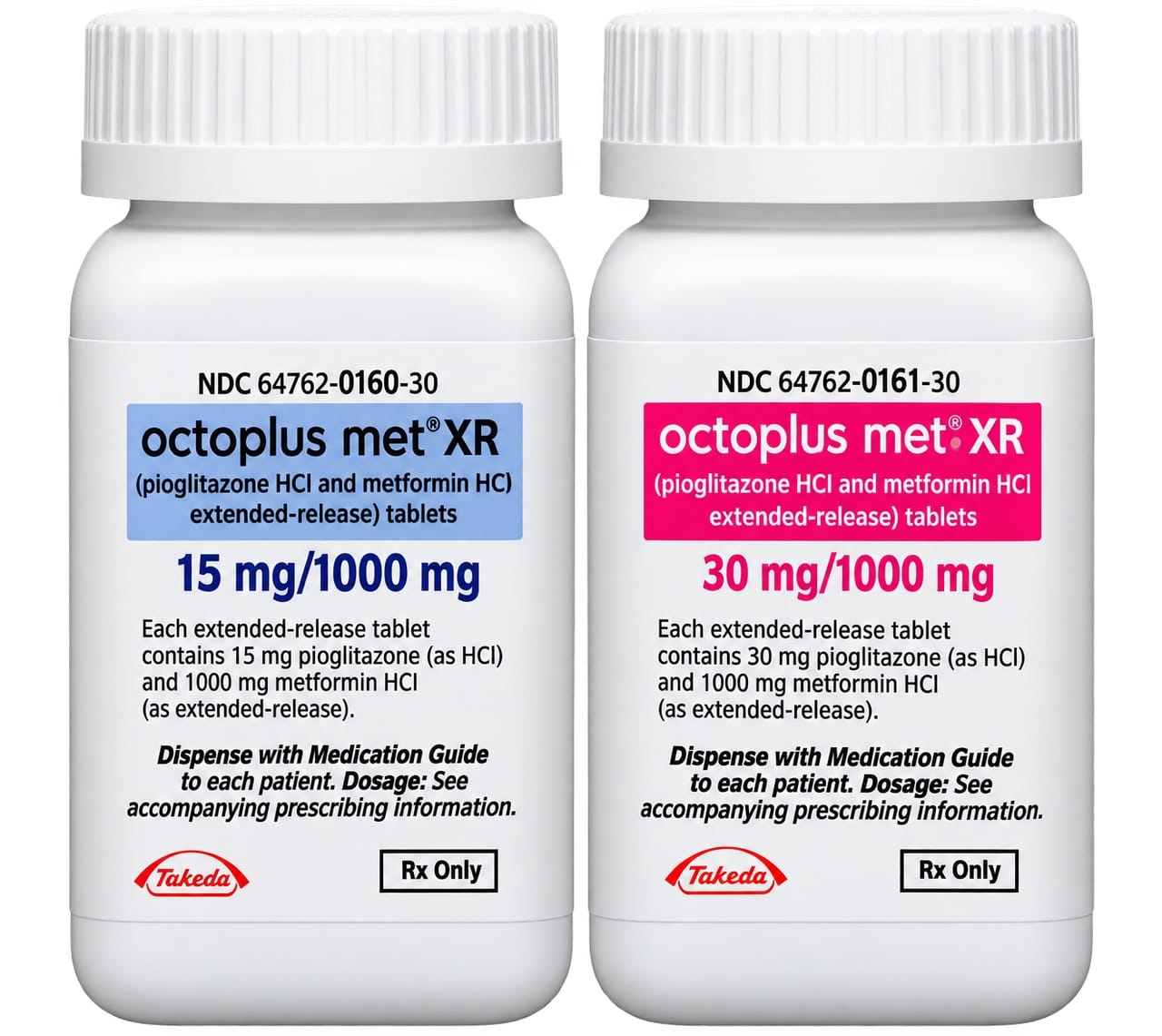
| Forms | Tablet (immediate-release), Tablet (extended-release) |
Quick overview
Actoplus Met Tablet combines pioglitazone hydrochloride and metformin hydrochloride, a thiazolidinedione and biguanide combination. It is a prescription medicine used along with diet and exercise to help control blood sugar in adults with type 2 diabetes. It works through two complementary mechanisms to improve insulin sensitivity and reduce blood sugar levels.
What is Actoplus Met Tablet
Actoplus Met is a prescription medicine that combines two diabetes medicines, pioglitazone and metformin, in one tablet. It is used along with diet and exercise to help control blood sugar in adults with type 2 diabetes.
Actoplus Met Tablet uses
- Used as an adjunct to diet and exercise to improve blood sugar control in adults with type 2 diabetes mellitus when treatment with both pioglitazone and metformin is appropriate
- Can be used for adults with type 2 diabetes who are taking pioglitazone alone and do not have good enough blood sugar control, are taking metformin alone and do not have good enough blood sugar control, or are already taking both pioglitazone and metformin
Benefits of Actoplus Met Tablet
- Significantly reduced average blood sugar (HbA1c) levels compared with metformin alone in clinical studies
- Lowered fasting plasma glucose more than metformin alone in clinical studies
- Improved insulin sensitivity and lowered blood sugar through two different, complementary mechanisms of action
How Actoplus Met Tablet works
Actoplus Met combines two medicines that work in different ways. Pioglitazone makes the body's cells more sensitive to insulin so that muscle and fat tissue use sugar better and the liver makes less sugar, but it needs the body's own insulin to work. Metformin lowers the amount of sugar the liver releases, reduces how much sugar the intestines absorb, and helps the body use insulin more effectively.
Actoplus Met Tablet dosage
Take with meals to lower the chance of an upset stomach. If using the extended-release tablet, take once a day with the evening meal. Swallow extended-release tablets whole; do not chew, cut, or crush them. You may notice something in your stool that looks like the extended-release tablet; this is normal and not a cause for concern.
If you miss a dose, take your next dose as prescribed unless your doctor tells you otherwise; do not take two doses at one time the next day. Stay on your diet and exercise program and test your blood sugar regularly while taking this medicine. It may take 2 to 3 months to see the full effect on your blood sugar level. Your doctor may need to temporarily stop this medicine during illness with severe vomiting, diarrhea, or fever, before surgery, or before an x-ray procedure using injected dye.
| Age group | Dose |
|---|---|
| Under 18 years | Not recommended |
| 18–64 years | 15 mg/850 mg, once/day |
| 65+ years | 15 mg/850 mg, once/day |
Available forms and strengths
- Tablet (immediate-release)
- Tablet (extended-release)
Strength: 15 mg/850 mg
Side effects of Actoplus Met Tablet
Common
- Upper respiratory tract infection (cold-like symptoms)
- Diarrhea
- Headache
- Edema (swelling)
- Weight gain
- Urinary tract infection
- Dizziness
- Sinus infection
- Nausea
- Mild anemia
Serious
- New or worsening heart failure (swelling, rapid weight gain, shortness of breath, unusual tiredness)
- Lactic acidosis (a buildup of acid in the blood) - weakness, unusual muscle pain, trouble breathing, stomach pain, dizziness, feeling cold, slow or irregular heartbeat
- Liver problems - nausea, vomiting, stomach pain, unusual tiredness, loss of appetite, dark urine, yellowing of skin or eyes
- Macular edema (swelling in the back of the eye) with vision changes
- Bone fractures, usually in the hand, upper arm, or foot in women
- Bladder cancer - blood in urine, increased need to urinate, pain while urinating
- Low red blood cell count (anemia)
- Low blood sugar (hypoglycemia)
- Unintended pregnancy due to ovulation in premenopausal women who do not have regular periods
Warnings and precautions
- This medicine can cause new or worsening heart failure. Watch for swelling, rapid weight gain, shortness of breath, or unusual tiredness and call your doctor right away if these occur. This medicine should not be started in people with severe heart failure.
- This medicine can cause a rare but serious condition called lactic acidosis, a buildup of acid in the blood, that can be fatal. Symptoms can be subtle at first, such as feeling unusually weak or tired, muscle pain, trouble breathing, or stomach pain.
- This medicine may increase the risk of bladder cancer. It should not be used by people currently being treated for bladder cancer, and people with a past history of bladder cancer should discuss the risks and benefits with their doctor.
- This medicine can cause swelling in the back of the eye (macular edema) that can affect vision. People with diabetes should have regular eye exams, and anyone who notices vision changes should see an eye doctor promptly.
- Women taking this medicine have a higher chance of bone fractures, usually in the hand, upper arm, or foot.
- This medicine may cause ovulation in premenopausal women who do not have regular periods, which can increase the chance of becoming pregnant unexpectedly.
- This medicine is not recommended during pregnancy. Uncontrolled blood sugar during pregnancy can cause problems for both mother and baby, so talk to your doctor about the best way to manage your blood sugar if you are pregnant or planning to become pregnant.
- This medicine is not recommended while breastfeeding because it is not known if it passes into breast milk or if it could harm the baby.
- This medicine should not be used in people with severe kidney problems, and your doctor will check your kidney function before you start and regularly afterward, since the risk of a serious complication called lactic acidosis is higher if your kidneys are not working well.
- This medicine should generally be avoided if you have liver disease, and your doctor should check your liver function with blood tests before you start treatment and as needed afterward.
- Drinking a lot of alcohol, either regularly or in short binges, can increase your risk of a serious condition called lactic acidosis, so you should avoid excessive alcohol use while taking this medicine.
Storage
- Store at 25°C (77°F); excursions permitted to 15-30°C (59-86°F)
- Keep container tightly closed, and protect from moisture and humidity
- Keep in the original container to protect from light
- Keep the bottle tightly closed and protect from getting wet
- Keep out of the reach of children
When to see a doctor
- Get emergency help right away if you have signs of an allergic reaction such as hives, difficulty breathing, or swelling of the face, lips, tongue, or throat.
- Call your doctor right away if you have swelling, especially in the ankles or legs, shortness of breath or trouble breathing (especially when lying down), a fast increase in weight, or unusual tiredness.
- Call your doctor right away if you feel very weak or tired, have unusual muscle pain, stomach pain, nausea or vomiting, trouble breathing, dizziness or lightheadedness, or a slow or irregular heartbeat, as these could be signs of lactic acidosis.
- Seek prompt medical advice if you notice nausea, vomiting, stomach pain, unusual tiredness, loss of appetite, dark urine, or yellowing of the skin or eyes, which could mean your liver is affected.
- Tell your doctor right away if you notice blood or a red color in your urine, an increased need to urinate, or pain while urinating, since these could be signs of bladder cancer.
- Tell your doctor right away if you notice any changes in your vision, since this could be a sign of swelling in the back of the eye.
Alternatives
- Pioglitazone
- Metformin
- Duetact
Watch the video
FAQs
What is Actoplus Met Tablet used for?
It is used along with diet and exercise to help control blood sugar in adults with type 2 diabetes, combining pioglitazone and metformin in one tablet.
How does Actoplus Met Tablet work?
Pioglitazone makes cells more sensitive to insulin so muscle and fat use sugar better and the liver makes less sugar, while metformin lowers the sugar the liver releases, reduces intestinal sugar absorption, and helps the body use insulin more effectively.
How should Actoplus Met Tablet be taken?
Take with meals to reduce upset stomach. Extended-release tablets should be taken once a day with the evening meal and swallowed whole without chewing, cutting, or crushing.
What are the serious side effects of Actoplus Met Tablet?
Serious side effects include new or worsening heart failure, lactic acidosis, liver problems, macular edema, bone fractures, bladder cancer, low red blood cell count, and low blood sugar.
Can Actoplus Met Tablet be used during pregnancy?
It is not recommended during pregnancy, and patients should talk to their doctor about managing blood sugar if pregnant or planning to become pregnant.
General information, not medical advice
Your prescriber and the leaflet in your pack know your situation. This page does not.
- Follow your prescriber and the leaflet
- Don't start, stop, or change a dose on your own
- Doses and warnings differ by country and product
Sources
Video
Related medicines

Injectafer Injection: Uses, Dosage, Side Effects, Precautions and Alternates
Iron products
Injectafer (ferric carboxymaltose) treats iron deficiency anemia and heart failure-related iron deficiency via IV. Learn uses, dosage, side effects, and

Gliclazide Tablet: Uses, Dosage, Side Effects, Precautions and Alternates
Sulfonylurea (hypoglycemic/antidiabetic agent)
Gliclazide Tablet is a sulfonylurea for type 2 diabetes that boosts insulin release. Learn about dosage, side effects, warnings, and precautions.