
Safety
General information, not medical advice
Your prescriber and the leaflet in your pack know your situation. This page does not.
- Follow your prescriber and the leaflet
- Don't start, stop, or change a dose on your own
- Doses and warnings differ by country and product
Adalimumab Injection: Uses, Dosage, Side Effects, Precautions and Alternates
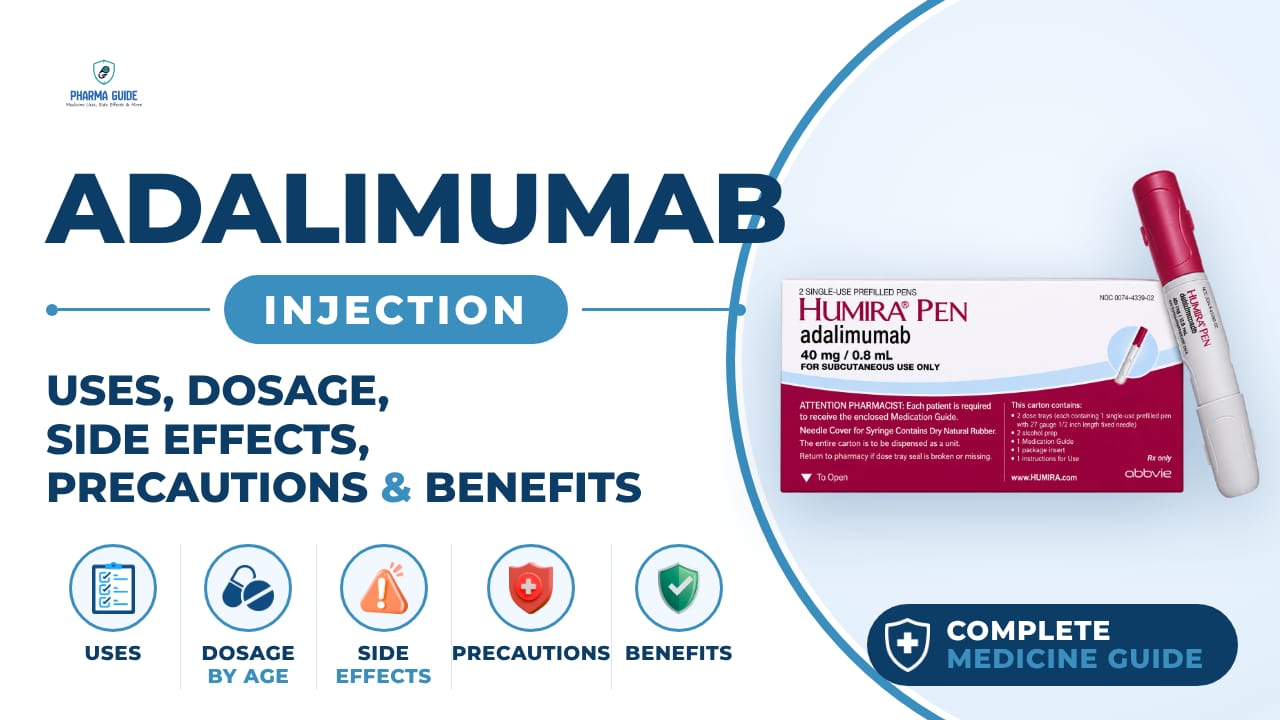
| Generic name | Adalimumab |
|---|---|
| Drug class | Biologic medicine (anti-TNF / TNF-alpha inhibitor) |
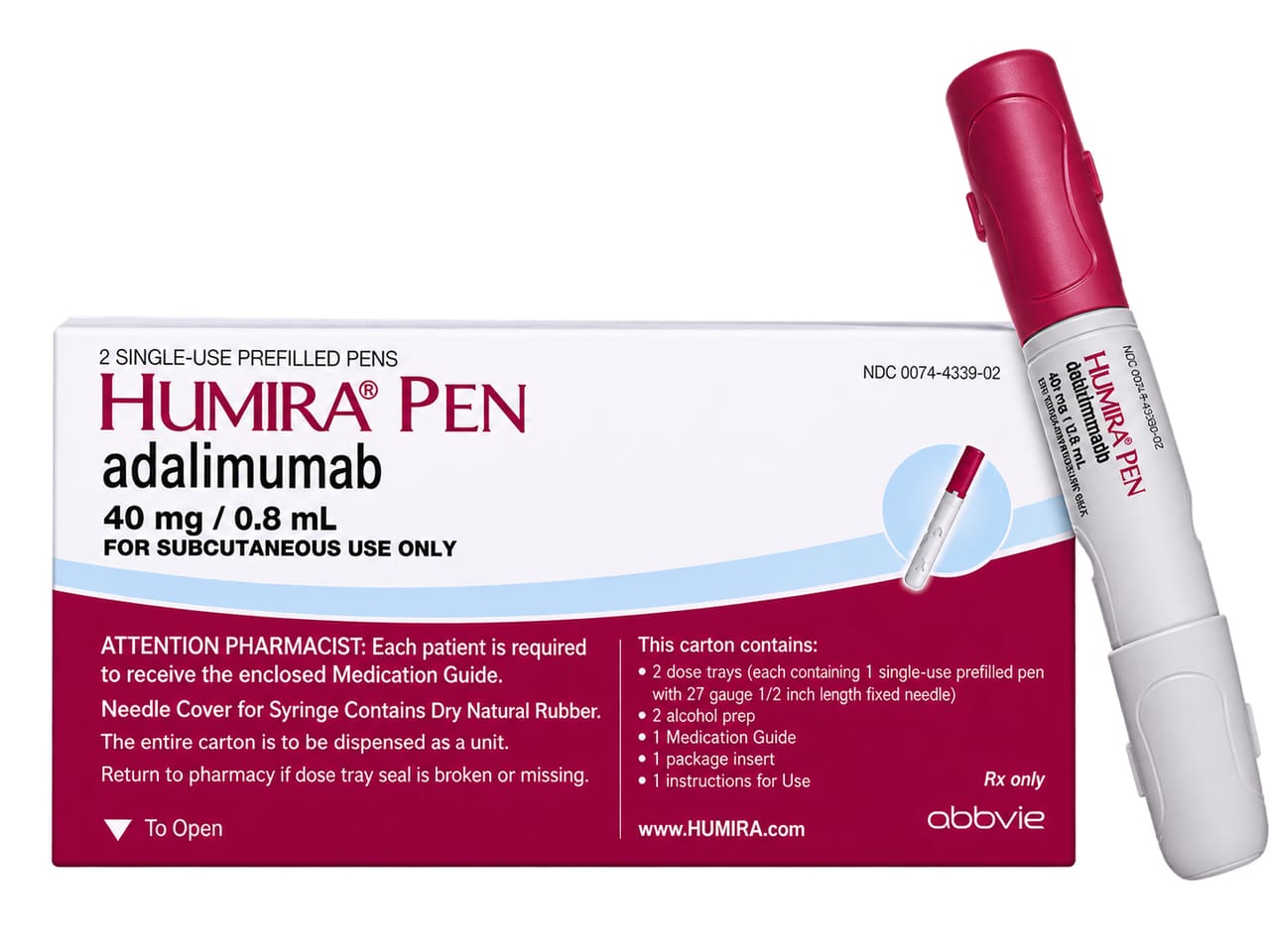
| Forms | Pre-filled syringe, Pre-filled injection pen, Vial (for children, Idacio brand only) |
Quick overview
Adalimumab Injection is a biologic medicine that works by blocking a protein called TNF-alpha to reduce inflammation. It is used for conditions such as Crohn's disease, ulcerative colitis, several types of arthritis, psoriasis, hidradenitis suppurativa, and uveitis. It is given as an injection under the skin using a pre-filled syringe, pen, or vial, and dosing depends on age, weight, and condition.
What is Adalimumab Injection
Adalimumab is a biologic medicine made from living cells. It is a man-made antibody-based medicine used to reduce inflammation caused by conditions like Crohn's Disease, Ulcerative Colitis, psoriasis, hidradenitis suppurativa, and several types of arthritis.
Adalimumab Injection uses
- Moderate to severely active Crohn's Disease
- Moderate to severely active Ulcerative Colitis
- Reducing the risk of a Crohn's flare-up after surgery
- Treating fistulas in people with Crohn's
- Certain types of arthritis (rheumatoid arthritis, psoriatic arthritis, ankylosing spondylitis/axial spondyloarthritis, juvenile idiopathic arthritis)
- Some skin conditions (psoriasis, hidradenitis suppurativa)
- Uveitis (inflammation of the inner part of the eye)
Benefits of Adalimumab Injection
- Reduces inflammation
- Relieves joint pain and swelling
- Helps control rheumatoid and juvenile arthritis
- Helps manage Crohn's disease and ulcerative colitis
- Treats certain cases of psoriasis
- Helps control hidradenitis suppurativa
- Can treat certain forms of uveitis
How Adalimumab Injection works
Adalimumab targets a protein in the body called TNF-alpha. TNF-alpha helps fight infections but too much of it can cause inflammation and damage, such as in the gut, skin, or joints. Adalimumab attaches to TNF-alpha and blocks its harmful effects, which reduces inflammation and helps relieve symptoms.
Adalimumab Injection dosage
Adalimumab is given as an injection under the skin using a pre-filled syringe or pre-filled injection pen, or for children, sometimes a vial with a syringe adapter. It cannot be taken as a tablet because it would be broken down in the gut before it could work. Your first dose is usually given in hospital or by a trained nurse at home, after which you or a family member can be trained to give the injections yourself.
Let the injection warm to room temperature for 15 to 30 minutes before use; do not warm it any other way, such as with hot water or a microwave. Good injection sites are the upper thigh and tummy (at least 5cm from the belly button), or for some skin conditions the stomach, thighs, or upper outer arms. Avoid sore, bruised, scarred, or stretch-marked skin, and use a spot at least 3cm from previous injection sites. Wash your hands and clean the skin with an alcohol wipe before injecting to reduce infection risk, and wear loose clothing to avoid rubbing or pressure on the injection site.
For children aged 6 years and over, adalimumab can be given following the same injection-based approach as adults. It may take several weeks to notice benefits: up to 12 weeks for Crohn's, up to 8 weeks for colitis, and around 3 to 12 weeks for skin conditions.
| Age group | Dose |
|---|---|
| Children ≥2 years with JIA | Weight-based: commonly 10 mg, 20 mg, or 40 mg every other week, depending on body weight |
| Children ≥6 years with Crohn's disease | Weight-based induction regimen followed by 20 mg or 40 mg every other week |
| Adults 18+ with rheumatoid arthritis | Common maintenance dose: 40 mg every other week |
Available forms and strengths
- Pre-filled syringe
- Pre-filled injection pen
- Vial (for children, Idacio brand only)
Side effects of Adalimumab Injection
Common
- Injection-site reactions such as itching, redness, swelling, bruising or pain
- Flu, pneumonia, or upper respiratory tract infections such as colds, runny nose or sinus infections
- Headache or dizziness
- Tummy pain or nausea
- Skin rash or itching
- Muscle or joint pain
- Urinary tract infections
- Mild fungal infections such as athlete's foot
- Cold sores
Serious
- Signs of allergic reaction: difficulty breathing or swallowing, hives, swelling of face/lips/mouth/throat/hands/feet/ankles, dizziness, fast heartbeat
- Signs of infection: flu-like symptoms, fever, persistent cough with mucus, shortness of breath, diarrhoea or vomiting, stinging when passing urine, swelling or pain around a cut, tooth or gum pain or swelling
- Swollen face, hands, ankles or feet
- Trouble breathing or swallowing, shortness of breath when exercising or lying down
- Fever that does not go away
- Bruising, bleeding or paleness
- Unexplained weight loss
- Lack of energy or unusual tiredness
- Changes in vision, weakness in arms or legs, numbness or tingling
- A bump or open sore that will not heal
- Yellow skin or eyes (jaundice)
- Lack of appetite
- Pain on the right side of the tummy
- Increased risk of certain cancers including skin cancer, melanoma, lymphoma, and rarely leukaemia or hepatosplenic T-cell lymphoma
- Blood problems (not enough blood cells to fight infection or stop bleeding)
- Nervous system problems such as numbness, tingling, vision problems, weakness, or dizziness
- Liver inflammation (hepatitis)
- Heart problems may be made worse in rare cases
- Lupus-like reactions (rash, fever, joint pains) that usually go away after stopping the medicine
Warnings and precautions
- Adalimumab affects the immune system, which can increase your risk of infections, including serious or opportunistic infections such as tuberculosis, shingles, and thrush.
- Do not have live vaccines while taking adalimumab, as the weakened virus or bacteria in the vaccine could cause a serious infection.
- Adalimumab may increase the risk of certain cancers, including skin cancer, melanoma, lymphoma, and rarely leukaemia; it may not be suitable if you have previously had cancer.
- If you have heart problems, adalimumab may not be suitable for you, as in rare cases it could make heart problems worse.
- Do not take adalimumab together with medicines containing anakinra or abatacept. Do not stop taking adalimumab without talking to your doctor first, as stopping can increase the risk of a flare-up of your condition.
- Adalimumab is generally considered safe during pregnancy and is not thought to harm the baby. Manufacturers advise using contraception during treatment and for at least five months after the last dose, but many people are advised to continue taking it throughout pregnancy to keep their condition controlled. Some guidance suggests avoiding it only in the final trimester unless the condition is severe.
- You can take adalimumab while breastfeeding. Experts agree it is unlikely to harm the baby, and studies show normal growth, development, and infection rates in breastfed babies of mothers taking adalimumab.
- Tell your IBD team if you have kidney disease before starting adalimumab. Tell your IBD team if you have liver disease. Rarely, adalimumab can cause liver inflammation (hepatitis), and liver enzymes will be monitored with blood tests during treatment.
- You can drink alcohol while taking adalimumab, but you should follow general guidelines on weekly alcohol units to reduce health risks.
- Some people may feel dizzy or have blurred vision after taking adalimumab. Do not drive, ride a bike, or use tools or machines if you feel dizzy or tired after taking this medicine.
Storage
- Keep adalimumab in the fridge (between 2 to 8°C)
- If travelling, you can keep it out of the fridge, out of sunlight, at room temperature (below 25°C) for a set number of days depending on the brand (ranging from 14 to 31 days)
- Ask your pharmacist to dispose of your adalimumab if it is not used within the allowed time out of the fridge
- Do not put your medicine back in the fridge once it has been kept at room temperature
- Keep the pre-filled syringe in its outer carton to protect it from light
- If travelling, use a cool box or cool bag with icepacks to maintain the right temperature
- Always check the leaflet that comes with your medicine
- Dispose of used injections safely using the special sharps bin provided
When to see a doctor
- Get urgent help if you think you are having an allergic reaction, such as difficulty breathing or swallowing, hives, swelling of the face, lips, mouth or throat, dizziness, or a fast heartbeat.
- Tell your doctor or IBD team immediately if you develop symptoms of infection such as flu-like symptoms, high temperature, extreme tiredness, persistent cough with mucus, shortness of breath, diarrhoea or vomiting, stinging when passing urine, or swelling or pain around a cut or wound.
- Tell your doctor or IBD team immediately if you develop swelling of the face, hands, ankles or feet, trouble breathing or swallowing, a fever that won't go away, unusual bruising or bleeding, vision changes, weakness, numbness or tingling, a sore that won't heal, yellow skin or eyes, or lack of appetite.
- If you develop signs of a severe allergic reaction such as a swollen face or tongue, throat tightness, or difficulty breathing, get emergency help right away and go to the hospital.
Alternatives
- Etanercept
- Infliximab
- Certolizumab
Watch the video
FAQs
How is Adalimumab Injection given?
It is given as an injection under the skin using a pre-filled syringe or pen, or for children sometimes a vial with a syringe adapter. It cannot be taken as a tablet because it would be broken down in the gut before it could work.
How long does it take for Adalimumab Injection to work?
It may take several weeks to notice benefits: up to 12 weeks for Crohn's, up to 8 weeks for colitis, and around 3 to 12 weeks for skin conditions.
Can I drink alcohol while taking Adalimumab Injection?
Yes, you can drink alcohol while taking adalimumab, but you should follow general guidelines on weekly alcohol units to reduce health risks.
Is Adalimumab Injection safe during pregnancy and breastfeeding?
Adalimumab is generally considered safe during pregnancy and is not thought to harm the baby, though contraception is advised during treatment and for at least five months after the last dose. It can also be taken while breastfeeding, as experts agree it is unlikely to harm the baby.
How should Adalimumab Injection be stored?
Keep it in the fridge between 2 to 8°C. If travelling, it can be kept out of the fridge at room temperature below 25°C for a set number of days depending on the brand, ranging from 14 to 31 days, but should not be put back in the fridge afterward.
General information, not medical advice
Your prescriber and the leaflet in your pack know your situation. This page does not.
- Follow your prescriber and the leaflet
- Don't start, stop, or change a dose on your own
- Doses and warnings differ by country and product
Sources
- Crohn's & Colitis UK, Adalimumab, ed 8b (2024, 2025)
- British Association of Dermatologists, Adalimumab Patient Information Leaflet (August 2023)
- Arthritis UK, Adalimumab booklet
Video
Related medicines

Injectafer Injection: Uses, Dosage, Side Effects, Precautions and Alternates
Iron products
Injectafer (ferric carboxymaltose) treats iron deficiency anemia and heart failure-related iron deficiency via IV. Learn uses, dosage, side effects, and

Gliclazide Tablet: Uses, Dosage, Side Effects, Precautions and Alternates
Sulfonylurea (hypoglycemic/antidiabetic agent)
Gliclazide Tablet is a sulfonylurea for type 2 diabetes that boosts insulin release. Learn about dosage, side effects, warnings, and precautions.