
Safety
General information, not medical advice
Your prescriber and the leaflet in your pack know your situation. This page does not.
- Follow your prescriber and the leaflet
- Don't start, stop, or change a dose on your own
- Doses and warnings differ by country and product
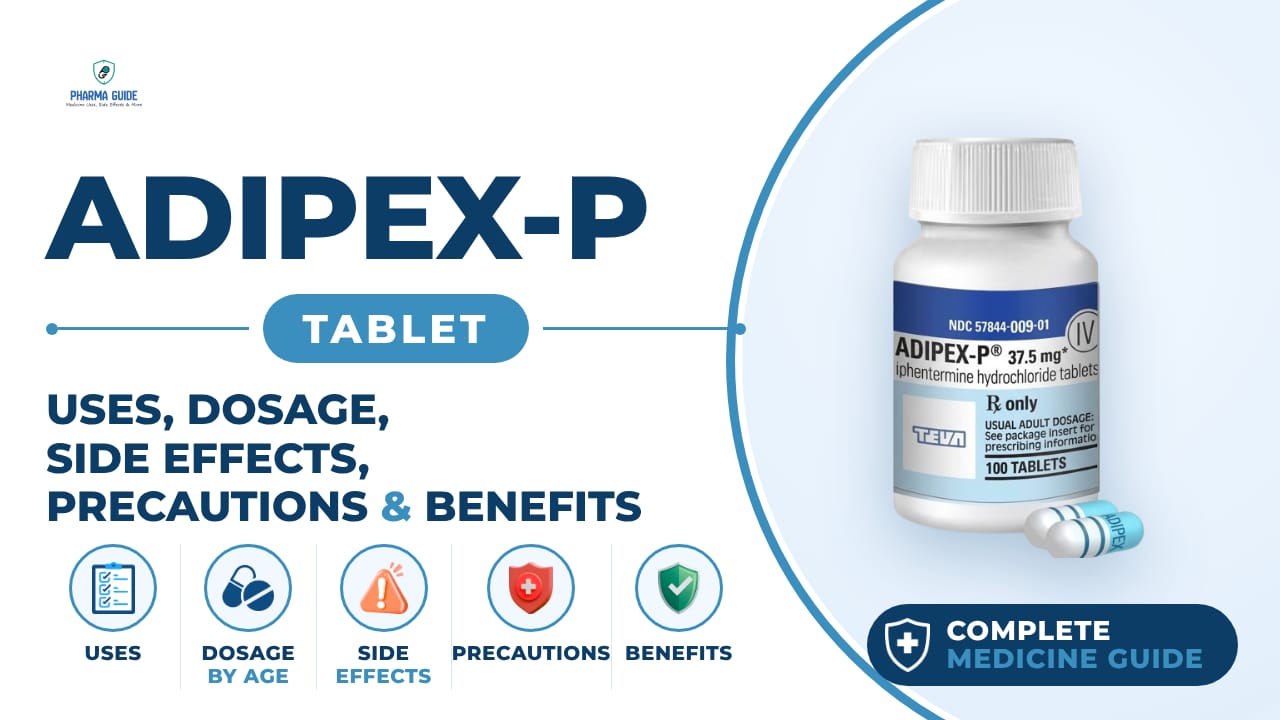
Adipex-P Tablet: Uses, Dosage, Side Effects, Precautions and Alternates
| Generic name | phentermine hydrochloride |
|---|---|
| Drug class | Sympathomimetic amine anorectic |
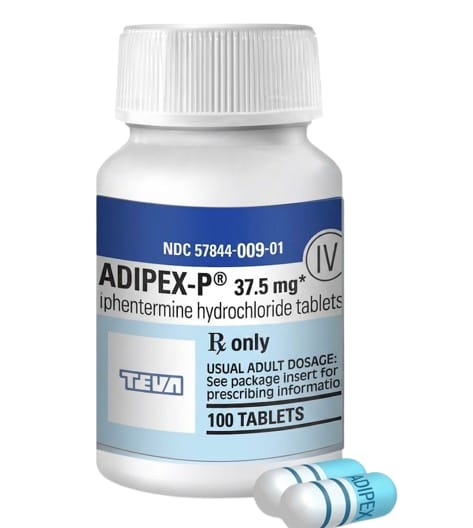
| Forms | Tablet, Capsules |
Quick overview
Adipex-P Tablet (phentermine hydrochloride) is a sympathomimetic amine anorectic used for short-term weight management in adults with obesity, alongside a calorie-controlled diet and physical activity. It works by stimulating the central nervous system and lowering appetite. It is a Schedule IV controlled substance with a risk of misuse and dependence, and it is meant for short-term use only.
What is Adipex-P Tablet
Adipex-P is a prescription medicine similar to amphetamine. It stimulates the central nervous system, which increases heart rate and blood pressure and decreases appetite. It is a Schedule IV controlled substance, meaning it has a risk of misuse and dependence.
Adipex-P Tablet uses
- Short-term treatment of obesity.
- Weight management in adults with obesity.
- Weight reduction alongside a calorie-controlled diet.
- Support for weight loss with physical activity.
- Weight management in eligible adults with weight-related health risks.
Benefits of Adipex-P Tablet
- Helps reduce appetite.
- Supports short-term weight loss.
- Helps control hunger.
- Supports weight management alongside diet and exercise.
- May help improve weight-related health risks through weight reduction.
How Adipex-P Tablet works
Adipex-P is thought to work by lowering appetite, likely by affecting certain chemicals in the brain and stimulating the central nervous system, though the exact way it helps with weight loss is not fully understood.
Adipex-P Tablet dosage
Take exactly as prescribed by your doctor; do not take more than prescribed or for longer than prescribed. It is usually taken before breakfast or 1 to 2 hours after breakfast, and can be taken with or without food. Avoid taking it late in the day or in the evening because it can cause trouble sleeping. It's best to take it around the same time each day. Tablets may be split in half if your doctor prescribes a half-tablet dose. This medicine is meant for short-term use only (a few weeks). Do not stop taking this medicine suddenly without talking to your doctor, as this can cause withdrawal symptoms. If you miss a dose, take it as soon as you remember, but skip it if it's almost time for your next dose; do not take two doses at once. This medicine is not recommended for use in children 16 years of age and younger. Elderly patients should generally start at the lowest dose because of a higher chance of reduced kidney, liver, or heart function.
| Age group | Dose |
|---|---|
| Under 18 years | Not recommended |
| 18–64 years | 37.5 mg, once/day |
| 65+ years | 37.5 mg, once/day |
Available forms and strengths
- Tablet
- Capsules
Side effects of Adipex-P Tablet
Common
- Dry mouth or unpleasant taste
- Headache
- Tremor or shaking
- Constipation
- Diarrhea or upset stomach
- High blood pressure
- Fast heart rate
- Difficulty sleeping (insomnia)
- Dizziness
- Restlessness
- Changes in sex drive or difficulty with erections
- Hives or itching
Serious
- Signs of high blood pressure in the lungs (pulmonary hypertension): chest pain, shortness of breath, tiredness, dizziness or fainting, swelling in feet, ankles, or legs
- Heart valve problems: shortness of breath, chest pain, tiredness, dizziness, skipped heartbeats, swelling in ankles, feet, or legs
- Signs of severely high blood pressure: severe headache, difficulty breathing, chest pain, blurry vision, confusion
- Low blood sugar in people taking certain diabetes medicines: feeling faint, shaking, sweating, nervousness, confusion, irritability, feeling very hungry
- Signs of misuse or psychosis: hallucinations, delusional thoughts, disorganized thoughts, aggressive behavior, severe sleep problems, extreme irritability
- Signs of a serious allergic reaction: hives, difficulty breathing, swelling of the face, lips, tongue, or throat
Warnings and precautions
- Taking this medicine with other weight-loss medicines, including over-the-counter products, is not recommended because safety has not been established.
- Rare but serious cases of high blood pressure in the lungs (pulmonary hypertension) have been reported.
- Rare but serious heart valve problems have been reported.
- The medicine may stop working as well over time (tolerance). If this happens, do not increase the dose — talk to your doctor instead.
- This medicine has a risk of misuse and dependence because it is related to amphetamines.
- Do not take this medicine if you have taken a monoamine oxidase inhibitor (MAOI) in the past 14 days, due to the risk of a dangerous rise in blood pressure.
- People with even mild high blood pressure should use this medicine with caution because it can raise blood pressure further.
- People with diabetes taking insulin or certain oral diabetes medicines may need a dose adjustment because this medicine can affect blood sugar control.
- Stopping this medicine suddenly after long-term high-dose use can cause withdrawal symptoms like extreme tiredness and depression.
- Taking too much of this medicine can be fatal; only the smallest amount needed should be prescribed or kept on hand.
- Do not take this medicine if you are pregnant. Weight loss during pregnancy is not recommended and could harm the baby.
- It is recommended to avoid breastfeeding while taking this medicine because of possible risks to the nursing baby.
- This medicine is removed from the body mainly through the kidneys, so people with kidney problems may need a lower dose and closer monitoring.
- Drinking alcohol while taking this medicine may cause unwanted reactions, such as worsened side effects. This medicine can affect your ability to drive or operate machinery safely, especially when you first start taking it.
Storage
- Store at 20° to 25°C (68° to 77°F) (USP Controlled Room Temperature)
- Dispense in a tight, light-resistant container with a child-resistant closure
- Keep out of the reach of children
- Keep the bottle tightly closed when not in use
- Store away from moisture and heat
- Keep in a safe place to prevent theft, accidental overdose, misuse, or abuse
When to see a doctor
- Get emergency help right away if you have signs of a severe allergic reaction, such as hives, trouble breathing, or swelling of the face, lips, tongue, or throat.
- Call your doctor right away if you feel short of breath even with mild activity, have chest pain, feel like you might pass out, have swelling in your ankles or feet, or notice pounding or fluttering heartbeats.
- Call your doctor right away if you have unusual changes in mood or behavior, or a severe headache, blurred vision, pounding in the neck or ears, anxiety, or nosebleed.
- Stop the medicine and contact your doctor immediately if you develop new, unexplained shortness of breath, chest pain, fainting, or swelling in the lower legs, as these can be signs of serious lung or heart valve problems.
- Call your doctor if you think the medicine is not working well anymore or if you have not lost at least 4 pounds within 4 weeks.
- If you have symptoms of low blood sugar, such as feeling faint, shaking, or sweating, check and treat it right away, and get emergency help if symptoms do not improve.
- Seek emergency medical attention if you think you or someone else has taken too much of this medicine, since an overdose can be fatal.
Alternatives
- Contrave
- Qsymia
- Phentermine
Watch the video
FAQs
What is Adipex-P Tablet used for?
Adipex-P is used for short-term treatment of obesity and weight management in adults, alongside a calorie-controlled diet and physical activity.
How does Adipex-P Tablet work?
It is thought to work by lowering appetite, likely by affecting certain brain chemicals and stimulating the central nervous system, though the exact mechanism is not fully understood.
What is the dosage of Adipex-P Tablet?
The usual dose for adults 18 years and older is 37.5 mg once daily, taken before breakfast or 1 to 2 hours after breakfast. It is meant for short-term use only, for a few weeks.
What are the common side effects of Adipex-P Tablet?
Common side effects include dry mouth, headache, tremor, constipation, diarrhea, high blood pressure, fast heart rate, insomnia, dizziness, restlessness, and changes in sex drive.
Can I stop taking Adipex-P Tablet suddenly?
No, you should not stop taking it suddenly without talking to your doctor, as this can cause withdrawal symptoms like extreme tiredness and depression.
General information, not medical advice
Your prescriber and the leaflet in your pack know your situation. This page does not.
- Follow your prescriber and the leaflet
- Don't start, stop, or change a dose on your own
- Doses and warnings differ by country and product
Sources
Video
Related medicines

Injectafer Injection: Uses, Dosage, Side Effects, Precautions and Alternates
Iron products
Injectafer (ferric carboxymaltose) treats iron deficiency anemia and heart failure-related iron deficiency via IV. Learn uses, dosage, side effects, and

Gliclazide Tablet: Uses, Dosage, Side Effects, Precautions and Alternates
Sulfonylurea (hypoglycemic/antidiabetic agent)
Gliclazide Tablet is a sulfonylurea for type 2 diabetes that boosts insulin release. Learn about dosage, side effects, warnings, and precautions.