
Safety
General information, not medical advice
Your prescriber and the leaflet in your pack know your situation. This page does not.
- Follow your prescriber and the leaflet
- Don't start, stop, or change a dose on your own
- Doses and warnings differ by country and product
Advil Tablet: Uses, Dosage, Side Effects, Precautions and Alternates
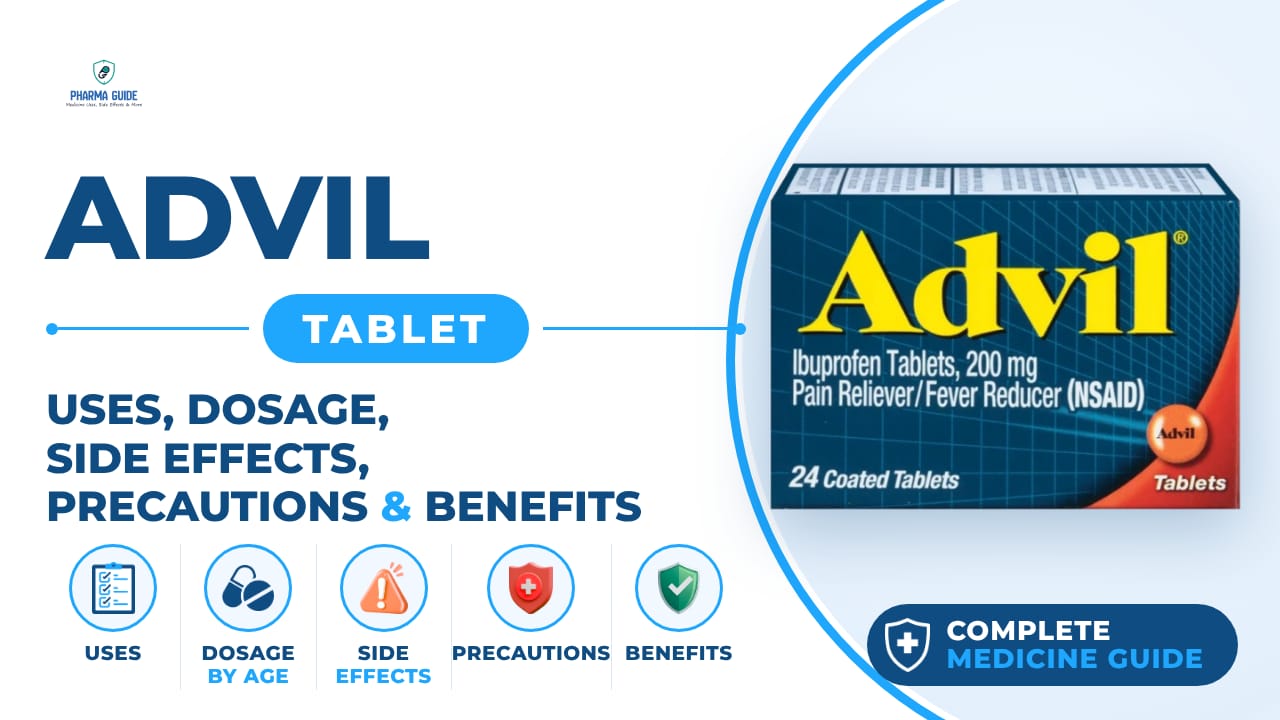
| Generic name | Ibuprofen |
|---|---|
| Drug class | Nonsteroidal anti-inflammatory drug (NSAID) |
| Forms | Tablet, Caplet, Gel caplet, Extended release tablet, Chewable tablet |
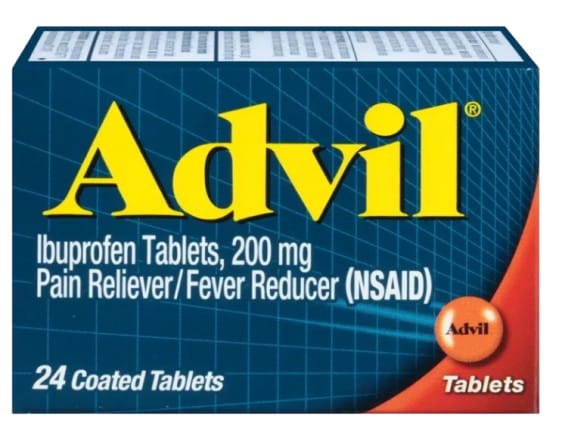
Quick overview
Advil Tablet contains ibuprofen, a nonsteroidal anti-inflammatory drug (NSAID) that acts as a pain reliever and fever reducer. It temporarily relieves minor aches and pains and reduces fever by lowering the chemicals in the body that cause pain and inflammation. It is available in several forms, including tablets, caplets, gel caplets, extended release tablets, and chewable tablets. Use it exactly as directed and be aware of its side effects and warnings.
What is Advil Tablet
Advil is a nonsteroidal anti-inflammatory drug (NSAID) that contains ibuprofen. It is a pain reliever and fever reducer that can reduce the chemicals in your body which cause pain and inflammation.
Advil Tablet uses
- Temporarily relieves minor aches and pains from headache
- Toothache
- Backache
- Menstrual cramps
- The common cold and flu
- Muscular aches
- Minor pain of arthritis
- Muscle sprains and strains
- Migraine pain
- Temporarily reduces fever
Benefits of Advil Tablet
- Provides fast and effective relief of pain and swelling
- Reduces fever
- Relieves pain from inflammation associated with conditions such as arthritis
How Advil Tablet works
Ibuprofen works by reducing the substances (prostaglandins) in your body that cause pain, fever, and inflammation. It only relieves pain and reduces swelling as long as you keep taking it.
Advil Tablet dosage
Take with food or milk if stomach upset occurs. Do not take more than directed. Use the smallest effective dose. Do not use longer than 3 days for a fever or 5 days for pain relief unless directed by a doctor. Shake the oral suspension before you measure a dose and use a proper dose-measuring device, not a kitchen spoon. You must chew the chewable tablet before you swallow it. If you miss a dose, take it as soon as you remember. If it is almost time for your next dose, skip the missed dose. Do not take two doses at the same time.
| Age group | Dose |
|---|---|
| Under 12 years | Not recommended for Advil 200 mg tablets unless directed by a doctor |
| 12–17 years | 1 tablet (200 mg) every 4–6 hours |
| 18 years and older | 1 tablet (200 mg) every 4–6 hours |
Available forms and strengths
- Tablet (200 mg)
- Caplet
- Gel caplet
- Extended release tablet
- Chewable tablet
Side effects of Advil Tablet
Common
- Nausea, vomiting, gas
- Abdominal pain, heartburn
- Bloating, diarrhea or constipation
- Dizziness
- Headache
- Ringing or buzzing in the ears
- Nervousness, sleeplessness
- Bleeding
Serious
- Signs of stomach bleeding such as bloody or black stools, vomiting blood, or vomit that looks like coffee grounds
- Signs of heart attack or stroke such as chest pain, trouble breathing, weakness on one side of the body, slurred speech, or leg swelling
- Severe allergic reaction such as hives, facial swelling, wheezing, or difficulty breathing
- Severe skin reaction with rash, blistering and peeling
- Liver problems such as jaundice (yellowing of the skin or eyes), dark urine, or loss of appetite
- Kidney problems such as little or no urinating or swelling in the feet or ankles
- Low red blood cells (anemia)
- Changes in vision
Warnings and precautions
- If pregnant, ask a health professional before use. It is especially important not to use ibuprofen at 20 weeks or later in pregnancy unless directed by a doctor, because it may cause problems in the unborn child or complications during delivery.
- If breastfeeding, ask a health professional before use.
- Ask a doctor before use if you have kidney disease. Do not use if you have serious kidney disease. Kidney problems such as little or no urinating or swelling in the feet or ankles can occur.
- Ask a doctor before use if you have liver cirrhosis. Do not use if you have serious liver disease.
- Avoid drinking alcohol. It may increase your risk of stomach bleeding. The chance of stomach bleeding is higher if you have 3 or more alcoholic drinks every day while using this product.
- Some people may experience drowsiness, dizziness, vertigo, or changes in vision with the use of ibuprofen. If you experience these effects, use caution when doing activities that require alertness.
- Ibuprofen may cause a severe allergic reaction, especially in people allergic to aspirin. If an allergic reaction occurs, stop use and seek medical help right away.
- This product contains an NSAID which may cause severe stomach bleeding. The chance is higher if you are age 60 or older, have had stomach ulcers or bleeding, take a blood thinner or steroid, take other NSAIDs, drink 3 or more alcoholic drinks daily, or take more or longer than directed.
- NSAIDs, except aspirin, increase the risk of heart attack, heart failure, and stroke. These can be fatal. The risk is higher if you use more than directed or for longer than directed.
- Do not use right before or after heart surgery.
- Do not take more than your recommended dose. An ibuprofen overdose can damage your stomach or intestines. Use only the smallest amount needed to get relief.
- If you take aspirin to prevent heart attack or stroke, ibuprofen may make aspirin less effective. Take ibuprofen at least 8 hours before or 30 minutes after aspirin (non-enteric coated form).
Storage
- Store at room temperature (15-30°C).
- Avoid excessive heat above 40°C (104°F).
- Keep out of reach of children.
- Do not allow the liquid medicine to freeze.
When to see a doctor
- Stop use and ask a doctor if you experience signs of stomach bleeding such as feeling faint, vomiting blood, having bloody or black stools, or stomach pain that does not get better.
- Get emergency medical help if you have signs of a heart attack or stroke, such as chest pain, trouble breathing, weakness on one side of the body, slurred speech, or leg swelling.
- Stop use and ask a doctor if pain gets worse or lasts more than 10 days, fever gets worse or lasts more than 3 days, redness or swelling is present, or any new symptoms appear.
- Get emergency medical help if you have signs of an allergic reaction such as hives, difficult breathing, or swelling in your face or throat, or a severe skin reaction.
- In case of overdose, get medical help or contact a poison control center right away, even if there are no symptoms.
Alternatives
- Naproxen
- Aspirin
- Acetaminophen (Tylenol)
- Diclofenac
Watch the video
FAQs
What is Advil Tablet used for?
Advil Tablet temporarily relieves minor aches and pains from headache, toothache, backache, menstrual cramps, the common cold, muscular aches, minor arthritis pain, muscle sprains and strains, and migraine pain, and it also temporarily reduces fever.
How does Advil Tablet work?
Advil contains ibuprofen, which works by reducing prostaglandins in the body that cause pain, fever, and inflammation. It only relieves pain and reduces swelling as long as you keep taking it.
What is the dosage for Advil Tablet?
For people 12 years and older, the dose is 1 tablet (200 mg) every 4 to 6 hours. It should not be used longer than 3 days for fever or 5 days for pain relief unless directed by a doctor, and it is not recommended for children under 12 unless a doctor directs otherwise.
What are the side effects of Advil Tablet?
Common side effects include nausea, vomiting, gas, abdominal pain, heartburn, bloating, diarrhea or constipation, dizziness, headache, ringing in the ears, nervousness, sleeplessness, and bleeding. Serious side effects include signs of stomach bleeding, heart attack or stroke, severe allergic reactions, severe skin reactions, liver or kidney problems, anemia, and vision changes.
What warnings should I know before taking Advil Tablet?
Avoid alcohol since it increases the risk of stomach bleeding, ask a doctor before use if you have kidney or liver disease, and do not use the product right before or after heart surgery. Pregnant or breastfeeding individuals should ask a health professional before use, especially avoiding use at 20 weeks or later in pregnancy unless directed by a doctor.
General information, not medical advice
Your prescriber and the leaflet in your pack know your situation. This page does not.
- Follow your prescriber and the leaflet
- Don't start, stop, or change a dose on your own
- Doses and warnings differ by country and product
Sources
- Advil Tablets Drug Facts labeling (advil.com)
- Advil Product Monograph, Pfizer Consumer Healthcare (Health Canada)
- Advil (ibuprofen) — Drugs.com, medically reviewed by Sanjai Sinha, MD
Video
Related medicines
Relaxyl Capsule: Uses, Dosage, Side Effects, Precautions and Alternates
Nonsteroidal Anti-Inflammatory Drug (NSAID)
Relaxyl Capsule contains diclofenac, an NSAID used to relieve joint and muscle pain, swelling, and inflammation. Learn uses, dosage, and side effects.
Nabumetone Tablet: Uses, Dosage, Side Effects, Precautions and Alternates
Nonsteroidal anti-inflammatory drug (NSAID)
Nabumetone Tablet is an NSAID for osteoarthritis and rheumatoid arthritis pain relief. Learn its dosage, uses, side effects, and safety warnings.