
Safety
General information, not medical advice
Your prescriber and the leaflet in your pack know your situation. This page does not.
- Follow your prescriber and the leaflet
- Don't start, stop, or change a dose on your own
- Doses and warnings differ by country and product
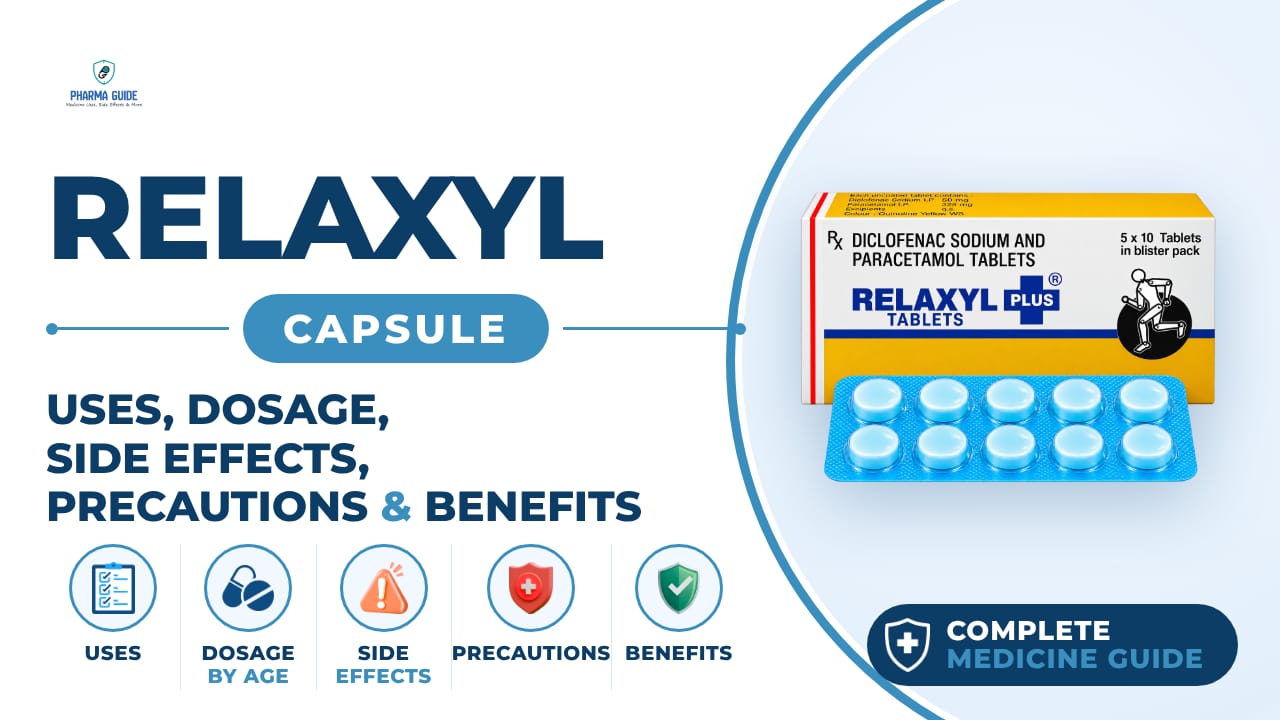
Relaxyl Capsule: Uses, Dosage, Side Effects, Precautions and Alternates
| Generic name | Diclofenac |
|---|---|
| Drug class | Nonsteroidal Anti-Inflammatory Drug (NSAID) |
| Forms | Tablet |
Quick overview
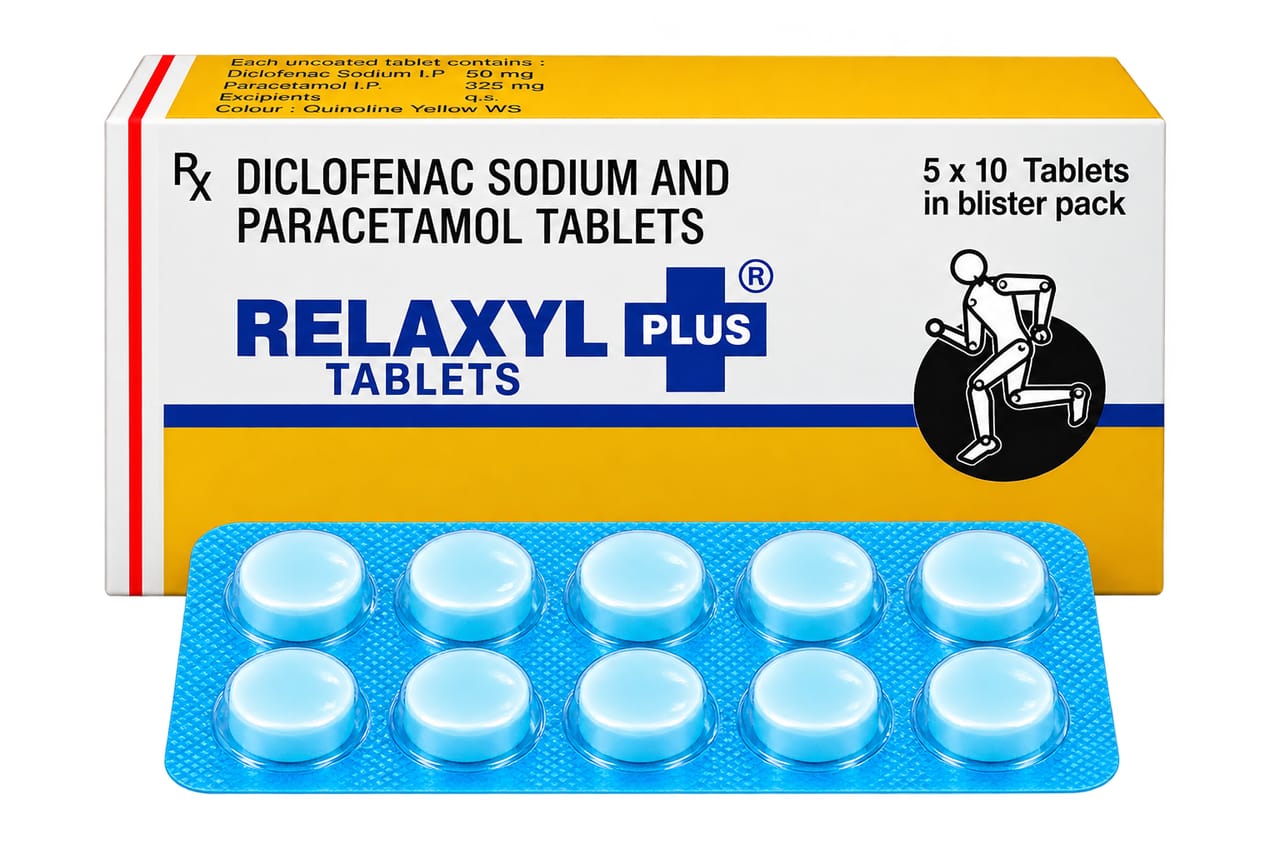
Relaxyl Capsule contains diclofenac, a nonsteroidal anti-inflammatory drug (NSAID). It is used to relieve pain, swelling, and inflammation in joint and muscle conditions. It works by blocking substances in the body called prostaglandins, which cause pain, fever, and swelling. It is available as a tablet.
What is Relaxyl Capsule
Relaxyl is a painkiller tablet that contains diclofenac, a nonsteroidal anti-inflammatory drug (NSAID). It is used to relieve pain, swelling, and inflammation in joint and muscle conditions.
Relaxyl Capsule uses
- Rheumatoid arthritis
- Osteoarthritis
- Ankylosing spondylitis
- Lower back pain
- Neck pain
- Post-operative pain relief
- Dysmenorrhea (menstrual cramps)
- Mild to moderate pain
- Migraine attacks
- Gout
- Muscle aches
- Inflammation
- Renal colic
- Tendinitis
- Dental pain
- Bursitis
Benefits of Relaxyl Capsule
- Reduces joint pain, swelling, and stiffness in osteoarthritis and rheumatoid arthritis
- Eases discomfort from back pain, sprains, muscle strains, and joint injuries
- Provides effective relief from surgical discomfort, dental pain, and painful menstrual cramps
How Relaxyl Capsule works
Diclofenac blocks the formation of substances in the body called prostaglandins, which cause pain, fever, and swelling. It does this by blocking enzymes called COX-1 and COX-2, which lowers inflammation and pain.
Relaxyl Capsule dosage
Swallow the tablet whole with a glass of water. Avoid crushing or chewing it. Take this medicine with food or milk to help prevent an upset stomach. Do not stop taking it suddenly or take it for longer than recommended without consulting your doctor. Do not take more than the amount your doctor recommends.
If you miss a dose, take it as soon as you remember. If it is almost time for your next dose, skip the missed one and go back to your normal schedule. Do not take extra to make up for a missed dose.
Use exactly as prescribed by your doctor or pharmacist.
Available forms and strengths
- Tablet
Side effects of Relaxyl Capsule
Common
- Nausea and vomiting
- Headache
- Stomach pain
- Diarrhoea
- Indigestion
- Dizziness
- Mild skin rash or itching
- Ringing or buzzing in the ears
Serious
- Severe stomach and intestinal bleeding
- Black tarry stools
- Severe stomach pain
- Persistent indigestion
- Jaundice
- Fever with rash or joint pain
Warnings and precautions
- Do not take this medicine if you are allergic to diclofenac or any of its ingredients.
- This medicine is not meant for children. Always check with a doctor before giving it to a child.
- Older patients should use this medicine only under medical supervision, since they may be more sensitive to its side effects and may also be taking other medicines for liver or kidney conditions.
- People with heart disease or risk factors for heart problems may have a higher risk of heart attack or stroke when using this medicine.
- This medicine can worsen stomach or intestinal problems such as ulcers or bleeding in people who have had them before.
- Do not use this medicine if you have an active or suspected stomach ulcer or gastrointestinal bleeding, or if aspirin or other NSAIDs have triggered asthma, hives, or a stuffy/runny nose in the past.
- This medicine is not recommended during pregnancy, especially in the third trimester, as it may cause miscarriage or affect the baby's heart development. Discuss the risks and benefits with your doctor first.
- This medicine may pass into breast milk in small amounts. Tell your doctor before breastfeeding if you are taking it.
- If you have a history of kidney problems, talk to your doctor before using this medicine, as it may need caution or dose adjustment.
- If you have liver problems, talk to your doctor before starting this medicine, as it can affect liver function and needs careful use.
- Avoid drinking alcohol while taking this medicine, as it can increase the risk of stomach and intestinal bleeding and cause excessive drowsiness.
- This medicine may cause dizziness or affect your concentration, so be careful while driving or operating machinery until you know how it affects you.
Storage
- Store at room temperature.
- Keep in a dry place, away from excessive light and moisture.
- Always ensure the medicine is out of children's reach.
- Use before the expiry date printed on the pack.
When to see a doctor
- Tell your doctor right away if you notice black, tarry stools, severe stomach pain, or indigestion that doesn't go away.
- If side effects do not improve or become serious, speak to your doctor right away.
- If you suspect you have taken too much of this medicine, tell your doctor immediately.
Alternatives
- Diclomax 50 MG Tablet
- Runac 50 MG Tablet
- Supanac 50 MG Tablet
- Vorik 50 MG Tablet
Watch the video
FAQs
What is Relaxyl Capsule used for?
Relaxyl Capsule is used to relieve pain, swelling, and inflammation in conditions like rheumatoid arthritis, osteoarthritis, back pain, neck pain, dysmenorrhea, migraine, gout, and dental pain, among others.
How does Relaxyl Capsule work?
It contains diclofenac, which blocks the formation of prostaglandins by inhibiting COX-1 and COX-2 enzymes, reducing pain, fever, and swelling.
What are the common side effects of Relaxyl Capsule?
Common side effects include nausea, vomiting, headache, stomach pain, diarrhoea, indigestion, dizziness, mild skin rash or itching, and ringing in the ears.
Can Relaxyl Capsule be taken during pregnancy?
It is not recommended during pregnancy, especially in the third trimester, as it may cause miscarriage or affect the baby's heart development. Discuss the risks and benefits with your doctor first.
How should Relaxyl Capsule be taken?
Swallow the tablet whole with a glass of water without crushing or chewing it, preferably with food or milk to prevent an upset stomach, exactly as prescribed by your doctor.
General information, not medical advice
Your prescriber and the leaflet in your pack know your situation. This page does not.
- Follow your prescriber and the leaflet
- Don't start, stop, or change a dose on your own
- Doses and warnings differ by country and product
Sources
- Gan, T. J. (2010). Diclofenac: an update on its mechanism of action and safety profile. Current Medical Research and Opinion, 26(7), 1715–1731.
- NHS UK. (n.d.). Diclofenac: medicine to relieve pain and swelling.
- PubChem. (n.d.). Diclofenac.
- DailyMed - DICLOFENAC SODIUM tablet, film coated.
- U.S. Food and Drug Administration. (2009). Diclofenac Potassium for Oral Solution NDA 22-165.
- Diclofenac: MedlinePlus Drug Information.
Video
Related medicines
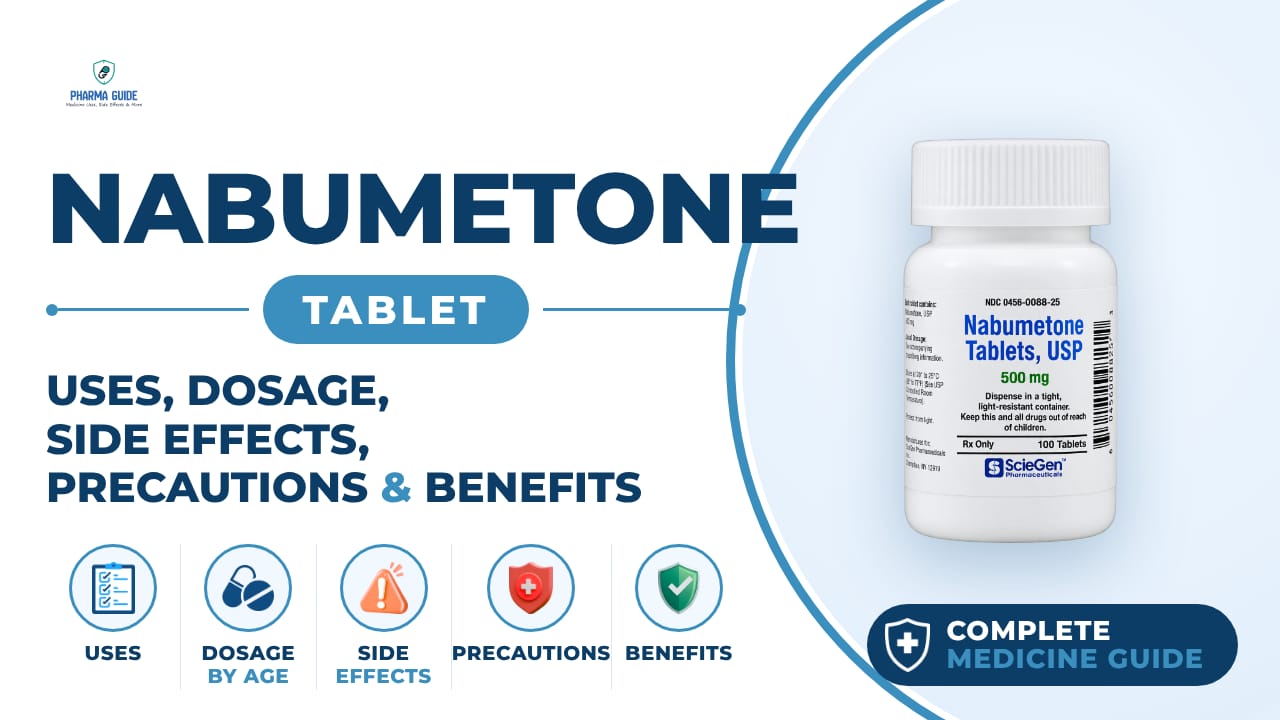
Nabumetone Tablet: Uses, Dosage, Side Effects, Precautions and Alternates
Nonsteroidal anti-inflammatory drug (NSAID)
Nabumetone Tablet is an NSAID for osteoarthritis and rheumatoid arthritis pain relief. Learn its dosage, uses, side effects, and safety warnings.
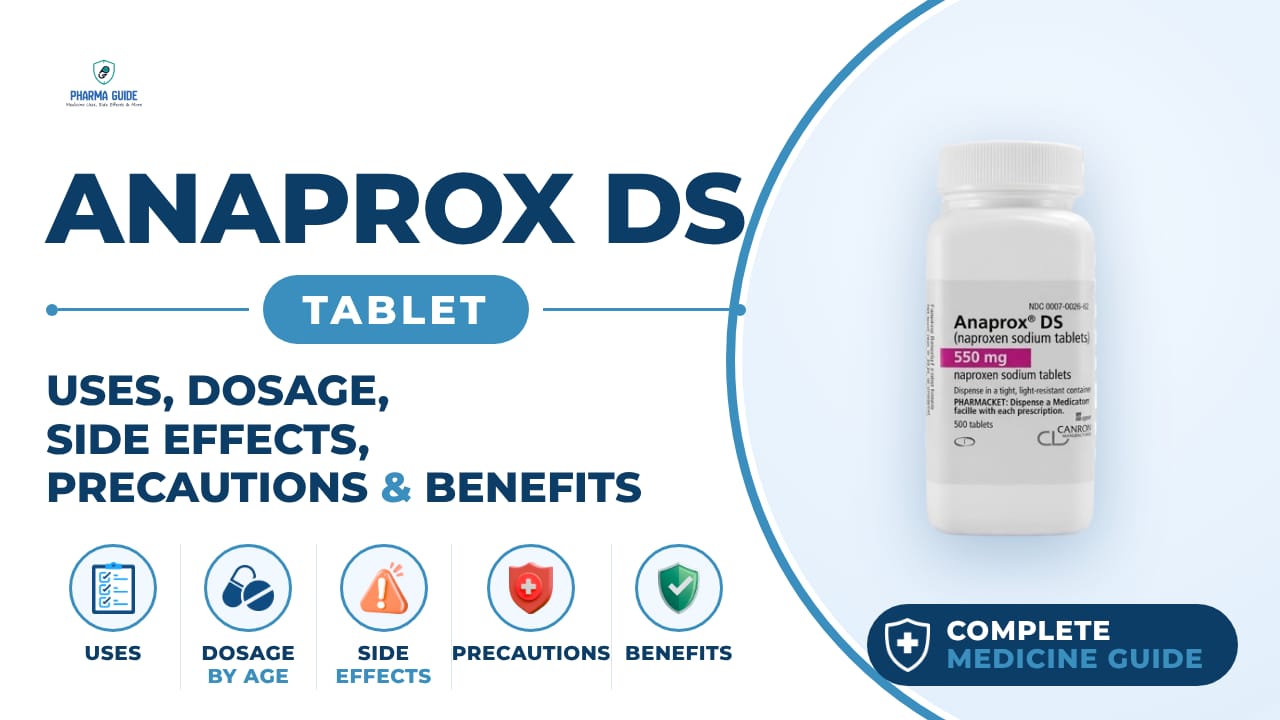
Anaprox DS Tablet: Uses, Dosage, Side Effects, Precautions and Alternates
Nonsteroidal anti-inflammatory drug (NSAID)
Anaprox DS Tablet (naproxen sodium) relieves pain, inflammation, and swelling from arthritis, gout, and menstrual cramps. Learn uses, dosage, and side effects.