
Safety
General information, not medical advice
Your prescriber and the leaflet in your pack know your situation. This page does not.
- Follow your prescriber and the leaflet
- Don't start, stop, or change a dose on your own
- Doses and warnings differ by country and product
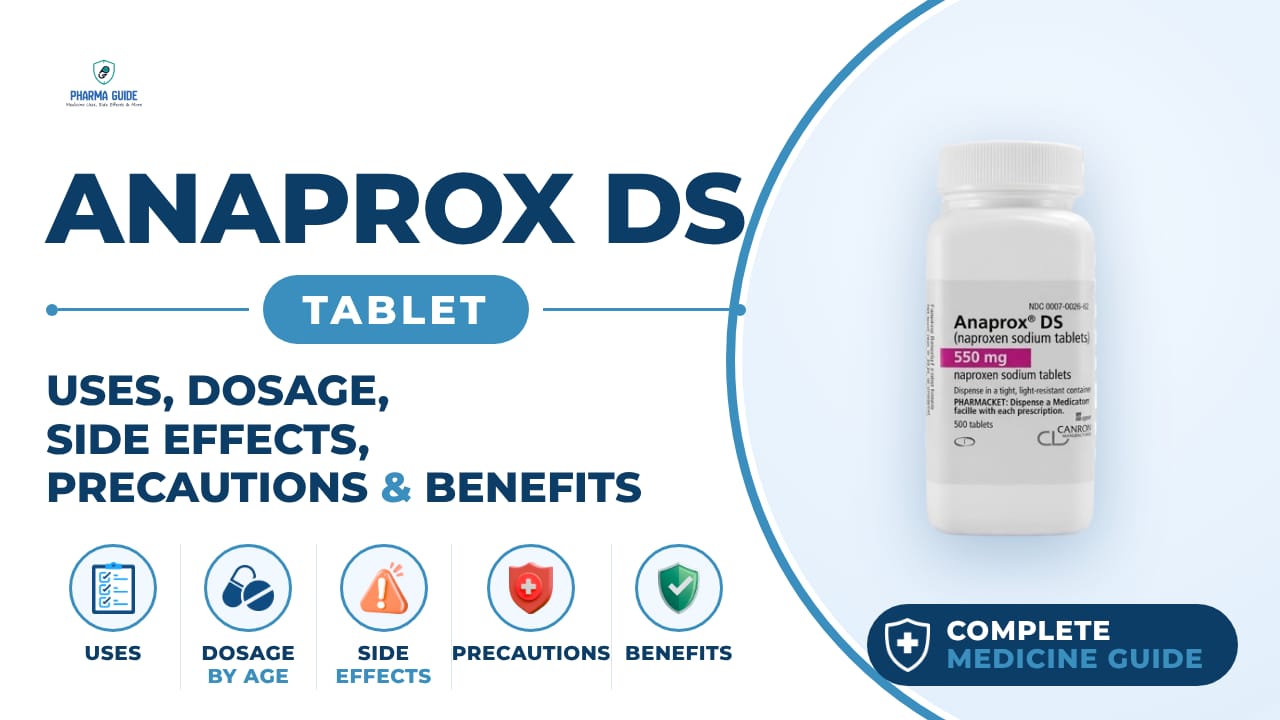
Anaprox DS Tablet: Uses, Dosage, Side Effects, Precautions and Alternates
| Generic name | Naproxen sodium |
|---|---|
| Drug class | Nonsteroidal anti-inflammatory drug (NSAID) |
| Forms | Tablet |
Quick overview
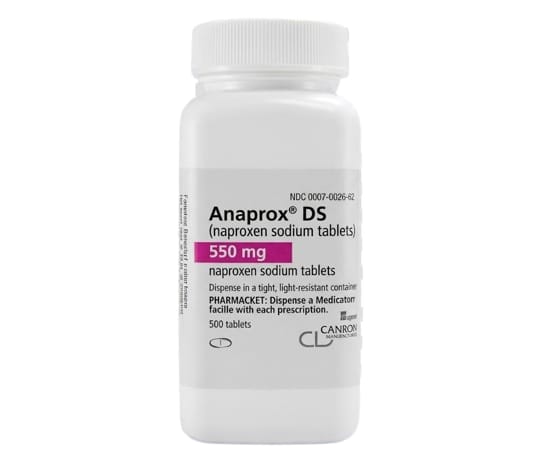
Anaprox DS Tablet contains naproxen sodium, a nonsteroidal anti-inflammatory drug (NSAID). It is the sodium salt form of naproxen, which is absorbed into the body faster than regular naproxen, so it can start working sooner. It is used to relieve pain and inflammation from conditions such as arthritis, tendonitis, bursitis, gout, and menstrual cramps. This medicine works by blocking enzymes involved in producing chemicals that cause pain and swelling.
What is Anaprox DS Tablet
Anaprox DS is a prescription tablet containing naproxen sodium, a type of pain and anti-inflammatory medicine (NSAID). It is the sodium salt form of naproxen, which is absorbed into the body faster than regular naproxen, so it can start working sooner.
Anaprox DS Tablet uses
- Relief of signs and symptoms of rheumatoid arthritis
- Relief of signs and symptoms of osteoarthritis
- Relief of signs and symptoms of ankylosing spondylitis
- Relief of signs and symptoms of tendonitis and bursitis
- Relief of signs and symptoms of acute gout
- Management of pain
- Management of primary dysmenorrhea (menstrual cramps)
Benefits of Anaprox DS Tablet
- Relieves pain.
- Reduces inflammation and swelling.
- Helps improve joint movement.
- Relieves menstrual pain.
- Helps reduce pain associated with gout.
How Anaprox DS Tablet works
Naproxen sodium works by blocking enzymes in the body called cyclooxygenases (COX-1 and COX-2) that are involved in making chemicals called prostaglandins, which cause pain, swelling, and inflammation.
Anaprox DS Tablet dosage
Take exactly as prescribed by your doctor, using the lowest effective dose for the shortest time needed. It is best to take this medicine with food or milk to help prevent stomach upset. The morning and evening doses do not need to be the same size, and taking it more often than twice daily is generally not needed. Do not take this medicine together with other naproxen-containing products, aspirin, or other NSAIDs unless your doctor tells you to.
If you miss a dose, take it as soon as you remember, but skip it if it is almost time for your next dose; do not take two doses at once.
| Age group | Dose |
|---|---|
| Under 18 years | Not recommended |
| 18–64 years | 550 mg, twice/day |
| 65+ years | 550 mg, twice/day |
Available forms and strengths
- Tablet
Side effects of Anaprox DS Tablet
Common
- Heartburn
- Stomach pain
- Constipation
- Nausea
- Dizziness
- Drowsiness
- Headache
- Itchy skin
- Bruising
- Ringing in the ears
- Swelling
- Shortness of breath
- Indigestion
- Diarrhea
- Sweating
- Mouth sores
Serious
- Stomach bleeding (vomiting blood, bloody or black tarry stools, severe stomach pain)
- Heart attack (chest pain or tightness, pain spreading to shoulder, arm, neck, or jaw)
- Stroke (sudden numbness or weakness on one side of the body, slurred speech, trouble walking)
- Heart failure (shortness of breath, swelling, rapid weight gain)
- High blood pressure
- Kidney problems including kidney failure (little or no urination, swelling in feet or ankles)
- Liver problems including liver failure (nausea, upper stomach pain, dark urine, yellowing skin or eyes)
- Life-threatening allergic reactions (swelling of face or throat, difficulty breathing, hives)
- Life-threatening skin reactions (rash, blisters, skin peeling, fever)
- Low red blood cells (anemia)
- Asthma attacks in people with asthma
Warnings and precautions
- NSAIDs like this medicine can increase the risk of serious heart problems like heart attack and stroke, which can be fatal.
- This risk can increase the longer you take the medicine, and people with heart disease or risk factors are at even greater risk. This medicine should never be used for pain right before or after a coronary artery bypass graft (CABG) heart surgery.
- This medicine can cause serious stomach and intestinal problems, including bleeding, ulcers, and holes in the stomach or intestine lining, which can be fatal and can happen without warning signs at any time during use. Serious, sometimes fatal, skin reactions can occur with this medicine, even without warning.
- Do not take this medicine if you have had asthma, hives, or an allergic reaction after taking aspirin or other NSAIDs, since severe and sometimes fatal reactions have occurred in such people.
- This medicine should not be used by pregnant women late in pregnancy because it can cause serious problems for the unborn baby. Talk to your doctor about the risks if you are pregnant at any stage.
- This medicine passes into breast milk, so breastfeeding mothers should avoid using it and talk to their doctor about safer options.
- This medicine is not recommended for people with moderate to severe kidney problems, and caution is needed for anyone with reduced kidney function.
- People with liver problems should use this medicine with caution, since it can cause liver test abnormalities and, rarely, serious liver damage.
- It's best to avoid alcohol while taking this medicine, as it can raise the risk of stomach bleeding and irritation.
- This medicine can cause drowsiness, dizziness, or vision changes, so be careful with driving or other activities that require alertness until you know how it affects you.
Storage
- Store at 15° to 30°C (59° to 86°F) in well-closed containers
- Keep out of reach of children
- Do not keep outdated medicine or medicine no longer needed; return any unused medicine to your pharmacist
When to see a doctor
- Get emergency help right away if you have shortness of breath, chest pain, slurred speech, weakness in one part or side of your body, or swelling of the face or throat.
- Stop taking this medicine and call your doctor right away if you notice blood in your bowel movement or black, tar-like stools, if you vomit blood, or have unusual weight gain or swelling.
- Stop taking this medicine and contact your doctor right away if your skin or eyes turn yellow, you develop a skin rash or blisters with fever, or you have flu-like symptoms.
- Seek emergency medical help right away for signs of an anaphylactoid reaction, such as difficulty breathing or swelling of the face or throat.
Alternatives
- Brufen
- Aleve
- Naprosyn
Watch the video
FAQs
What is Anaprox DS Tablet used for?
It is used to relieve pain and inflammation from rheumatoid arthritis, osteoarthritis, ankylosing spondylitis, tendonitis, bursitis, acute gout, and menstrual cramps.
How does Anaprox DS Tablet work?
Naproxen sodium blocks enzymes called cyclooxygenases (COX-1 and COX-2) that produce prostaglandins, chemicals responsible for pain, swelling, and inflammation.
What is the dosage of Anaprox DS Tablet for adults?
Adults aged 18-64 and those 65 and older typically take 550 mg twice a day, exactly as prescribed, using the lowest effective dose for the shortest time needed.
What are the common side effects of Anaprox DS Tablet?
Common side effects include heartburn, stomach pain, constipation, nausea, dizziness, drowsiness, headache, itchy skin, bruising, ringing in the ears, and swelling.
Can Anaprox DS Tablet be taken during pregnancy or breastfeeding?
It should not be used late in pregnancy due to risks to the unborn baby, and breastfeeding mothers should avoid it since it passes into breast milk.
General information, not medical advice
Your prescriber and the leaflet in your pack know your situation. This page does not.
- Follow your prescriber and the leaflet
- Don't start, stop, or change a dose on your own
- Doses and warnings differ by country and product
Sources
Video
Related medicines
Relaxyl Capsule: Uses, Dosage, Side Effects, Precautions and Alternates
Nonsteroidal Anti-Inflammatory Drug (NSAID)
Relaxyl Capsule contains diclofenac, an NSAID used to relieve joint and muscle pain, swelling, and inflammation. Learn uses, dosage, and side effects.
Nabumetone Tablet: Uses, Dosage, Side Effects, Precautions and Alternates
Nonsteroidal anti-inflammatory drug (NSAID)
Nabumetone Tablet is an NSAID for osteoarthritis and rheumatoid arthritis pain relief. Learn its dosage, uses, side effects, and safety warnings.